Hydrolyzed Chicken Liver Palatant
In competitive pet food markets, palatability directly affects repeat purchase rates.
Many manufacturers focus on protein levels and ingredient claims, but overlook one key factor: feeding response consistency.
This case study shares real commercial trial data from a mid-size dry cat food manufacturer facing declining repeat sales in Southeast Asia.
Background: The Challenge
Client Profile:
• Product: Dry extruded cat kibble
• Positioning: Mid-premium
• Target Market: Southeast Asia
• Protein Level: 32% crude protein
• Formula Type: Grain-free
Problem Identified
The manufacturer observed:
- 12% decline in repeat purchase within 6 months
- Increased customer complaints about “low aroma”
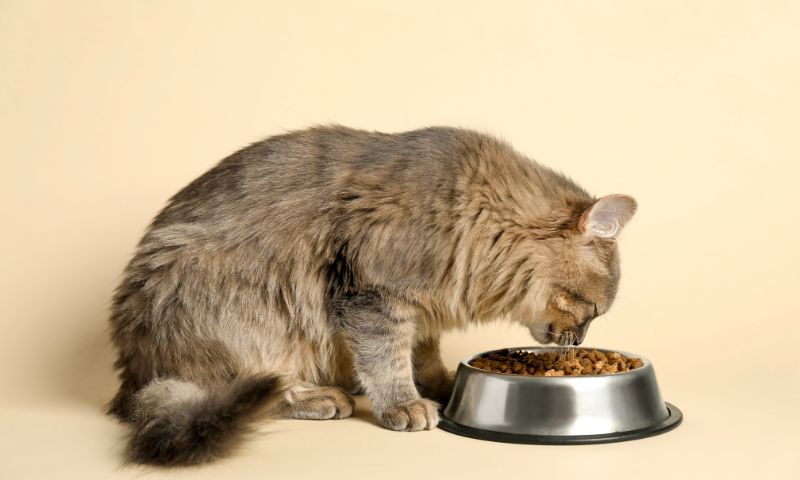
- Lower feeding enthusiasm compared to competitor brands
Lab analysis confirmed:
- Weak surface aroma retention after extrusion
- Palatability reduction after 45 days storage in humid climate
The formulation itself was nutritionally sound.
The issue was coating performance.
Intervention: Structured Palatant Coating Upgrade
The solution implemented:
- Fat pre-spray optimization
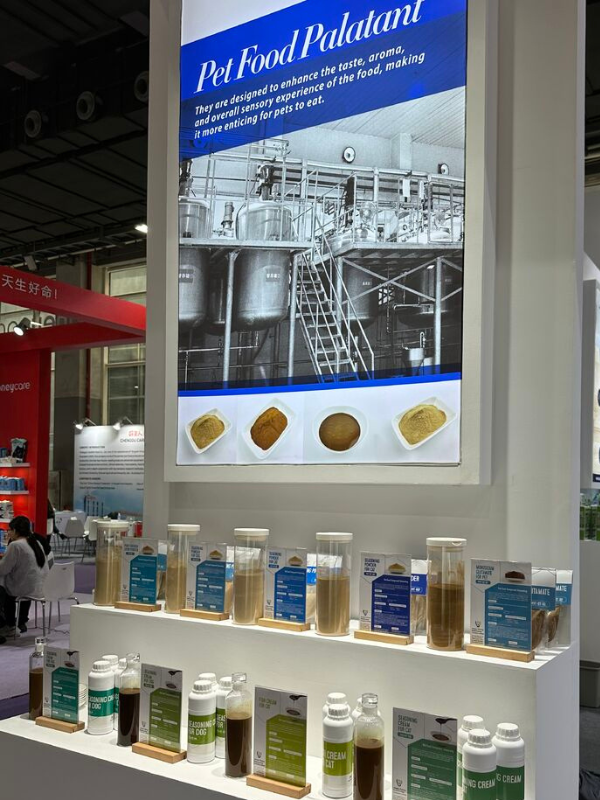
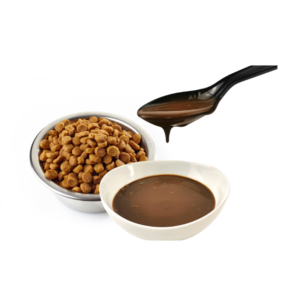
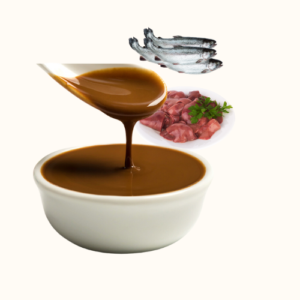
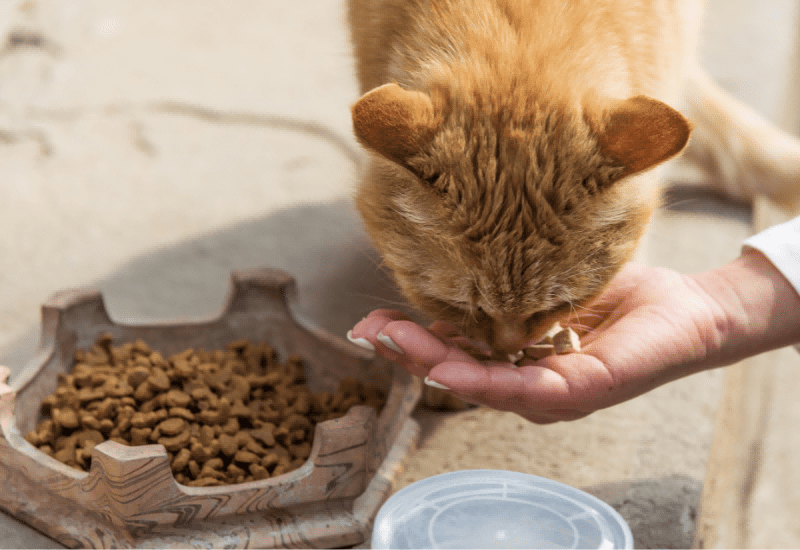
- Application of Hydrolyzed Chicken Liver Liquid Palatant
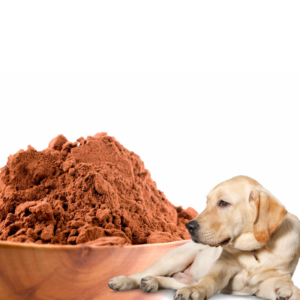
- Final powder aroma topper layer
Dosage Used:
Liquid palatant: 1.5%
Powder topper: 0.8%
Coating applied using vacuum drum system.
Trial Design
Two production batches were tested:
Batch A – Original formula
Batch B – Optimized palatant coating
Feeding trial:
• 40 adult cats
• 14-day acceptance test
• Controlled environment
• Equal feeding windows

Measured indicators:
- First approach time
- Total intake within 15 minutes
- Complete bowl empty rate
- Repeat feeding enthusiasm
Results
Feed Intake Increase: +28%
Average 15-minute intake:
Batch A: 62%
Batch B: 79%
First Approach Time Reduced by 35%
Cats approached the bowl significantly faster.
Complete Bowl Empty Rate
Batch A: 48%
Batch B: 67%
Aroma Stability (Humidity Simulation)
After 60 days at 30°C / 75% RH:
Batch A aroma loss: 41%
Batch B aroma loss: 18%
This directly impacts export markets in:
• Southeast Asia
• Middle East
• Latin America
Commercial Impact
Within 3 months of implementation:
• Repeat purchase rate increased by 9%
• Distributor re-order cycle shortened by 14 days
• Customer complaints reduced by 37%
Most importantly:
The manufacturer did not change the base formula — only the coating system.
Cost impact per ton:
+1.8% production cost
Estimated revenue increase:
+6–11% due to improved sales velocity
Return on investment: Positive within first quarter.
Why Hydrolyzed Liver Outperformed Standard Liver Powder
Technical Advantages:
• Smaller peptide molecules improve aroma diffusion
• Better fat adhesion on kibble surface
• Stronger umami perception
• Higher digestibility
Powder alone provided moderate enhancement.
Liquid hydrolysate provided sustained feeding stimulation.
Key Takeaways for Pet Food Manufacturers
If you are producing:
• Grain-free cat food
• Functional diets (renal, digestive, skin support)
• Export products for humid regions
• Premium private label formulas
Then coating structure matters more than protein percentage.
Palatability systems should be treated as:
Revenue drivers, not cost items.
Strategic Insight from Search Trends
Recent search growth around:
• cat food flavor enhancer
• chicken liver powder for cats
• hydrolyzed liver palatant
• cat food palatability
shows increasing formulation focus from manufacturers.
However, most competitors publish ingredient pages — not performance data.
Data-driven content builds trust.
Conclusion
This case demonstrates that optimizing palatant application — rather than reformulating the entire product — can significantly increase feed intake and repeat purchase rates.
In competitive pet food markets, measurable performance improvement determines brand survival.
Manufacturers who integrate structured palatability systems gain a clear commercial advantage.