
Cat Food Palatant Powder
When it comes to feeding cats, we all know one thing for certain: they can be incredibly picky. Pet parents often struggle to find a food their cats will actually eat—let alone enjoy. And behind the scenes, pet food manufacturers are working just as hard to solve that problem.
One of the most effective solutions? Cat food palatant powder.
This article is for professionals in the pet food industry—whether you’re a manufacturer, a brand formulator, or a factory looking for B2B ingredients that deliver consistent, measurable results. Here’s what you need to know.
So, What Exactly Is Cat Food Palatant Powder?
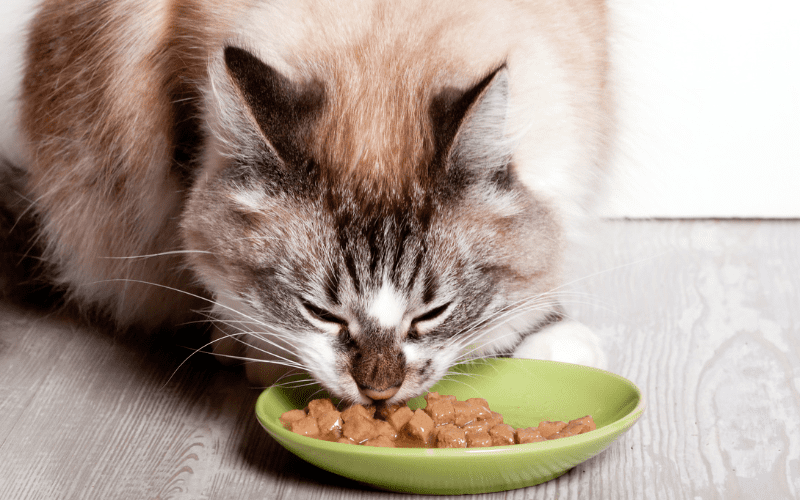
Think of palatant powder as a seasoning blend—except it’s designed for cats, formulated by food scientists, and based on what felines naturally crave.
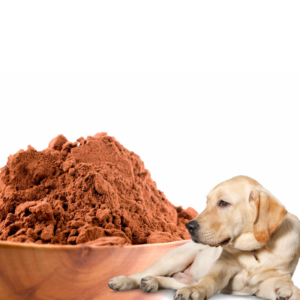
It’s a dry, fine powder made from highly digestible ingredients like hydrolyzed chicken liver, fish meal, animal digest, and yeast extracts. Once applied to dry kibble or mixed into wet food, it dramatically improves aroma, taste, and texture, making the food more appealing to cats.
Why Palatability Is More Than Just Flavor
Palatability isn’t just about making food taste better—it’s about making it desirable to eat. For cats, that usually means:
- A strong, meaty aroma
- Umami-rich taste profiles
- A texture that feels “real” when chewed
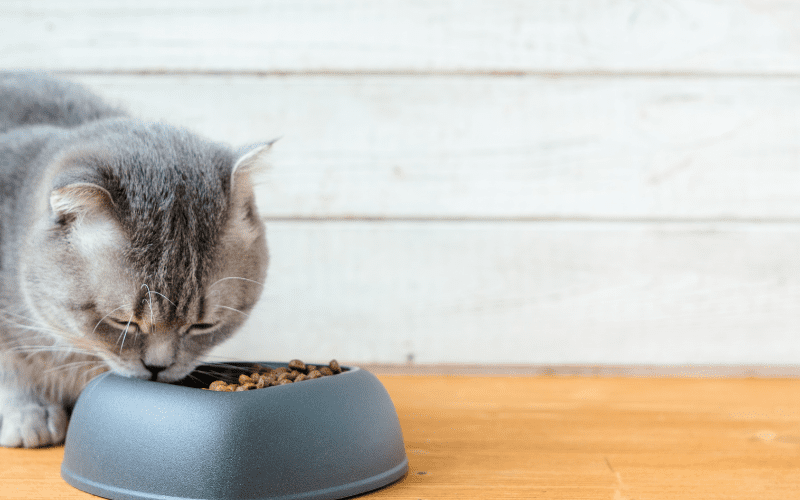
Unlike dogs, cats have fewer taste buds (about 470 compared to a dog’s 1,700), so they rely far more on scent and umami than on taste variety. If it doesn’t smell right, they simply won’t touch it. That’s why the right palatant powder can make or break a product.
What Goes Into a High-Quality Palatant?
There’s no one-size-fits-all formula, but some of the most effective cat palatant powders typically include:
✅ Hydrolyzed Animal Proteins
These proteins are broken down into small, easy-to-digest peptides that release intense flavor and aroma. Chicken liver is a popular base.
✅ Animal Digest or Broth Powders
These add depth to the scent profile—cats love the meaty, savory aroma.
✅ Yeast Extracts and Fermentation Products
Rich in amino acids and umami compounds, these support both flavor and nutritional benefits.
✅ Taurine and Specific Amino Acids
Essential for cats, taurine not only supports health but also enhances the taste appeal of the food.
At ProfyPet, we tailor our palatant formulations to meet different needs—whether it’s boosting kibble palatability or enhancing acceptance for therapeutic diets.

When and Where Is Palatant Powder Used?
Almost everywhere. You’ll find it in:
- Dry cat kibble: Applied as a coating, often after a fat or oil layer
- Wet foods: Integrated into the mix for consistency
- Freeze-dried treats and toppers: Boosts flavor and adds nutritional value
- Veterinary prescription diets: Helps increase compliance for sick or recovering cats
It’s especially valuable in products where base ingredients are less flavorful, such as hydrolyzed or hypoallergenic diets.
Real-World Benefits for Pet Food Brands
If you’re in the business of formulating or manufacturing cat food, incorporating a high-quality palatant powder offers immediate and long-term advantages:
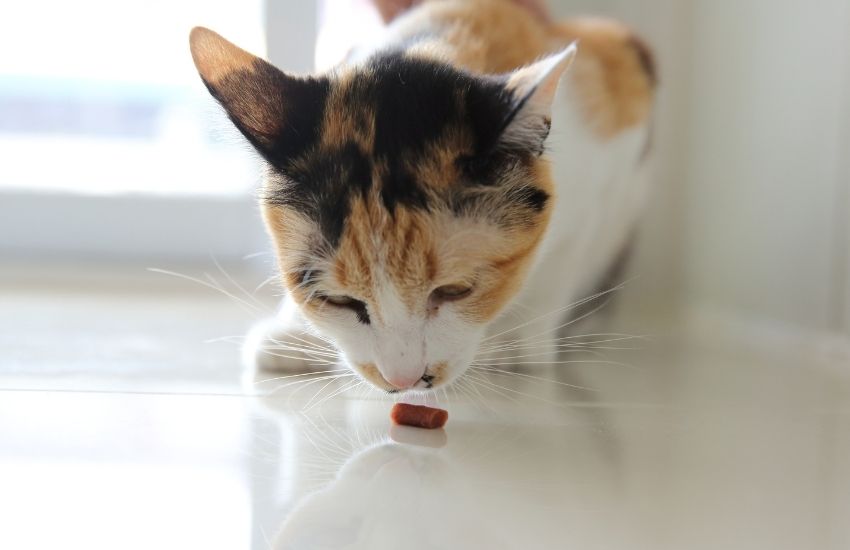
- Higher product acceptance rates (especially for new launches)
- Better feeding consistency across different cat breeds and age groups
- Lower product returns due to uneaten food
- Stronger customer loyalty—cats that love a formula keep coming back
We’ve seen clients increase customer repurchase rates by 20% or more just by improving palatability.
What to Look for in a Palatant Powder Supplier
There are plenty of options out there—but quality, consistency, and customization are key. Here’s what separates a great supplier from a good one:
- Palatability test data that supports their claims
- Customizable formulas for different food types (grain-free, hypoallergenic, organic, etc.)
- Compliance with international food safety standards
- Reliable delivery timelines and technical support
- Transparency in ingredient sourcing
At ProfyPet, we work directly with pet food brands and OEM factories across the globe. Our team helps optimize formulas based on your product goals, target cat profiles, and even geographic preferences (e.g., seafood-based palatants for Asian markets, poultry-forward for the U.S. and EU).
A Note on Application: How It’s Done
For dry cat food, palatant powder is typically applied in the final phase of production:
- The kibble is cooked and dried
- A layer of oil or fat is sprayed on
- The palatant powder is evenly coated onto the surface using tumbling or spraying systems
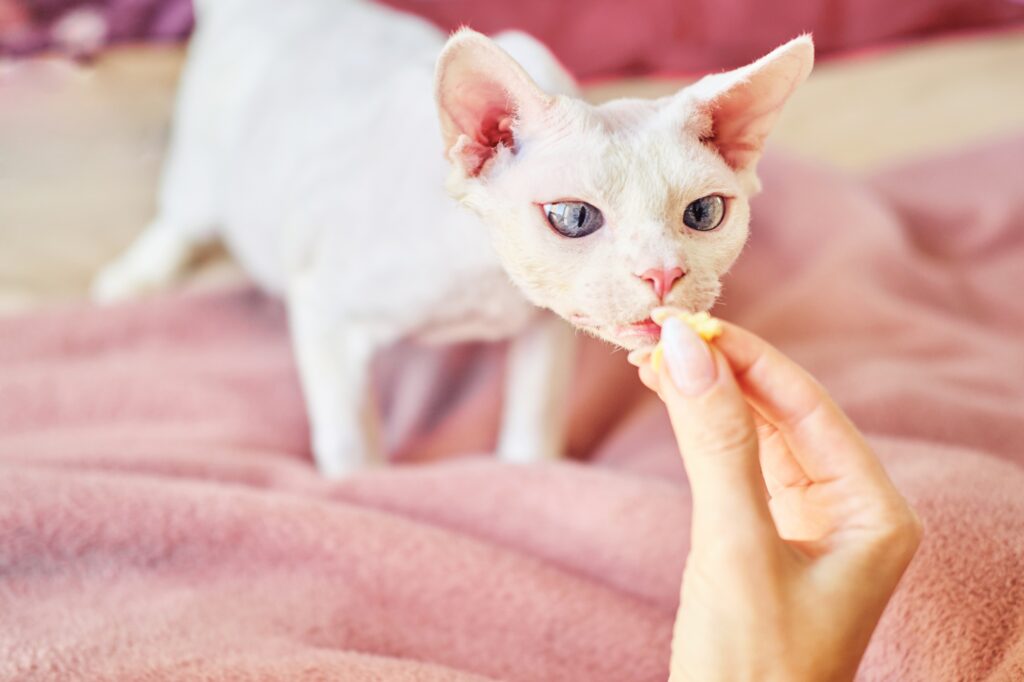
This ensures maximum flavor release when the food hits the cat’s bowl.
For wet foods, the palatant is usually mixed in during the blending stage or added as a final touch before sealing and sterilization.
Conclusion: Tiny Powder, Big Impact
In the competitive world of cat food manufacturing, getting flavor and aroma just right isn’t a luxury—it’s a necessity. And cat food palatant powder is one of the most reliable ways to achieve that.
Whether you’re launching a new brand, reformulating an existing line, or entering a new market, the right palatability strategy will help your products stand out and succeed.
If you’re ready to explore customized palatant solutions for your next cat food line, we’re here to help.
👉 Visit us at www.profypet.com or reach out to our formulation team to get started.