
Dog Food Ingredient Suppliers
When pet food brands search for dog food ingredient suppliers, they are rarely looking for commodities alone. They are looking for consistency, formulation support, supply stability, and one critical advantage that often decides repeat sales: palatability.
A pet food product can have strong nutrition on paper and still struggle in the market if dogs or cats do not enjoy eating it. That is why manufacturers, factories, and private label brands now pay closer attention not only to protein sources, fats, fibers, vitamins, and minerals, but also to palatability enhancer for pet food, flavor systems, coating technologies, and supplier expertise. Palatability testing remains a standard part of pet food development, and research continues to show that both sensory factors and species-specific feeding behavior play a major role in acceptance in dogs and cats.
For manufacturers, this changes the supplier conversation. The best supplier is not just a seller of raw materials. The best supplier helps you build a product that pets accept quickly, owners trust, and distributors reorder with confidence.
This article explains how to choose the right ingredient partner, why pet food ingredients and flavor systems matter, and how a professional palatability enhancer supplier can support better outcomes for both dog food and cat food lines.

Why Dog Food Ingredient Suppliers Matter More Than Ever
The pet food sector has become far more demanding. Buyers expect consistent quality, stable pricing, transparent sourcing, safe processing, and formulations that perform in real feeding conditions. At the same time, regulators continue to focus on ingredient safety, labeling, intended use, and manufacturing compliance. In the United States, FDA states that ingredients used in animal food must be safe and have an appropriate function, and substances may be regulated as GRAS, approved food additives, or other lawful ingredients depending on their use.
That means supplier selection affects much more than procurement. It affects:
- product acceptance
- formulation flexibility
- label compliance
- production efficiency
- brand reputation
- long-term profitability
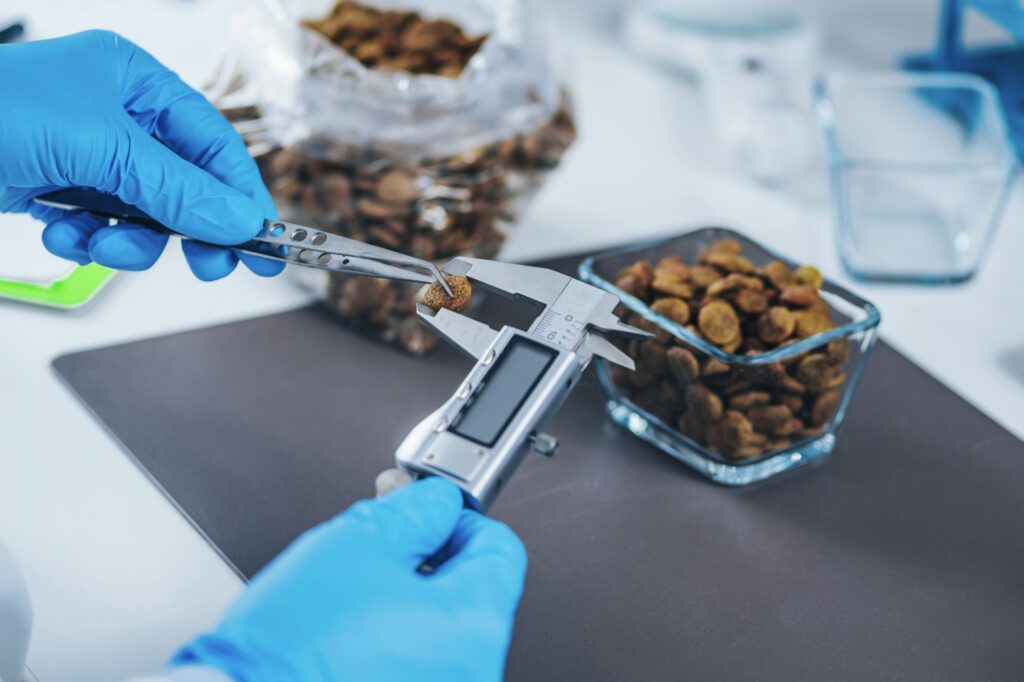
For a pet food manufacturer or factory, a weak supplier can create delays, inconsistent batches, poor coating performance, unstable aroma, and disappointing feed intake results. A strong supplier, by contrast, helps you reduce formulation risk and improve product performance from development to scale-up.
What Today’s Buyers Expect From Dog Food Ingredient Suppliers
Professional buyers usually look for a supplier that can offer more than one ingredient category. They want a partner that understands the full formula.
In practical terms, buyers often expect support in the following areas:
1. Core nutritional ingredients
These include animal proteins, plant proteins, fats, carbohydrates, fibers, vitamin premixes, mineral premixes, binders, antioxidants, and functional additives.
2. Palatability-focused ingredients
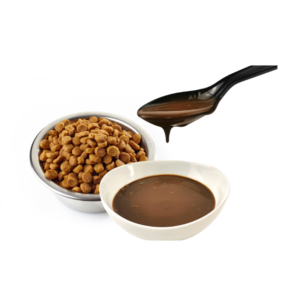
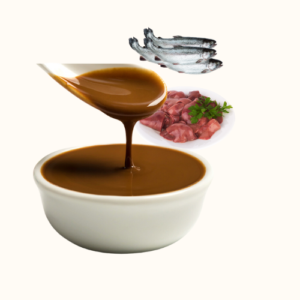
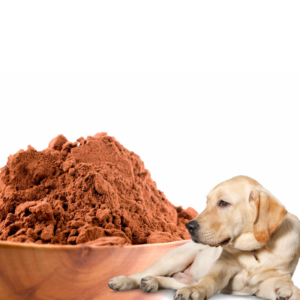
This is where many products succeed or fail. Palatability-related ingredients may include digest-based coatings, hydrolyzed proteins, liver powders, yeast derivatives, liquid flavors, reaction flavors, and other flavor systems designed to improve aroma, taste, and first-bite acceptance. Research reviews have noted that flavor enhancers, coatings, ingredient selection, processing conditions, and even kibble characteristics can influence palatability outcomes in dogs and cats.
3. Application guidance
The supplier should be able to explain where an ingredient works best: dry kibble, semi-moist products, wet food, toppers, training treats, baked treats, or freeze-dried formats.
4. Technical documentation
Serious buyers need specifications, recommended inclusion levels, storage conditions, microbiological standards, and support for regulatory review.
5. Manufacturing consistency
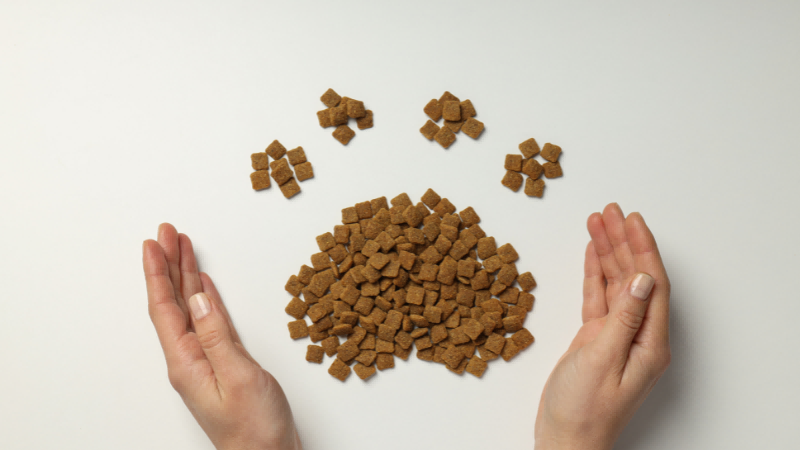
A supplier must demonstrate batch-to-batch consistency, not just send an attractive sample once.
This is especially important in palatant systems. A formula that performs well in R&D but changes in odor intensity, solubility, particle size, or coating adhesion during commercial production can hurt product quality and market acceptance.
Palatability Pet Food: The Commercial Difference Maker
Many companies still treat palatability as a finishing touch. In reality, it should be considered a core design factor.
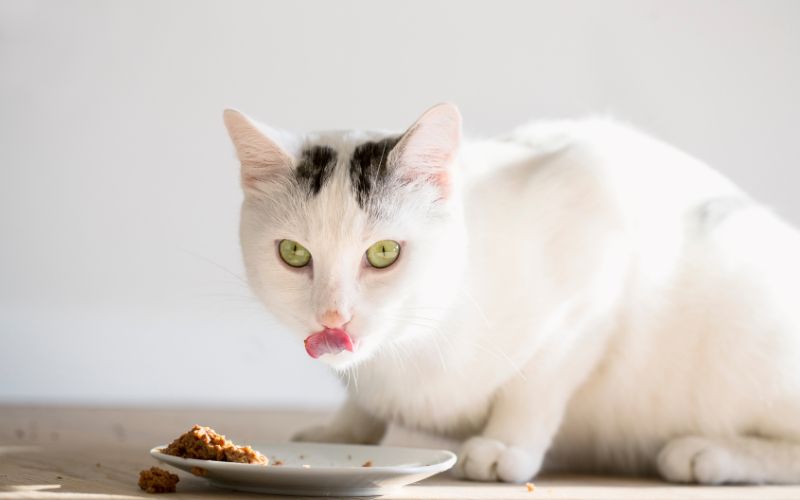
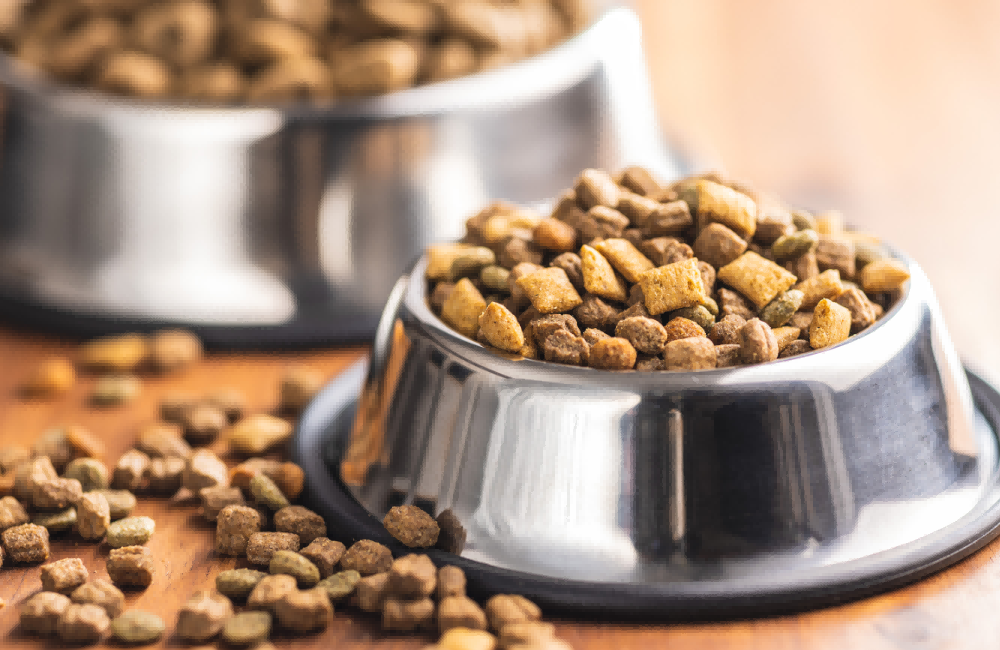
Palatability pet food is not just about making food smell stronger. It is about improving overall eating response in a way that matches the target species, product format, and market positioning. Scientific reviews describe palatability as a complex interaction involving smell, taste, texture, mouthfeel, learned preference, and feeding behavior. Common evaluation methods include single-bowl acceptance tests and two-bowl preference tests.
For dog food manufacturers, better palatability can support:
- faster product acceptance after launch
- smoother transitions between recipes
- stronger repeat purchases
- lower rejection rates in feeding trials
- better performance in premium and functional formulas
For brands working in competitive retail, this matters because the most nutritionally impressive formula still has to survive the second bowl.
Cat Food Palatability: Why It Demands Special Attention
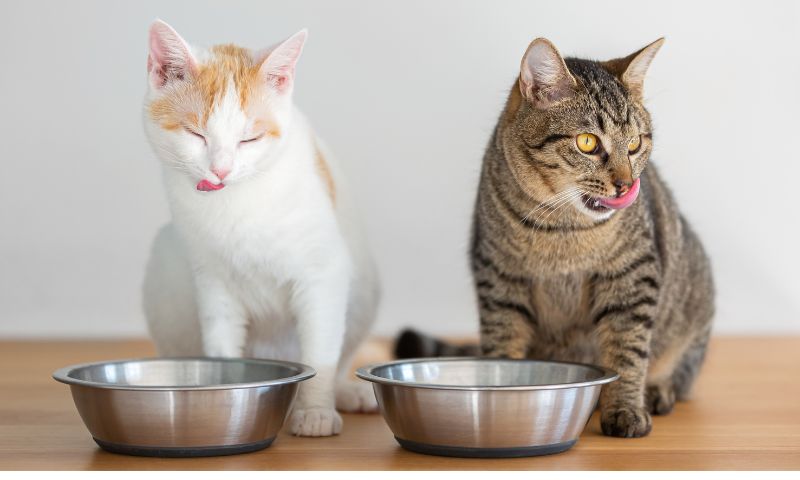
Even when your main product line is dog food, many suppliers and buyers also evaluate ingredients for cat applications. That is why cat food palatability is highly relevant in supplier discussions.
Cats are generally more selective eaters than dogs, and published reviews show that feline feeding behavior, taste preferences, and sensory expectations differ in meaningful ways from those of dogs. Cats are obligate carnivores and can be especially sensitive to aroma profile, freshness cues, texture, and flavor balance.
A supplier that understands cat applications can add real value in multi-species product development. This is why many buyers specifically ask about:
- cat food flavor enhancer
- hydrolyzed liver powders
- poultry-based flavor systems
- liquid coatings for cat kibble
- aroma systems for wet food
- palatability enhancer supplier support for cat formulas
In other words, even if your keyword focus starts with dog food ingredient suppliers, the supplier’s cat-food expertise often signals a deeper technical capability.
Cat Food Flavor Enhancer: What Buyers Usually Mean
The term cat food flavor enhancer is often used broadly in the market. Buyers may use it to describe several different ingredient types, such as:
- hydrolyzed animal proteins
- liver powders
- reaction flavors
- yeast-derived taste enhancers
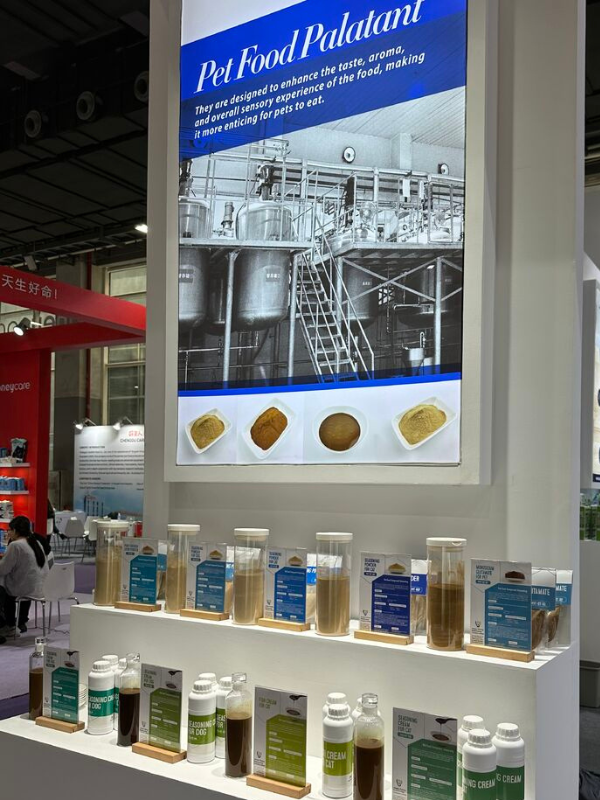
- liquid palatants
- coated powder flavors
- digest-based surface applications
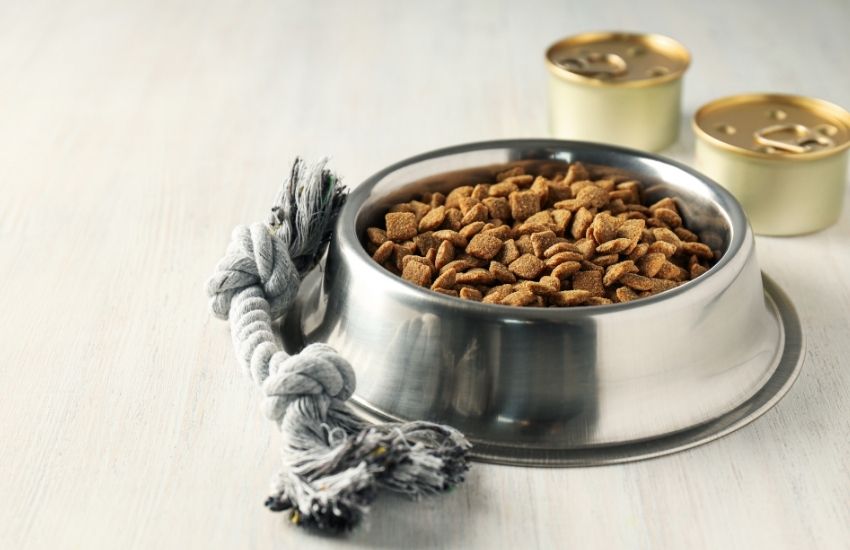
From a technical perspective, not all flavor enhancers work the same way. Some boost aroma. Some improve top-note appeal. Some support lingering taste response. Some are better suited for extrusion coating, while others perform better in wet systems or treat applications.
That is why a knowledgeable supplier should not simply say, “Here is our flavor powder.” A professional supplier should ask:
- What is your target species?
- Is the product dry, wet, or semi-moist?
- What is the base protein?
- What is your fat system?
- What is your processing temperature?
- Are you improving first acceptance, repeat intake, or masking off-notes?
- Are you formulating for economy, premium, grain-free, or functional positioning?
These questions separate a trading company from a true formulation partner.
Palatability Enhancer for Pet Food: What Good Suppliers Provide
A reliable palatability enhancer for pet food should do more than add smell. It should support measurable formulation goals.
The best suppliers usually provide support in four areas:
Sensory optimization
They help improve aroma, taste perception, and coating performance.
Formula compatibility
They make sure the palatant fits the rest of the recipe rather than conflicting with base ingredients.

Processing stability
They understand whether the ingredient should go into the mix, onto the surface, or into a post-extrusion coating step.
Commercial scalability
They can supply the same quality during pilot testing and full production.
FDA notes that substances used in animal food may serve functions such as supplying nutrients, adding aroma or flavor, aiding stability, or altering the food’s characteristics. That functional understanding is important when evaluating ingredient claims and supplier recommendations.
For manufacturers, that means the right supplier is not only a source of raw materials. It is also a source of application logic.
Pet Food Ingredients: What Smart Buyers Evaluate First
When reviewing pet food ingredients from a supplier, experienced procurement and R&D teams usually focus on six practical checkpoints.
1. Ingredient function
What exactly does the ingredient do in the formula?
A good supplier should clearly distinguish between nutritional contribution, sensory enhancement, texture support, shelf-life support, and process aid functionality.
2. Species relevance
Does the ingredient perform equally well in dog and cat applications?
This matters because ingredient acceptance can vary sharply by species. Published reviews on palatability repeatedly emphasize that dogs and cats perceive food differently and may respond differently to the same formula features.
3. Format suitability
Can the ingredient work in kibble, canned food, topper powders, biscuits, soft chews, or freeze-dried treats?
4. Inclusion economics
A cheap ingredient is not always cost-effective if the recommended dose is high or if it creates processing waste.
5. Documentation and traceability
The supplier should be ready with specifications, application guides, and safety documentation.
6. Supply reliability
Can they maintain stable quality and volume through different production cycles?
These checkpoints matter whether you are buying protein meals or a cat food flavor enhancer.
Feed Additives for Dogs: More Than Just Nutrition
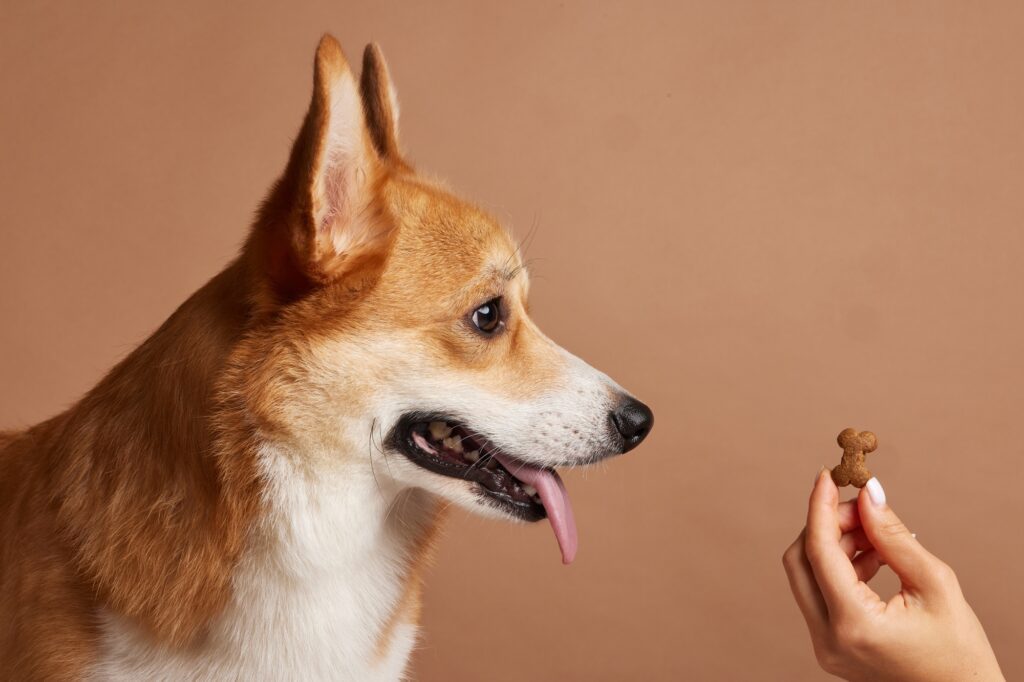
The phrase feed additives for dogs covers a wide range of materials. Some are designed for nutrient delivery, some for preservation, some for texture, and some for palatability.
FDA explains that animal food additives may be intended to supply nutrients, add aroma or flavor, aid stability, or alter food characteristics.
In commercial dog food, feed additives may support:
- improved sensory appeal
- oxidation control
- processing flow
- texture consistency
- shelf-life stability
- targeted performance claims
For B2B buyers, the key question is not whether additives are used. The key question is whether they are used correctly, lawfully, and effectively.
A credible supplier should be able to explain the additive’s purpose in clear technical language instead of relying on vague marketing phrases.
How to Identify a Strong Palatability Enhancer Supplier
If you are screening ingredient partners, here are the practical signs of a strong palatability enhancer supplier.
They understand both dogs and cats
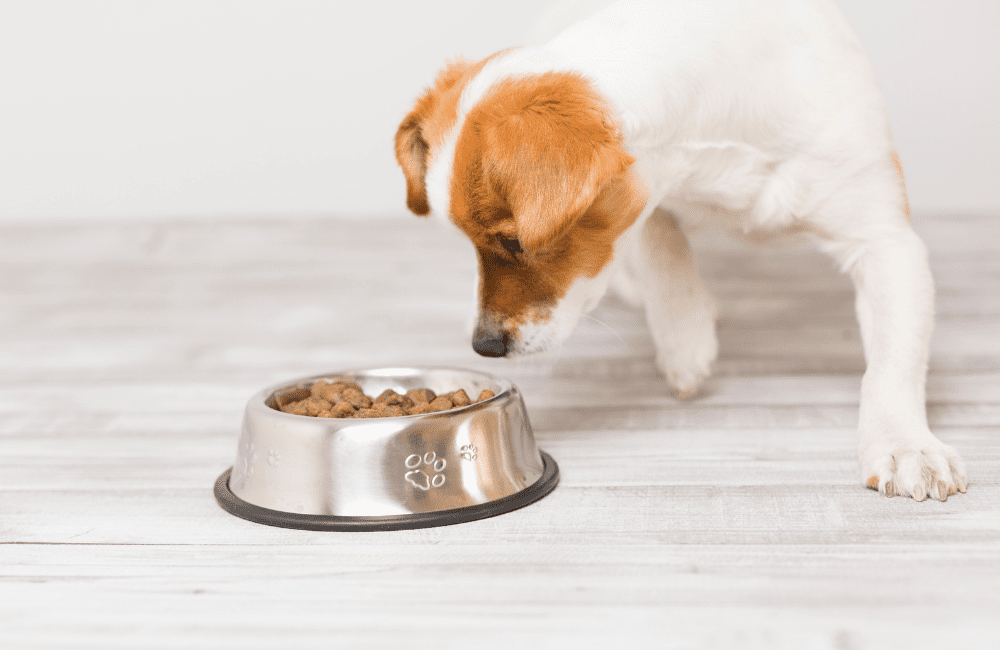
A supplier with real expertise can discuss both cat food palatability and dog-food acceptance rather than speaking only in generic terms.
They can explain application by product type
For example, a good supplier should know whether a powder palatant is better in the formula or in a surface coating system.
They offer trial support
They should be willing to recommend a starting inclusion range and help interpret trial outcomes.
They discuss stability and process conditions
Heat, moisture, fat level, and coating method all affect final performance.
They provide consistent documentation
The supplier should offer professional specs, lot consistency, and clear product identification.
They speak commercially, not just technically
A good supplier understands that your real goal is not merely “better flavor.” Your goal is better sell-through, fewer complaints, and stronger repurchase rates.
Common Problems Caused by Poor Supplier Selection
Choosing the wrong ingredient supplier can create hidden costs that do not show up on the first quotation sheet.
These often include:
- inconsistent aroma from batch to batch
- weak pet acceptance in launch markets
- formula rework after scale-up
- label review complications
- unnecessary production downtime
- higher inclusion cost than expected
- poor compatibility with extrusion or coating systems
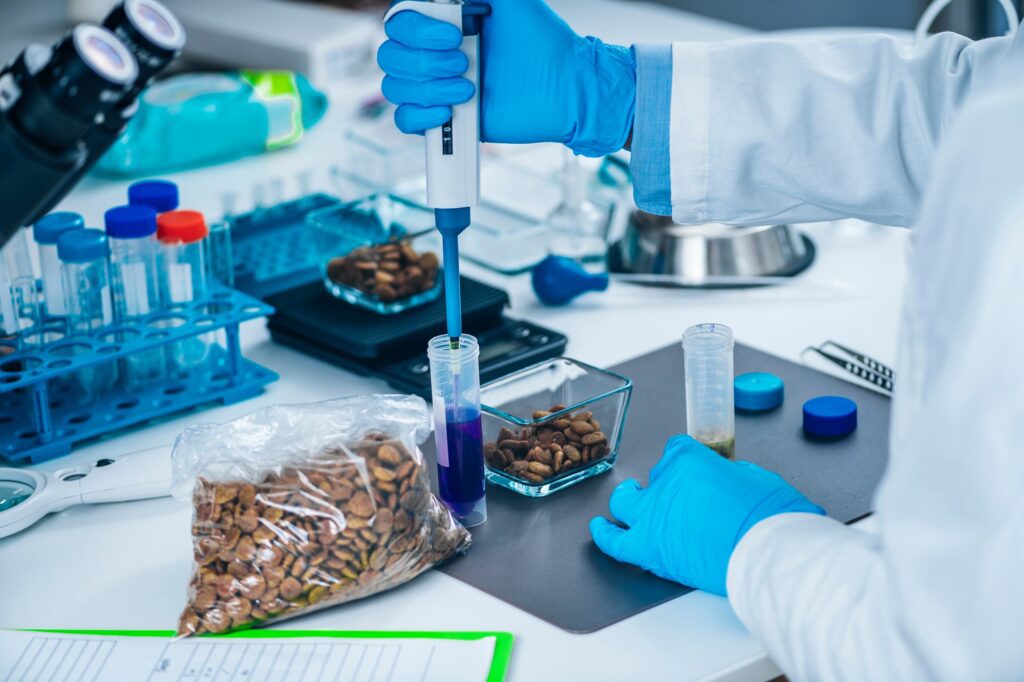
This is especially risky in products positioned as premium, natural, high-meat, or functional, where sensory balance is often harder to manage. Recent reviews on dry pet food palatability also point out that ingredients and process parameters interact in complex ways, which is why application support matters so much.
Why Pet Food Manufacturers Need More Than a Trader
Some buyers only compare price per kilogram. That approach can work for simple commodities, but it is rarely enough for palatability ingredients.
A manufacturer, factory, or serious pet food brand usually benefits more from a supplier who can offer:
- formulation discussion
- sample matching
- application advice
- product positioning insight
- scalable quality
- responsive communication
This is where specialized companies in pet food ingredients and palatant systems can create more value than general traders.
For example, if a manufacturer wants to improve a dry cat-food line with a more attractive poultry profile, the discussion should involve more than ingredient price. It should cover the base recipe, coating method, target market, odor intensity, and expected feeding response. That is the level of conversation a real partner brings.
Dog Food Ingredient Suppliers and the Shift Toward Performance-Based Sourcing

The market is moving away from simple commodity sourcing and toward performance-based sourcing.
That means buyers increasingly choose suppliers based on:
- how the ingredient performs in the final food
- how stable the supply is
- how well the supplier supports formulation
- how clearly the supplier communicates intended use
- how efficiently the ingredient contributes to acceptance and repeat purchase
This matters across both mainstream and premium segments.
For example, a premium label may need cleaner aroma, better meat-note authenticity, and smoother fit with high-protein formulas. An economy label may focus on cost-controlled intake improvement. In both cases, the right palatability enhancer for pet food must align with the commercial goal.
What to Ask Before Choosing a Supplier
Before committing to any supplier, ask these questions:
- What applications is this ingredient designed for?
- Is it intended for dogs, cats, or both?
- Is it better for dry food, wet food, or treats?
- What inclusion level do you recommend?
- How stable is it during processing?
- What problem does it solve: aroma, taste, masking, or intake?
- What technical documents can you provide?
- How do you control batch consistency?
- Can you support sample testing and scale-up?
- Do you also supply related pet food ingredients and palatability systems?
These questions help buyers compare suppliers on value, not just on price.
Final Thoughts
The search for dog food ingredient suppliers should never stop at raw material availability. For pet food manufacturers, factories, and palatant wholesalers, the real value lies in supplier capability.
A strong supplier helps you build products with better sensory appeal, better formulation logic, and better market performance. That is especially true when you are working with feed additives for dogs, advanced flavor systems, or specialized solutions such as cat food flavor enhancer products and broader palatability enhancer for pet food applications.
In today’s market, palatability is not a secondary detail. It is a commercial advantage.
For buyers developing dog food, cat food, treats, toppers, or customized OEM formulas, choosing the right ingredient partner can make the difference between a product that only looks good on the label and one that truly performs in the bowl.
If your business is evaluating a new palatability enhancer supplier or sourcing more specialized pet food ingredients, Profypet can support application-focused discussions for practical, scalable pet food formulation needs.