Dry Food Flavoring for Kibble Production
Introduction: Why Palatability Matters More Than Ever
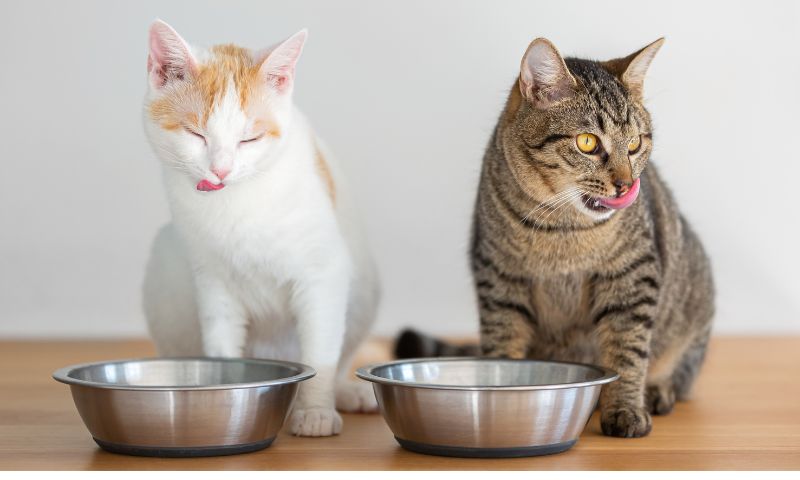
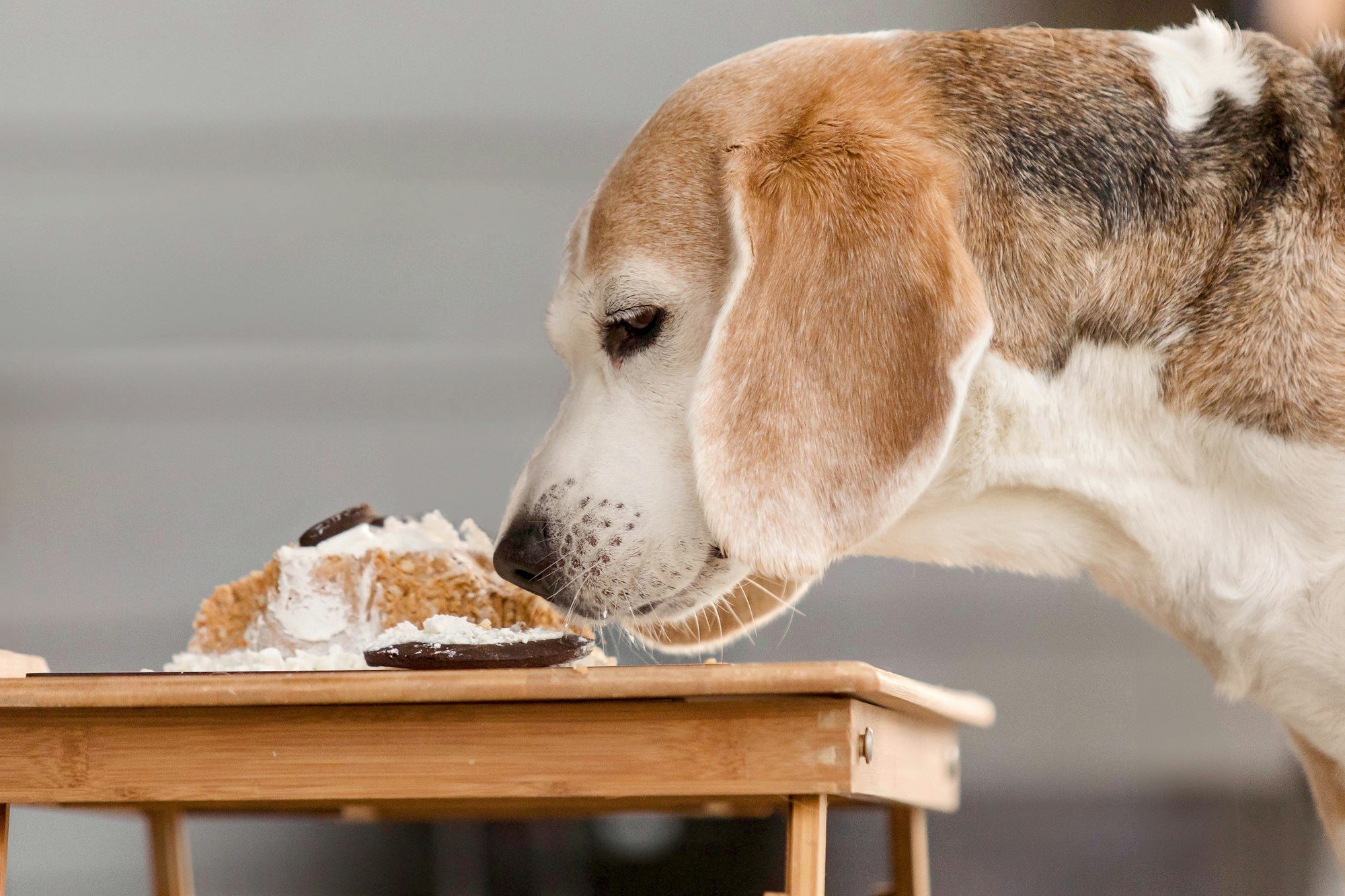
In today’s competitive pet food market, even the most nutritionally complete kibble can struggle if pets simply won’t eat it. Palatability — the sensory appeal of pet food — has become one of the top deciding factors for both pet owners and manufacturers.
As a pet food factory or kibble producer, ensuring your dry food not only meets nutritional standards but also tastes irresistible to cats and dogs is critical. That’s where dry food flavoring and palatability enhancers come in.
1. Understanding Palatability in Pet Food
Palatability is a combination of taste, smell, and texture — the total sensory experience that drives a pet to accept or reject food. For cats and dogs, the sense of smell is the most powerful.
Key sensory drivers of palatability include:
- Aroma: Meat-based scents or hydrolyzed proteins that stimulate the appetite.
- Taste: Balanced umami, saltiness, and fat perception.
- Texture: Proper coating and mouthfeel, especially in dry kibble.
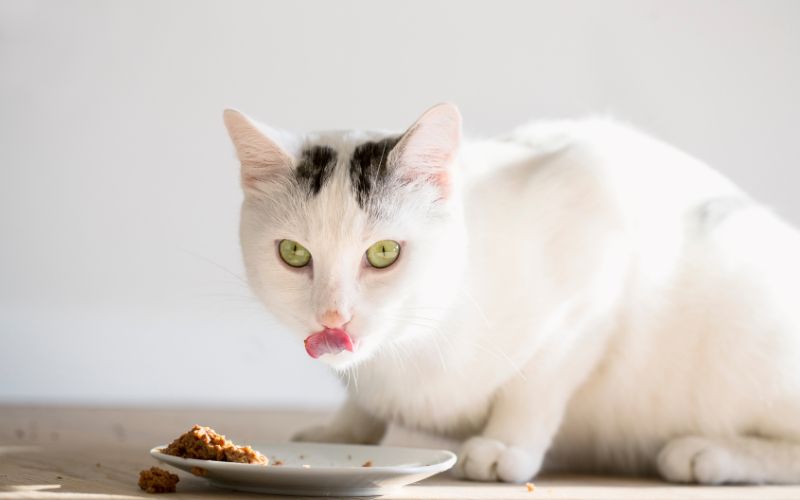
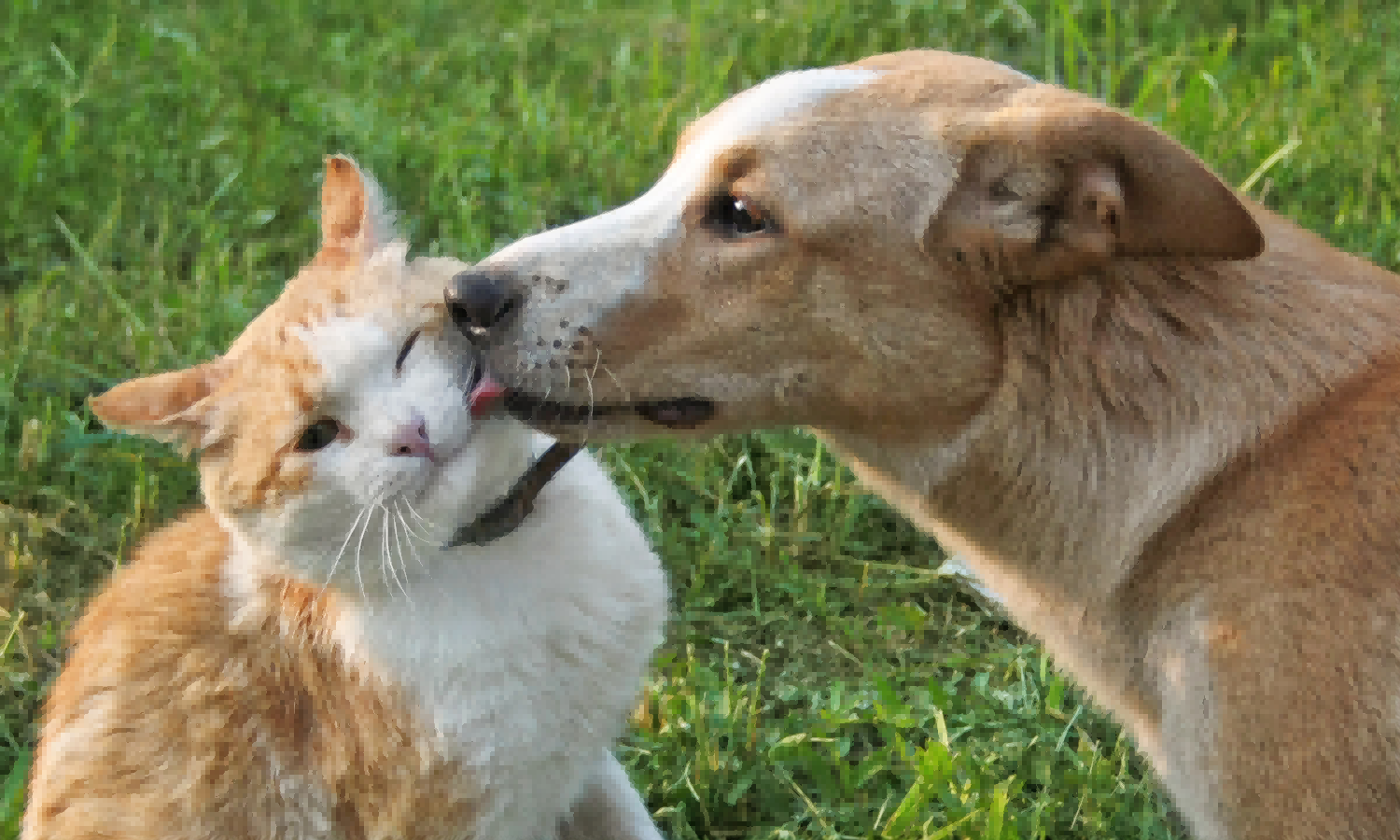
For cat food, palatability is especially challenging. Cats are natural carnivores with selective taste preferences, which makes cat food flavor enhancers crucial for consistent feed intake.
2. The Role of Flavor Enhancers in Kibble Production
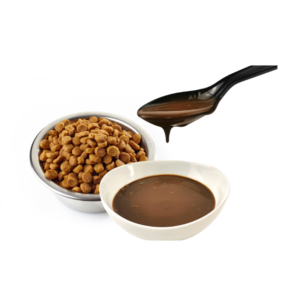
In dry food production, flavoring happens primarily at the post-extrusion coating stage. Once kibble is cooked, dried, and cooled, a flavor enhancer — often called a palatant — is sprayed or mixed onto the surface.
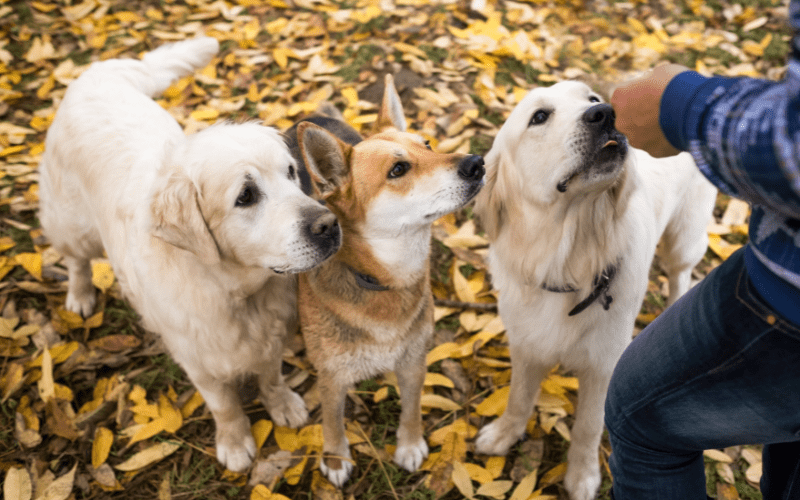
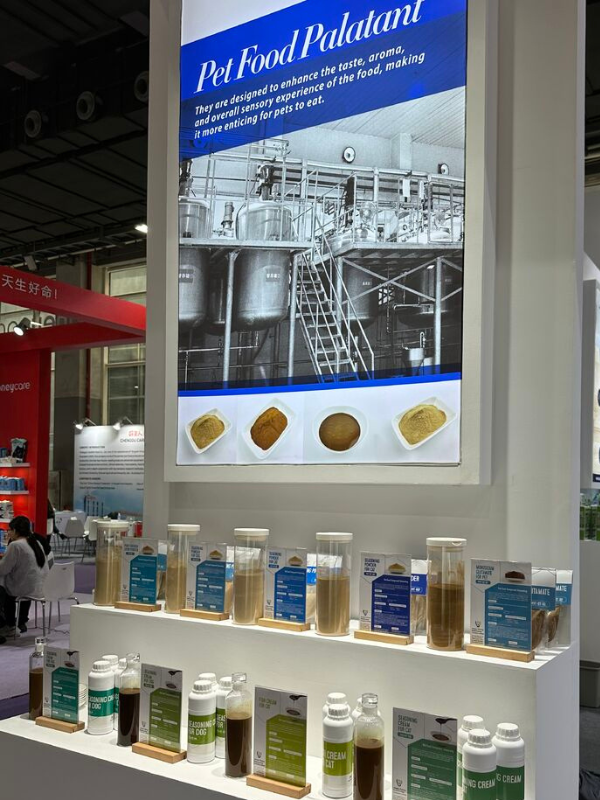
A pet food flavor enhancer can come in various forms:
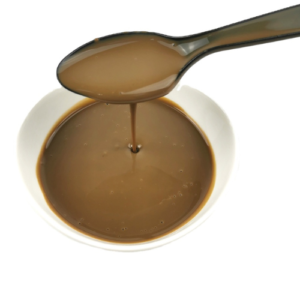
- Liquid palatants: Ideal for surface coating, offering rich aroma and flavor release.
- Dry palatants: Suitable for mixing directly into the kibble formula or coating dry batches.
- Combination systems: Using both liquid and dry palatants for layered palatability.
The goal is to create a consistent and appealing flavor profile that survives extrusion and storage while maintaining freshness.
3. Common Ingredients Used in Dry Food Flavoring
A professional pet food flavor enhancer supplier typically blends natural and functional ingredients that enhance both flavor and nutritional value.
Typical components include:
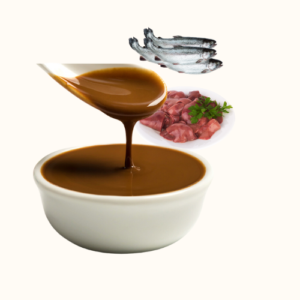
- Hydrolyzed animal proteins: Derived from chicken, fish, liver, or other meat sources, providing strong aroma and umami taste.
- Yeast extracts: Offer savory, meaty notes and natural nucleotides that boost appetite.
- Animal fats or oils: Improve mouthfeel, aroma, and overall palatability.
- Amino acids (e.g., taurine, lysine): Essential for flavor balance and nutritional enrichment.
- Natural flavor compounds: To mimic roast, grilled, or fresh-meat sensations.
For cat food palatability, hydrolyzed liver powder and yeast extract are particularly effective, while dog feed additives often rely on fat-coated flavor systems that trigger eating enthusiasm.

4. How Palatability Enhancers Improve Feed Acceptance
Adding a palatability enhancer for pet food is not just about taste—it impacts brand loyalty and feeding consistency.
Key benefits include:
- Higher feed intake: Encourages picky eaters to consume complete portions.
- Better transition rates: Helps pets adapt to new diets or reformulated recipes.
- Reduced waste: Improves acceptance, leading to less uneaten food.
- Enhanced aroma profile: Makes pet food more appealing to owners and pets alike.
Well-formulated flavor systems also ensure stability during storage and compatibility with extrusion processes, making them essential for large-scale pet food factories.
5. Choosing the Right Palatability Enhancer Supplier
Partnering with the right palatability enhancer supplier ensures consistent quality and performance across production batches. When sourcing from a pet food ingredient wholesaler, consider these factors:
✅ Technical support: Suppliers who offer formulation advice and testing can help optimize your recipe.
✅ Ingredient traceability: Ensure materials meet global safety and sustainability standards.
✅ Customization: Look for suppliers who can tailor flavor profiles for cats vs. dogs.
✅ Certification: Compliance with standards like FSSC 22000, BRC, or ISO ensures reliability.
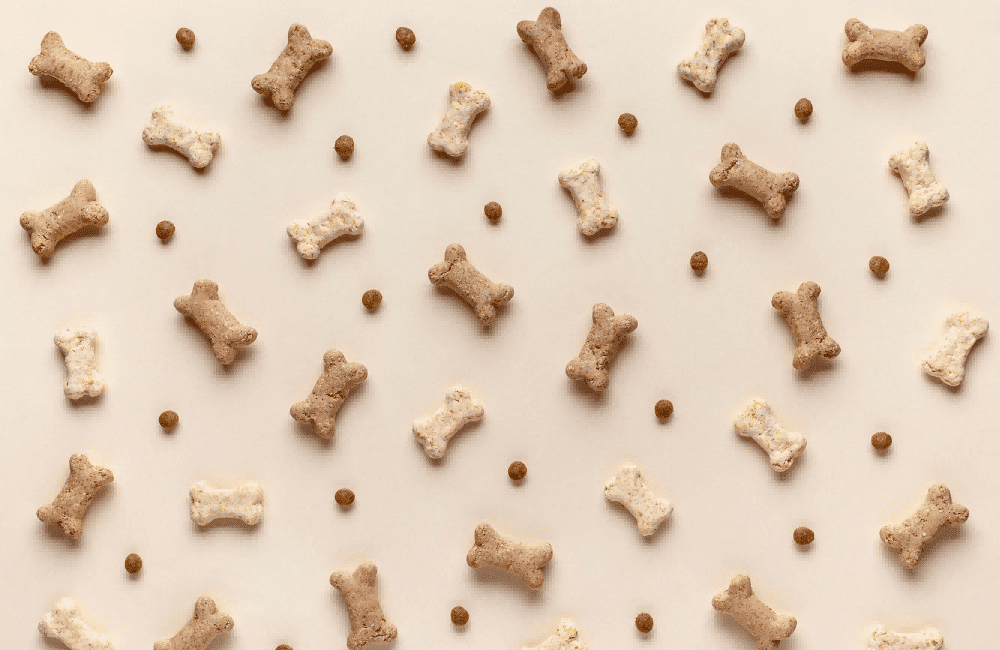
Working with a professional pet food palatant manufacturer helps you enhance product appeal while maintaining production efficiency and nutritional balance.
6. Future Trends in Kibble Flavoring
The pet food industry is shifting toward natural and sustainable palatants — mirroring the clean-label movement in human food.
Emerging trends include:
- Plant-based protein palatants: Sustainable and hypoallergenic options.
- Functional flavor systems: Combining taste enhancement with digestive or immune health benefits.
- Customized aroma profiles: Tailored to specific pet preferences by breed, region, or diet type.
Forward-thinking pet food factories are already integrating these innovations into their kibble lines to differentiate in global markets.
Conclusion: The Flavor Factor Behind Successful Kibble
Behind every bag of kibble that pets love is a carefully designed palatability system. From hydrolyzed proteins to natural yeasts, the science of flavoring is both art and innovation — and it plays a decisive role in product success.
For manufacturers and suppliers aiming to elevate their kibble formulas, partnering with a trusted palatability enhancer supplier is key to standing out in a crowded market.
At profypet.com, we specialize in pet food palatants, flavor enhancers, and feed additives designed for professional use — helping pet food factories create dry food that’s as nutritious as it is irresistible.