A Guide for Pet Food Manufacturers and Palatant Buyers
As pet food trends evolve and consumer expectations rise, one concern remains timeless for manufacturers: how to make kibble more palatable—especially for picky eaters like cats and small dogs. No matter how nutritious your formula is, if pets refuse to eat it, your brand’s performance in the market can suffer. This is where cat food flavor enhancers, pet food palatability enhancers, and expert feed additives suppliers become essential partners in your R&D and production process.
In this article, we’ll dive deep into the science and strategy behind improving kibble palatability, the critical role of pet food palatants, and how to source effective solutions from reliable palatability enhancer suppliers. Whether you’re a pet food manufacturer, private label brand, or wholesaler, this guide is tailored to help you understand the ingredients, processes, and partnerships that lead to tastier, more desirable kibble.
Why Palatability Matters in Pet Food
Palatability refers to how appealing a food is in terms of taste, smell, and texture. For pet food, it influences:
First-time acceptance: Will the pet try it?
Long-term preference: Will they keep eating it?
Feeding consistency: Will they consume enough daily?
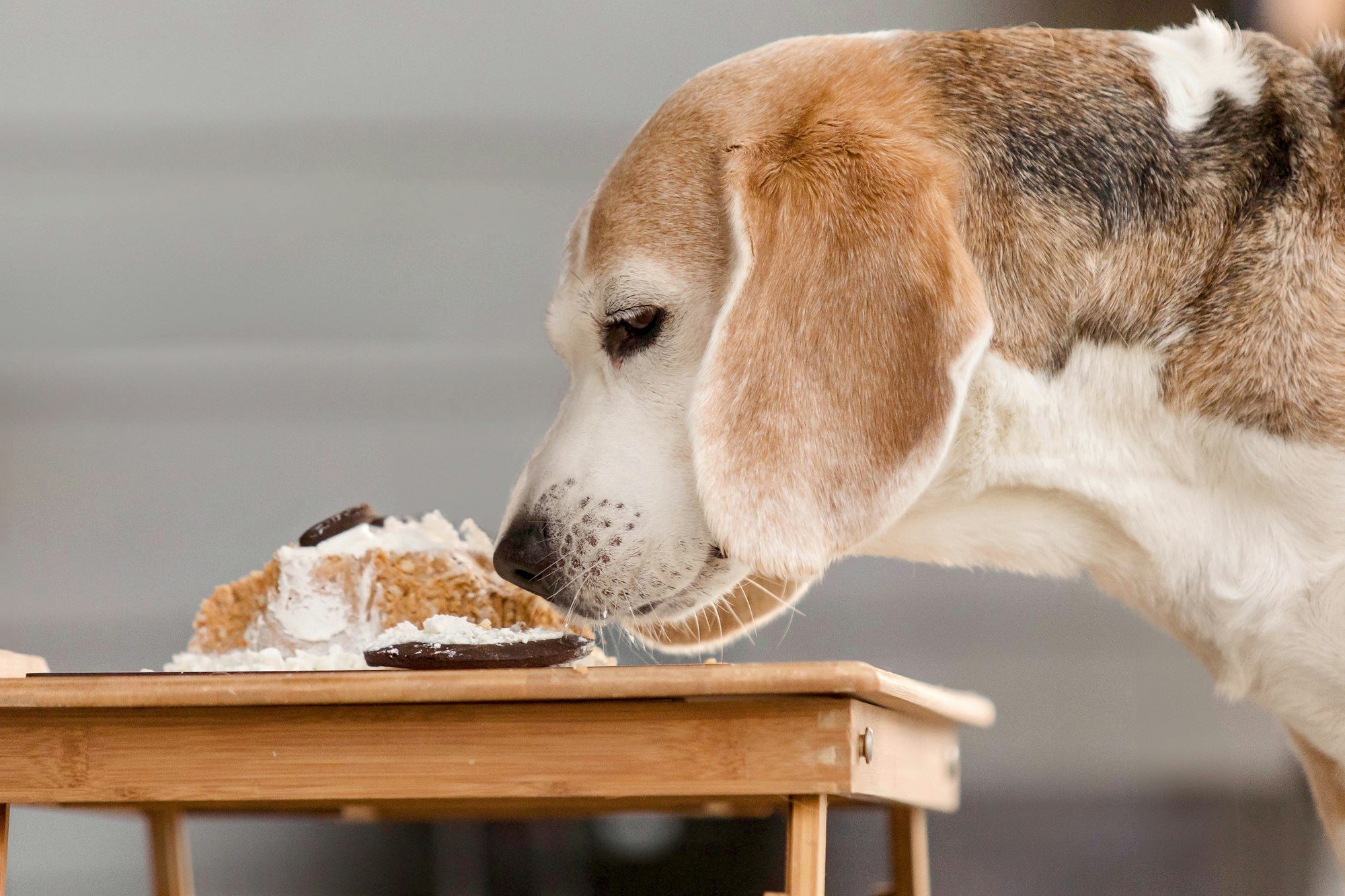
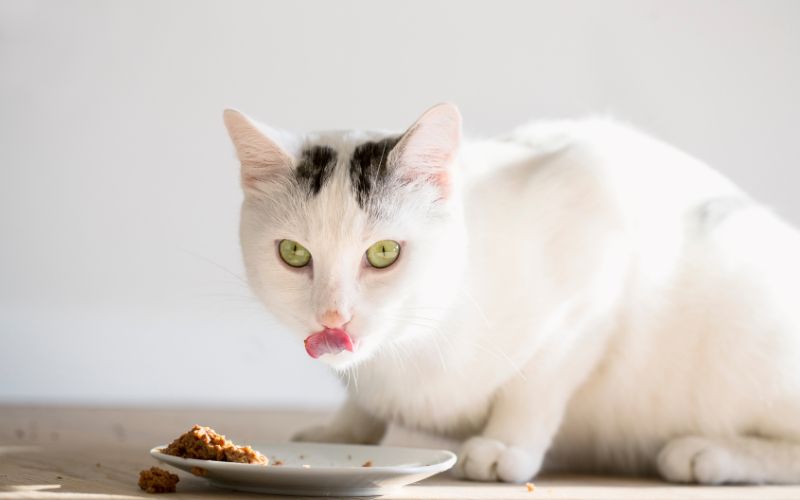
Cats are notoriously picky, often rejecting new formulas or unfamiliar smells. Dogs may be less selective, but texture, fat content, and aroma can still significantly affect their food preferences. For manufacturers, improving palatability directly impacts product reputation, customer reviews, repeat sales, and ultimately brand loyalty.
What Makes Kibble More Palatable?
Improving kibble palatability isn’t about masking poor quality—it’s about enhancing what’s already good. Here’s how professionals in the industry approach it:
1. Use High-Quality Pet Food Ingredients
Kibble starts with its core ingredients. Ingredient quality significantly affects palatability:
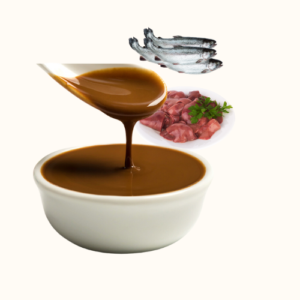
Animal proteins: Chicken, turkey, beef, lamb, and fish are commonly favored by pets. Hydrolyzed proteins (e.g., hydrolyzed chicken liver) provide rich umami flavor while reducing allergenic risks.
Fats: Animal fats and fish oils contribute heavily to aroma and taste, acting as natural palatants.
Natural flavorings: Broths, yeasts, and fermented ingredients can elevate flavor profiles naturally.
✅ Tip: Choose protein and fat sources known for both nutrition and flavor compatibility with cats or dogs.
2. Incorporate Flavor Enhancers for Cats and Dogs
Flavor enhancers are concentrated additives designed to increase the aroma, taste, and mouthfeel of pet food. They’re essential tools in the formulator’s kit, especially for cats, who rely heavily on scent.
For Cats:
Cat food flavor enhancers often include liver hydrolysates, fish extracts, yeast derivatives, and even animal digest.
Enzymatically treated proteins are highly palatable to cats and improve scent and texture.
For Dogs:
Dogs respond well to meaty aromas and savory umami flavors. Flavor enhancers containing poultry digest, beef liver powder, and yeast extracts work well.
🔍 Look for pet food flavor enhancer suppliers that offer customizable palatants depending on species, protein source, and regional taste preferences.
3. Apply Surface Coating with Palatants
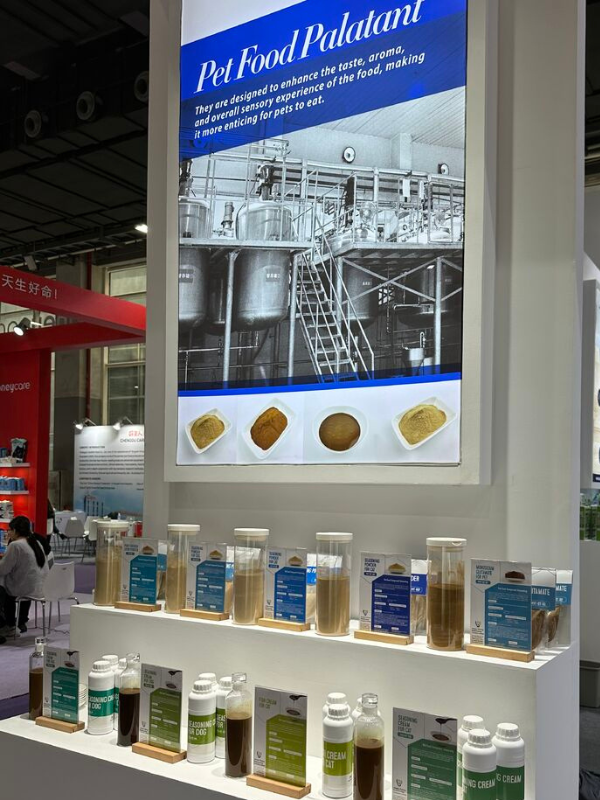
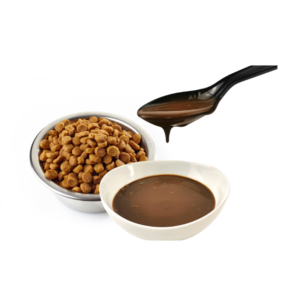
One of the most effective ways to enhance kibble palatability is through post-extrusion coating. After kibble is cooked and dried, it can be sprayed or tumbled with liquid or powdered palatants.
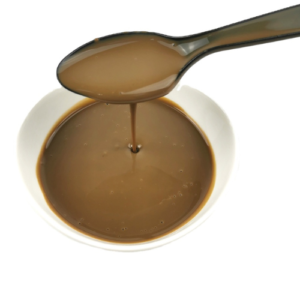
Liquid palatants: Often oil-based, these enhance aroma and flavor intensity.
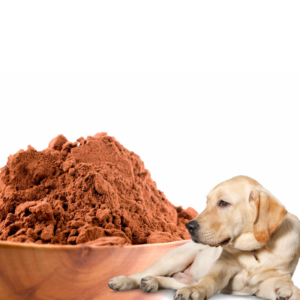
Powder palatants: Can be blended with fats or used as dry toppings for enhanced taste.
This step ensures that the final product delivers strong flavor cues to pets at feeding time.
4. Use Functional Feed Additives
Besides flavor, other feed additives contribute to overall food experience and health, including:
Digestive enzymes: Improve nutrient absorption and digestive comfort.
Probiotics and prebiotics: Support gut health, which can influence appetite and food preferences.
Natural antioxidants: Preserve freshness and enhance flavor stability.
When taste, nutrition, and digestion work together, pets are more likely to enjoy and benefit from their food.
Sourcing Palatability Enhancers: What to Look For
If you’re a pet food factory or OEM/ODM brand, your supplier relationships are critical. Here’s what to prioritize when sourcing palatability enhancer suppliers:
✅ Species-specific expertise: Cats and dogs have different flavor preferences and nutritional needs.
✅ Ingredient transparency: Ensure traceability and regulatory compliance of all palatant ingredients.
✅ Custom solutions: Work with suppliers that offer custom palatant blends for your formula or flavor target.
✅ Testing and R&D support: Suppliers who offer palatability trial support (like 2-bowl tests or preference ratios) provide added value.
📍 At ProfyPet, we specialize in high-quality palatants and flavor enhancers for both cats and dogs, tailored for manufacturers across global markets.
Real-World Formulation Tips
Here are some field-proven tips to make kibble more appealing:
Dual-coating strategy: Combine fat coating with palatant spraying for maximum impact.
Split protein blends: Mix animal proteins for more complex flavor notes.
Focus on aroma: Especially critical for feline products.
Test your batch: Small-batch testing with cats and dogs gives early insights before large-scale production.
Future Trends in Pet Food Palatability
As pet ownership becomes more humanized, expect to see:
Natural and clean-label palatants growing in demand.
Functional flavor enhancers that combine taste with health (e.g., liver palatants enriched with omega-3s).
Region-specific flavor preferences (e.g., seafood-heavy in Asia, poultry-dominant in North America).
Customized palatants for breed-specific or age-specific formulations.
Conclusion: Palatability is Not a Luxury—It’s a Necessity
In today’s competitive pet food market, improving kibble palatability is no longer optional. Whether you’re developing a premium formula or repositioning an existing one, incorporating the right cat food flavor enhancers, feed additives, and palatability enhancers is key to product success.
By partnering with an experienced pet food palatant supplier like ProfyPet, you gain access not only to top-quality ingredients, but also to strategic support that enhances your brand’s reputation and market performance.