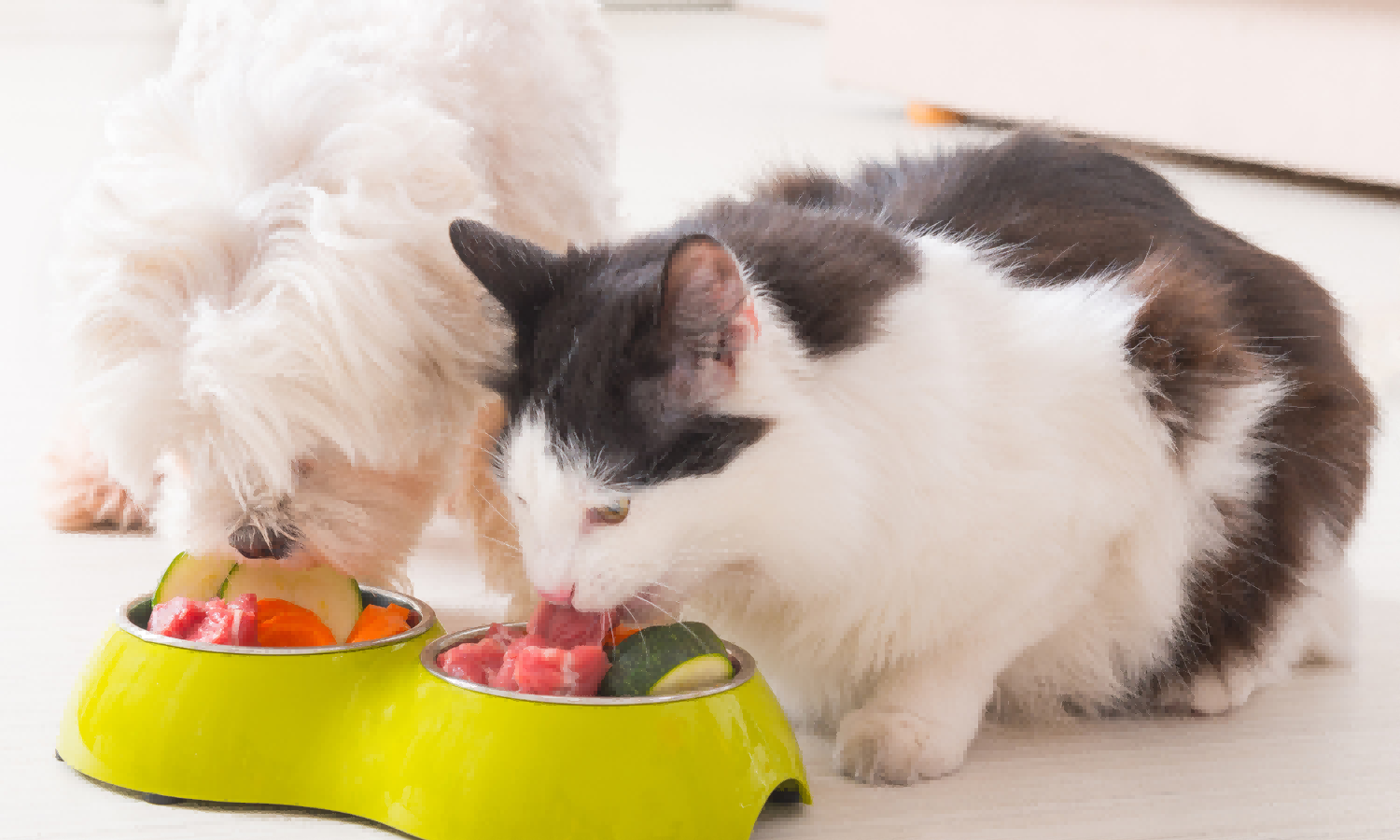
Hydrolyzed Chicken Liver Palatant for Cats
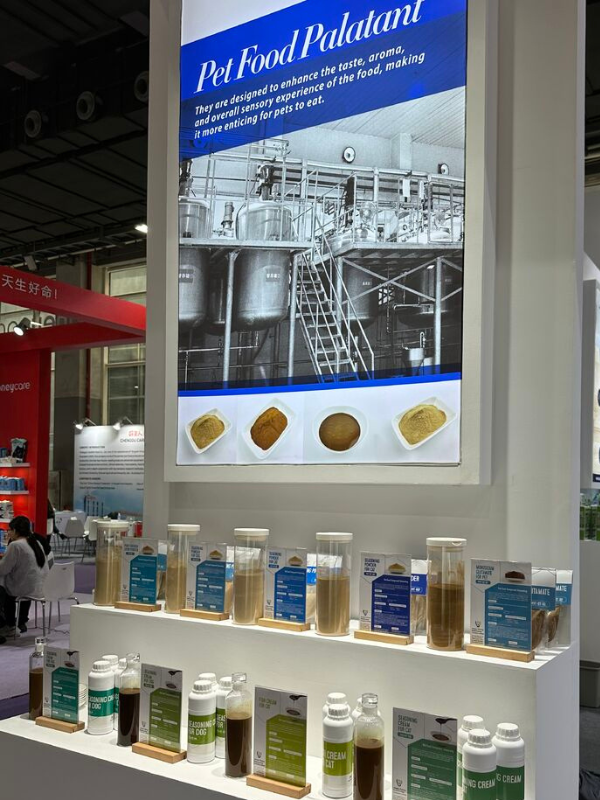
Hydrolyzed chicken liver palatant has become one of the most trusted ingredients in modern cat food formulation. For pet food manufacturers, pet food palatant wholesalers, and factories looking to improve acceptance rates and product competitiveness, this specialized ingredient is an essential tool. Cats rely heavily on aroma and flavor when choosing their food, so a high-quality palatant can dramatically improve feeding consistency and customer satisfaction.
Below is an in-depth guide covering how hydrolyzed chicken liver palatants work, why they are valuable, and how they fit into pet food production.
What Is Hydrolyzed Chicken Liver Palatant?
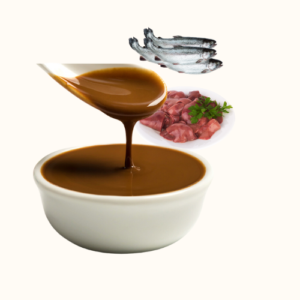
Hydrolyzed chicken liver palatant is produced by enzymatically breaking down fresh chicken liver into smaller peptides and free amino acids. This controlled hydrolysis process releases natural meaty aromas and enhances digestibility, making the ingredient highly attractive to cats.
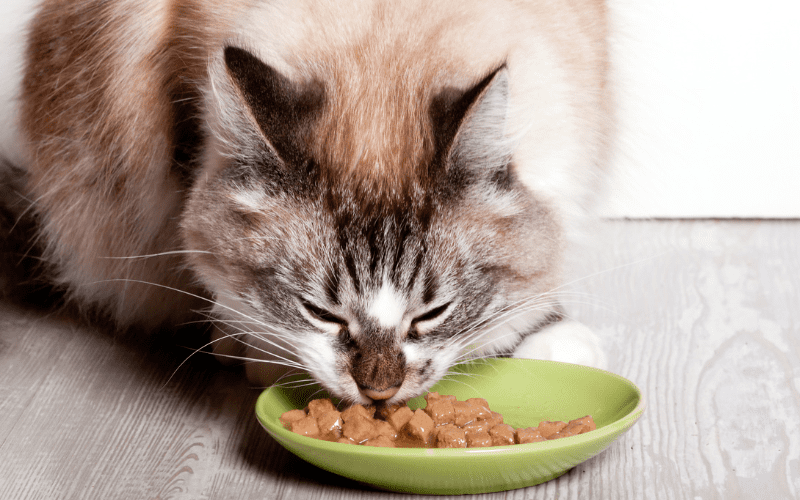
Unlike simple liver powder, hydrolyzed liver offers:
- Stronger aroma release during feeding
- Higher absorption and utilization
- Better stability for various cat food formats
- More consistent palatability improvement
Because of its natural origin and high nutritional value, it is widely used as a cat food flavor enhancer, pet food palatability enhancer, and functional feed additive.
Why Palatability Matters in Cat Food
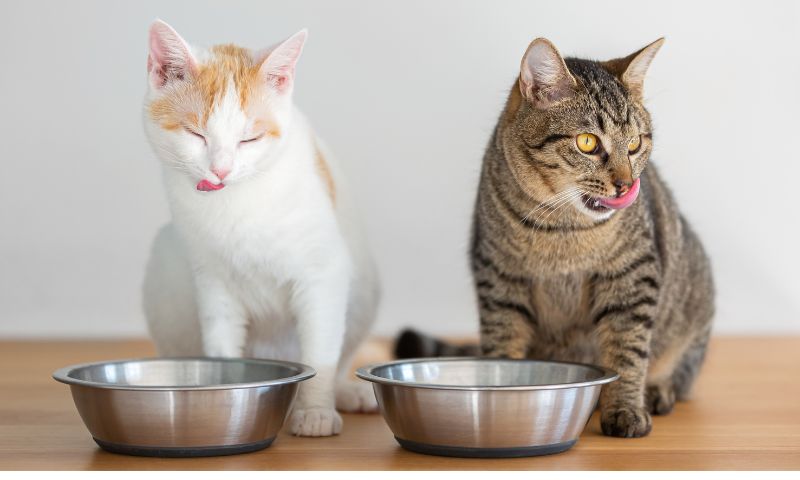
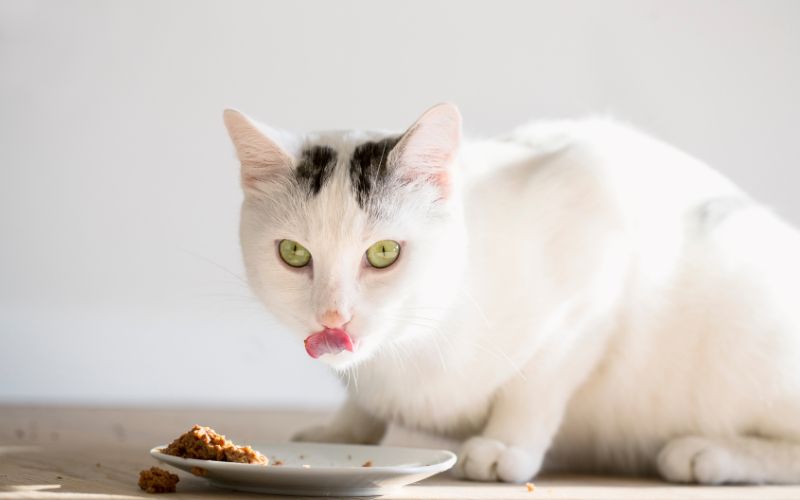
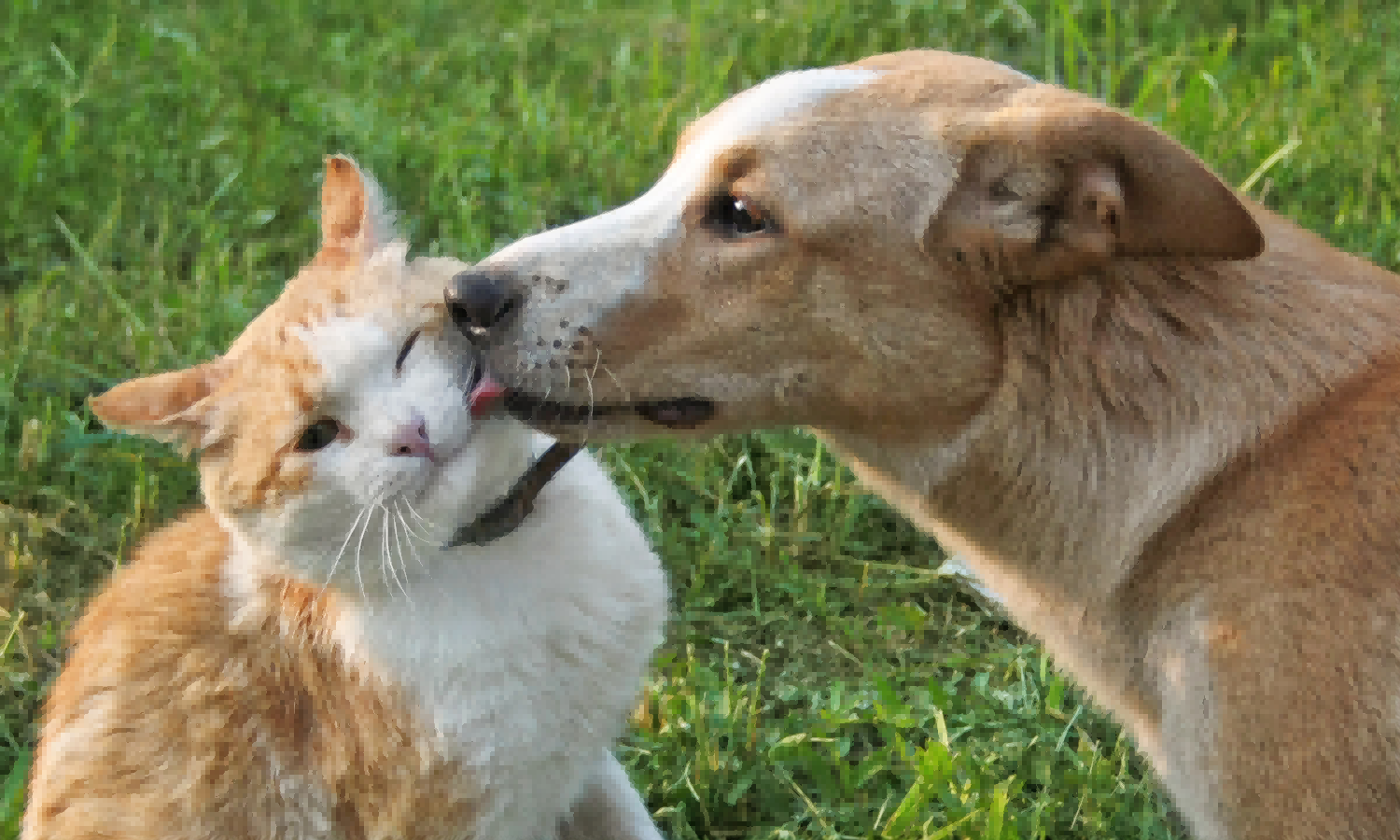
Cats are more sensitive to taste and smell than dogs, which means palatability plays a central role in their daily nutrition.
Key reasons palatability is critical in cat food:
- Improved feeding acceptance – Reduces food refusal and increases satisfaction.
- Higher nutrient intake – Essential for picky or aging cats with weak appetite.
- Brand competitiveness – Better palatability results in higher customer retention.
- Support for functional diets – Weight control, urinary care, hypoallergenic formulas often need enhanced flavor due to stricter ingredient constraints.
For manufacturers, choosing the right palatability enhancer directly influences product performance—especially in premium, therapeutic, and export-grade formulas.
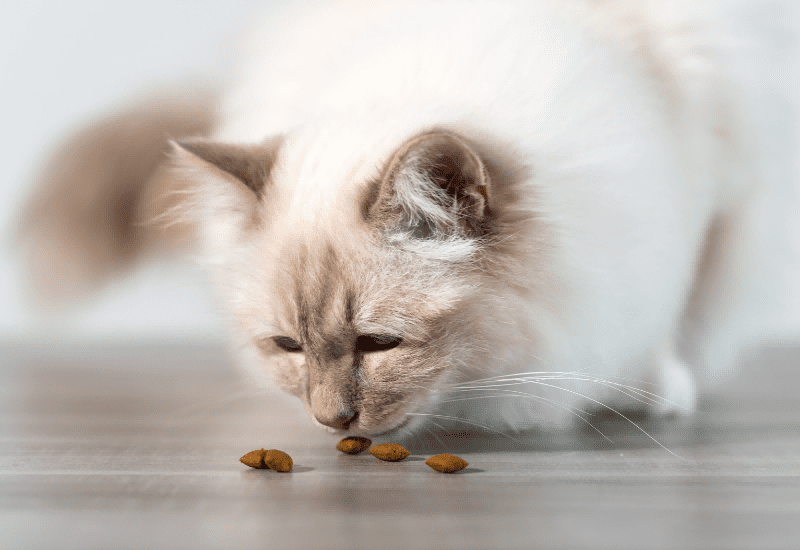
How Hydrolyzed Chicken Liver Improves Cat Food Palatability
1. Strong Meaty Aroma
Hydrolysis increases the release of volatile compounds, giving the product a natural cooked-meat smell that cats find highly attractive.
2. High Levels of Free Amino Acids
Compounds like glutamate, alanine, and glycine contribute to umami, sweetness, and overall flavor complexity.
3. Better Digestibility
Cats absorb hydrolyzed proteins more efficiently, supporting gastrointestinal comfort and reducing digestion-related refusal.
4. Enhanced Coating Performance
In dry kibble production, hydrolyzed liver binds well during the fat-coating step, improving uniformity and aroma retention.
5. Compatibility Across Product Types
Suitable for:
- Dry kibble
- Wet canned food
- Semi-moist treats
- Liquid appetizing boosters
- Veterinary or functional diets
This flexibility makes it a valuable pet food ingredient for both mainstream and high-end production.
Applications in Cat Food Manufacturing
Dry Cat Food (Kibble)
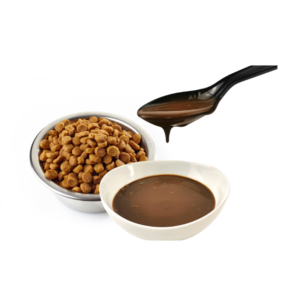
Hydrolyzed chicken liver palatant is typically sprayed or mixed with fats during the coating stage. This creates a highly appealing exterior layer that boosts aroma release as soon as the bag is opened.
Wet and Canned Cat Food
In wet formulas, the palatant intensifies the natural meaty notes and improves protein digestibility. It also enhances flavor uniformity across batches.
Cat Treats & Functional Snacks
Perfect for:
- Training treats
- Freeze-dried meat treats
- Soft-chew functional snacks
The ingredient helps manufacturers deliver consistent bite-acceptance while maintaining nutritional positioning.
Veterinary or Prescription Diets
When formulas must exclude certain proteins or reduce fat, hydrolyzed chicken liver palatant can help maintain the taste profile without compromising dietary requirements.
Hydrolyzed Chicken Liver as a Pet Food Ingredient and Feed Additive
In professional production, hydrolyzed liver is classified as:
- Palatability enhancer
- Natural flavoring agent
- Functional protein source
- Feed additive for both cats and dogs
While this article focuses on cats, it is also widely used in feed additives for dogs, especially in high-value dry food and treats.
Manufacturers benefit from:
- Clean-label formulation options
- High inclusion flexibility (0.5%–5% depending on product type)
- Strong synergy with fats, yeast extracts, and fish palatants
- Adaptability to OEM/ODM product development
Choosing a Reliable Palatability Enhancer Supplier
For pet food factories and wholesalers, choosing a trustworthy palatant supplier ensures stable quality, safety compliance, and cost-effective production.
A professional palatant supplier should provide:
- Strict raw material inspection and traceability
- Advanced enzymatic hydrolysis technology
- Consistent aroma and sensory performance
- Compliance with export country standards
- Third-party testing for microbiology, heavy metals, and contaminants
- Flexible OEM/ODM solutions based on formula needs
Hydrolyzed chicken liver palatant is often customized depending on the target market, product format, and desired aroma intensity.
Why Manufacturers Prefer Hydrolyzed Chicken Liver Palatants
- Supports premium positioning in cat food
- Boosts long-term product acceptance
- Enhances texture and flavor complexity
- Improves performance of functional or low-allergen diets
- Helps brands win repeat customers and reduce return rates
In a highly competitive pet food market, reliable palatability is not optional—it is a critical factor determining retail success.
Final Thoughts
Hydrolyzed chicken liver palatant remains one of the most effective ingredients for improving cat food palatability. Whether you’re producing dry kibble, wet canned food, semi-moist treats, or high-value veterinary formulas, this palatant offers a powerful balance of nutrition, aroma, and flavor.
For pet food manufacturers, palatant wholesalers, and pet food factories aiming to enhance their formulations, choosing a consistent, high-quality palatability enhancer supplier is essential. With the right partner and raw materials, brands can achieve superior feeding satisfaction, stronger market performance, and long-term customer trust.
If you need product development support, ingredient optimization, or customized palatant solutions, feel free to reach out.