
Ingredient Trends in Pet Food Palatants
The pet food palatants sector is entering a decade defined by advanced ingredient innovation, rising regulatory expectations, and a new generation of pet owners who demand natural, safe, and highly palatable diets for cats and dogs. From 2025 to 2035, global manufacturers, formulators, and wholesalers will see strong, sustained growth in palatability enhancers—powered by new raw material technologies, fermentation-based flavor systems, and functional feed additives.
For pet food manufacturers, pet food factories, and palatant wholesalers, understanding what drives palatability—and which ingredients will dominate the next decade—is essential. Below is a clear and authoritative overview of where the market is heading and how ingredient selection is evolving.
1. Market Outlook 2025–2035: Growth Drivers and Demand Shifts
1.1 Palatability Becomes a Core Value Proposition
Over the next ten years, palatability will no longer be treated as a “final step” in formulation. Instead, it becomes a strategic differentiator for both cat and dog food brands.
Key drivers include:
- Premiumization of wet and dry food
- Human-grade ingredient positioning
- Increased competition in private-label and OEM formats
- Rapid expansion in e-commerce pet nutrition
1.2 Cats Drive the Most Rapid Growth
Cats have higher sensory selectivity, and the demand for cat food palatability enhancers is projected to grow faster than the dog segment. Fermented seafood notes, hydrolyzed proteins, and natural aroma boosters will dominate.
1.3 Regulatory & Safety Compliance Tighten
Manufacturers and B2B suppliers face rising expectations for ingredient traceability, residue testing, sustainability claims, and veterinary-safe additive usage. This pushes suppliers to adopt higher standards in raw materials, processing, and third-party validation.
2. Ingredient Innovation: What Will Shape Pet Food Palatants (2025–2035)
2.1 Hydrolyzed Protein Bases
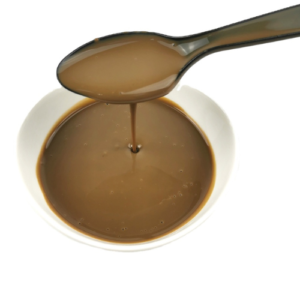
Hydrolyzed proteins remain the backbone of palatant systems due to their digestibility, aroma release, and amino-rich profile. Common sources include poultry, fish, pork, and plant hydrolysates. They enhance both aroma volatility and umami, strengthening first-bite acceptance.
2.2 Cat Food Flavor Enhancer Ingredients
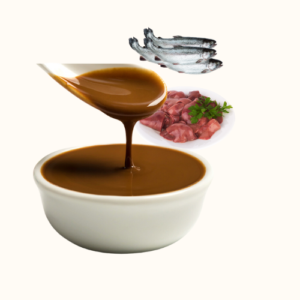
Cats respond well to tuna extract, salmon peptides, yeast extract, amino acid blends, and fermented fish sauces designed for pet food. These make up the majority of cat food flavor enhancer formulas for species-specific taste accuracy.
2.3 Natural Fermentation-Based Aroma Systems
Fermentation will become a core technology for creating deep, authentic aromatic profiles in palatants. Applications include kombu-style fermented marine notes, meat fermentation for dog food, and enzymatic bone fermentation for broth-like flavors. Benefits include stronger aroma lift, better heat stability, and clean-label positioning.

2.4 Functional Pet Food Ingredients
Palatants increasingly integrate functional components that support wellness claims, such as:
- Postbiotic yeast
- Omega-rich oils
- Prebiotic fibers
- Antioxidant blends
2.5 Feed Additives for Dogs (2025–2035 Trends)
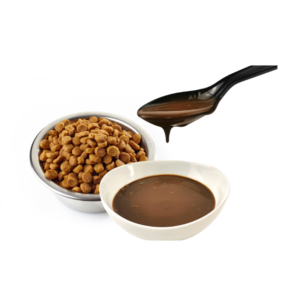
Dog formulations will lean on roasted/grilled reaction flavors, broth concentrates, plant-based reaction enhancers, natural smoke flavors, and fat-based palatants to increase acceptance in kibble and treats.
3. Palatability Enhancers: What Buyers Should Prioritize
3.1 Core Requirements
A modern palatability enhancer must deliver:
- High aroma release
- Fast first-bite acceptance
- Repeat-bite engagement
- Traceable raw materials
- Species-specific sensory accuracy
- Compliance with AAFCO, EU, FDA, etc.
3.2 Species-Specific Customization
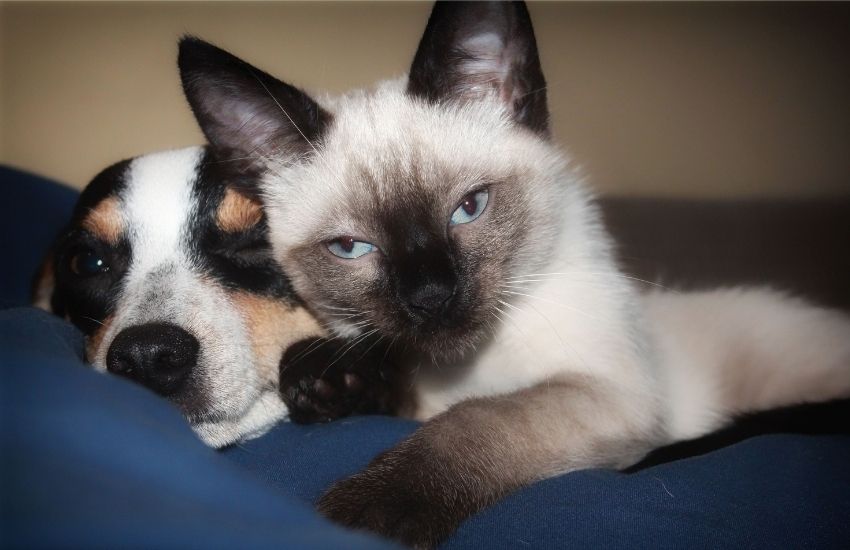
Cats prefer high-protein, marine, and sulfur-rich notes, while dogs respond strongly to roasted meat, fats, and reaction flavors.
3.3 Heat Stability
Wet foods, especially retorted formats, require palatants that retain aroma after 115–121°C sterilization and resist oxidation.
4. Supply Chain Outlook 2025–2035
4.1 Sustainability & Alternative Proteins
Expect higher demand for insect protein hydrolysates, fermented microbial proteins, and upcycled meat/marine side-stream materials. Buyers increasingly request sustainability declarations.
4.2 Global Sourcing Challenges
The decade ahead will require stronger quality control, residue testing, heavy metal monitoring, and cross-border compliance. Reliable palatant suppliers will emphasize multi-stage testing and traceable sourcing.
5. Choosing a Palatability Enhancer Supplier
5.1 Technical Expertise
Strong suppliers must demonstrate capabilities in reaction flavor technology, hydrolysis, fermentation, and coating optimization.
5.2 Certifications & Compliance
Top suppliers will maintain certifications such as BRC, IFS, FSSC22000, HACCP and partner with third-party labs (SGS, Intertek).
5.3 OEM/ODM Capabilities
B2B buyers require customization, including tailored aromas, private-label palatants, customized inclusion rates, and support for diverse food formats.
5.4 Stability & Performance Testing
Look for suppliers who provide palatability panel trials, aroma stability tests, oxidation curves, and shelf-life validation.
6. Forecast Summary: 2025–2035
The decade will be defined by:
- Strong growth in cat palatability enhancers
- Demand for natural, clean-label ingredients
- Rise of fermentation and hydrolysis technologies
- Increased popularity of functional palatants
- Rapid expansion of OEM/ODM palatant solutions
- Stricter regulatory and testing requirements
Conclusion
From 2025 to 2035, the pet food palatants market will be reshaped by technology, consumer expectations, and ingredient innovation. For pet food manufacturers, palatant wholesalers, and pet food factories, staying ahead of these ingredient trends—and partnering with technically capable suppliers—will be the key to creating products that deliver consistently high palatability and market competitiveness.