Liquid Chicken Liver Hydrolysate
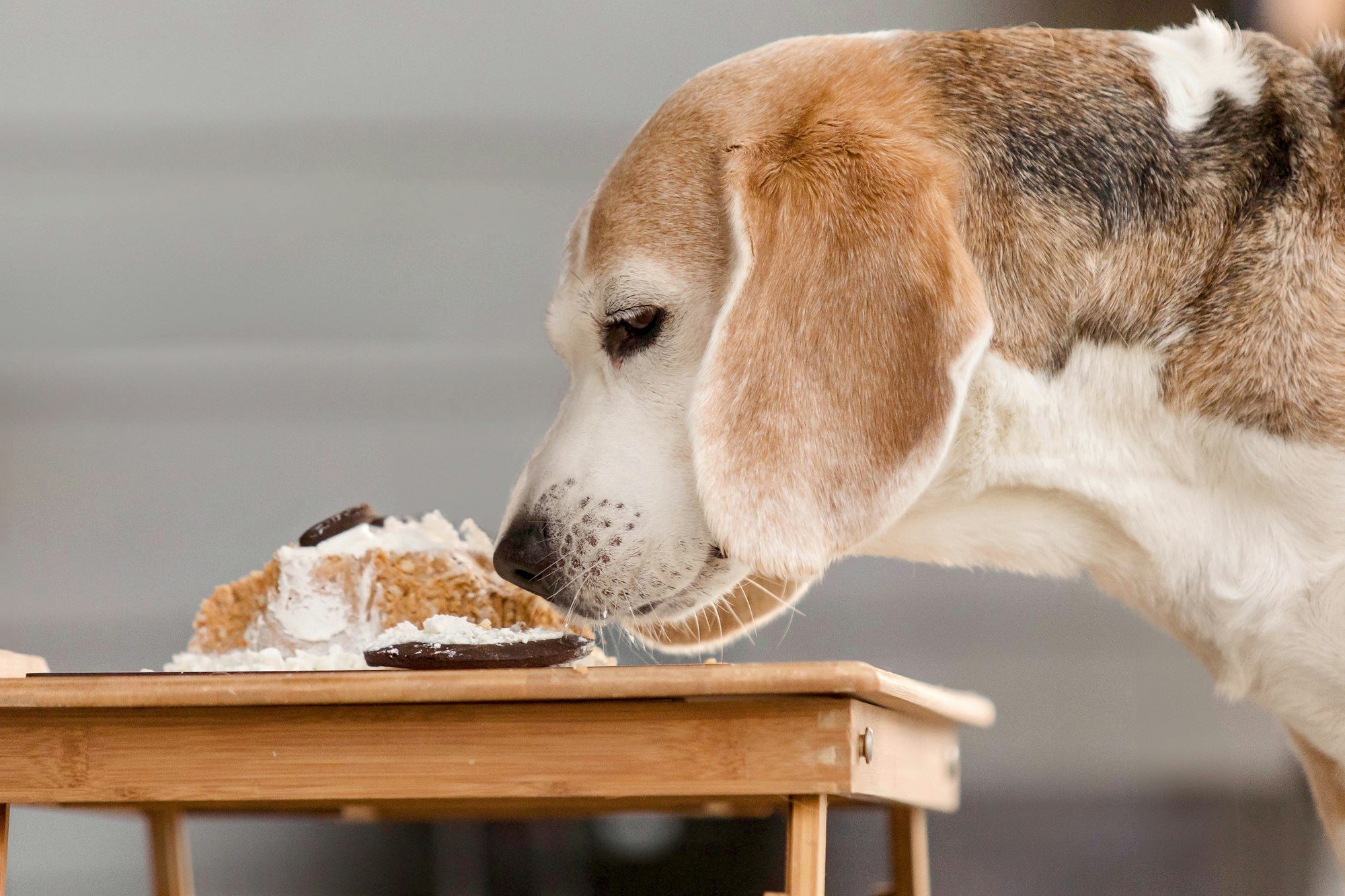
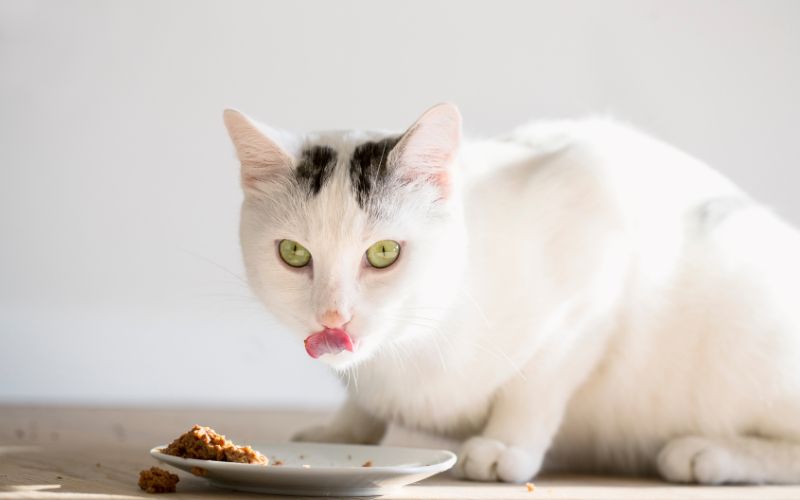
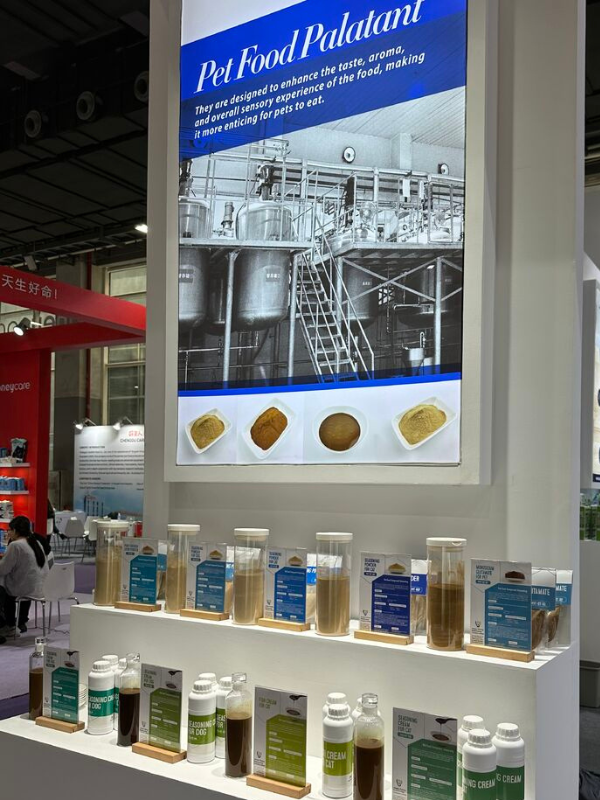
For pet food manufacturers and formulators, palatability is no longer optional—it is a key driver of product success. As brands compete in a market where pets are more selective and owners are more informed, liquid chicken liver hydrolysate has become one of the most effective and trusted solutions for achieving consistent, high-level palatability.
Below is an in-depth, professional look at what liquid chicken liver hydrolysate is, how it works, and why pet food factories, private-label brands, and palatant wholesalers increasingly rely on it for product excellence.
What Is Liquid Chicken Liver Hydrolysate?
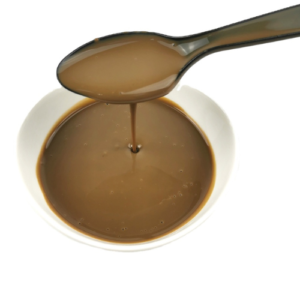
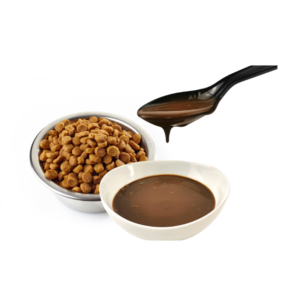
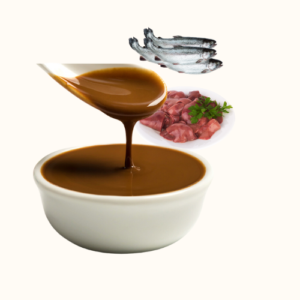
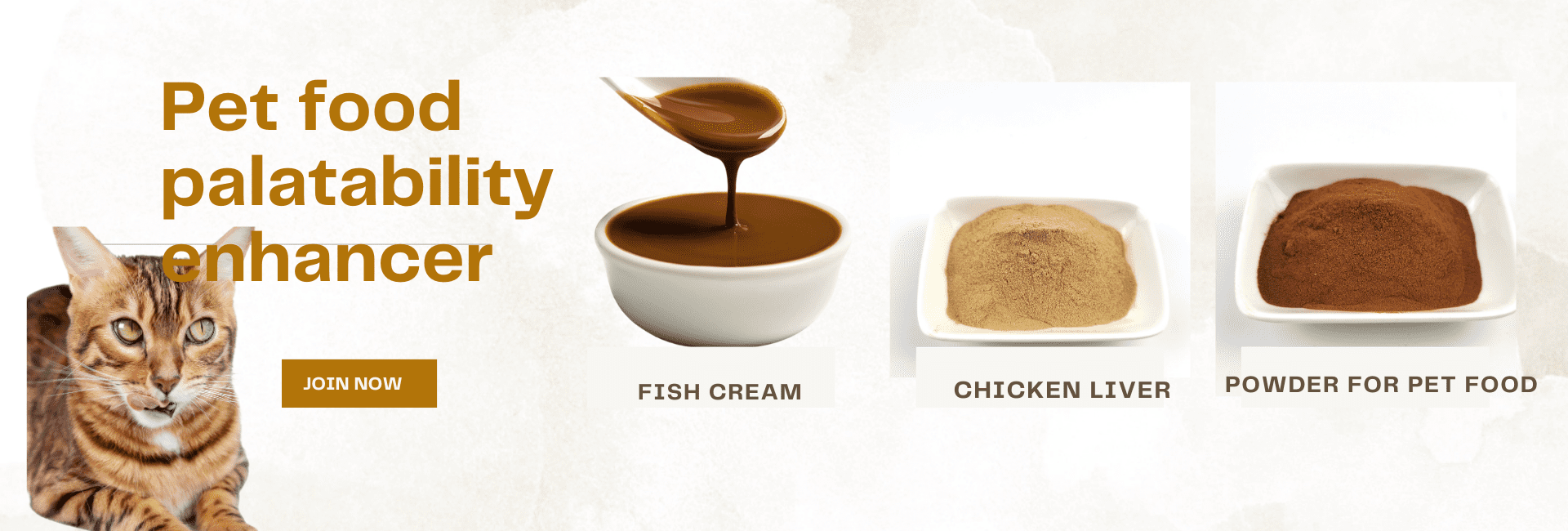
Liquid chicken liver hydrolysate is a concentrated chicken liver extract produced through targeted enzymatic hydrolysis. In practice, this means chicken liver is broken down into smaller peptides, free amino acids, and flavorful compounds using controlled, food-grade enzymes.
Key characteristics include:
- Strong, natural chicken aroma
- Rich umami profile that appeals to both cats and dogs
- High levels of amino acids and low molecular weight peptides
- Excellent digestibility and absorption
- Consistent quality across batches
Because it is standardized and stabilized, it serves as a more reliable and easier-to-use ingredient than raw liver or mechanically processed liver products.
Why Pet Food Manufacturers Prefer Liquid Chicken Liver Hydrolysate
1. Significant Palatability Improvement
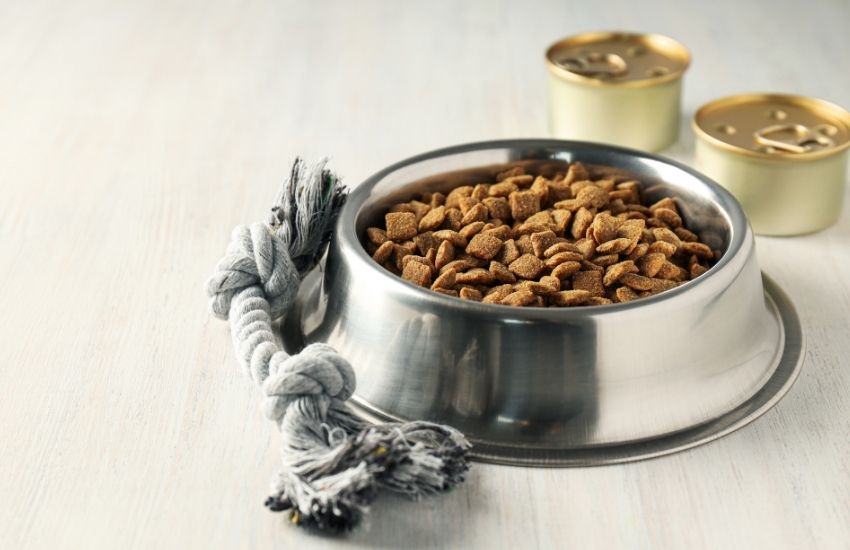
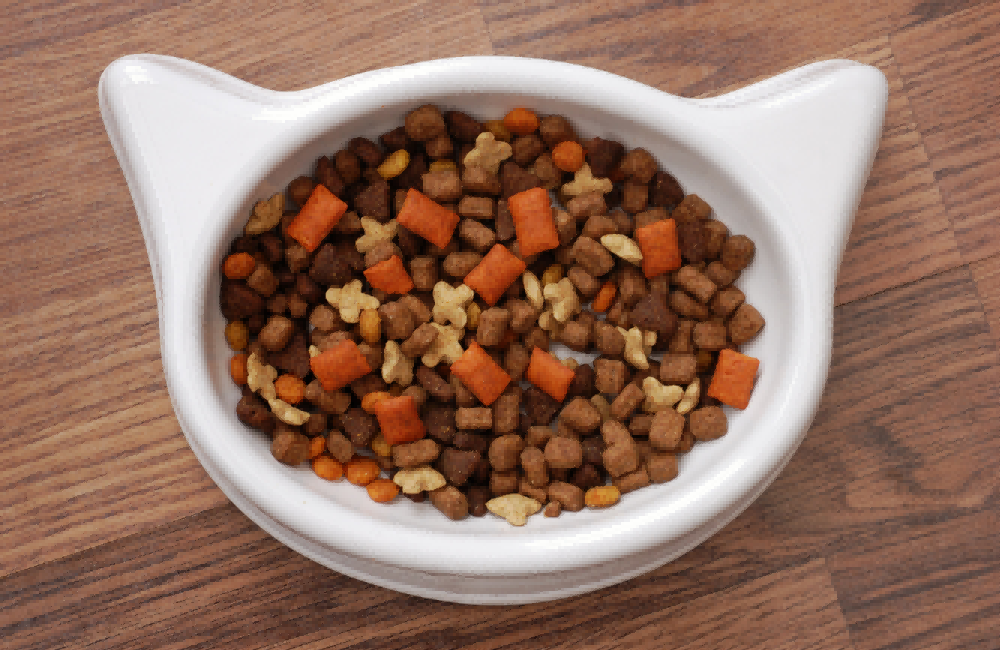
Hydrolysates deliver immediate sensory impact. The enzymatic breakdown releases volatile flavor compounds and natural peptides that stimulate a pet’s appetite. In both wet and dry applications, this often leads to improved acceptance and repeat feeding behavior.
2. Highly Digestible Protein Source
Smaller peptides and free amino acids are absorbed more efficiently than intact protein. This helps manufacturers support high-quality nutrition claims and contributes to digestive comfort for sensitive pets.
3. Consistency and Standardization
Unlike raw liver, which fluctuates in flavor intensity and composition, hydrolysate offers uniform product quality. This consistency is crucial for large-scale production and brand reliability.
4. Versatile Application Across Formats
Liquid chicken liver hydrolysate is widely used in:
- Dry kibble coating
- Wet cat and dog food
- Semi-moist treats
- Freeze-dried and air-dried snacks
- Liquid toppers and gravies
Its compatibility with diverse formats helps manufacturers maintain taste performance across entire product lines.
5. Clean-Label Friendly
As consumer demand shifts toward natural flavoring sources, hydrolysates allow brands to maintain a “real-meat-first” profile without synthetic additives.
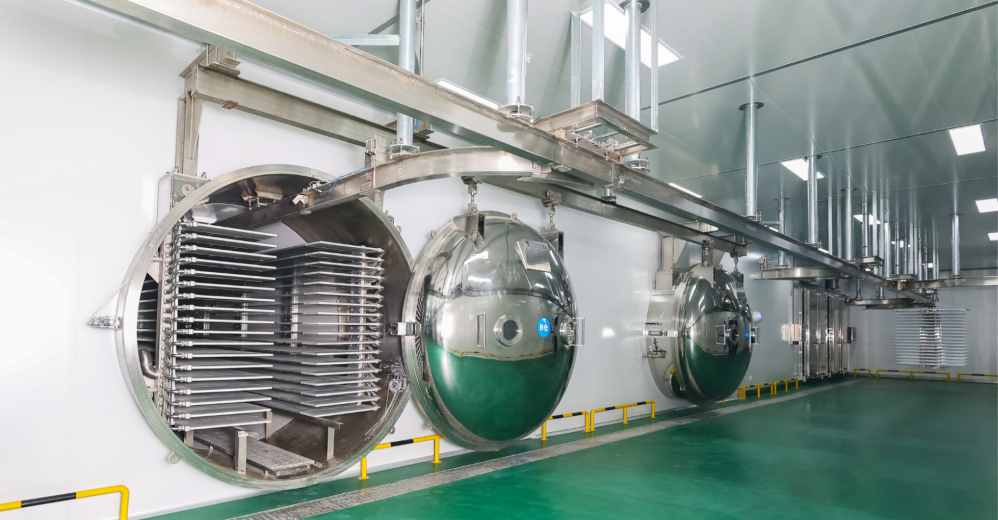
How Liquid Chicken Liver Hydrolysate Is Produced
A high-quality product typically follows these steps:
- Fresh Chicken Liver Selection
Only inspected, food-grade liver is used. - Controlled Enzymatic Hydrolysis
Food-grade enzymes break protein into peptides and amino acids. - Fine Filtration and Separation
Removes impurities and ensures clarity and stability. - Concentration and Standardization
Moisture and solids are adjusted for the desired intensity. - Heat Treatment or Sterilization
Ensures microbiological safety. - Quality Testing
Batches are analyzed for protein content, peptide size, fat levels, and microbiological standards.
Professional manufacturers also include third-party testing to satisfy export regulations and OEM customer requirements.
Benefits for OEM/ODM Pet Food Projects
For brands developing new formulas or upgrading existing ones, liquid chicken liver hydrolysate offers several advantages:
- Faster formulation approval due to consistent performance
- Enhanced palatability with minimal inclusion rates
- Suitable for high-protein, grain-free, and natural positioning
- Stable supply and easier procurement planning
- Stronger competitive advantage in premium product segments
This makes it a strategic ingredient for white label pet food, wet food lines, and high-end kibble projects.
What To Look for in a Reliable Supplier
When sourcing liquid chicken liver hydrolysate, pet food manufacturers and palatant wholesalers should evaluate suppliers based on:
- Regulatory compliance (such as ISO, HACCP, or FSSC22000)
- Advanced enzymolysis technology
- Traceable raw material supply chains
- Batch-to-batch stability testing
- Palatability performance data
- Customization options for viscosity, concentration, or aroma strength
Manufacturers that work closely with third-party laboratories (SGS, Intertek, CIQ, etc.) offer an additional layer of product assurance.
Applications and Recommended Usage
Typical inclusion ranges depend on the product form:
- Dry Kibble Coating: 1%–4% applied during post-extrusion coating
- Wet Food: 1%–8% integrated into slurry or gravy
- Treats: 1%–5% depending on flavor intensity requirements
Higher concentrations deliver stronger aroma, but formulation cost should be balanced with sensory performance goals.
The Market Demand Behind Chicken Liver Hydrolysate
Global pet food trends show a continued push toward premiumization, natural ingredients, and high-meat formulations. As a result, pet food factories and OEM brands increasingly rely on hydrolyzed liver to:
- Meet consumer expectations for natural flavor
- Increase product acceptance in picky pets
- Enhance brand reputation through stable palatability
- Reduce reliance on synthetic flavorings
This demand continues to rise across North America, Europe, Southeast Asia, and the Middle East.
Final Thoughts
Liquid chicken liver hydrolysate has set a new benchmark for flavor performance in pet nutrition. For pet food manufacturers, palatant wholesalers, and factories seeking a dependable way to elevate both taste and product quality, it offers a high-value, practical solution.
Its strong aroma, digestibility advantages, and compatibility with a wide range of formulas make it a foundational ingredient for premium pet food development.
If you’re working to improve palatability in kibble, wet food, or OEM private-label pet treats, liquid chicken liver hydrolysate is a proven path to better product performance and stronger customer satisfaction.