
Pet Food Palatability Market Trends 2025–2030
Introduction: Why Palatability Matters More Than Ever
If you’ve ever watched a dog eagerly devour kibble or a cat turn its nose up at a dish, you know how crucial palatability is in pet food. For manufacturers and wholesalers, palatability isn’t just about taste—it’s a key driver of repeat purchases, customer loyalty, and product success. As we move into 2025–2030, the pet food palatability market is expected to grow significantly, shaped by shifting consumer demands, innovation in ingredients, and global trade trends.
In this article, we’ll explore the most important market trends that pet food manufacturers, factories, and palatant suppliers should keep an eye on.
Market Outlook: Growth and Global Expansion
According to industry forecasts, the global pet food palatability market is set to grow steadily through 2030, driven by:
- Rising pet ownership in developing economies.
- Humanization of pets, with owners demanding higher-quality and more “human-like” food for their companions.
- Increased competition among pet food brands, where palatability enhancers become differentiators.
North America and Europe remain mature markets with strong emphasis on premiumization, while Asia-Pacific and Latin America are rapidly expanding due to urbanization and rising disposable income.
Trend 1: Natural and Functional Palatants
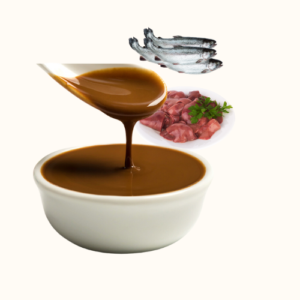
Consumers are paying close attention to ingredient labels. Terms like “grain-free,” “natural flavors,” and “functional benefits” are becoming non-negotiables. Manufacturers are increasingly moving away from artificial flavorings and shifting toward meat-based hydrolysates, yeast extracts, and plant-based proteins that enhance taste naturally.

Functional palatants are also on the rise—flavorings that not only improve taste but also deliver added benefits like digestive support, joint health, or coat improvement.
Trend 2: Tailoring to Species-Specific Preferences
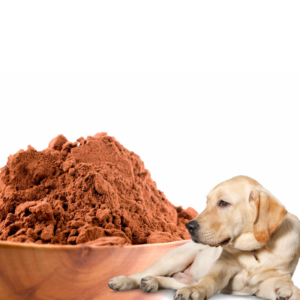
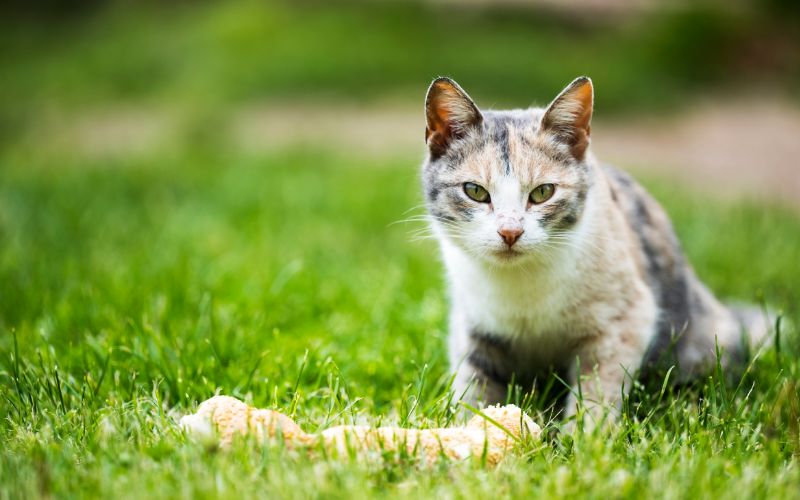
Cats and dogs don’t have the same taste preferences. While dogs are often enticed by meaty, fatty flavors, cats are notoriously finicky and respond better to fish- or poultry-based palatants. By 2030, expect more species-specific and even breed-specific palatants, driven by advances in behavioral research and taste science.
Trend 3: Sustainability in Palatant Sourcing
Sustainability isn’t just a buzzword anymore; it’s an industry requirement. Wholesalers and factories are seeking palatants made from upcycled raw materials, such as by-products of human food production, which reduce waste while maintaining nutrition and palatability.
Plant-based palatants are also gaining attention, aligning with the broader trend of eco-conscious and vegan lifestyles. By 2030, more pet owners will demand transparency about ingredient sourcing and environmental impact.
Trend 4: Global Supply Chain and OEM/ODM Growth
OEM (Original Equipment Manufacturer) and ODM (Original Design Manufacturer) partnerships are booming in the pet food industry. Palatant suppliers that can offer private label and customized solutions will have the upper hand.
Factories are increasingly relying on global networks of suppliers that can guarantee consistency, certifications (BRC, IFS, FSSC 22000), and compliance with import/export regulations. Wholesalers will continue to seek reliable partners that can adapt quickly to evolving international standards.
Trend 5: Technology-Driven Innovation
By 2030, technology will reshape how palatants are developed, tested, and applied:
- AI-driven sensory analysis will help predict how pets respond to new palatant formulas.
- Precision fermentation could create highly consistent, sustainable flavor enhancers.
- Microencapsulation technologies will improve palatant stability, ensuring better shelf life and flavor release at feeding time.
This innovation wave will enable manufacturers to deliver pet food that is both appealing and nutritionally advanced.
Trend 6: Premiumization and Human-Grade Standards
Pet parents increasingly demand products that look and feel like their own food. This has led to a boom in human-grade and gourmet-style pet food. Palatants are no exception—expect higher demand for premium, high-quality palatants derived from human-grade ingredients.
Transparency in labeling will be vital, as consumers scrutinize ingredient sources and production practices.

Trend 7: Regional Customization
Cultural preferences influence pet food trends. In Japan, for example, seafood flavors dominate cat food; in Latin America, poultry and beef are more popular. Palatant suppliers who offer regional customization will have a competitive edge, adapting to local consumer habits while maintaining global consistency.
Opportunities for Wholesalers, Manufacturers, and Factories
The pet food palatability market presents strong opportunities from 2025–2030:
- Wholesalers can expand portfolios with natural, functional, and region-specific palatants.
- Manufacturers can use palatability as a core differentiator in crowded markets.
- Factories that invest in certifications and sustainable sourcing will become preferred partners for global brands.
Conclusion: The Future of Palatability Is Strategic
From natural and functional palatants to sustainability and technology-driven innovation, the next five years will redefine how we approach palatability in pet food. For pet food manufacturers, factories, and palatant wholesalers, the message is clear: palatability is no longer just an additive—it’s a strategy.
Those who invest in the right trends today will be well-positioned to capture market share and build long-term partnerships through 2030 and beyond.