Pet Food Trends 2026: The Future of Pet Nutrition Is Here
The pet food industry is entering one of its most transformative periods in decades.
Pet owners no longer view dogs and cats as simply animals. They are family members, travel companions, and emotional support partners. As a result, consumer expectations for pet food are becoming increasingly similar to expectations for human food.
In 2026, pet owners want more than basic nutrition. They are looking for functional benefits, premium ingredients, transparency, sustainability, and products that their pets genuinely enjoy eating.
For pet food manufacturers, wholesalers, distributors, and private-label brands, understanding these emerging trends is essential for staying competitive.
This article explores the most important pet food trends shaping 2026 and what they mean for businesses across the global pet food supply chain.
1. Functional Nutrition Moves Into the Mainstream
For years, pet food marketing focused on protein content and ingredient quality.
In 2026, functional nutrition is becoming a purchasing driver.
Consumers increasingly expect pet food to provide health benefits beyond basic nourishment.
Popular functional claims include:
- Digestive health
- Immune support
- Skin and coat health
- Joint support
- Weight management
- Cognitive support
- Urinary tract health
- Stress and anxiety management
Ingredients gaining popularity include:
- Probiotics
- Prebiotics
- Omega-3 fatty acids
- Fish oil
- Goat milk
- Collagen peptides
- Glucosamine
- Functional fibers
Many brands are now incorporating multiple health benefits into a single product, creating premium positioning opportunities.
For manufacturers, this trend creates demand for more sophisticated formulations and ingredient partnerships.
2. Pet Food Palatability Is Becoming a Competitive Advantage
One trend receiving increasing attention in 2026 is palatability.
Pet owners may purchase a product because of nutritional claims, but repeat purchases often depend on whether pets willingly consume the food.
This is particularly important for:
- Picky cats
- Senior pets
- Veterinary diets
- Functional formulas
- Weight-management products
As brands introduce more functional ingredients, maintaining palatability becomes increasingly challenging.
This has driven growing demand for:
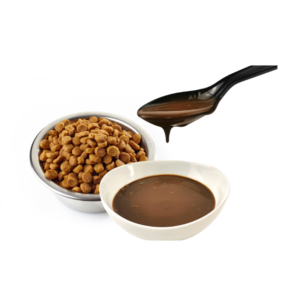
- Pet food palatants
- Pet food palatability enhancers
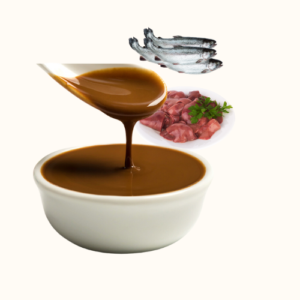
- Hydrolyzed liver coatings
- Liquid palatants
- Flavor coating systems
Modern manufacturers increasingly utilize coating technologies and customized palatant solutions to improve feeding acceptance without compromising nutritional goals.
For many premium brands, palatability has become a critical factor in customer retention.
3. Wet Pet Food Continues to Gain Market Share
One of the strongest global trends heading into 2026 is the continued growth of wet pet food.
Consumers increasingly associate wet food with:
- Higher meat content
- Better hydration
- Improved digestibility
- Enhanced palatability
- Premium quality
Particularly in the cat food category, hydration-focused products are experiencing significant growth.
Popular formats include:
- Pâté
- Mousse
- Chunks in gravy
- Broth-based meals
- Soup pouches
- Functional wet food toppers
Many pet owners now combine dry and wet food in hybrid feeding routines.
This trend creates substantial opportunities for manufacturers specializing in:
- Wet food production
- Retort pouch products
- Canned pet food
- Functional wet diets
4. Human-Grade Inspiration Continues to Influence Pet Food
Human food trends increasingly influence pet food development.
Consumers are now seeking products featuring recognizable ingredients commonly found in their own diets.
Examples include:
- Bone broth
- Goat milk
- Pumpkin
- Blueberries
- Salmon
- Coconut oil
- Turmeric
- Sweet potato
Packaging and branding are also becoming more human-food-inspired.
Modern pet food brands increasingly emphasize:
- Ingredient storytelling
- Farm-to-bowl concepts
- Transparency
- Clean recipes
- Premium presentation
As a result, pet food products are becoming more sophisticated and lifestyle-oriented.
5. Clean Label Becomes a Consumer Expectation
In 2026, clean-label products are no longer a niche trend.
Consumers increasingly scrutinize ingredient lists before purchasing.
Many pet owners actively avoid products containing:
- Artificial colors
- Artificial preservatives
- Artificial flavors
- Unnecessary fillers
Instead, they seek:
- Natural ingredients
- Limited-ingredient recipes
- Simple formulations
- Transparent sourcing
This shift is driving innovation in natural preservation systems and naturally derived flavor solutions.
Manufacturers capable of delivering clean-label formulations will gain a significant advantage in premium markets.

6. Freeze-Dried Products Continue Rapid Growth
Freeze-dried products remain one of the fastest-growing categories in pet nutrition.
Consumers view freeze-drying as a minimally processed preservation method that maintains:
- Nutritional value
- Flavor
- Aroma
- Ingredient integrity
Popular freeze-dried categories include:
- Dog treats
- Cat treats
- Meal toppers
- Raw alternatives
- Training rewards
The category is especially attractive because it aligns with several consumer priorities simultaneously:
- High protein
- Natural ingredients
- Premium quality
- Convenience
Many retailers report strong demand for private-label freeze-dried products entering 2026.
7. Cat Food Innovation Accelerates
Historically, many pet food innovations began in dog food.
Today, cat food is becoming a major innovation category itself.
Several factors drive this trend:
- Rising cat ownership
- Urban living
- Smaller living spaces
- Indoor cat lifestyles
Manufacturers are responding with products specifically designed for:
- Indoor cats
- Hairball management
- Hydration support
- Kidney health
- Senior cats
- Weight control
Cat owners are also more likely to purchase premium wet food and specialized nutrition products.
As a result, many brands are expanding their feline product portfolios faster than ever before.
8. Sustainability Influences Purchasing Decisions
Environmental concerns continue to affect purchasing behavior worldwide.
Consumers increasingly evaluate pet food brands based on sustainability initiatives.

Key focus areas include:
- Sustainable protein sourcing
- Reduced food waste
- Recyclable packaging
- Carbon footprint reduction
- Responsible fisheries
- Ethical ingredient sourcing
Some brands are exploring alternative proteins such as:
- Insect protein
- Sustainable fish ingredients
- Upcycled ingredients
Although mainstream adoption remains gradual, sustainability will continue shaping product development in 2026 and beyond.
9. Private Label Pet Food Keeps Expanding
Private label pet food is experiencing remarkable growth.
Retailers, e-commerce sellers, and emerging pet brands increasingly seek manufacturing partners capable of delivering:
- Customized formulas
- Flexible packaging
- Lower MOQs
- Faster product development
Several factors fuel this trend:
- Rising brand entrepreneurship
- Growth of Amazon pet sellers
- Expansion of DTC brands
- Increased retailer demand for exclusive products
For OEM and ODM manufacturers, private-label opportunities continue expanding across both mature and emerging markets.
10. Premiumization Remains the Industry’s Strongest Growth Driver
Perhaps the most important trend of all is premiumization.
Consumers continue spending more on products they believe improve their pets’ quality of life.
Premium pet food often emphasizes:
- Higher meat content
- Functional ingredients
- Specialized nutrition
- Better palatability
- Cleaner labels
- Superior packaging
Even during periods of economic uncertainty, many pet owners prioritize spending on their pets.

This makes premium pet nutrition one of the most resilient segments within the broader consumer goods market.
What These Trends Mean for Pet Food Manufacturers
For manufacturers and suppliers, 2026 presents both opportunities and challenges.
Successful companies will likely focus on:
Product Innovation
Developing differentiated products that address evolving consumer expectations.
Palatability Optimization
Ensuring pets enjoy products as much as owners appreciate their health benefits.
Functional Formulations
Combining nutrition with targeted wellness benefits.
Flexible Manufacturing
Supporting private-label customers with customized solutions.
Premium Positioning
Helping brands justify higher-value products through quality and performance.
Global Compliance
Meeting increasingly complex export and regulatory requirements.
Manufacturers capable of delivering these capabilities will be best positioned for long-term growth.
The Role of Pet Food Palatants in Future Product Development
As functional ingredients become more common, maintaining feeding acceptance becomes increasingly important.
Many functional ingredients can negatively affect taste or aroma.
This challenge has increased demand for advanced pet food palatants and pet food palatability enhancers.
Modern palatant systems help manufacturers:
- Improve feed intake
- Enhance aroma
- Increase product acceptance
- Support premium formulations
- Improve customer satisfaction
For both dog and cat food manufacturers, palatability technology is becoming a strategic tool rather than a simple flavor additive.
Final Thoughts
The pet food industry in 2026 is being shaped by a combination of premiumization, functional nutrition, clean-label demand, sustainability, and enhanced palatability.
Consumers want products that are healthier, more transparent, and more enjoyable for their pets.
For manufacturers, distributors, wholesalers, and private-label brands, understanding these trends is critical for identifying future growth opportunities.
Among all emerging developments, one principle remains constant:
No matter how advanced a formula becomes, pets must still love eating it.
As a result, nutrition, functionality, and palatability will continue working together to define the next generation of successful pet food products.
For manufacturers seeking customized pet food palatants, pet food palatability enhancers, and flavor solutions for dry and wet pet food applications, visit Profypet.com to explore innovative solutions for the evolving pet food market.
Frequently Asked Questions
What is the biggest pet food trend in 2026?
Premiumization remains the dominant trend, supported by functional nutrition, clean-label ingredients, and enhanced pet food palatability.
Why is wet pet food growing so quickly?
Consumers increasingly associate wet food with better hydration, higher meat content, and improved feeding enjoyment.
Are freeze-dried pet treats still growing?
Yes. Freeze-dried treats continue experiencing strong global demand due to their high protein content and minimally processed image.
Why are pet food palatants becoming more important?
As formulations become more functional and complex, palatants help maintain feeding acceptance and encourage repeat purchases.
What opportunities exist for private-label pet food brands in 2026?
Growing consumer demand, e-commerce expansion, and retailer interest in exclusive products create strong opportunities for private-label pet food businesses.