How Palatability Drives Success in Modern Pet Food Production
In today’s competitive pet food market, manufacturing high-quality pet treats is no longer just about nutrition—it’s about palatability, consistency, and functional value. For pet food manufacturers, wholesalers, and private label brands, understanding how to optimize pet treat production is the key to winning repeat purchases and long-term brand loyalty.
At the center of this evolution is one critical factor: pet food palatability enhancers.
This article explores how modern pet treat manufacturing works, why palatability matters, and how the right pet food palatant supplier can transform your product performance in global markets.
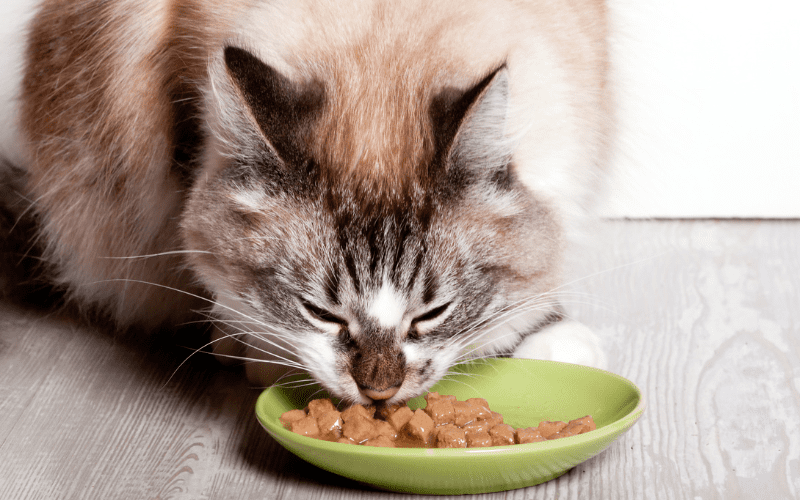
Why Pet Treat Manufacturing Is Evolving Rapidly
The global pet industry is shifting toward:
- Premiumization (human-grade perception)
- Functional nutrition (digestive, immune support)
- Clean-label ingredients
- Higher feeding acceptance rates
However, even the most nutritionally balanced treat will fail if pets refuse to eat it.
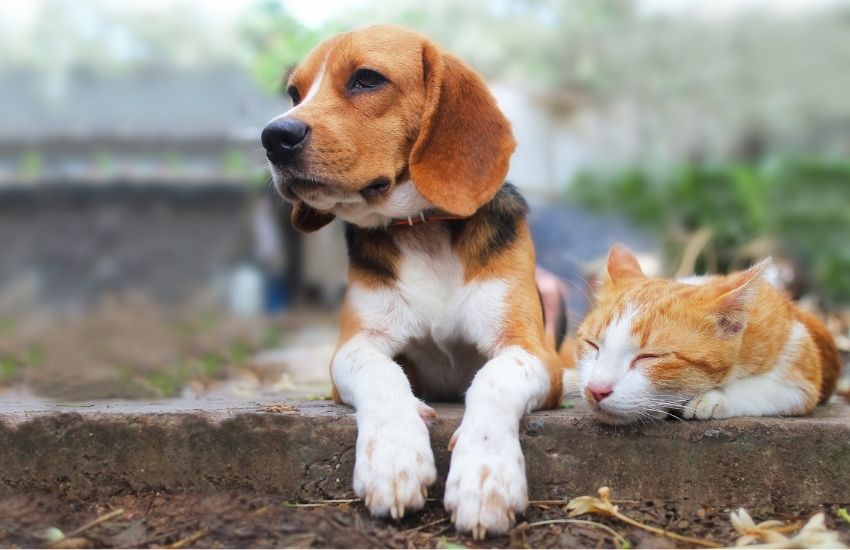
This is why cat food palatability and dog treat acceptance have become critical KPIs for manufacturers.
What Is Pet Treat Manufacturing?
Pet treat manufacturing is a controlled industrial process that converts raw materials into finished pet snacks through:
- Ingredient selection and formulation
- Mixing and blending
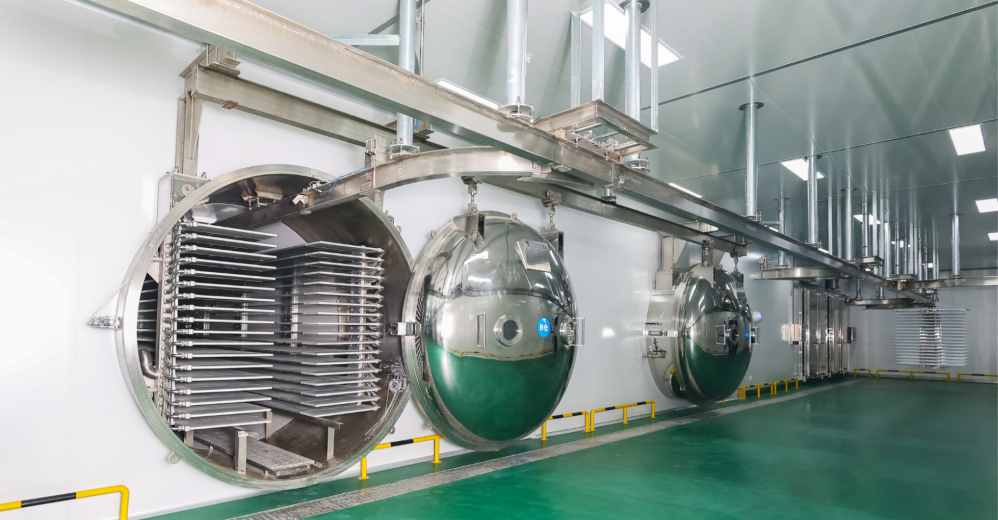
- Processing (extrusion, baking, freeze-drying, or retorting)
- Coating and flavor enhancement
- Packaging and quality testing
Each step directly impacts the final product’s:
- Texture
- Aroma
- Taste
- Shelf stability
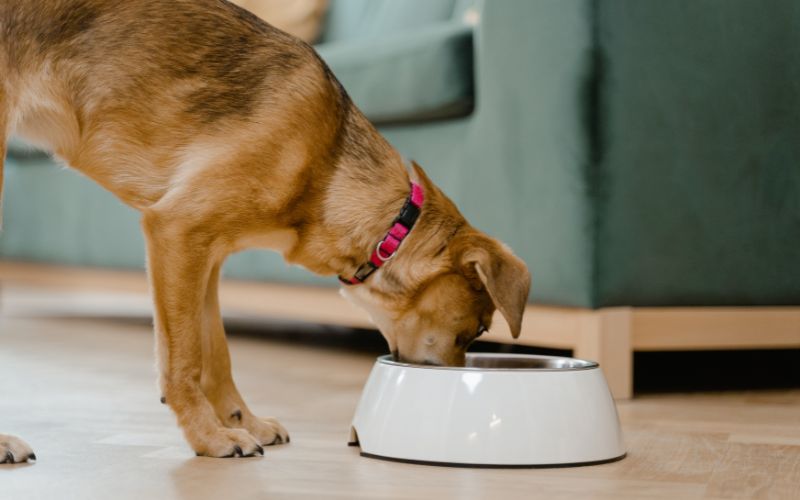
Among these, flavor and aroma optimization is the most decisive factor in market success.
The Role of Palatability in Pet Treat Success
Unlike humans, pets rely heavily on smell and instinct-driven taste preferences.
Key Drivers of Palatability:
- Animal protein hydrolysates (e.g., chicken liver, fish)
- Free amino acids
- Maillard reaction flavors
- Fat coating systems
- Natural attractants
For example, in cat food production, even minor improvements in aroma release can significantly increase feeding response.
Why Palatability Matters for B2B Buyers:
- Increases product repurchase rates
- Reduces customer complaints
- Enhances brand positioning
- Improves performance in competitive retail environments (Amazon, supermarkets)
Pet Food Palatants: The Core of Modern Treat Manufacturing
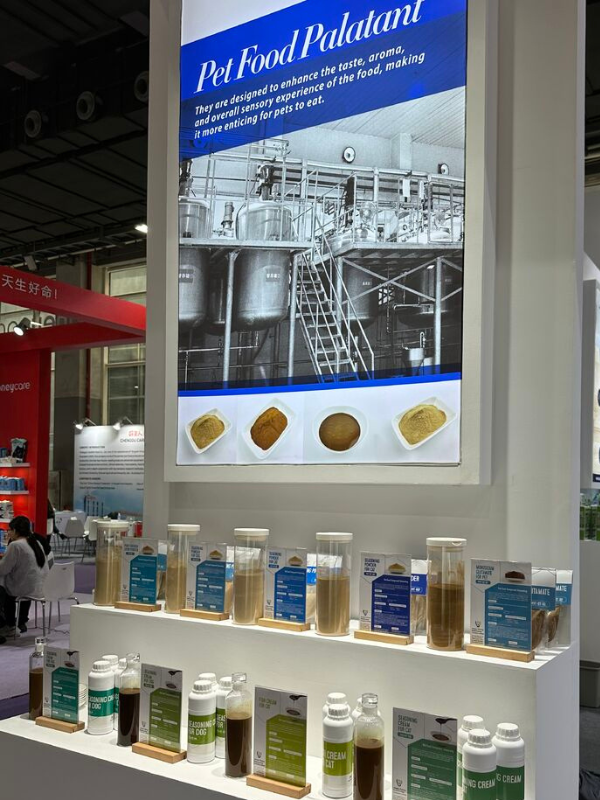
Pet food palatants are functional feed additives designed to improve:
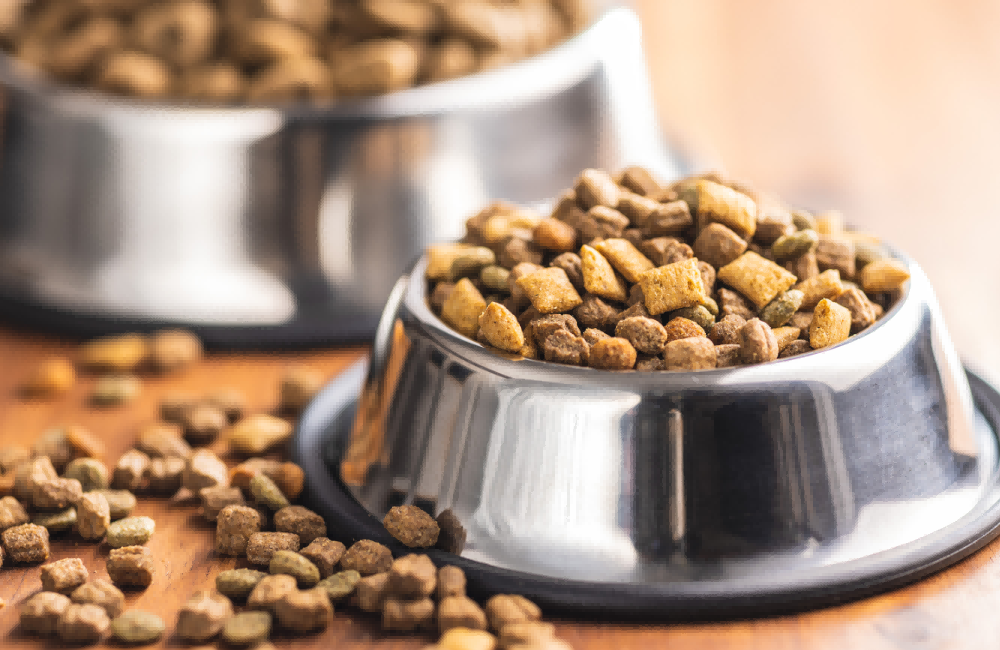
- Smell (aroma attraction)
- Taste (flavor enhancement)
- Mouthfeel
- Overall feeding behavior
Types of Palatability Enhancers:
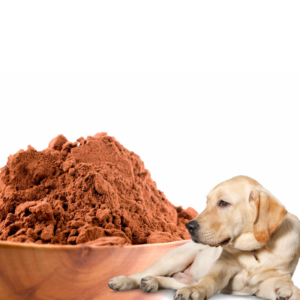
1. Powder Palatants
- Ideal for dry treats and kibble
- Easy to apply during coating
- Cost-effective for large-scale production
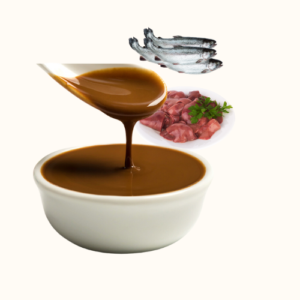
2. Liquid Palatants
- Used in spray systems
- Strong aroma dispersion
- Suitable for premium products
3. Specialty Functional Palatants
- Digestive support
- Immune enhancement
- Nutrient absorption improvement
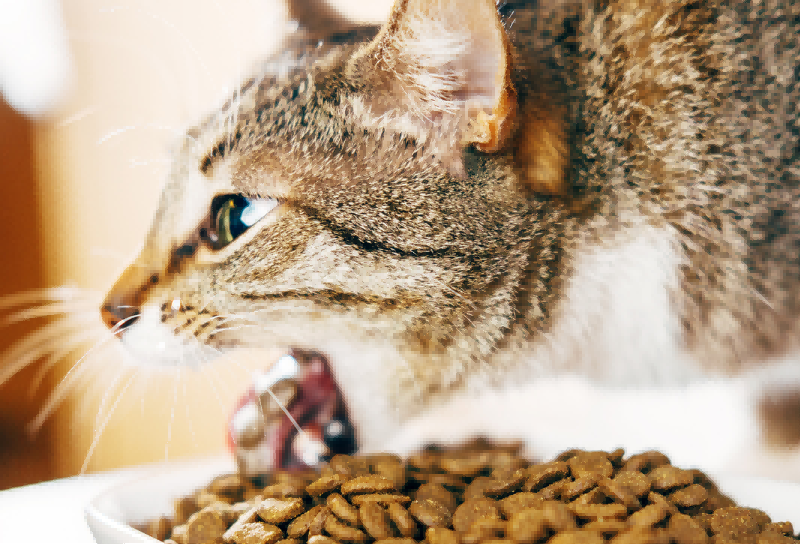
Cat Food Palatability: A Key Challenge in Manufacturing
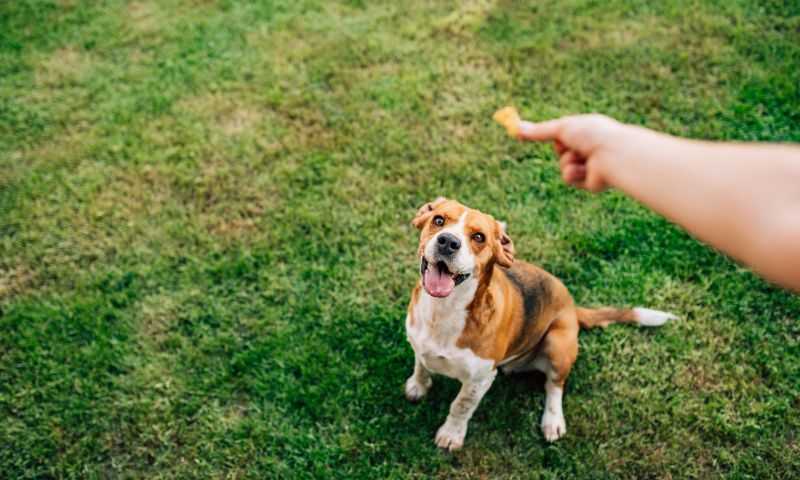
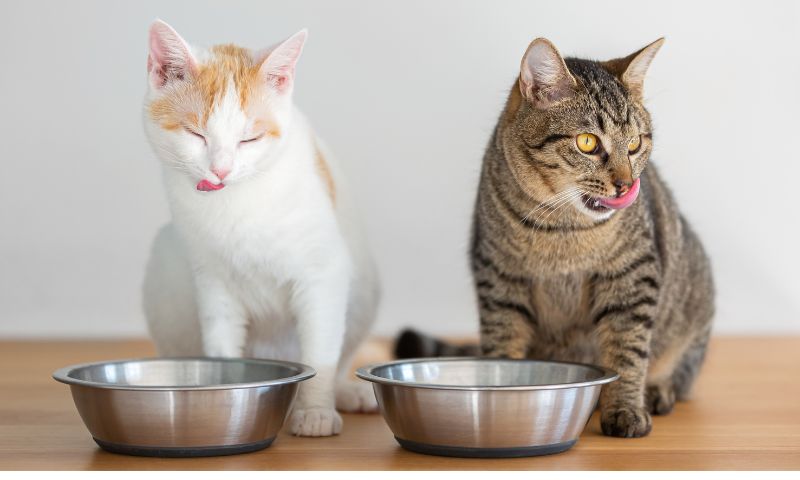
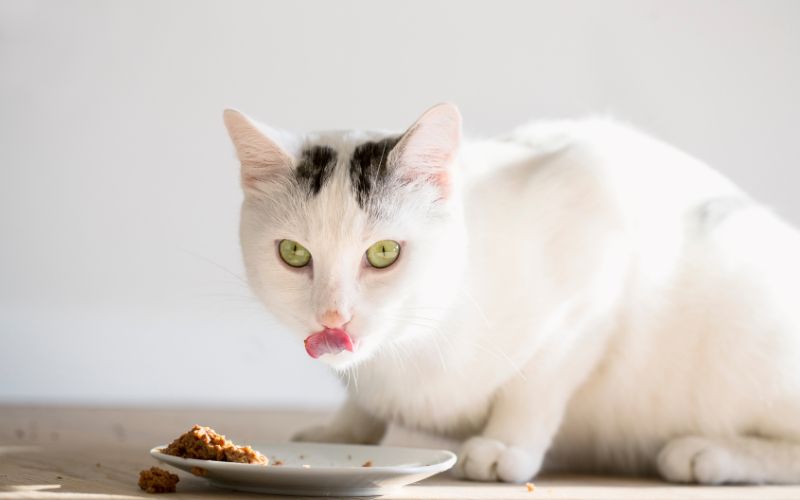
Cats are notoriously selective eaters.
This makes cat food flavor enhancer solutions essential in production.
Common Challenges:
- Low acceptance of new formulations
- Ingredient changes affecting taste
- Reduced appetite in aging cats
Solutions:
- Chicken liver-based palatants
- Low-temperature processed flavor systems
- Balanced amino acid profiles
A well-designed cat food palatability enhancer can increase feed intake by over 20–30% in controlled trials.
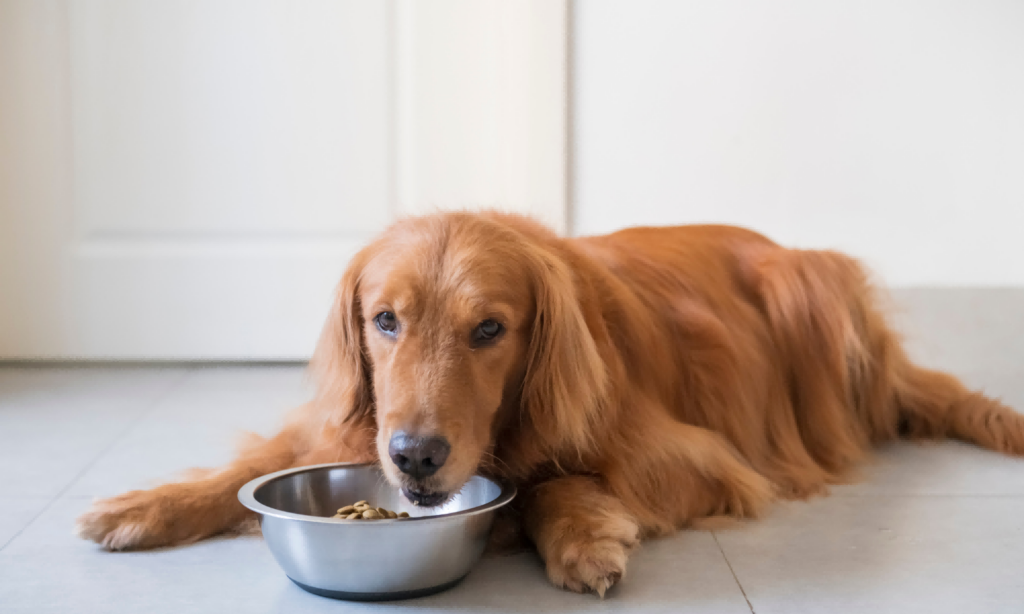
Feed Additives for Dogs: Beyond Taste
For dog treats, palatability must be combined with functional benefits.
Popular Additives in Dog Treat Manufacturing:
- Hydrolyzed proteins (high digestibility)
- Brewer’s yeast (natural flavor + nutrition)
- Enzymes (improve digestion)
- Functional fats (energy + taste carrier)
This combination ensures that treats are not only attractive but also beneficial for long-term health.
Manufacturing Process: Where Palatants Make the Difference
Step 1: Raw Material Preparation
High-quality inputs ensure safety and consistency.
Step 2: Processing
- Extrusion (for dry treats)
- Baking (for biscuits)
- Freeze-drying (for premium treats)
Step 3: Coating with Palatability Enhancers
This is the most critical step for flavor delivery.
- Spray coating systems ensure even distribution
- Oil carriers help bind flavor compounds
- Precision dosing controls cost and effectiveness
Step 4: Quality Control
Strict testing ensures compliance with global standards:
- Microbiological testing
- Heavy metals
- Veterinary drug residues
- Nutritional analysis
Choosing the Right Pet Food Palatant Supplier
For B2B buyers, selecting a reliable partner is essential.
Key Criteria:
1. Technical Expertise
- Ability to customize formulations
- Understanding of regional taste preferences
2. Quality Assurance
- Certifications (BRC, IFS, ISO systems)
- Third-party testing (SGS, Intertek)
3. Stable Supply Chain
- Consistent raw material sourcing
- Scalable production capacity
4. OEM/ODM Capability
- Custom flavor development
- Private label support
Application Scenarios for Pet Treat Manufacturers
Pet food palatants are widely used in:
- Dry dog treats
- Cat treats and snacks
- Wet pet food
- Freeze-dried products
- Pet supplements
Typical Usage Levels:
- Dry kibble: 1–2%
- Snacks: 2–4%
- Functional products: 5–10%
These optimized ratios ensure cost-efficiency while maximizing product appeal.
Future Trends in Pet Treat Manufacturing
The next generation of pet treats will focus on:
- Clean-label palatants (natural, traceable ingredients)
- Functional nutrition integration
- Species-specific flavor systems
- Sustainable protein sources
Manufacturers who invest in advanced palatability solutions will gain a strong competitive edge.
Conclusion: Palatability Is the Growth Engine of Pet Treat Manufacturing
Pet treat manufacturing is no longer just a production process—it is a precision science driven by palatability and functionality.
For pet food manufacturers, wholesalers, and brand owners, working with a professional pet food palatability enhancer supplier is the fastest way to:
- Improve product acceptance
- Increase sales performance
- Strengthen brand competitiveness
If you are looking to develop high-performance pet treats tailored for global markets, investing in the right pet food palatants and flavor systems is the strategic move that delivers measurable results.