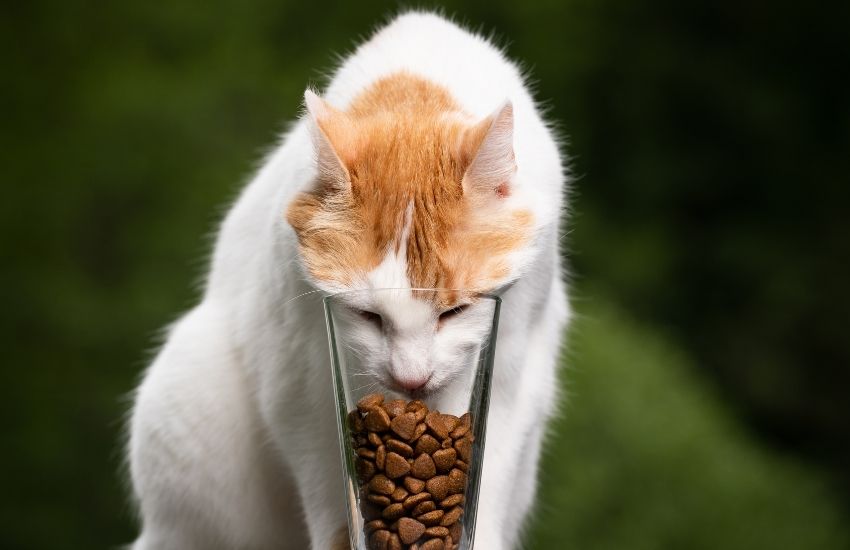
Taste Boosters for Cats
Enhancing Cat Food Palatability with Proven Flavor Solutions
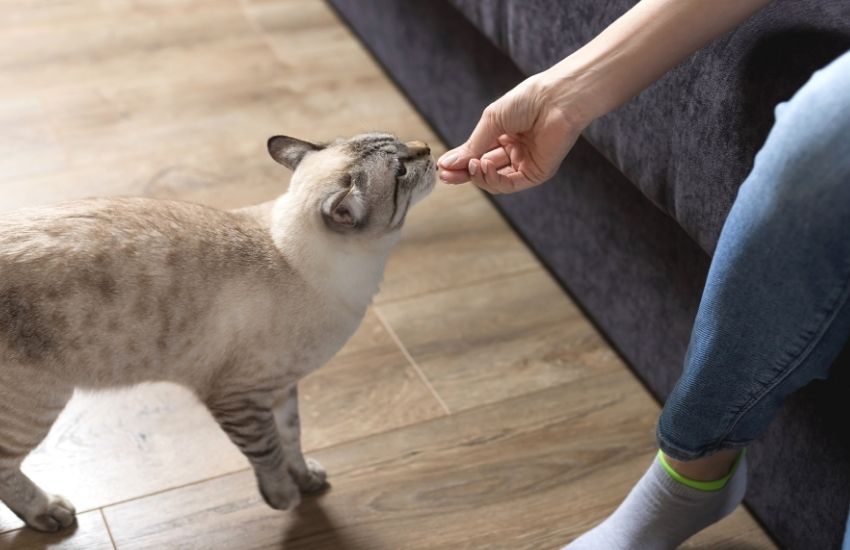
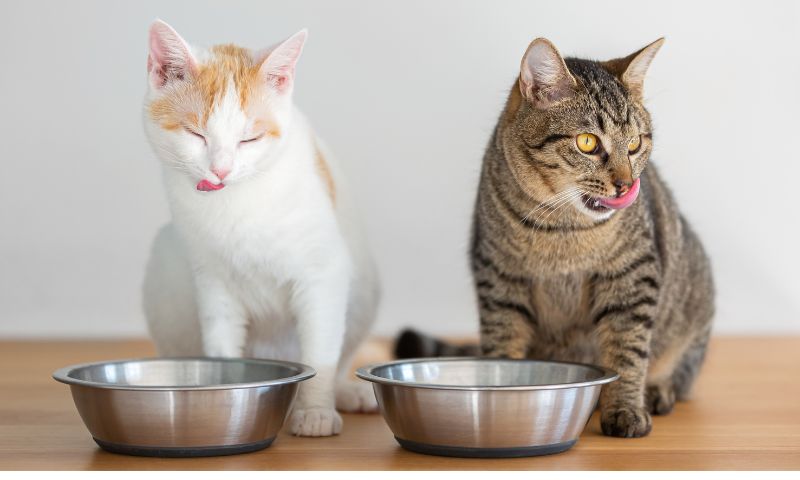
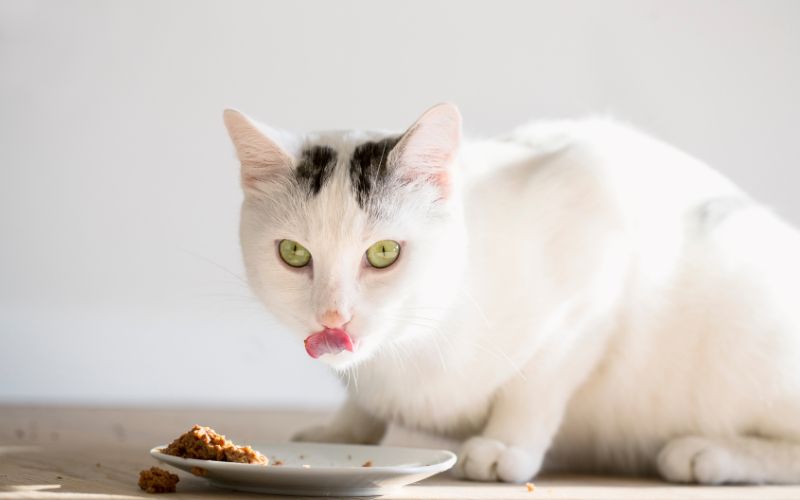
In the modern pet food industry, taste boosters for cats have become a critical component of successful formulations. No matter how complete or functional a recipe is, cats will only benefit from it if they are willing to eat it consistently. This is why cat food palatability is one of the top priorities for pet food manufacturers, factories, and pet food palatant wholesalers.
For brands targeting premium, functional, or veterinary-oriented products, taste boosters are not just additives—they are strategic pet food ingredients that directly influence market acceptance, repeat purchase, and long-term brand loyalty.
This article provides a professional overview of taste boosters for cats, explaining how they work, where they are applied, and what to consider when selecting a reliable cat food flavor enhancer and palatability enhancer supplier.
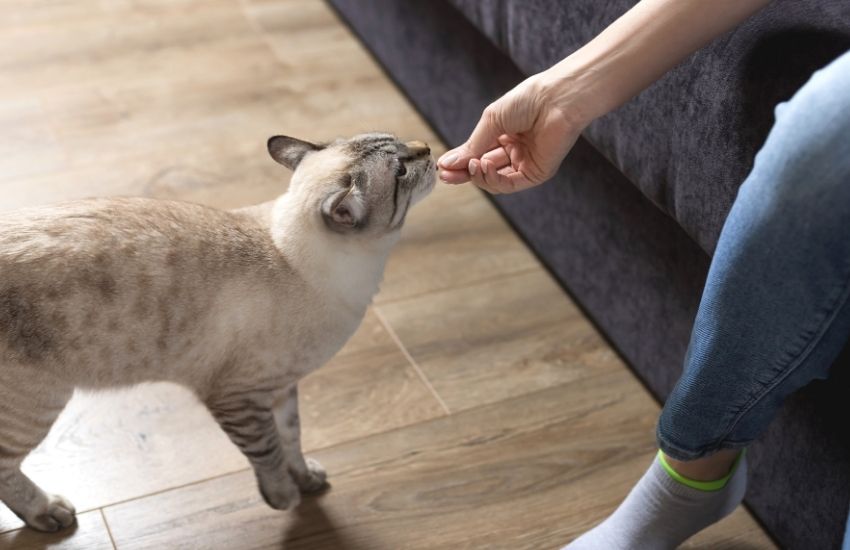
What Are Taste Boosters for Cats?
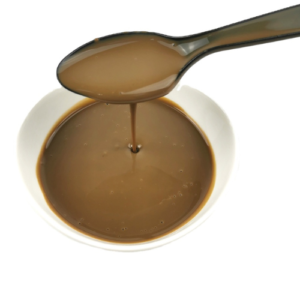
Taste boosters for cats are specialized cat food flavor enhancers designed to improve aroma, taste perception, and overall eating enthusiasm. They work by stimulating a cat’s highly sensitive olfactory and taste systems, encouraging faster acceptance and increased intake.
In commercial pet food production, taste boosters are commonly classified as:
- Palatability enhancers for pet food
- Functional flavor systems
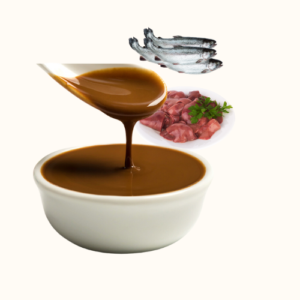
- Animal-protein-based flavor ingredients
- Feed additives for dogs and cats
Their primary role is to increase voluntary consumption without compromising nutritional balance.
Why Cat Food Palatability Is So Critical
Cats are well known for being selective eaters. Compared with dogs, cats:
- Rely more on smell than taste
- Are highly sensitive to off-notes
- Reject food quickly if aroma is weak or unfamiliar
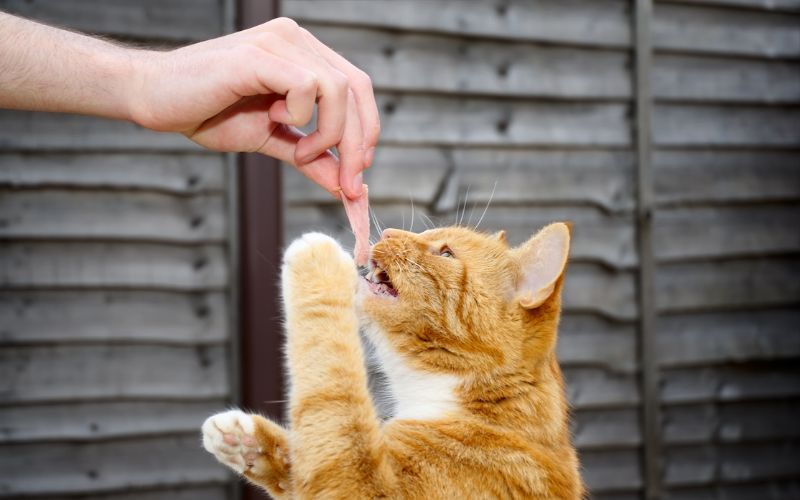
As a result, even minor formulation changes—such as new protein sources, functional additives, or cost-optimized ingredients—can negatively impact acceptance.
Using professional taste boosters for cats helps manufacturers:
- Improve first-bite acceptance
- Maintain consistency across batches
- Mask bitterness from vitamins, minerals, or functional actives
- Support long-term feeding compliance
From a commercial perspective, strong palatability directly translates into lower product returns and higher repurchase rates.
Cat Food Flavor Enhancers: How They Work
Aroma-Driven Attraction
For cats, aroma is the primary decision factor. Effective cat food flavor enhancers deliver:
- Immediate meaty impact
- Species-appropriate animal notes
- Warm, natural, and familiar aromas
This makes them especially valuable in wet food, dry kibble coatings, and liquid or semi-moist applications.
Taste Enhancement and Balance
Beyond aroma, taste boosters improve:
- Umami perception
- Mouthfeel
- Flavor persistence
At the same time, they help balance unwanted tastes caused by:
- Taurine
- Minerals
- Plant-based proteins
- Functional botanical extracts
This dual function makes them essential palatability enhancers for pet food.
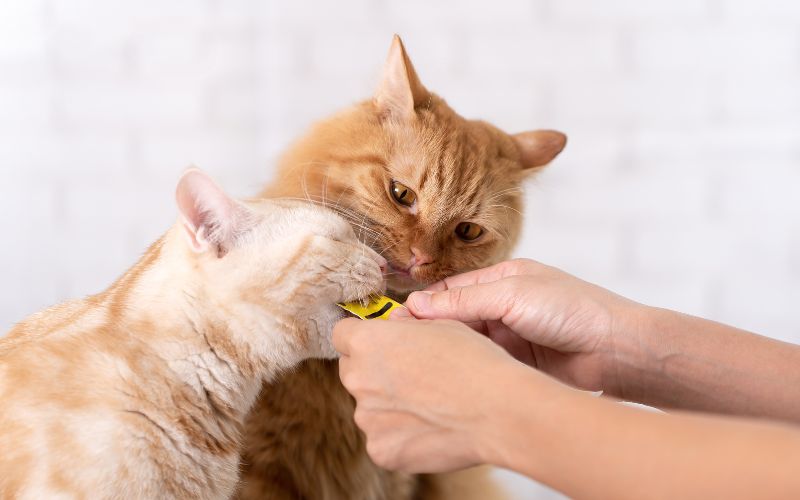
Taste Boosters as Key Pet Food Ingredients
From a formulation standpoint, taste boosters are no longer viewed as optional extras. They are core pet food ingredients that support both performance and market competitiveness.
Professional solutions are typically designed to offer:
- High stability during processing
- Compatibility with extrusion, retort, and liquid systems
- Consistent sensory performance across regions
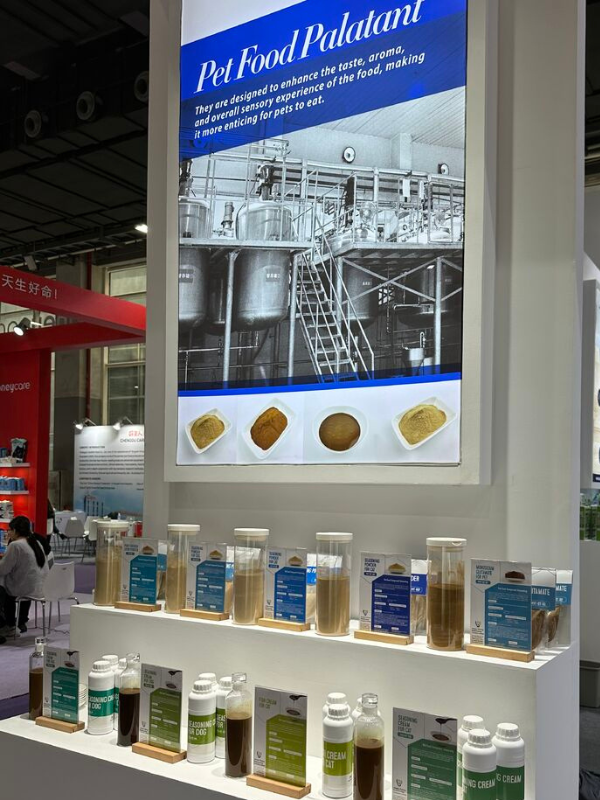
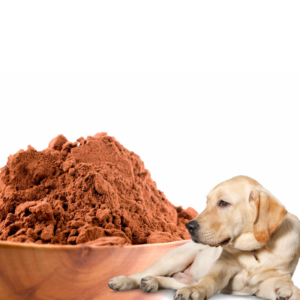
They can be supplied in various forms, including powders, liquids, and coating systems, allowing easy integration into existing production lines.
Application in Cat and Dog Food Formulations
While taste boosters are especially important for cats, many solutions are also suitable as feed additives for dogs, offering broad-spectrum usability.
Common applications include:
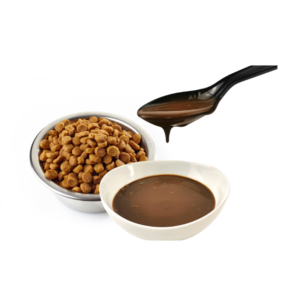
- Dry cat food and kibble coatings
- Wet food gravies and sauces
- Liquid cat food and toppers
- Functional diets and supplements
- Premium dog food formulas
For manufacturers producing multi-species portfolios, this versatility improves formulation efficiency and inventory management.
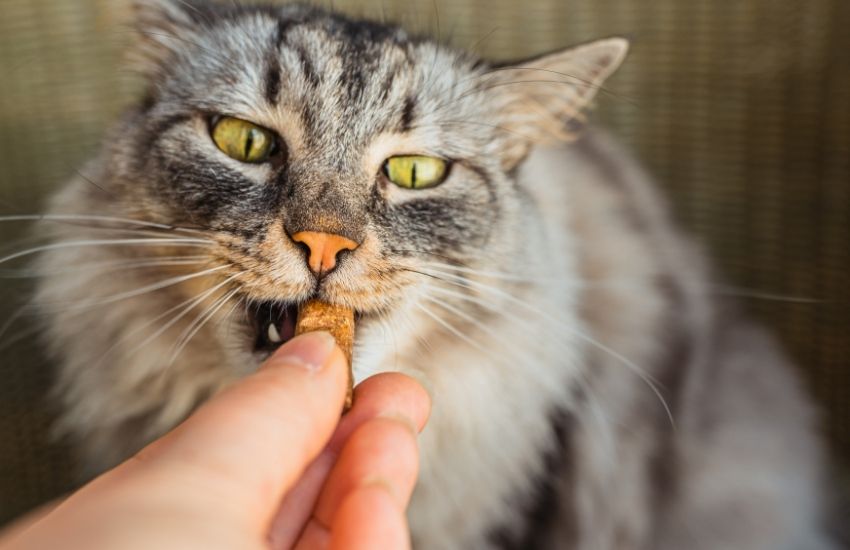
Palatability Enhancers for Pet Food: Clean Label and Customization
Today’s market demands transparency and flexibility. Leading taste booster systems can be customized to meet:
- Clean-label positioning
- Regional regulatory requirements
- Specific aroma intensity levels
- Species-specific preferences
This allows pet food factories to fine-tune palatability without overusing flavor materials, optimizing both cost control and sensory performance.
Choosing the Right Palatability Enhancer Supplier
Selecting a professional cat food flavor enhancer and palatability enhancer supplier is critical for long-term success. Key evaluation criteria include:
Raw Material Quality
- Traceable animal protein sources
- Stable and consistent sensory profiles
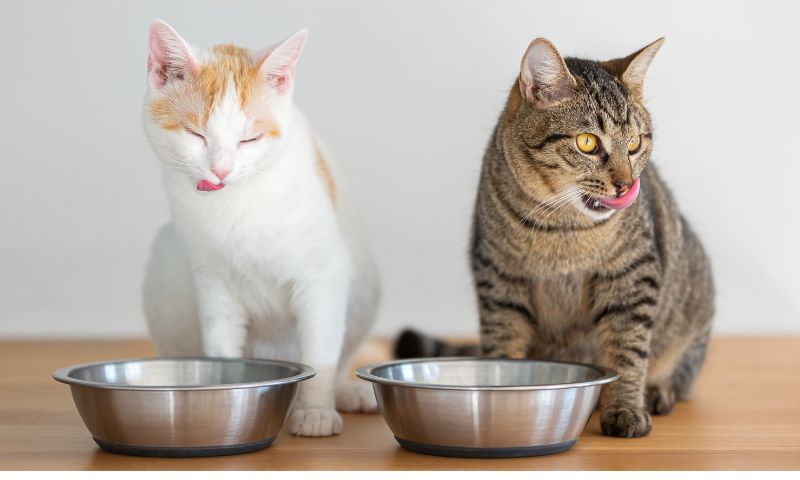
Technical Support
- Application guidance
- Dosage optimization
- Stability and compatibility testing
Custom Development Capability
- Tailored solutions for cats and dogs
- Adaptation to dry, wet, and liquid systems
Regulatory and Supply Reliability
- Compliance with global pet food standards
- Consistent batch-to-batch quality
- Scalable supply for growing brands
A reliable supplier is not just a vendor, but a technical partner supporting product innovation and market expansion.
Market Outlook: Growing Demand for Taste Boosters for Cats
As pet humanization and premiumization continue worldwide, demand for high-performance taste boosters for cats is steadily increasing. Pet owners expect products that are not only healthy but also highly enjoyable for their pets.
For pet food manufacturers and factories, investing in advanced cat food palatability solutions is a direct response to this demand—and a key driver of competitive advantage.
Final Thoughts
Taste boosters for cats play a decisive role in modern pet food development. By improving aroma, taste, and overall acceptance, they ensure that nutritional value translates into real consumption.
For pet food palatant wholesalers, manufacturers, and factories, working with an experienced palatability enhancer supplier enables consistent quality, flexible formulation, and strong market performance.
As the industry continues to evolve, taste boosters will remain one of the most valuable tools for enhancing cat food palatability and long-term brand success.