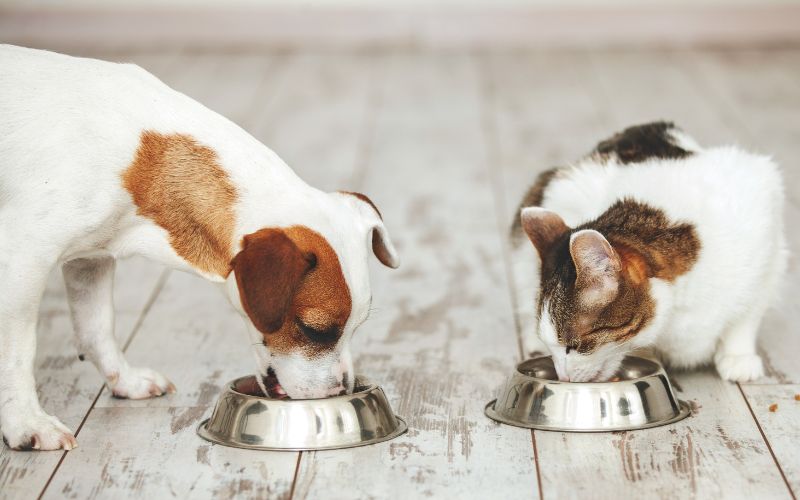
The Ultimate Guide to Pet Food Flavours
When it comes to pet food, nutrition is only half the story. Even the healthiest formula won’t succeed if dogs or cats refuse to eat it. That’s where pet food palatants come in—the science-backed flavour enhancers designed to make food more appealing, drive appetite, and ensure pets actually enjoy mealtime. In this guide, we’ll explore what palatants are, how they’re used, and the latest innovations shaping the industry.
What Are Palatants in Dog Food?
Palatants are flavour enhancers specifically created for pet food. Unlike artificial flavourings in human snacks, palatants are carefully formulated from animal proteins, hydrolysates, yeast extracts, natural fats, and plant-based compounds to stimulate a pet’s senses of taste and smell.

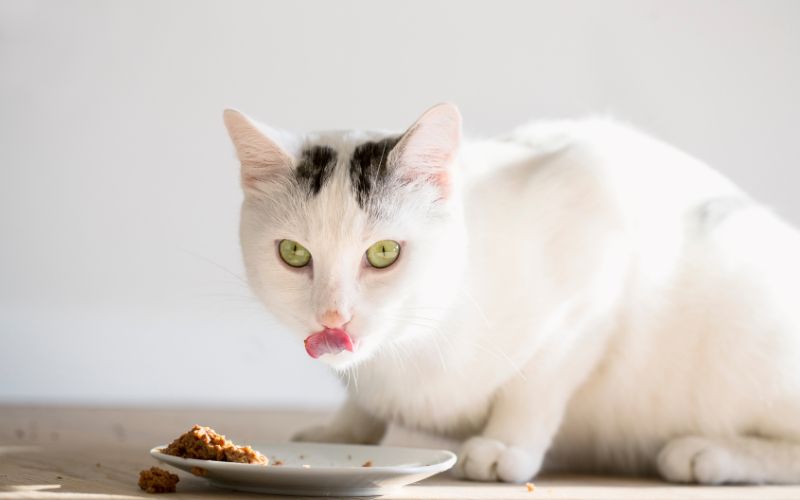
For dogs, palatants do more than improve taste—they also help mimic the meaty, umami-rich flavours that canines instinctively crave. In practical terms, this means a dry kibble that may smell bland to humans can suddenly become irresistible to a dog with the right palatant coating.
Key benefits include:
- Increased appetite in picky eaters or senior dogs.
- Consistency in feeding, helping owners avoid wasted food.
- Enhanced acceptance of functional diets (e.g., grain-free, low-fat, or prescription foods).
Understanding Pet Food Palatants
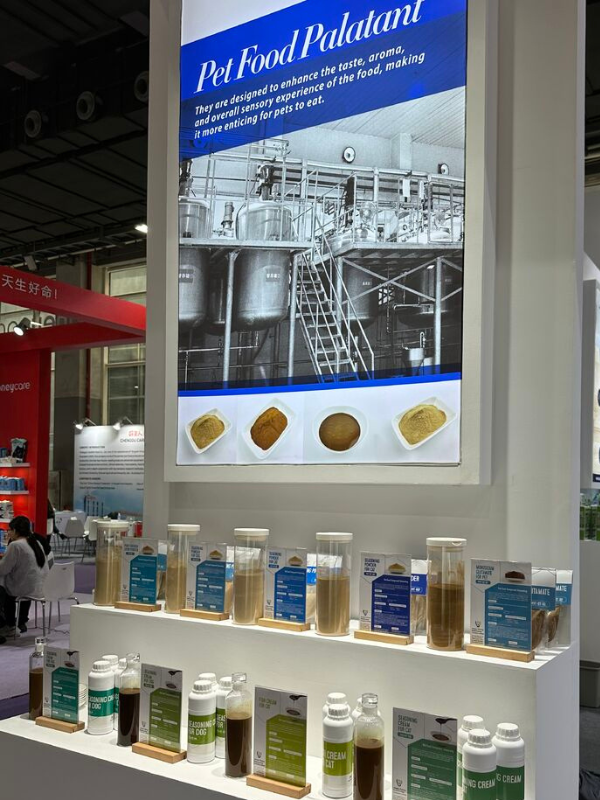
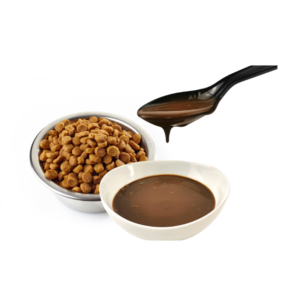
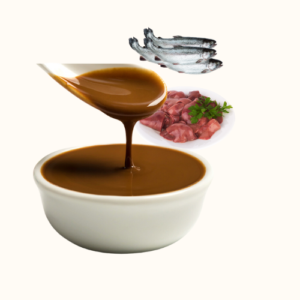
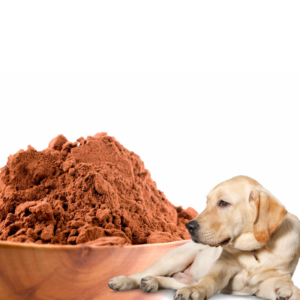
A pet food palatant can take many forms—liquid sprays, powders, or coatings applied during the final stages of production. Common categories include:
- Animal-derived palatants: Hydrolyzed chicken liver, poultry meal extracts, or fish hydrolysates.
- Yeast-based palatants: Rich in nucleotides and amino acids that add natural savoury notes.
- Plant-based palatants: Gaining traction for sustainable, vegetarian, or allergen-free diets.
Many pet food palatant companies also tailor products to regional preferences. For instance, North American markets lean toward beef and chicken flavours, while Asia-Pacific buyers often request fish or seafood palatants.

Pet Food Palatant Companies: A Growing Global Market
The global demand for palatants is rising alongside the booming pet food industry. Pet food palatant companies supply to manufacturers, contract producers, and even boutique brands that want to differentiate their offerings.
Leading companies in this field emphasize:
- Customization: Developing flavour profiles to match brand positioning.
- Sustainability: Using eco-friendly raw materials and by-products.
- Innovation: Combining flavour with health benefits, such as probiotics or omega fatty acids.
Working with the right palatant partner allows pet food factories and manufacturers to enhance product success rates, reduce returns, and meet the high expectations of pet parents in Western markets.
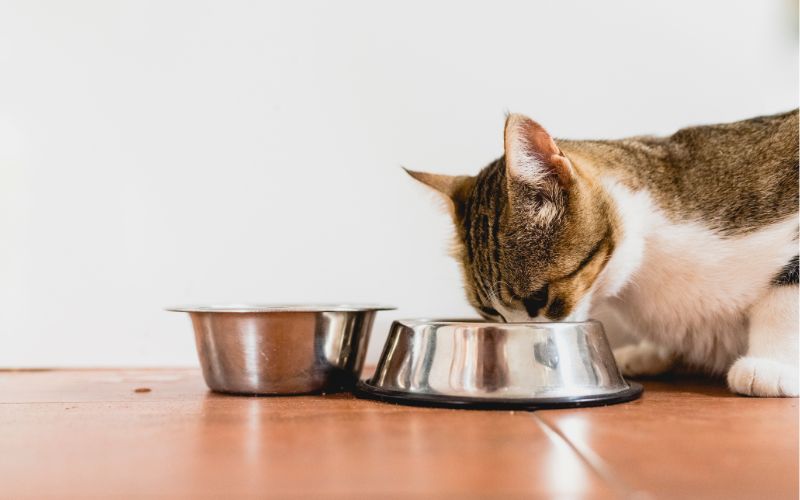
Pet Food Palatability Testing
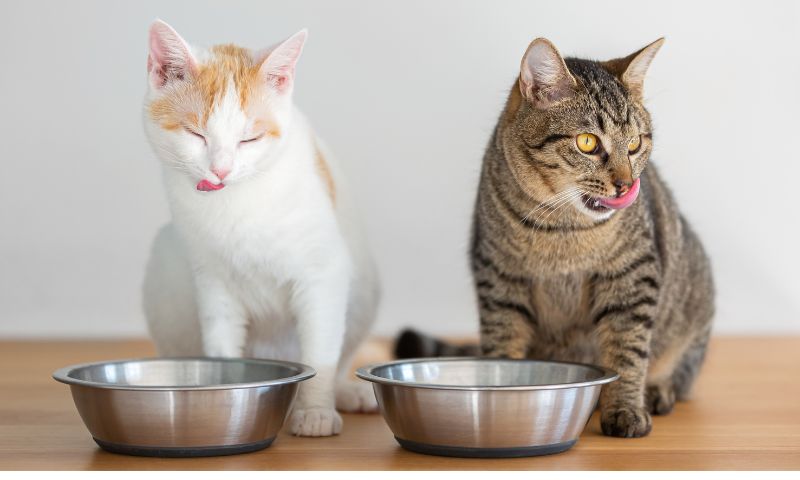
How do you know if a palatant works? That’s where palatability testing comes in. Specialized facilities run two-bowl tests (offering pets two food samples to compare preference) and single-bowl tests (measuring intake and enthusiasm).
These tests provide data on:
- Acceptance rate: The percentage of pets that eat the food.
- Consumption speed: How eagerly pets consume it.
- Repeat appeal: Whether pets continue to choose it over time.
For pet food manufacturers, palatability testing is essential. It helps predict how well a new formula will perform before launch—minimizing the risk of failure in competitive markets like the US and UK.
How to Increase Palatability of Dog Food
Manufacturers and pet owners alike often ask: How can we make dog food more appealing?
Here are proven strategies:
- Palatant application – Adding a high-quality flavour coating during production.
- Moisture and fat optimization – Dogs are naturally drawn to foods with higher fat content and aroma.
- Texture innovation – Crunchy kibbles combined with soft inclusions can stimulate curiosity and acceptance.
- Nutrient pairing – Combining flavour with functional ingredients, such as vitamins or joint supplements, makes “healthy” food more enjoyable.
- Rotation of flavours – Offering multiple taste profiles to avoid “flavour fatigue” in picky eaters.
For manufacturers, working with an experienced palatant supplier ensures these adjustments are not just tasty but also safe, compliant, and scalable.
Trends and Technologies Shaping the Future
The pet food palatant market is evolving rapidly. Current trends include:
- Natural and clean-label palatants: Meeting consumer demand for transparency.
- Functional flavour systems: Palatants that also deliver gut health or immunity support.
- Plant-based innovations: Designed for vegetarian or allergy-sensitive pets.
- Precision formulation: Using AI-driven testing to predict palatability outcomes faster.
These technologies highlight a key shift: palatants are no longer “just a flavour coating” but a strategic tool for product differentiation.

Final Thoughts
For pet food manufacturers, wholesalers, and factories, palatants are the bridge between nutrition and enjoyment. They ensure that carefully formulated diets actually end up in pets’ bowls—and are eaten with enthusiasm.
Whether you’re exploring new flavour systems or improving existing products, investing in high-quality palatants is one of the most reliable ways to increase appetite, drive product acceptance, and strengthen customer loyalty.
👉 Learn more about innovative palatants and solutions at ProfyPet.com