What Is a Pet Palatant? The Complete Guide for Pet Food Manufacturers
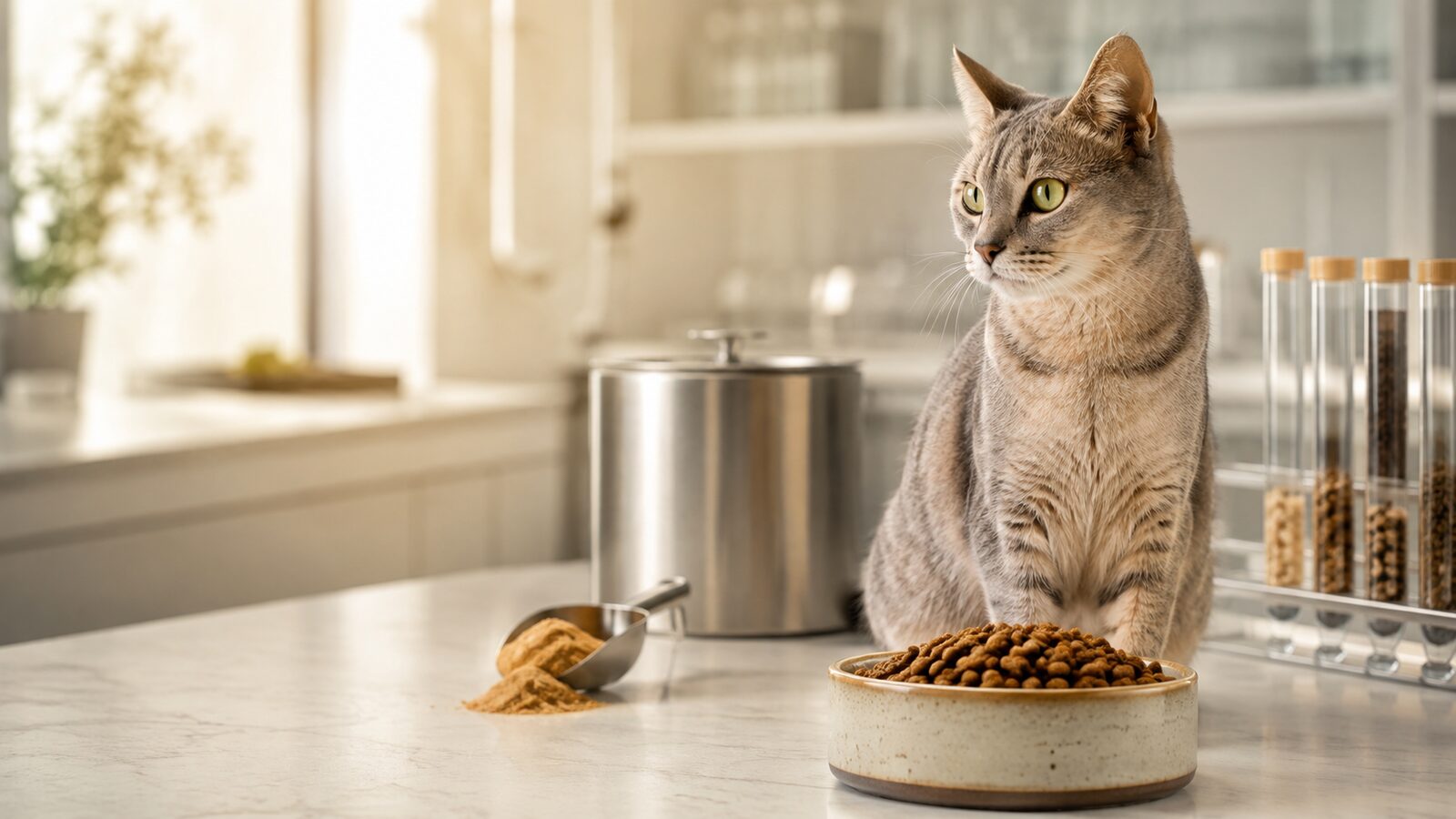
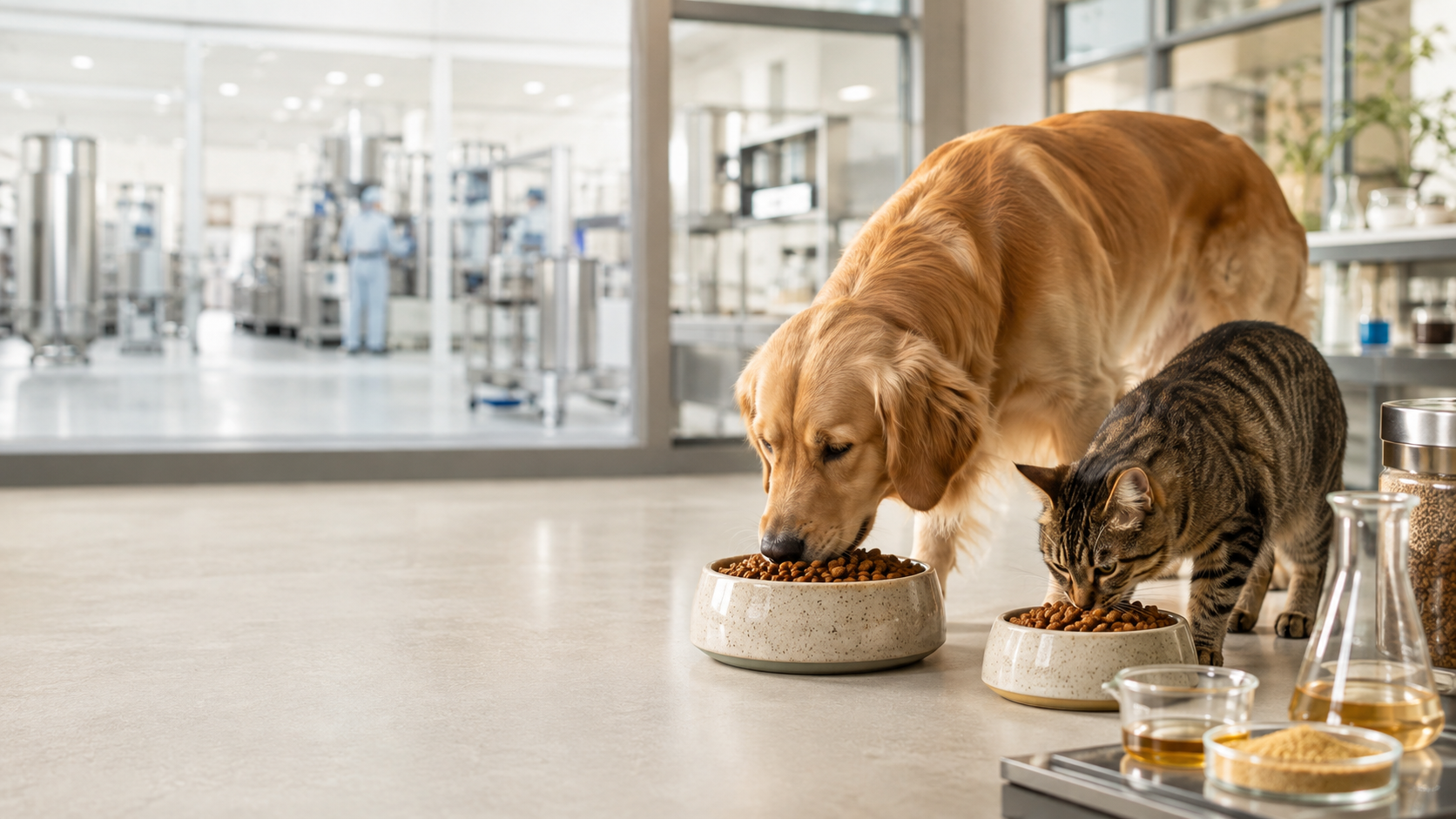
The pet food industry has evolved significantly over the past decade. While nutrition remains the foundation of every formulation, manufacturers have discovered that even the healthiest recipe cannot succeed if pets refuse to eat it. This is where pet palatants play a critical role.
Whether producing premium dry kibble, freeze-dried treats, wet food, or functional diets, manufacturers rely on carefully developed palatants to improve aroma, flavor, and overall feeding acceptance. Today’s consumers expect their pets to enjoy every meal, while brands expect consistent product performance across different production batches.
Pet palatants are no longer viewed simply as flavor additives. Instead, they have become strategic ingredients that influence consumer satisfaction, brand loyalty, repeat purchases, and even manufacturing efficiency.
In this guide, we’ll explain what pet palatants are, how they work, the different types available, their manufacturing process, and how pet food brands can choose the right supplier for long-term success.
What Is a Pet Palatant?
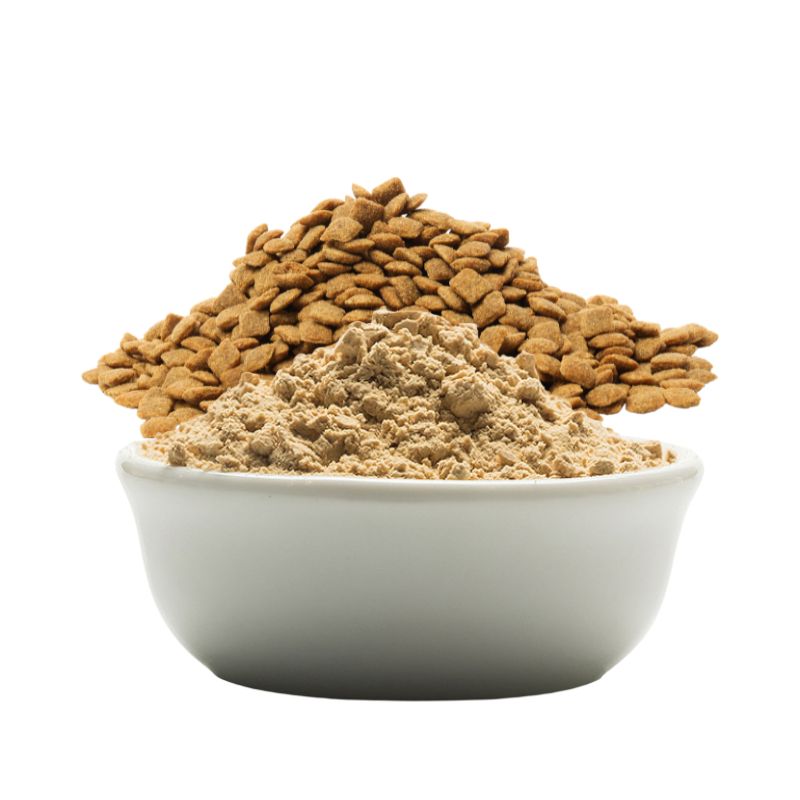
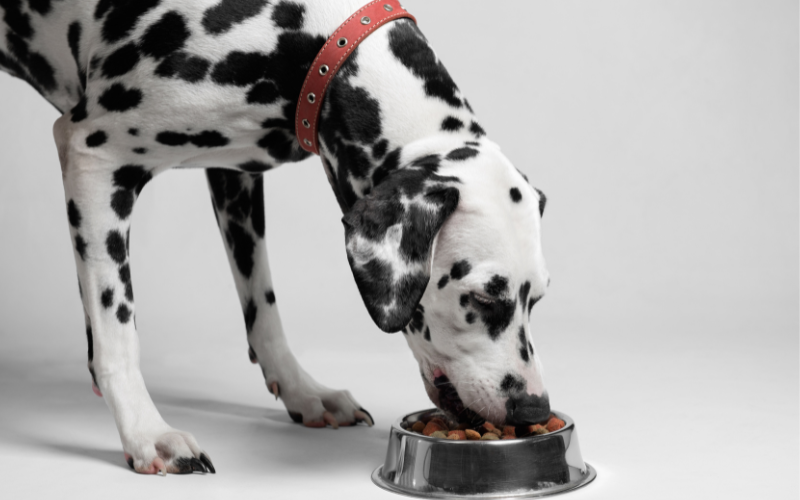
A pet palatant is a specially designed ingredient applied to pet food to enhance its aroma, taste, and overall eating experience. Unlike traditional seasonings used in human foods, pet palatants are developed based on animal sensory preferences rather than human taste.
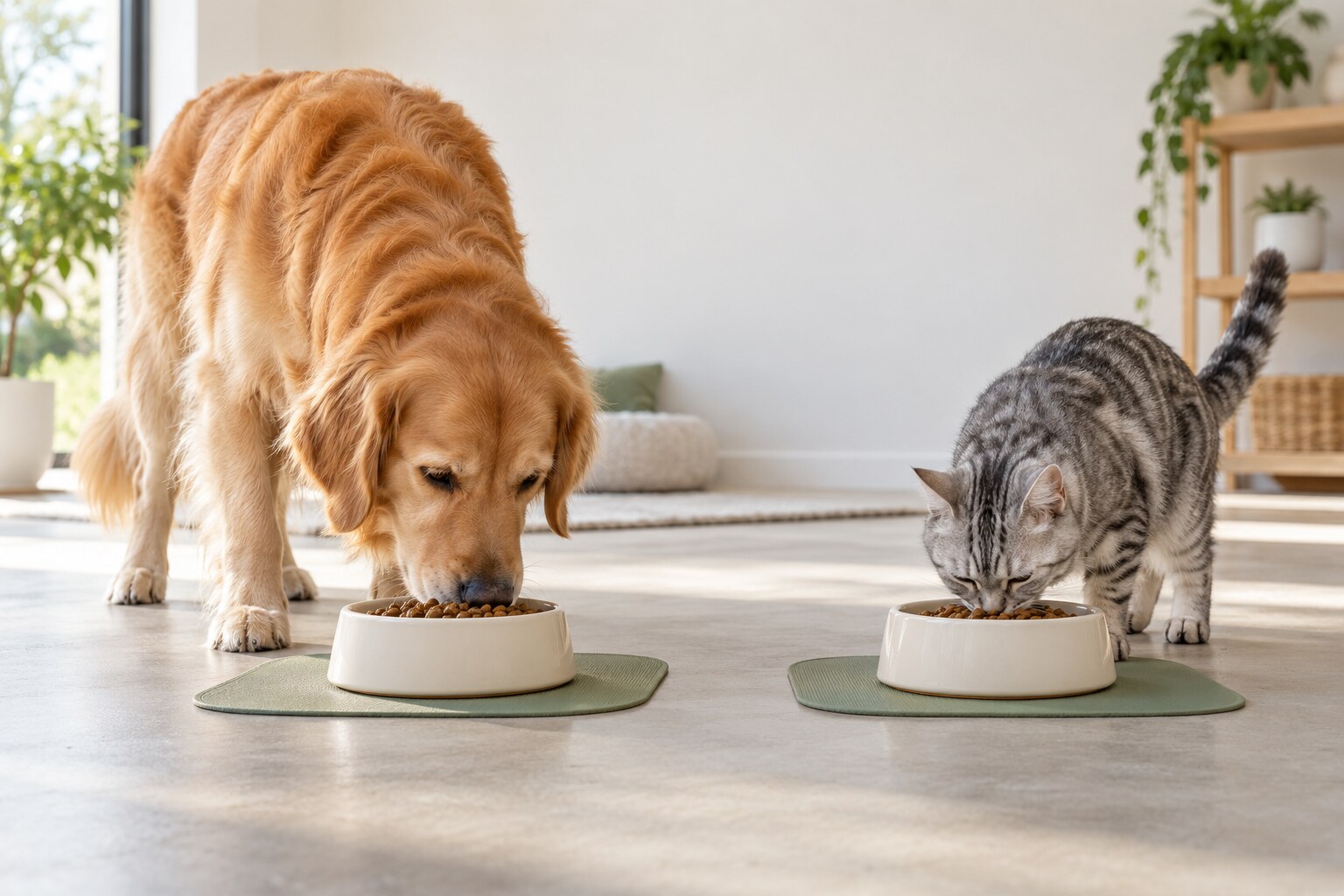
Dogs and cats perceive food very differently from humans.
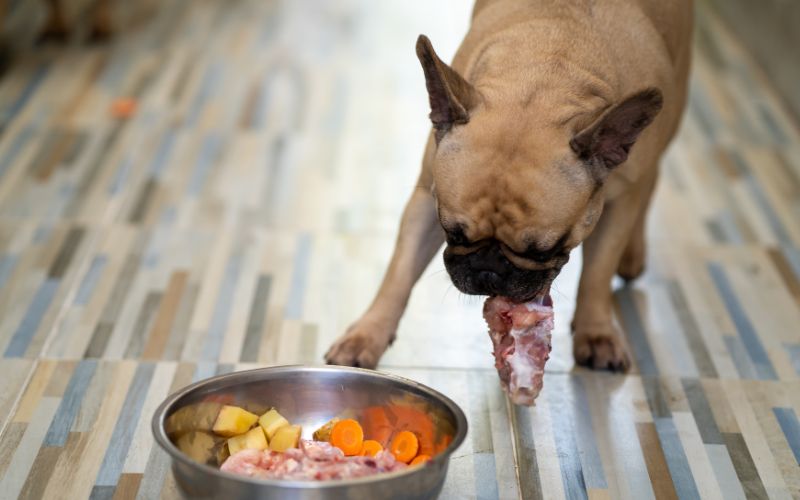
Dogs rely heavily on aroma combined with savory flavors.
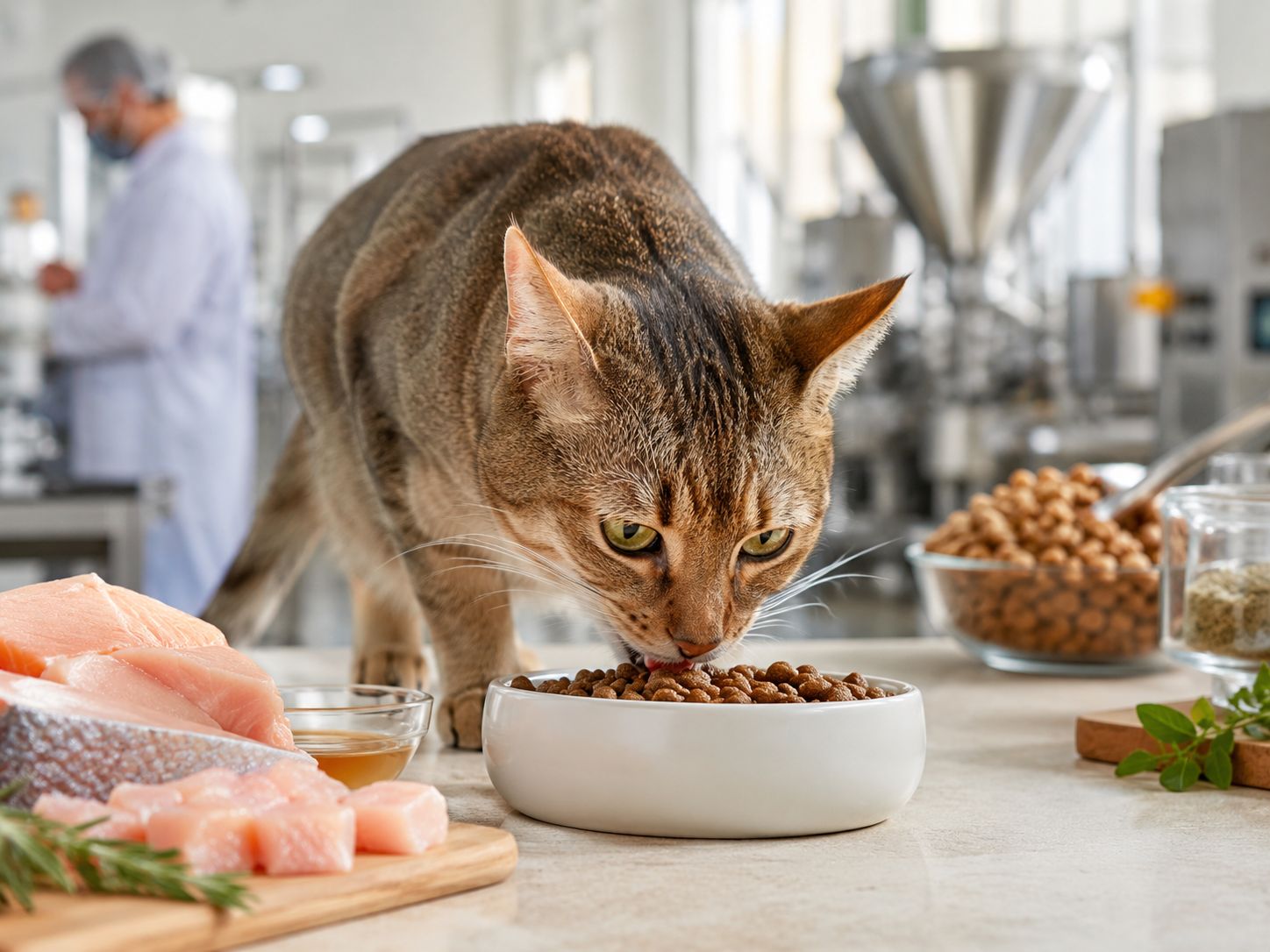
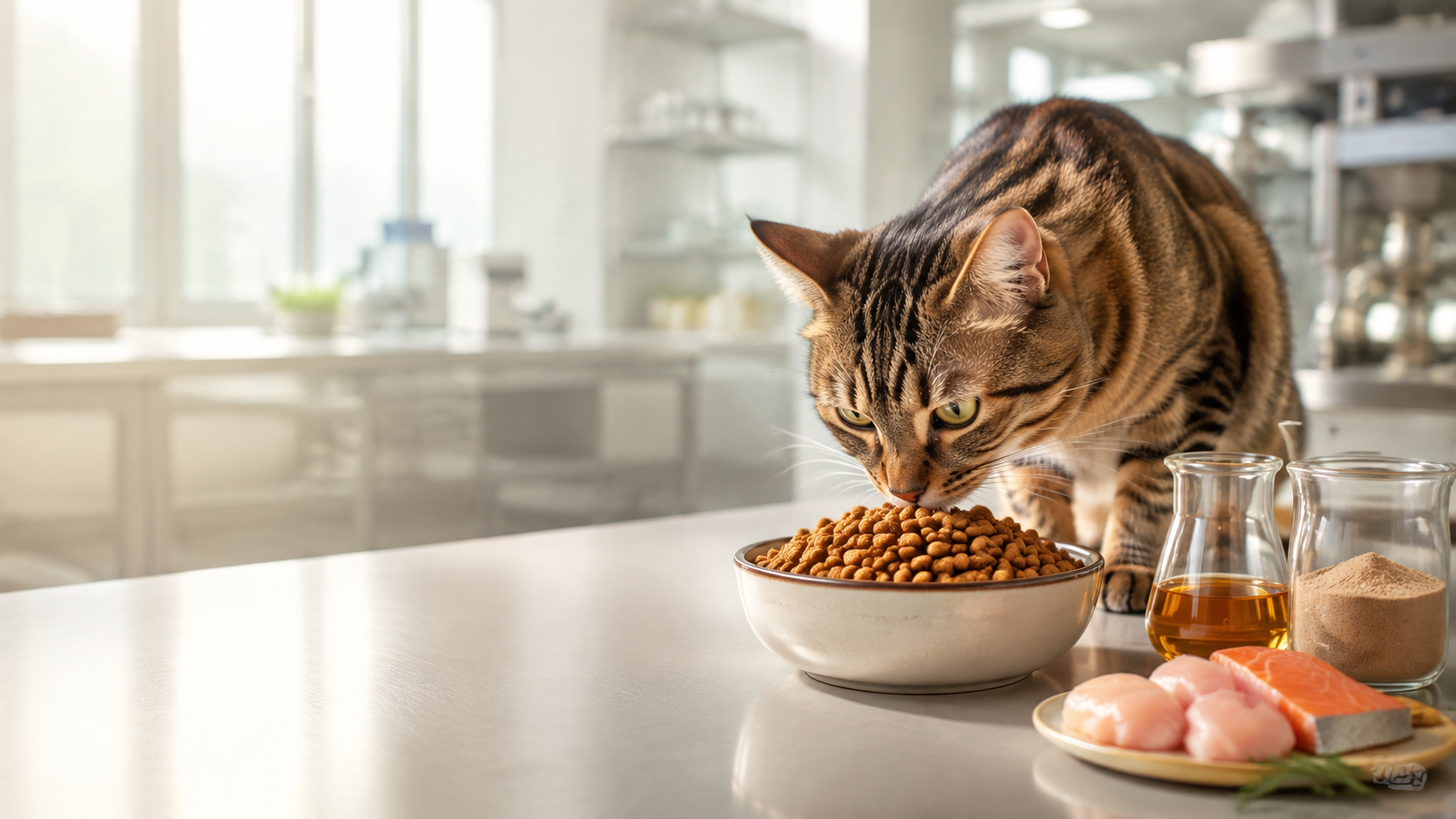
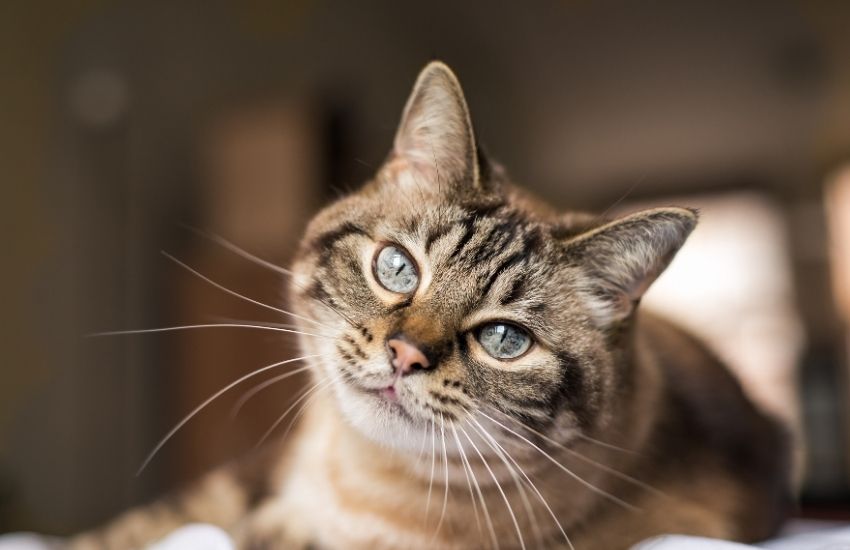
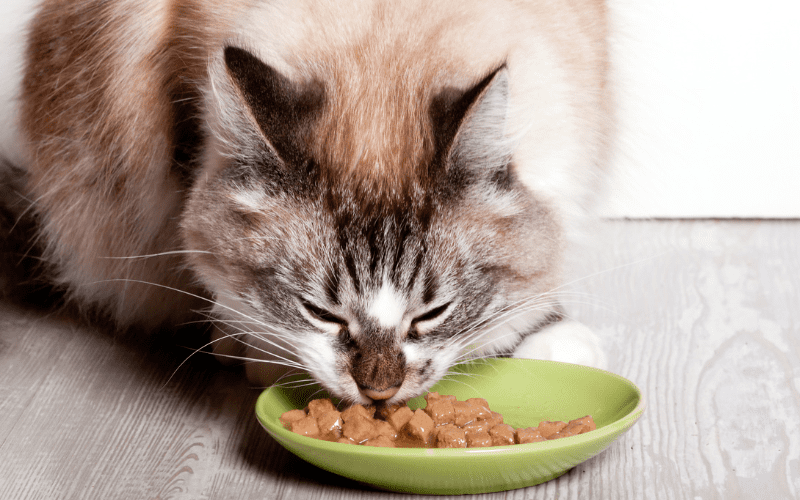
Cats depend even more on smell and specific amino acid profiles because they are obligate carnivores.
Even nutritionally balanced diets may have poor acceptance if they lack sufficient palatability. A well-designed palatant helps encourage pets to approach the food, take the first bite, and continue eating consistently.
Modern pet palatants are developed using ingredients such as:
- Hydrolyzed animal proteins
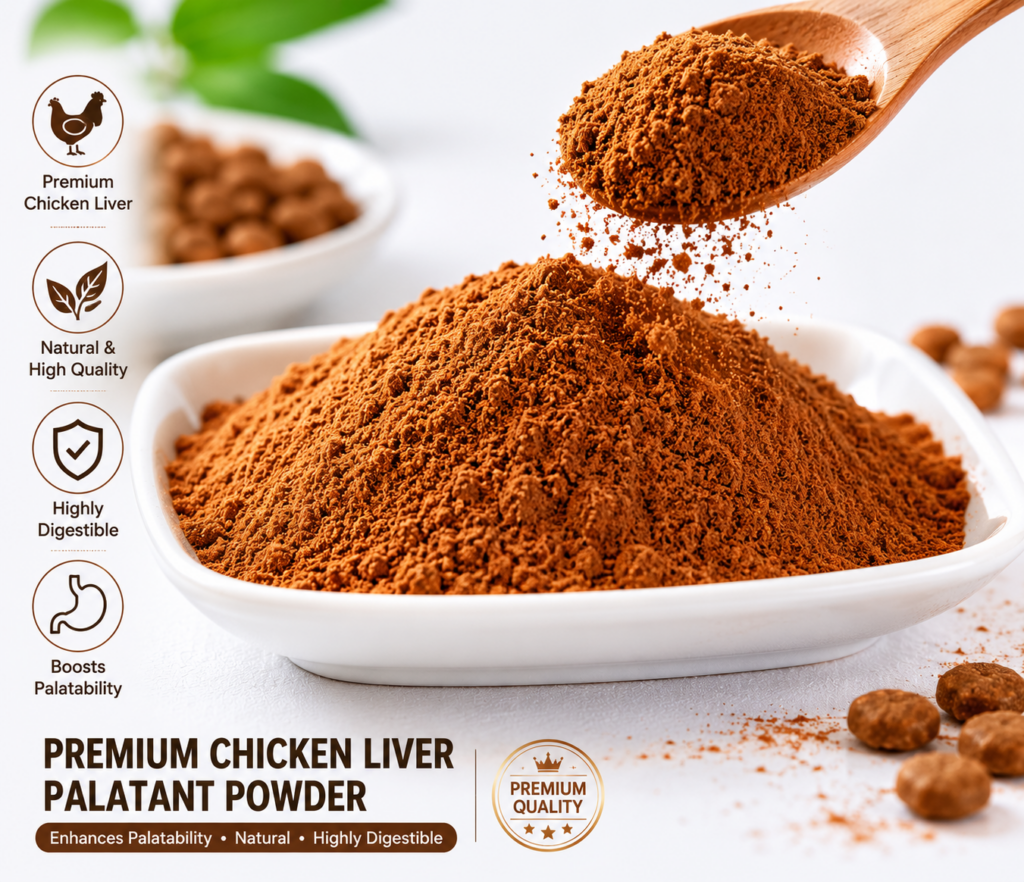
- Chicken liver
- Chicken fat
- Fish proteins
- Meat extracts
- Natural flavor compounds
- Yeast extracts
- Functional nutritional ingredients
Rather than masking poor-quality ingredients, premium palatants complement high-quality formulations and create a more enjoyable feeding experience.
Why Are Pet Palatants So Important?
Many pet owners assume pets will naturally eat healthy food. In reality, feeding behavior is influenced by multiple sensory factors.
Without sufficient palatability, manufacturers often encounter:
- Lower feeding acceptance
- Increased product returns
- Negative online reviews
- Difficulty launching premium products
- Reduced repeat purchases
For manufacturers, these problems directly affect profitability.
Adding a scientifically formulated palatant helps improve:
Higher Feed Intake
Pets begin eating more quickly after food is presented.
Better Flavor Consistency
Every production batch delivers a similar sensory experience.
Improved Brand Loyalty
Pet owners tend to repurchase products that their pets consistently enjoy.
Easier Formula Upgrades
Manufacturers can introduce functional ingredients, alternative proteins, or grain-free formulations without sacrificing acceptance.
Enhanced Product Value
Premium palatants allow brands to position products at higher market segments while maintaining consumer satisfaction.
How Do Pet Palatants Work?
Many people believe palatants simply make food “taste better.”
The science is actually much more sophisticated.
Pet palatants stimulate multiple sensory pathways simultaneously.
Aroma Attraction
When the package is opened, volatile aroma compounds are released.
This encourages pets to approach the bowl before tasting the food.
Aroma is especially important for cats, whose feeding behavior is highly influenced by smell.
Initial Flavor Response
The first bite determines whether a pet continues eating.
Hydrolyzed proteins provide naturally occurring amino acids and peptides that stimulate taste receptors associated with meat flavors.
Mouthfeel
Fat-based palatants improve coating uniformity and provide a richer texture.
This creates a more satisfying chewing experience.
Post-Ingestive Satisfaction
High-quality palatants help create positive feeding experiences, encouraging pets to return for future meals.
Repeated positive experiences contribute to long-term product preference.
Types of Pet Palatants
Not all palatants are the same.
Different pet foods require different coating technologies.
Spray-Dried Powder Palatants
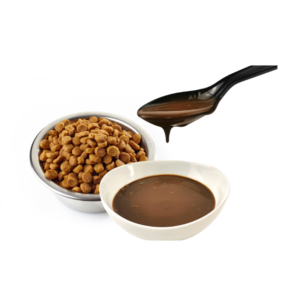
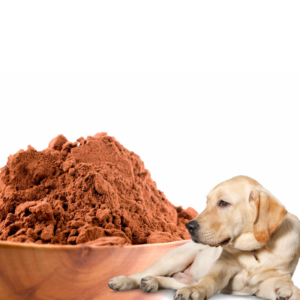
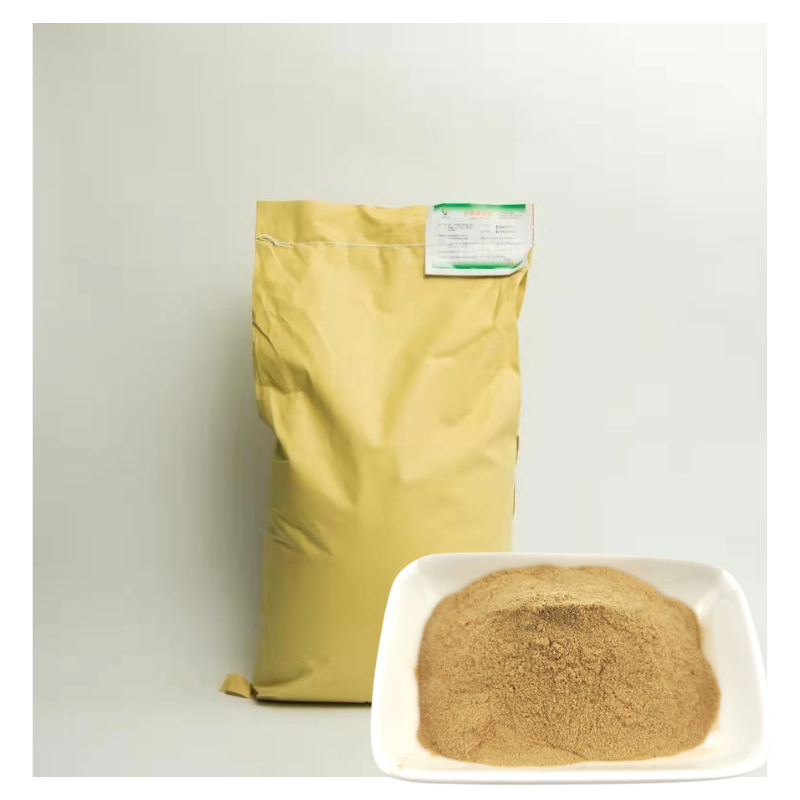
Spray-dried powders are among the most widely used solutions for dry pet food.
Advantages include:
- Excellent storage stability
- Uniform coating
- Easy transportation
- Low moisture
- Long shelf life
- Precise application
Typical applications:
- Dry dog food
- Dry cat food
- Freeze-dried treats
- Functional snacks
Liquid Palatants
Liquid palatants are commonly sprayed onto kibble after fat coating.
Benefits include:
- Strong aroma release
- Excellent surface coverage
- Flexible dosage adjustment
- High processing efficiency
Suitable for:
- Premium kibble
- Semi-moist foods
- Functional diets
Chicken-Based Palatants
Chicken remains one of the most accepted protein sources among dogs and cats.
Chicken-derived palatants often contain:
- Hydrolyzed chicken protein
- Chicken liver digest
- Chicken fat
- Meat extracts
These ingredients provide rich umami characteristics while supporting broad acceptance across multiple product categories.
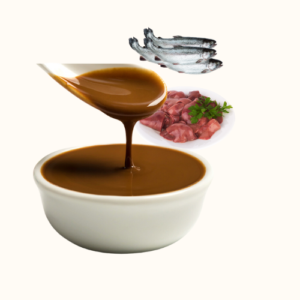
Fish-Based Palatants
Fish flavors are especially attractive to cats.
Common sources include:
- Tuna
- Salmon
- White fish
- Marine protein hydrolysates
Fish palatants are frequently used in:
- Cat food
- Kitten diets
- Premium seafood recipes
Functional Palatants
The newest generation of palatants combines flavor enhancement with nutritional benefits.
Examples include ingredients supporting:
- Digestive health
- Immune function
- Skin and coat
- Healthy aging
- Gut microbiota
These multifunctional ingredients allow manufacturers to differentiate products while maintaining excellent palatability.
Applications Across Different Pet Foods
Pet palatants are now used in nearly every category of commercial pet food.
Dry Dog Food
Dry kibble remains the largest application.
Palatants improve aroma after extrusion, compensate for flavor loss during high-temperature processing, and increase feeding acceptance.
Dry Cat Food
Cats are often more selective than dogs.
Manufacturers typically use stronger aroma profiles combined with marine proteins or chicken liver hydrolysates to maximize acceptance.
Freeze-Dried Treats
Although freeze-dried ingredients retain natural flavor, additional surface coating can enhance aroma consistency across different production batches.
Dental Chews
Dental treats often contain functional ingredients that may reduce flavor appeal.
Palatants help balance nutrition and taste.
Functional Diets
Veterinary diets frequently include ingredients designed for specific health conditions.
These formulas sometimes sacrifice flavor.
A carefully selected palatant helps improve voluntary intake while maintaining nutritional objectives.
How Are Pet Palatants Manufactured?
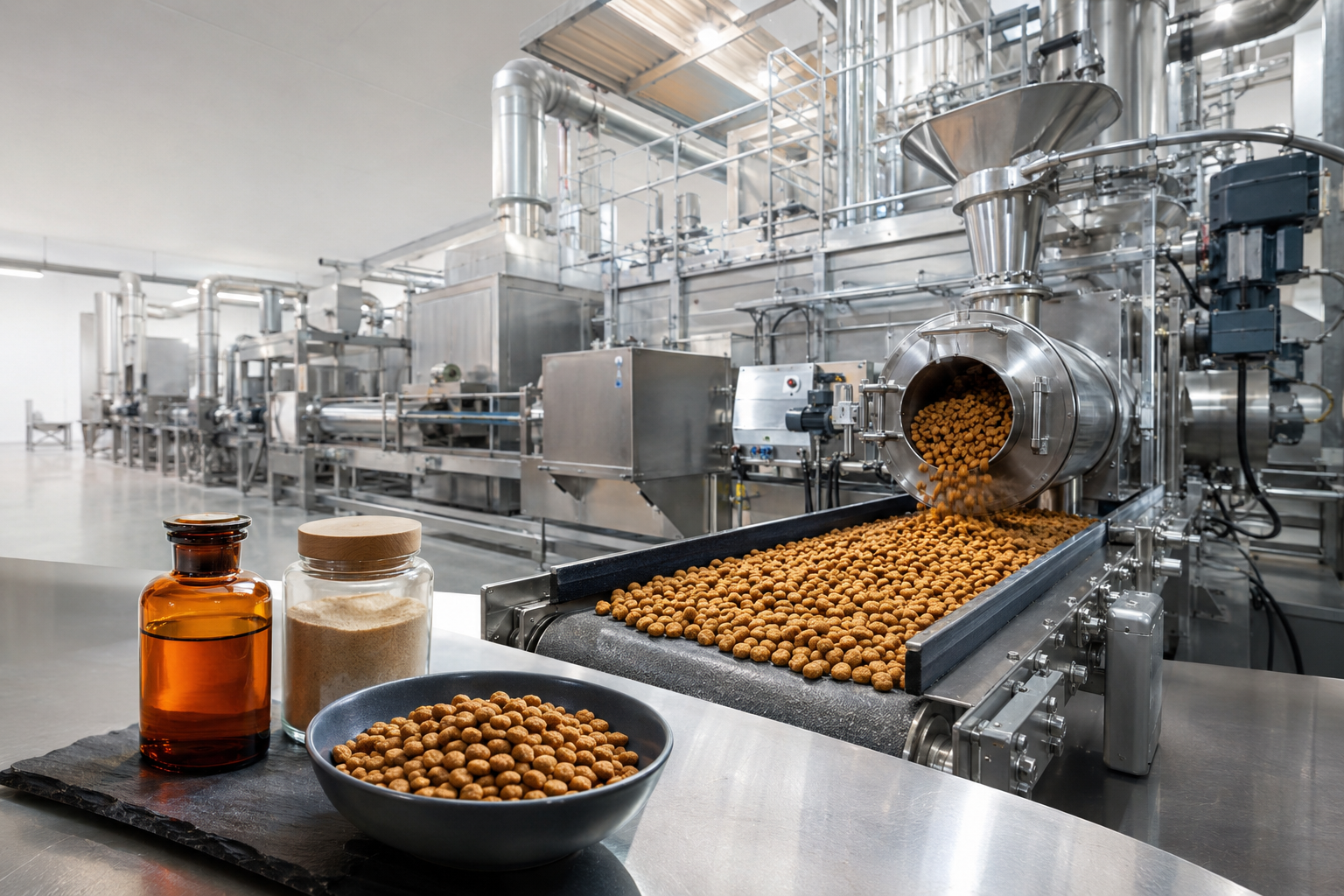
Modern palatant production combines food science, enzymatic technology, and advanced drying processes.
While formulations vary by supplier, the typical manufacturing process includes several key steps.
1. Raw Material Selection
High-quality animal proteins, fats, organs, or marine ingredients are carefully selected and tested for safety, freshness, and consistency.
2. Enzymatic Hydrolysis
Selected proteins undergo controlled hydrolysis, breaking them down into smaller peptides and amino acids that enhance natural umami flavor and improve digestibility.
3. Flavor Development
Natural reactions, including controlled thermal processing, help generate rich meaty aromas without relying on artificial flavorings.
4. Spray Drying or Liquid Processing
Depending on the intended application, the palatant is either spray-dried into a stable powder or processed into a liquid coating suitable for post-extrusion application.
5. Quality Testing
Each batch is evaluated for:
- Microbiological safety
- Moisture content
- Particle size
- Flavor consistency
- Stability
- Palatability performance
How to Choose the Right Pet Palatant Supplier
Selecting a pet palatant supplier is about more than comparing prices. The right partner should help improve product performance, maintain consistent quality, and support long-term product development.
Here are the key factors to consider.
Raw Material Traceability
A reputable supplier should be able to identify the origin of every major ingredient used in its palatants. Whether the product contains hydrolyzed chicken liver, poultry protein, fish protein, or chicken fat, traceability ensures both safety and consistency.
Ask suppliers whether they have:
- Approved raw material supplier programs
- Batch traceability systems
- Incoming material inspection procedures
- Heavy metal and microbiological testing
Consistent raw materials result in consistent palatability from batch to batch.
Manufacturing Capability
Modern pet palatants require precise processing technology.
A qualified manufacturer should offer:
- Spray drying production lines
- Liquid coating production
- Controlled enzymatic hydrolysis
- Flavor development technology
- Quality control laboratories
Manufacturers with integrated production typically provide better quality control than companies relying on outsourced processing.
Quality Certifications
Global pet food brands generally require internationally recognized food safety certifications.
Look for manufacturers certified to standards such as:
- ISO 22000
- BRCGS
- IFS
- HACCP
- GMP
These certifications indicate that the facility follows standardized food safety and quality management systems.
Research and Development Support
Every pet food formula is different.
An experienced supplier should provide technical assistance, including:
- Formula recommendations
- Application guidance
- Dosage optimization
- Palatability improvement strategies
- Sample testing
A strong R&D team can shorten product development cycles and improve launch success.
Global Export Experience
If your products are sold internationally, choose a supplier familiar with export regulations and documentation requirements.
An experienced exporter can assist with:
- Export documentation
- Product specifications
- COA
- MSDS
- Regulatory support
- Shipping coordination
Spray-Dried Powder vs. Liquid Pet Palatants
Both powder and liquid palatants are widely used in the pet food industry. The best choice depends on your product type, production process, and desired sensory profile.
| Feature | Spray-Dried Powder | Liquid Palatant |
|---|---|---|
| Shelf life | Excellent | Good |
| Storage | Easy | Requires controlled storage |
| Transportation | Cost-effective | Higher freight cost |
| Aroma intensity | Moderate | Strong |
| Coating uniformity | Excellent | Excellent |
| Moisture contribution | Very low | Higher |
| Production flexibility | High | High |
Many premium manufacturers combine both technologies.
For example:
- Liquid chicken fat provides surface adhesion and aroma.
- Spray-dried palatant adds concentrated flavor and improves consistency.
This combination often delivers superior palatability compared with using either product alone.
Why Spray-Dried Technology Matters
Spray drying has become one of the most widely adopted manufacturing technologies for pet food palatants.
Compared with conventional drying methods, spray drying offers several advantages.
Better Flavor Stability
Rapid drying helps preserve volatile aroma compounds.
This allows pets to experience stronger flavor release when food is served.
Longer Shelf Life
Low moisture significantly reduces microbial growth and improves storage stability.
Manufacturers can maintain product quality during long-distance transportation and extended warehouse storage.
Excellent Flowability
Uniform powder particles reduce caking and improve handling during production.
This helps manufacturers achieve consistent coating efficiency.
Precise Application
Fine powder particles distribute evenly across kibble surfaces, reducing waste while improving flavor consistency.
Lower Transportation Costs
Spray-dried powders contain less water than liquid products, reducing shipping weight and improving logistics efficiency.
OEM and Custom Pet Palatant Solutions
Every pet food brand has unique requirements.
Large manufacturers often require customized palatants designed specifically for their formulas.
OEM services may include:
Customized Flavor Profiles
Different markets prefer different flavor characteristics.
Examples include:
- Chicken
- Beef
- Duck
- Salmon
- Tuna
- Lamb
- Mixed meat
- Marine seafood
Species-Specific Formulas
Dogs and cats respond differently to aromas and amino acid profiles.
Customized formulations can be optimized specifically for:
- Adult dogs
- Puppies
- Senior dogs
- Adult cats
- Kittens
- Functional diets
Processing Compatibility
Customized palatants can be designed for:
- Extruded kibble
- Freeze-dried treats
- Soft treats
- Wet food
- Dental chews
- Air-dried products
Private Label Manufacturing
OEM manufacturers often support:
- Customized packaging
- Product branding
- Technical documentation
- Export labeling
- Market-specific formulations
This allows distributors and pet food brands to build differentiated product lines without investing in their own manufacturing facilities.
Trends Shaping the Future of Pet Palatants
The global pet food industry continues to evolve, creating new opportunities for palatant innovation.
Several important trends are influencing product development.
Natural Ingredients
Consumers increasingly prefer products made with recognizable ingredients.
Manufacturers are replacing artificial flavors with natural protein hydrolysates, meat extracts, and animal-derived ingredients.
Clean Label Products
Pet owners are paying closer attention to ingredient labels.
Demand continues to grow for:
- Natural flavors
- No artificial colors
- No artificial preservatives
- Simple ingredient lists
Functional Nutrition
Palatants are increasingly expected to deliver more than taste.
New formulations may support:
- Digestive health
- Immune function
- Skin and coat condition
- Healthy aging
- Joint support
Sustainable Protein Sources
The industry is exploring more sustainable raw materials while maintaining high palatability.
This includes:
- Alternative animal proteins
- By-product utilization
- Responsible sourcing
- Reduced environmental impact
Precision Nutrition
Future palatants may be tailored according to:
- Breed
- Age
- Lifestyle
- Health conditions
- Individual feeding behavior
Personalized nutrition is becoming an important direction for premium pet food brands.
Frequently Asked Questions
What is the purpose of a pet palatant?
A pet palatant enhances the aroma, flavor, and overall eating experience of pet food, encouraging dogs and cats to consume food more willingly while improving long-term feeding acceptance.

Are pet palatants safe?
Yes. High-quality pet palatants are produced using food-grade ingredients under strict quality management systems. Reputable manufacturers conduct microbiological, chemical, and quality testing before shipment.
What is the difference between powder and liquid palatants?
Powder palatants offer excellent storage stability and are easy to transport, while liquid palatants typically provide stronger aroma release and are ideal for post-extrusion coating.
Can pet palatants be customized?
Yes. Most professional manufacturers offer customized formulations based on animal species, product type, flavor preference, processing technology, and regional market requirements.
Which pet foods use palatants?
Pet palatants are widely used in:
- Dry dog food
- Dry cat food
- Freeze-dried treats
- Soft treats
- Dental chews
- Functional diets
- Wet food
- Premium snacks
Conclusion
As competition in the pet food industry continues to intensify, product quality alone is no longer enough to secure consumer loyalty. Palatability has become a key factor influencing purchase decisions, repeat sales, and long-term brand success.
A scientifically developed pet palatant enhances aroma, flavor, and overall feeding acceptance while supporting consistent product performance across different production batches. Whether you manufacture dry kibble, freeze-dried treats, dental chews, or functional diets, selecting the right palatant solution can significantly improve product value and customer satisfaction.
Working with an experienced OEM pet palatant manufacturer also provides access to customized formulations, advanced processing technologies, technical support, and reliable quality assurance—helping brands bring more competitive products to market.
As consumer demand shifts toward natural ingredients, clean-label formulations, and functional nutrition, pet palatants will continue to play an increasingly important role in the future of pet food innovation.
Call to Action
Looking for a trusted OEM pet palatant manufacturer?
At Profypet, we specialize in developing high-performance spray-dried powder and liquid pet palatants for dog food, cat food, freeze-dried treats, wet food, and functional pet nutrition. Our experienced R&D team provides customized flavor solutions designed to improve palatability, optimize production performance, and meet the evolving needs of global pet food brands.