Palatant For Cat Food
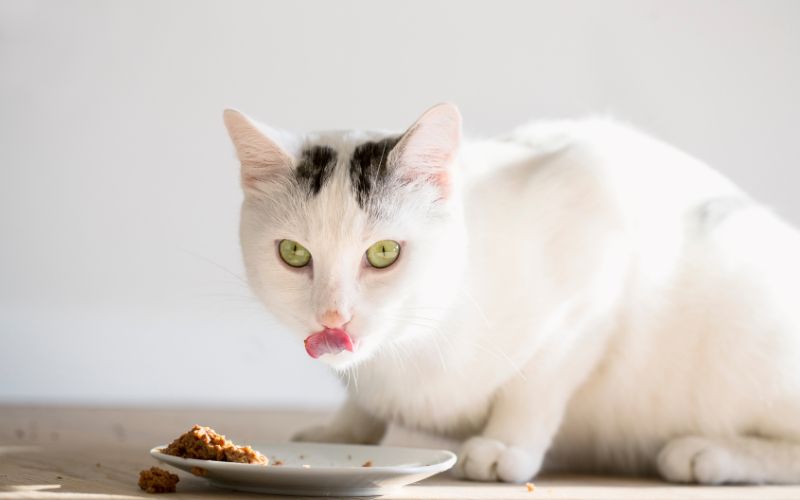
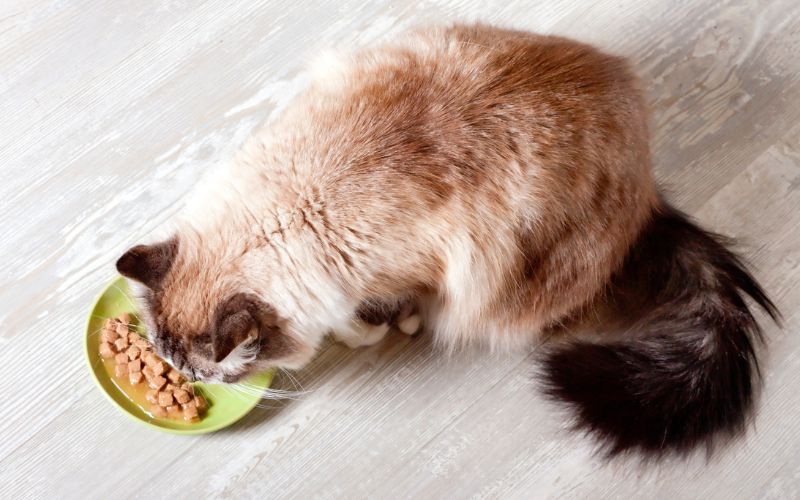
You pour your cat a bowl of food. It’s premium, protein-packed, and nutritionally complete.
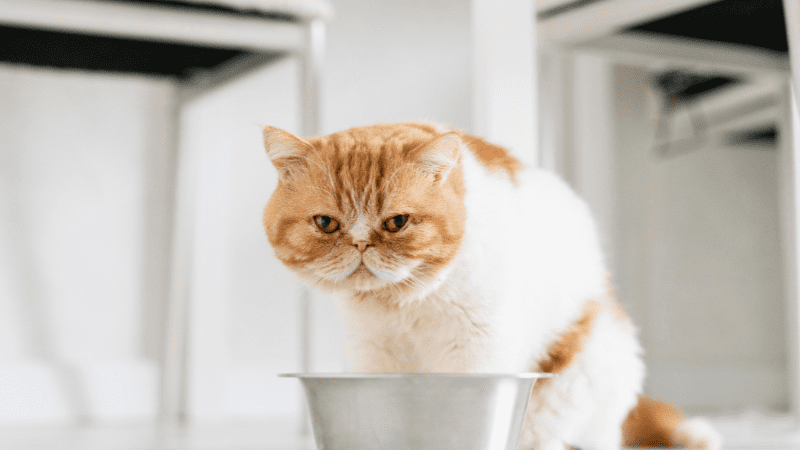
She sniffs it. Then walks away.
Sound familiar?
Cats are notorious food critics. And if you’re in the business of making or selling pet food, you already know: it doesn’t matter how healthy your formulation is — if it doesn’t smell right, it’s getting the cold shoulder.
That’s where palatants come in.
So… What Are Palatants, Really?
Think of palatants as the “seasoning” of pet food — the secret sauce that makes kibble irresistible or turns an ordinary pouch into a feline feast.
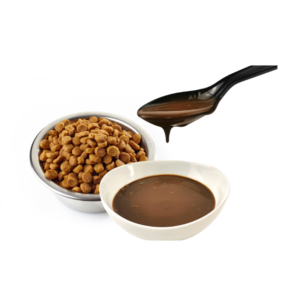
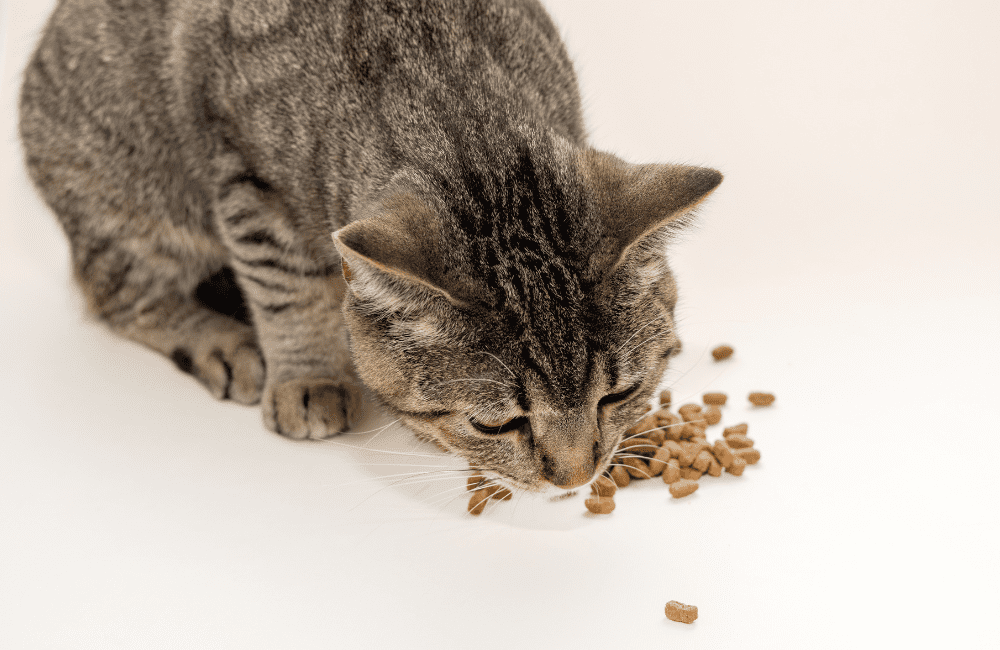
Palatants are added to cat food and animal feed to improve smell, taste, and overall appeal. They’re usually made from things cats already love — like liver, fish, poultry, or yeast — and they’re used in both dry and wet formats.
And no, they’re not about “tricking” cats into eating. They’re about helping them want to eat what’s good for them.
Why Cats Are So Hard to Please
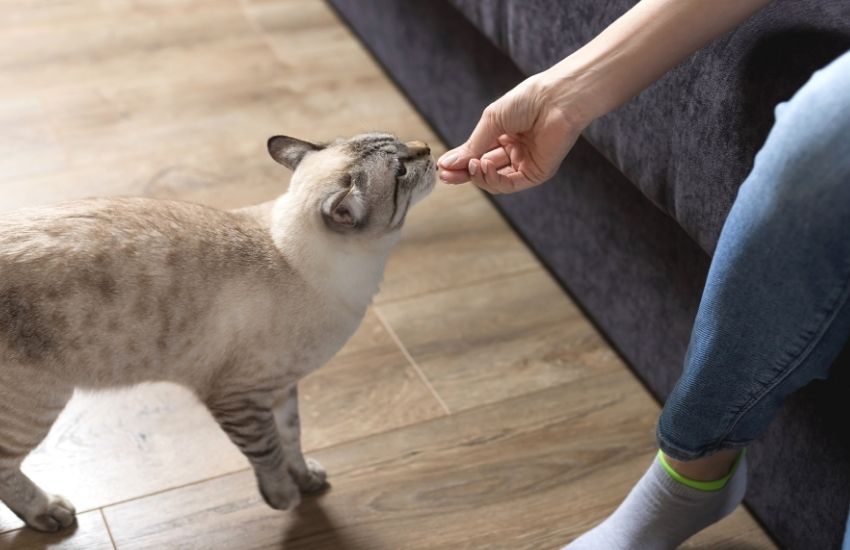
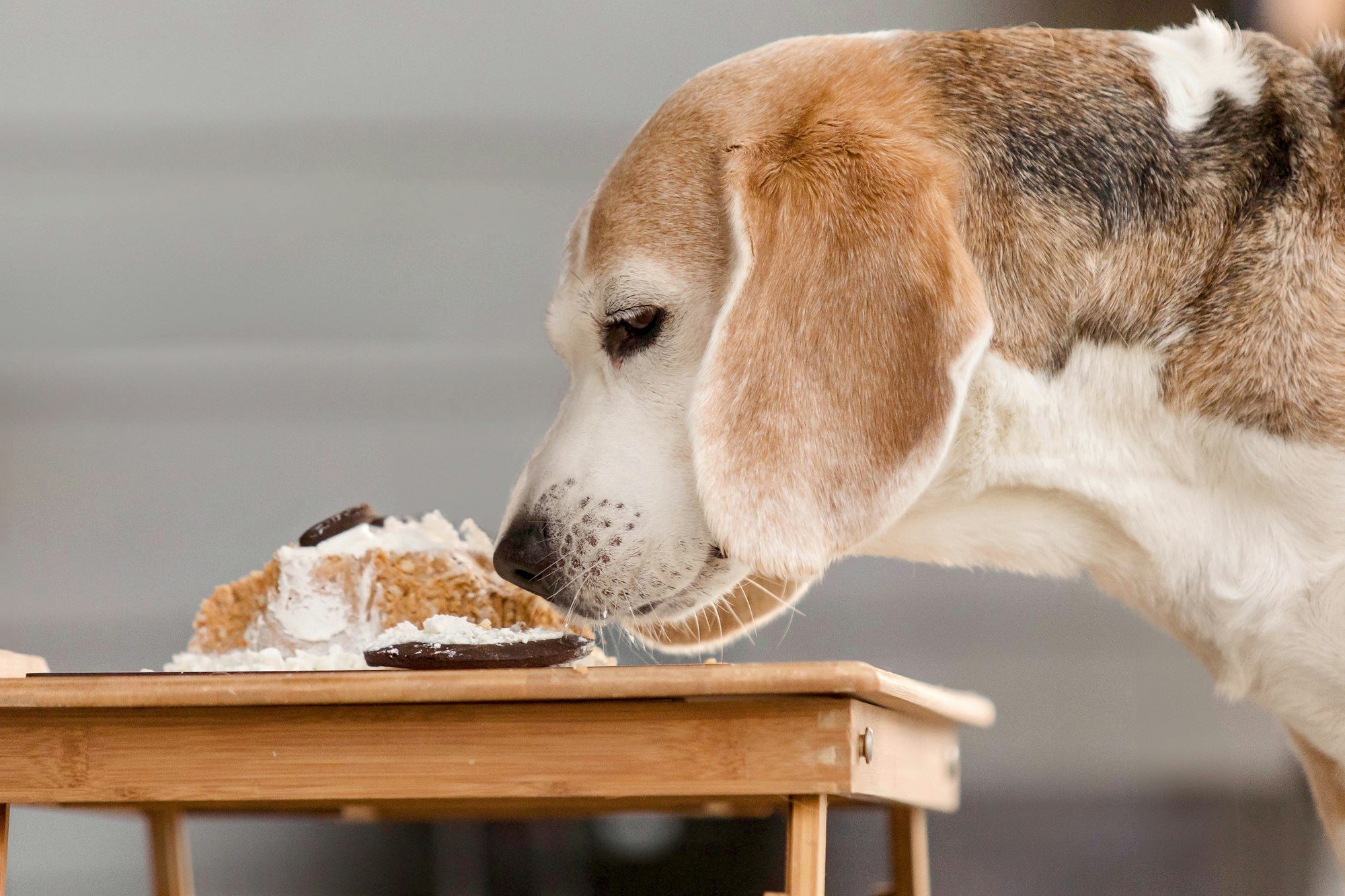
Cats aren’t being difficult for no reason — they’re built this way. Unlike dogs, who will happily eat yesterday’s sandwich crusts, cats are obligate carnivores. Their senses are hardwired to seek out animal-based nutrients.
Here’s what that means:
- Smell is everything. Cats rely on their nose more than their tongue. If the food doesn’t smell enticing, they won’t even taste it.
- They ignore sweet stuff. Cats lack the gene for sweet taste receptors. Flavor enhancers for them must focus on umami and savory notes.
- They love routine. Some cats imprint on specific textures or aromas and will reject new foods that don’t match their expectations.
Palatants are formulated with all this in mind — designed specifically to appeal to feline preferences, not human ones.
Types of Palatants for Cat Food
Let’s break it down. There are two main kinds of palatants:

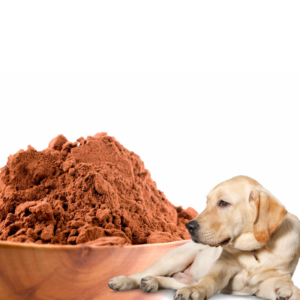
1. Dry Palatants
These usually come in powder form and are sprayed or coated onto kibble after cooking. They might include:
- Hydrolyzed chicken liver
- Spray-dried fish digest
- Poultry meal concentrates
- Yeast hydrolysates
Dry palatants stick to the surface of kibble and release a strong aroma when the bag is opened — you know that “meaty” smell that makes cats come running? That’s usually palatant magic at work.
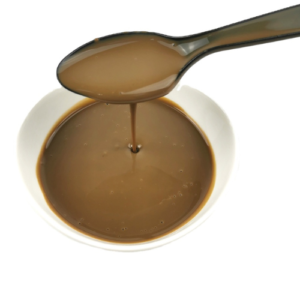
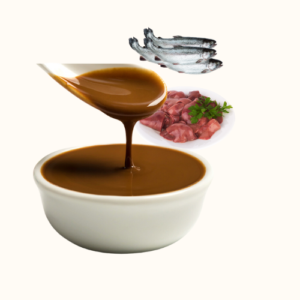
2. Liquid Palatants
These are more commonly used in wet food or semi-moist treats. They might be:
- Chicken broth concentrates
- Fermented fish sauces
- Liver oil emulsions
- Enzyme-treated fats
Liquid palatants are ideal for sachets, cans, and even functional treats. They coat food evenly and can boost both smell and mouthfeel.
The Bigger Picture: Palatants in Animal Feed
While we’re focused on cats, it’s worth noting that palatants are also essential in broader animal nutrition:
- In aquaculture, palatants improve feed intake for fish and shrimp, especially under stressful farming conditions.
- For livestock, like piglets or poultry, palatants can ease the transition to new diets or masked medications.
- Even working animals and exotics benefit from enhanced feed palatability.
The goal across the board is the same: if the animal eats well, it lives well. And better intake means better growth, immunity, and productivity.
Trends: What Today’s Buyers Want in Palatants
Pet parents — and by extension, pet food brands — are changing. Gone are the days of vague “meat flavors.” Now, the pressure is on to deliver clean-label, functional, and species-specific ingredients.
Here’s what’s trending:
✅ Clean & Natural
Consumers want to recognize ingredients on the label. That means palatants made from real organ meats, clean hydrolysates, or yeast — no artificial flavors, colorants, or MSG.
✅ Single-Protein Palatants
For hypoallergenic or limited-ingredient diets, single-source palatants (like only duck or only rabbit) are rising in demand.
✅ Functional Extras
Some palatants are doing double duty — not only improving flavor but also supporting gut health, joint care, or immune response through added nutrients like prebiotics, omega-3s, or herbs.
How Do You Know If a Palatant Works?
Good question. It’s not enough to throw a liver powder on kibble and hope for the best.
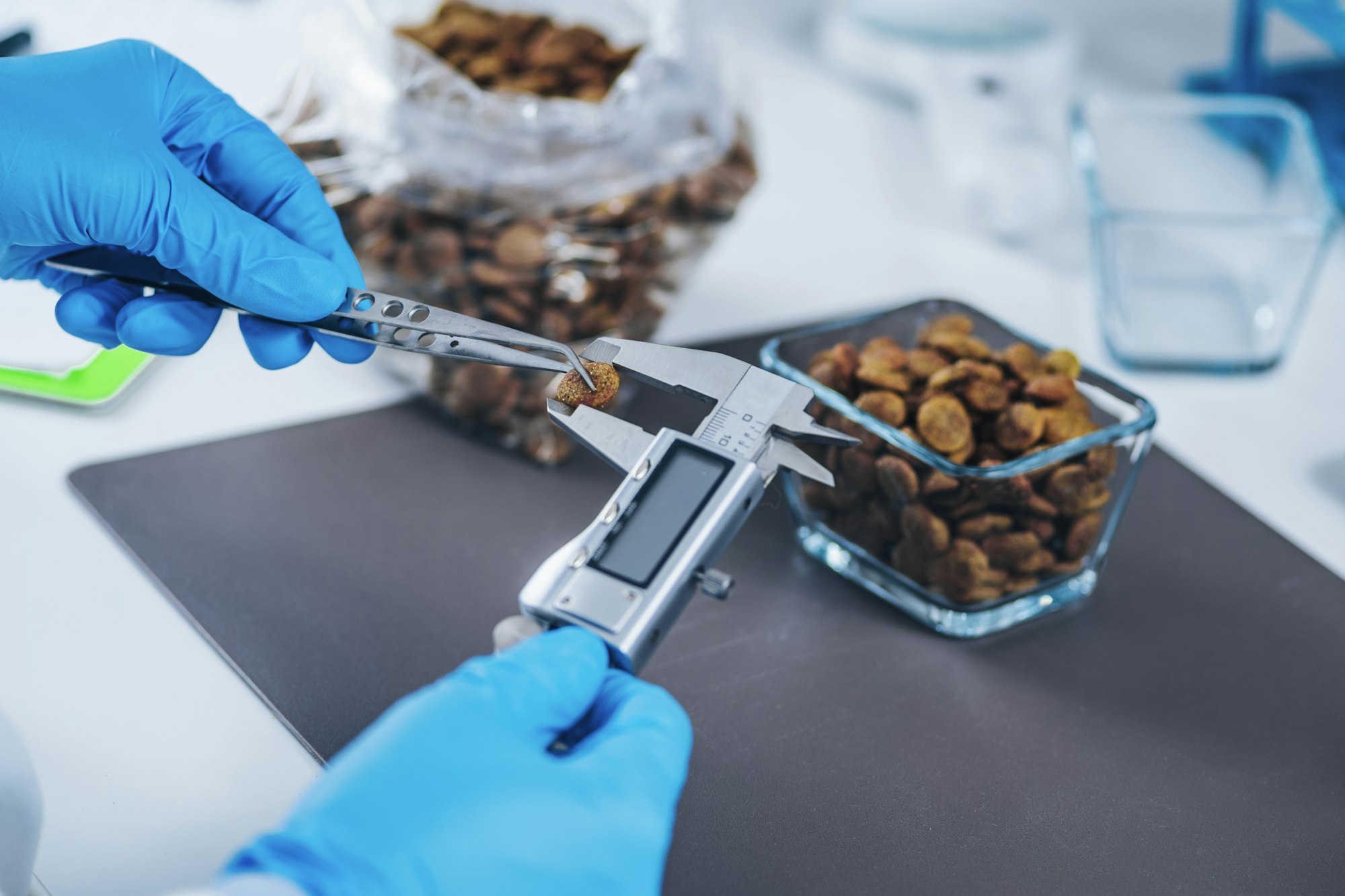
Palatability testing is essential. Leading pet food companies conduct trials like:
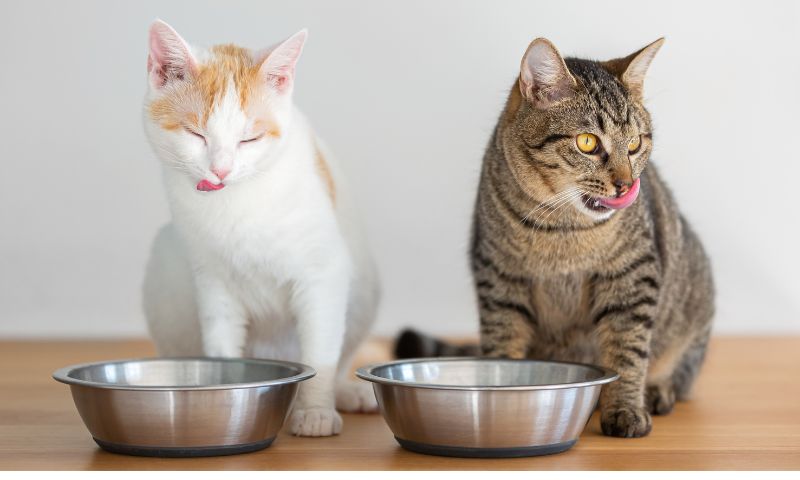
- Two-bowl tests: Offering cats two different options and tracking preference.
- One-bowl acceptance tests: Measuring how much is eaten and how fast.
Top palatant manufacturers will share this data with you. If they don’t? That’s a red flag.
Choosing the Right Palatant Partner
If you’re a pet food manufacturer, OEM brand, or animal feed producer, your palatant supplier isn’t just another vendor — they’re a vital part of your product’s success.
Here’s what to look for:
- Species specialization — Do they understand cats?
- Customization options — Can they match your product goals and format?
- Regulatory compliance — Especially for export (AAFCO, FEDIAF, etc.)
- Stable supply chain — Can they scale with you as you grow?
A great supplier will work with you — from formulation to flavor trials to feedback from your customers (and their cats).
Final Thoughts: When Cats Approve, Business Grows
Cats don’t fake it.
If they like something, they eat it. If they don’t, they won’t touch it — no matter how many nutrients it contains. That’s why palatants are the secret weapon of successful cat food brands.
They bridge the gap between nutrition and desire. Between what’s healthy and what’s irresistible.
And in today’s crowded market, that can make all the difference.
👋 Want to Explore Palatants for Your Brand?
At ProfyPet.com, we help pet food manufacturers and feed producers craft custom palatant solutions that cats genuinely love. From hydrolyzed chicken liver to fish-based liquid palatants, we’ve got the expertise — and the flavor profiles — to support your next big product.
Let’s make your cat food the one they can’t resist.