Hydrolyzed chicken liver for cat
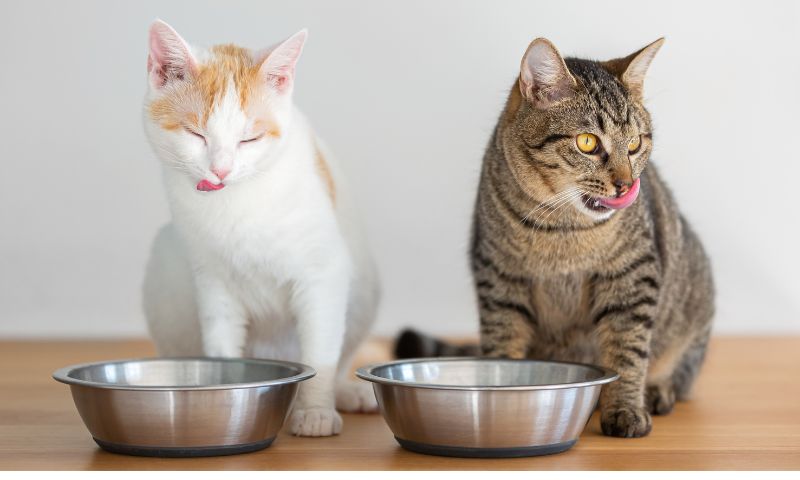
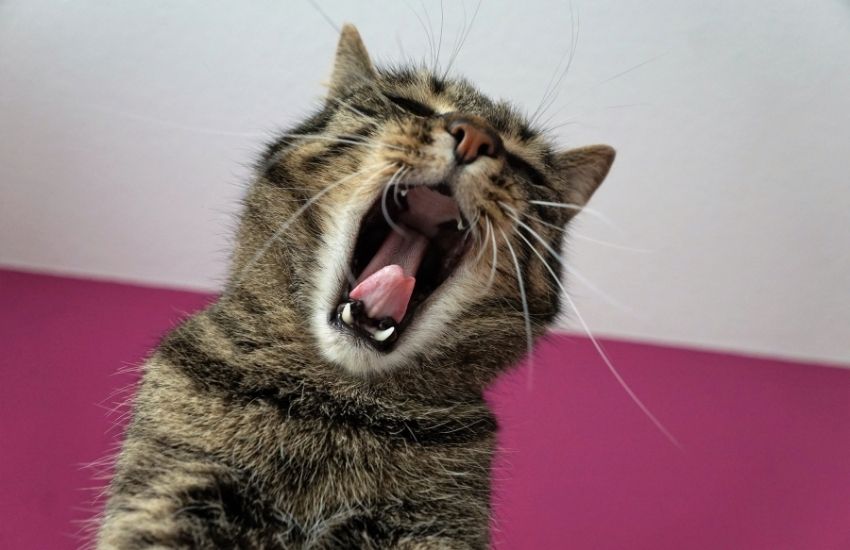
If you’ve ever worked on formulating cat food, you know the struggle: cats are picky. They’ll sniff, paw, or outright walk away from a bowl if it doesn’t smell or taste exactly right. For manufacturers, that means palatability isn’t just a nice-to-have—it’s the make-or-break factor.
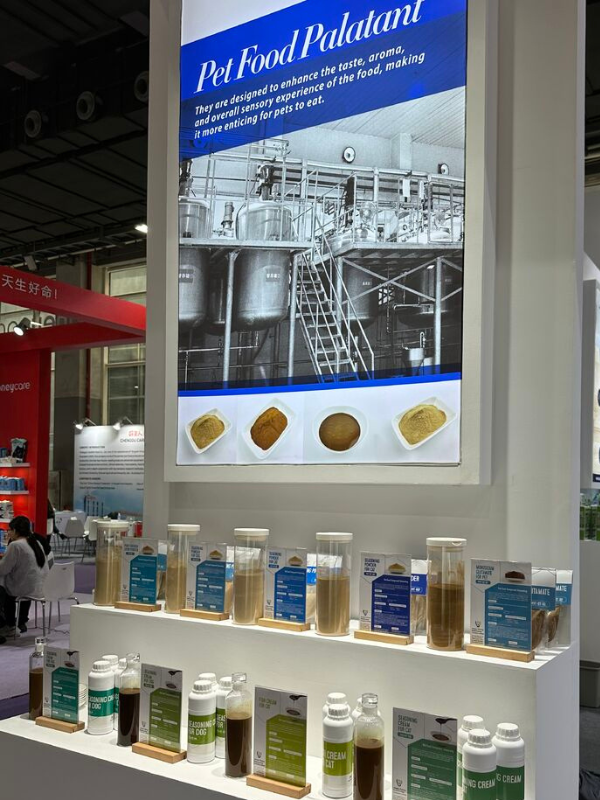
One ingredient has been quietly shaping the success of many best-selling cat foods: hydrolyzed chicken liver. It’s not just a flavor booster—it’s a science-driven palatant that brings together aroma, taste, and nutrition in one package.
What Exactly Is Hydrolyzed Chicken Liver?
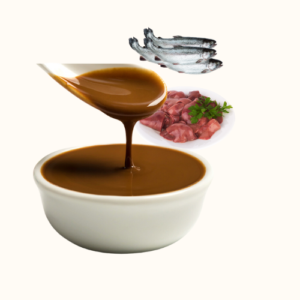
At its core, hydrolyzed chicken liver is chicken liver that’s been carefully broken down using enzymes. This process (called hydrolysis) splits large proteins into smaller pieces—peptides and amino acids—that are easier to digest and far more aromatic.
The result?
- A rich, meaty smell that cats immediately recognize.
- A boost of umami taste that keeps them coming back to the bowl.
- A nutrient-dense ingredient full of protein, vitamins, and minerals.
Think of it as unlocking all the best parts of chicken liver, while removing the variability you might get from raw meat ingredients.
Why Cats Love It
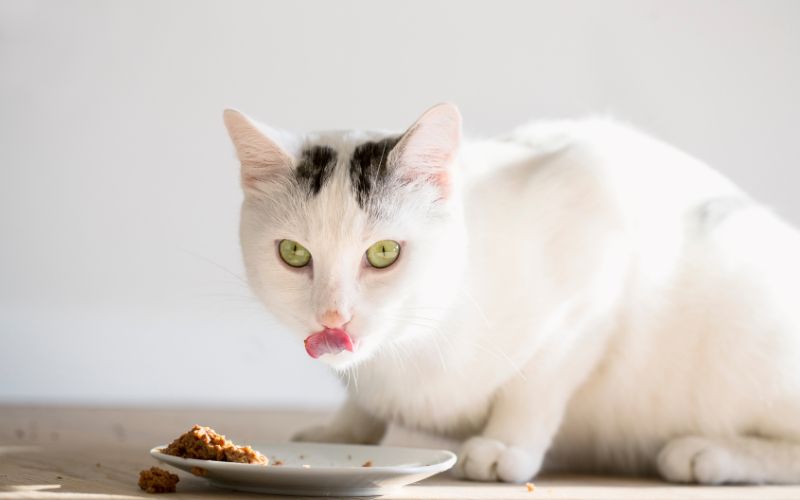
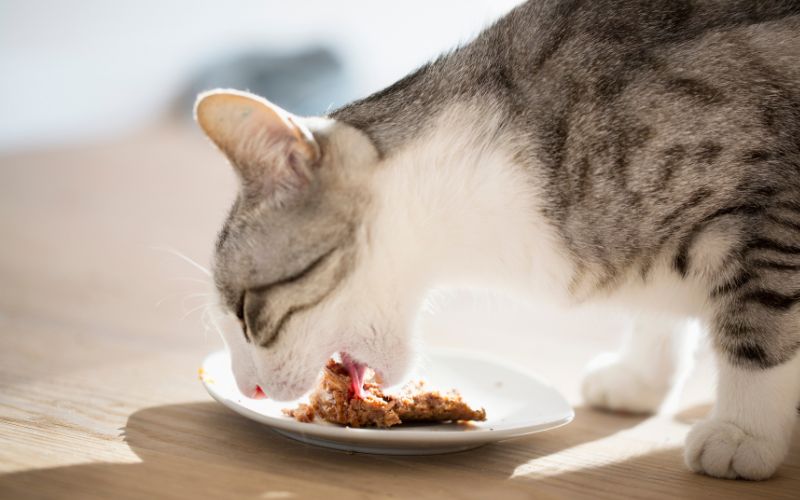
Cats are natural hunters, but in a kitchen or factory setting, they rely on one thing: smell. Hydrolyzed chicken liver produces the kind of savory, meaty aroma that lights up a cat’s appetite.
And once they taste it? The smaller protein fragments from hydrolysis hit their taste receptors in a way that feels like real fresh meat—making even dry kibble more appealing. For manufacturers, that means higher acceptance rates and fewer complaints about “fussy eaters.”
Why It Matters for Pet Food Brands
From a business point of view, hydrolyzed chicken liver is more than just a tasty add-on:
- Consistency: Unlike raw liver, it delivers the same aroma and flavor batch after batch.
- Versatility: Works across dry kibble, wet food, and treats.
- Digestibility: Hydrolysis makes proteins easier for cats to absorb.
- Label Appeal: “Chicken liver” is a familiar, reassuring term for pet parents reading the ingredients.
For pet food factories, it also blends smoothly into coating systems or gravy bases, making it an easy fit in production lines.
How It’s Used
Hydrolyzed chicken liver shows up in a variety of cat food applications:
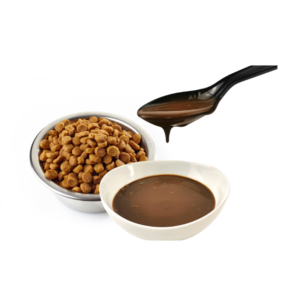
- Dry food coating: Mixed with fats and sprayed on kibble.
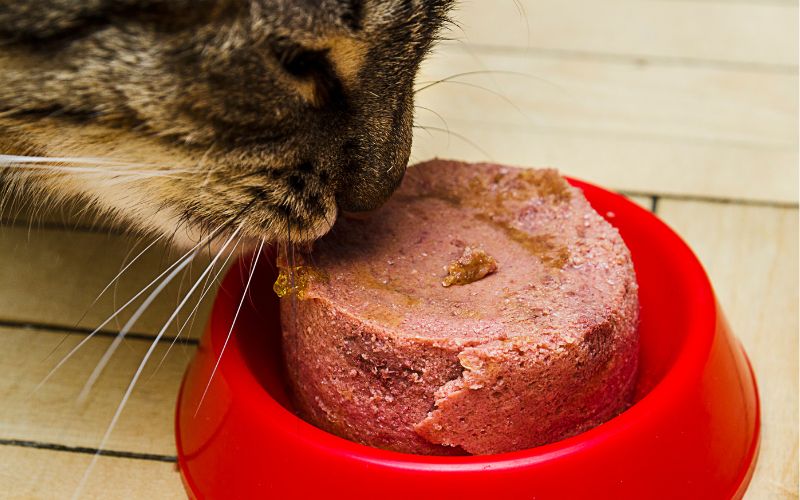
- Wet food: Added into gravies or pâtés to intensify aroma.
- Functional diets: Especially useful for cats with low appetite.
- Treats: Freeze-dried, baked, or semi-moist snacks taste better with it.
It’s the kind of ingredient that can quietly turn a product from “average” to “highly preferred.”
The Bottom Line
Hydrolyzed chicken liver is one of those behind-the-scenes ingredients that can make all the difference in whether a new cat food takes off. It’s not only tasty—it’s reliable, nutritious, and tailored to the way cats actually eat.
For pet food manufacturers, wholesalers, and factories, investing in a high-quality palatant like this means fewer picky-eater rejections, stronger product loyalty, and ultimately, a healthier bottom line.
👉 If you’d like to explore hydrolyzed chicken liver or other palatability enhancers, visit profypet.com and request a sample.