Animal Digest Palatant: A Practical Guide for Pet Food Manufacturers
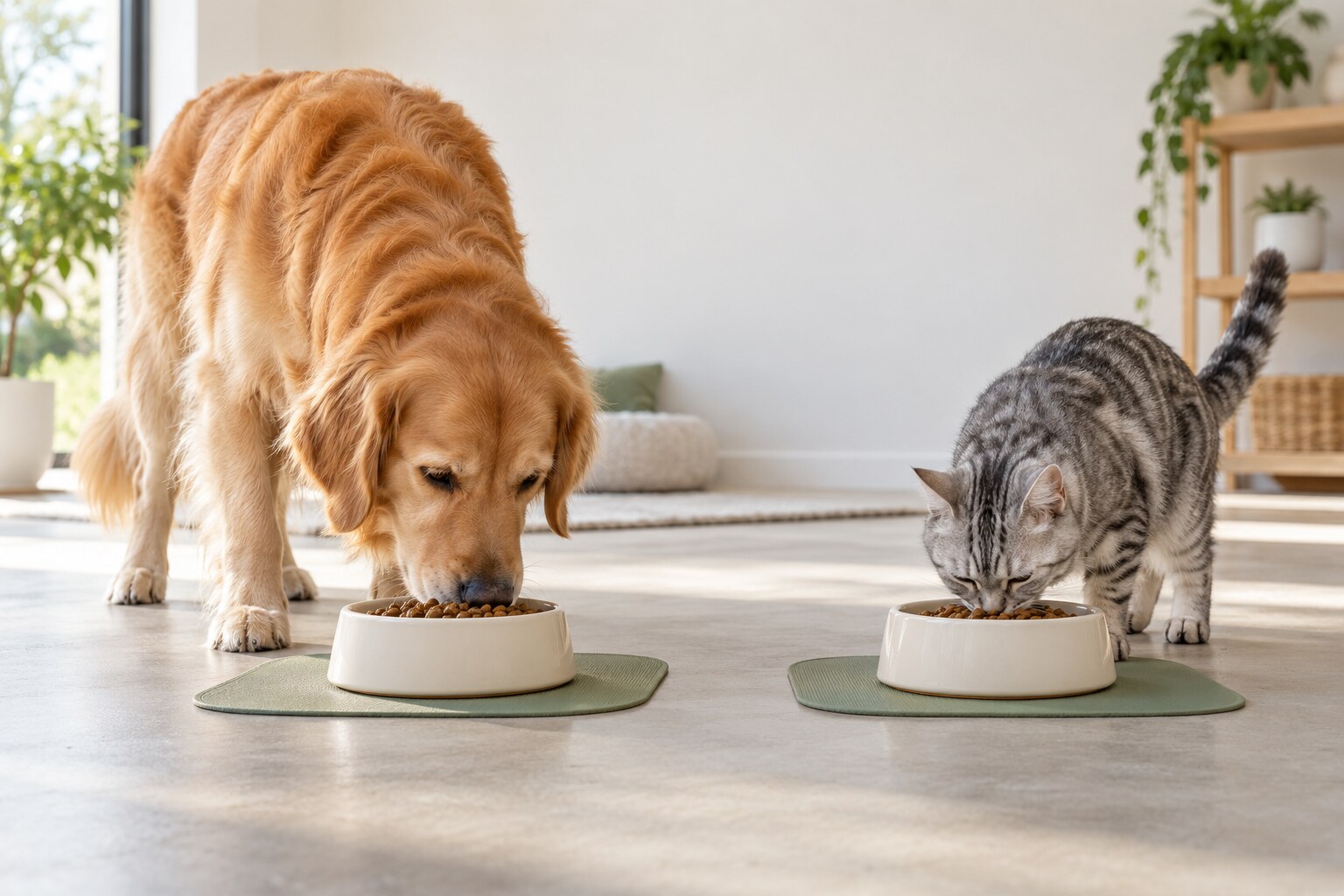
An animal digest palatant is an animal-derived flavor ingredient or ingredient system used to make pet food more appealing to dogs and cats. For manufacturers, choosing the right product means matching its flavor profile, physical form, and application method to the finished food.
A promising sample is only the starting point. The commercial question is whether it performs consistently on your recipe, runs smoothly through your equipment, and meets your cost target.
This guide explains what animal digest means, how liquid and powder palatants differ, and what to check before requesting samples or placing a bulk order.
What Is Animal Digest in Pet Food?
Animal digest is produced by breaking down suitable animal tissue through chemical or enzymatic hydrolysis. AAFCO’s published ingredient definition specifies nondecomposed tissue and excludes materials such as hair, horns, teeth, hooves, and feathers, apart from unavoidable processing traces. The term describes a manufactured ingredient. Source: AAFCO ingredient definitions, section 9.68.
Animal digest and palatant are related terms, but they are not interchangeable. Digest describes an ingredient and its processing. Palatant describes the function of improving a food’s appeal. A finished palatant may combine a digest with other flavor ingredients, so buyers should review the complete composition rather than rely on the product name.
For a chicken-based recipe, for example, ask whether the proposed product contains only chicken-derived animal ingredients or also includes other species. A flavor description alone does not answer that sourcing question.
Start With the Protein Source and Processing Details
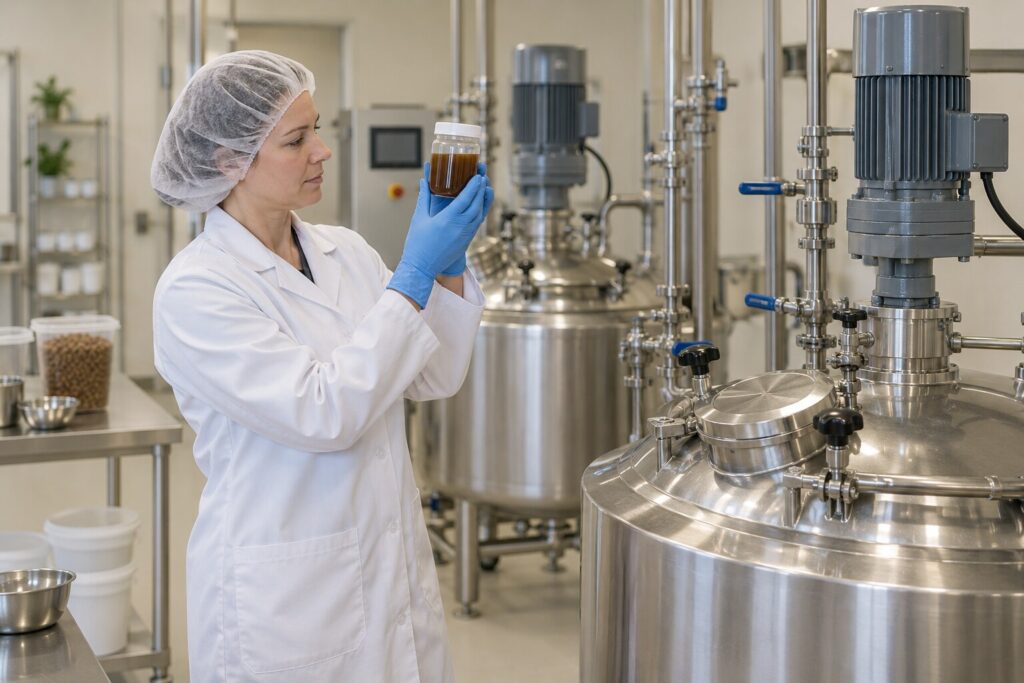
When comparing animal digest suppliers, request a clear description of the animal species, tissue sources, and processing method. These details help your technical team evaluate whether the ingredient fits the recipe and intended label.
Useful questions include:
- Which animal-derived materials are used, and how are they traced?
- Is the product a digest ingredient or a blended palatant?
- What other ingredients, carriers, or preservatives are present?
- Which properties are controlled from batch to batch?
- What storage and handling conditions apply to the specific grade?
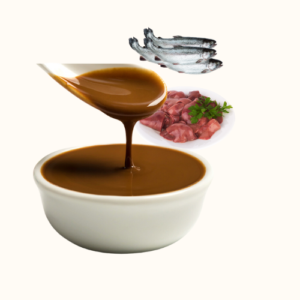
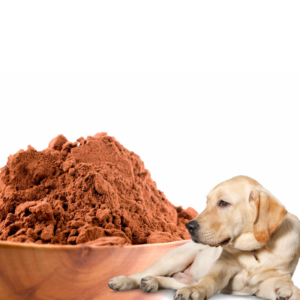
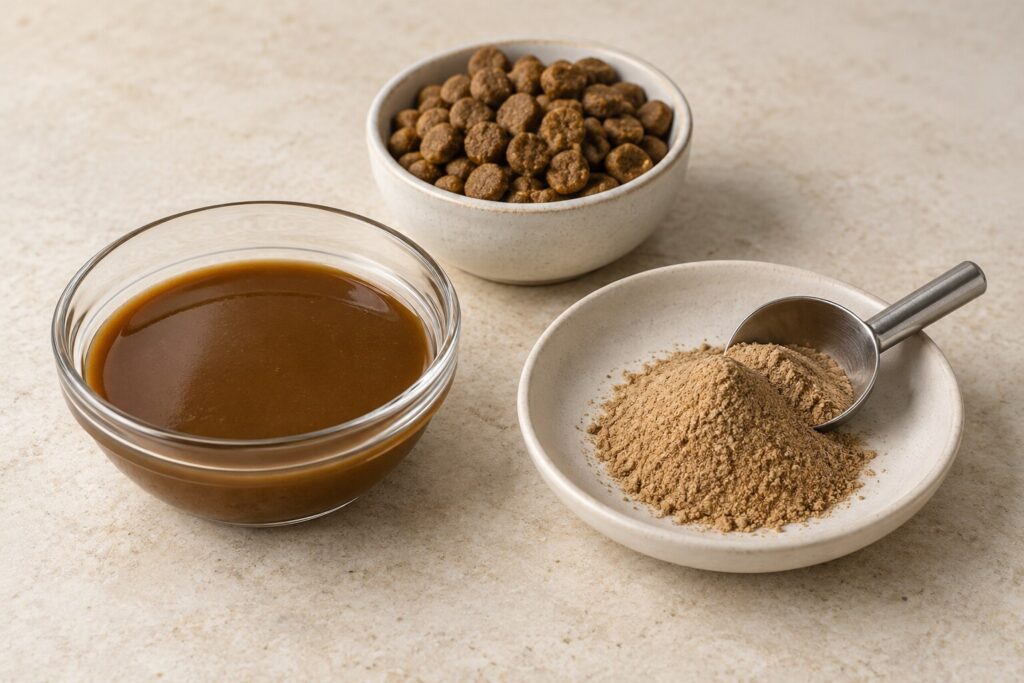
Request the specification sheet before organizing a trial. Two brown liquids or two tan powders can look similar while having different compositions and handling requirements.
Liquid vs. Powder Animal Digest Palatants
The best format depends on your production line, storage arrangements, and performance target. Use the comparison below to structure a discussion with your supplier.
| Consideration | Liquid palatant | Powder palatant |
|---|---|---|
| Application equipment | Check pumps, tanks, pipework, and spray nozzles | Check feeders, powder flow, and distribution |
| Key handling questions | Viscosity, settling, temperature, and cleaning | Moisture pickup, clumping, dust, and adhesion |
| Storage questions | Unopened life, agitation, and use after opening | Moisture protection and resealing after opening |
| Commercial comparison | Delivered price at the proposed application rate | Delivered price at the proposed application rate |
| Trial priority | Uniform application without excess moisture | Consistent coverage and powder retention |
Liquid and powder products can also be evaluated together as a coating system. Storage instructions must remain product-specific: packaging, temperature exposure, and handling after opening can affect stability. Source: palatant storage and stability guidance.
Ask for the recommended application method for each candidate. Matching two products by appearance or by equal inclusion percentage does not establish equivalent performance.
Applying Animal Digest Palatant to Dry Kibble
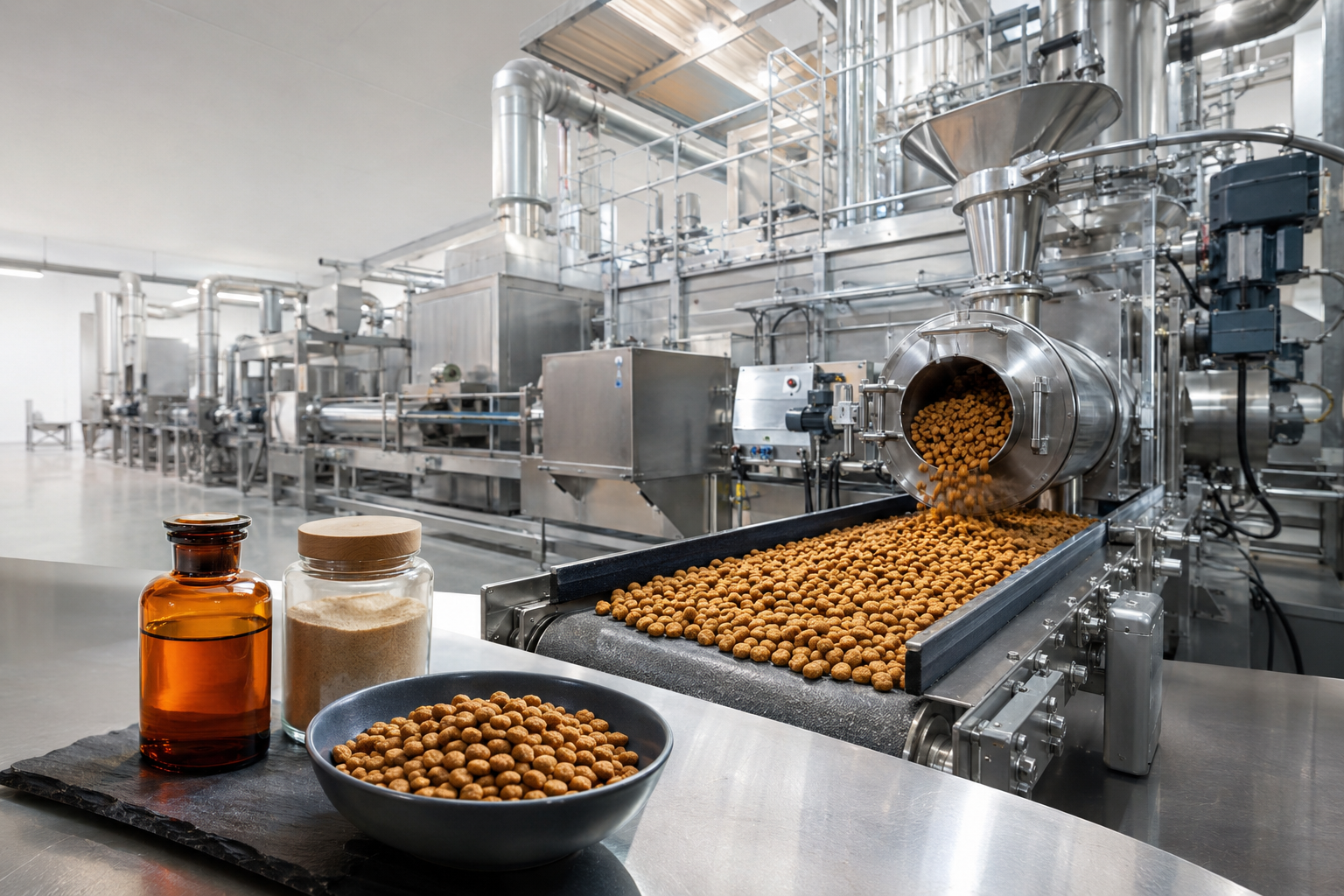
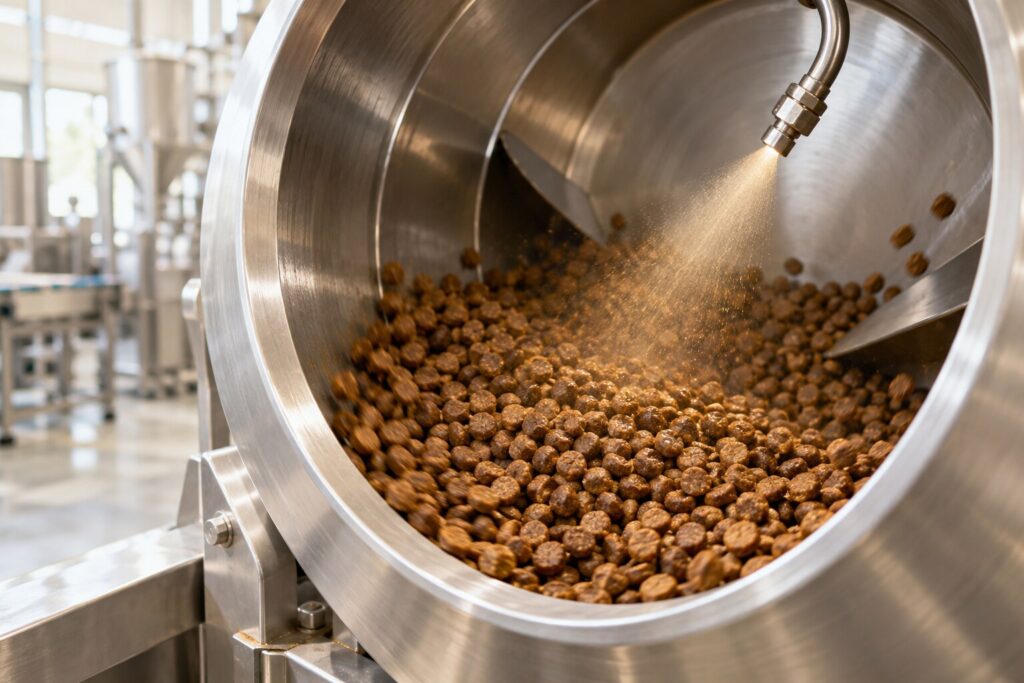
In a conventional surface-coating process that uses all three components, a common sequence is fat application, followed by liquid palatant, then dry palatant. The fat or liquid layer can help the powder adhere to the kibble surface. The exact arrangement depends on the equipment and selected products. Source: pet food palatant application guidance.
During a line trial, check the following:
- Dosing accuracy: Match ingredient delivery to the actual kibble flow rate.
- Liquid distribution: Check spray coverage, nozzle condition, and buildup inside the coater.
- Powder distribution: Look for uneven feeding, clumps, and powder collecting on equipment.
- Finished-product condition: Verify coating uniformity and the required moisture specification.
Record these conditions alongside the feeding results. A laboratory sample and a production batch are easier to compare when their application settings are documented.
For wet food or treats, request a product and trial plan suited to that application, including the actual heat treatment. A successful kibble coating trial does not establish performance in a retorted or baked product.
How Much Animal Digest Palatant Should You Use?
There is no universal inclusion rate for every animal digest or palatant blend. Product concentration, the base recipe, the coating system, and the target cost all matter.
For context, Profypet lists 1–2% for selected powder products and 4–6% for selected paste products in kibble applications; other grades have different recommendations. Treat these as examples from the product range. Confirm the current specification, recommended trial range, and whether the percentage is calculated on finished-food weight or another basis. Source: Profypet product information.
Agree on a small set of trial levels with the supplier, then compare performance and cost. Increasing the dose should be a testable formulation decision rather than an automatic response to disappointing results.
Evaluate Dog and Cat Food Separately
Define the intended species, life stage, and food format in the sample brief. Dog and cat results should be evaluated in their own target populations. AFB’s research across life stages found differences in the relationship between initial food choice and overall intake, supporting a species- and life-stage-specific approach to evaluation. Source: research on first choice and intake ratio.
For a dry cat food project, document the kibble size, base recipe, existing coating, and benchmark. For a dry dog food project, provide the same information for the intended dog population. Keep those conditions consistent when comparing candidates so the results answer a useful formulation question.
Test Palatability Before Committing to a Bulk Order
Start with a clear objective: improving preference against your current formula, maintaining acceptance after a recipe change, or matching a benchmark at a different cost.
Two-bowl testing compares relative preference when two foods are offered together. Useful measurements include which food is eaten first and the amount consumed from each bowl. Intake ratio for Food A is the amount of A eaten divided by the combined amount of A and B eaten. A first approach or sniff is a different observation from first consumption. Source: principles of pet food palatability.
Single-bowl testing helps evaluate acceptance when only one food is available. Repeated feeding can provide information about consumption over time. Choose the method according to the decision you need to make, with a qualified testing partner controlling factors such as bowl position and presentation order. Source: paired and monadic testing methods.
Before accepting a performance claim, ask for the comparator, recipe, application rates, panel details, test duration, and statistical interpretation. An attractive result from one trial should not become a blanket claim for every formula.
Compare Cost in the Finished Food
Price per kilogram is only one part of an animal digest palatant quotation. Calculate the ingredient cost at the application rate that delivers the required result.
Palatant cost per 1,000 kg of finished food = kilograms of palatant included × delivered price per kilogram.
As an illustrative calculation, a 2% inclusion on finished-food weight uses 20 kg per 1,000 kg of food. At an assumed delivered price of $3 per kg, the palatant contribution is $60. This is a calculation example, not a Profypet quotation.
For a combined system, add the cost of each component. Then consider packaging, handling, trial costs, and production losses when comparing commercial options.
What to Request From an Animal Digest Palatant Supplier
A purchasing decision is easier to review when the technical and commercial information arrives together. Request:
- Product details: Animal species, full composition, specification sheet, and recommended use.
- Quality documentation: A representative certificate of analysis, microbiological specifications, traceability information, and batch identification.
- Application support: Trial levels, equipment requirements, and guidance for your food format.
- Storage information: Shelf life, packaging, storage conditions, and instructions after opening.
- Commercial terms: Minimum order quantity, sample arrangements, lead time, packaging options, and delivery terms.
For products intended for the U.S., have your regulatory team confirm the ingredient’s suitability for its intended use and the correct label declaration. FDA describes both ingredient safety requirements and federal and state labeling oversight for pet food. Source: FDA pet food guidance.
Frequently Asked Questions
Is animal digest the same as a finished palatant?
Not necessarily. A digest can be used as a flavor ingredient within a more complex palatant. Ask for the full composition and intended application of the product offered.
Is powder always better than liquid?
Neither format is automatically the better choice. Compare suitable candidates on your recipe, using the supplier’s proposed application method and a clearly defined cost basis.
Can I use the same palatant in dog and cat food?
A supplier may propose a product for both applications, but each finished food needs its own evaluation. Specify the target species when requesting samples.
What information should I send with a sample request?
Include the target species, food format, animal-protein restrictions, current coating process, benchmark, estimated production volume, and destination market. This helps the supplier propose relevant candidates and commercial terms.
Discuss Your Palatant Project With Profypet
Profypet offers powder and liquid pet food palatability enhancers for dog and cat food applications. Explore the Profypet palatant range to begin comparing options.
Planning a new formula or reviewing your current coating system? Send your product brief, target application, preferred format, and estimated order volume. Ask about suitable samples, current specifications, application guidance, minimum order quantities, and a quotation for your destination.