Appetite Booster for Cats: The Science Behind Better Feline Food Acceptance
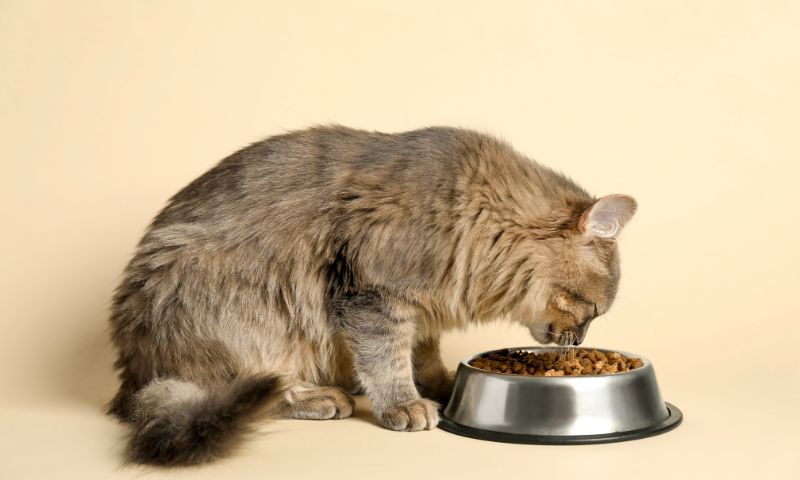
Few things concern cat owners more than seeing a cat walk away from its food bowl.
Unlike dogs, cats are notoriously selective eaters. A minor change in aroma, texture, temperature, or flavor can cause them to reject a meal entirely. For pet food brands, poor food acceptance often translates into negative reviews, customer complaints, and lost repeat purchases.
This challenge has created growing demand for effective appetite boosters for cats.
However, many people misunderstand what a cat appetite booster actually is.
An effective appetite booster is not simply a stronger flavor. Modern appetite enhancement involves a combination of palatability science, aroma optimization, nutritional formulation, and feeding behavior research.
For pet food manufacturers, understanding feline appetite drivers is essential for developing products that cats consistently choose and enjoy.
What Is an Appetite Booster for Cats?
A cat appetite booster is any ingredient, formulation strategy, or feeding enhancement designed to encourage cats to eat more willingly.
These solutions can be divided into two categories:
Medical Appetite Stimulants
Veterinarians sometimes prescribe appetite stimulants for cats experiencing illness, surgery recovery, or chronic health conditions.
These products are intended for medical use and should only be used under veterinary supervision.
Nutritional Appetite Boosters
In pet food manufacturing, appetite boosters typically refer to ingredients that improve food attractiveness and feeding acceptance.
Examples include:
- Pet food palatants
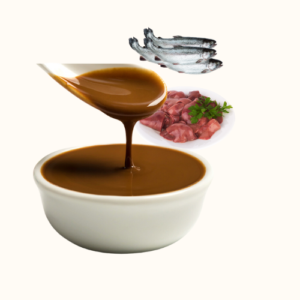
- Hydrolyzed animal proteins
- Chicken liver digest
- Fish protein hydrolysates
- Tuna flavor enhancers
- Natural meat extracts
- Functional flavor systems
- Aroma-enhancing coating technologies
These ingredients encourage voluntary food intake by making food more appealing to a cat’s senses.
Why Cats Suddenly Lose Interest in Food
Understanding feline feeding behavior is the first step toward improving appetite.
Cats Rely Heavily on Smell
Humans often choose food based on appearance.
Cats choose food primarily based on aroma.
Research has shown that a cat’s sense of smell plays a critical role in food selection. If aroma intensity decreases, food acceptance often declines as well.
This is one reason why dry kibble manufacturers invest heavily in coating technologies and palatants.
Formula Changes
Cats prefer consistency.
Even small changes in:
- Protein source
- Fat source
- Aroma profile
- Texture
- Coating level
may reduce acceptance.
Many pet food brands discover that reformulation can unexpectedly lower feeding performance even when nutritional values remain unchanged.
Age-Related Appetite Changes
Senior cats often experience:
- Reduced smell sensitivity
- Dental discomfort
- Lower activity levels
- Changes in metabolism
These factors can decrease feeding enthusiasm.
Stress and Environmental Changes
Cats are highly sensitive to environmental disruptions.
Moving homes, introducing new pets, travel, or changes in feeding routines can temporarily reduce appetite.
How Pet Food Palatants Work as Appetite Boosters for Cats
Among all nutritional appetite-enhancing solutions, palatants remain one of the most effective.
A pet food palatant is a specialized ingredient system designed to improve flavor, aroma, and overall food attractiveness.
Palatants work by targeting the sensory triggers that influence feline feeding behavior.
Aroma Enhancement
Cats often smell food before deciding whether to eat.
High-quality palatants release attractive volatile compounds that encourage investigation and feeding.
Flavor Amplification
Hydrolyzed proteins contain naturally occurring amino acids and peptides that enhance savory taste perception.
These compounds help create strong meaty flavor profiles.
Increased First-Bite Acceptance
One of the biggest challenges in cat food formulation is encouraging the first bite.
Palatants help overcome initial feeding hesitation.
Improved Long-Term Feeding Performance
Consistent palatability can support repeat feeding behavior and reduce food refusal incidents.
Why Hydrolyzed Chicken Liver Is a Popular Cat Appetite Booster
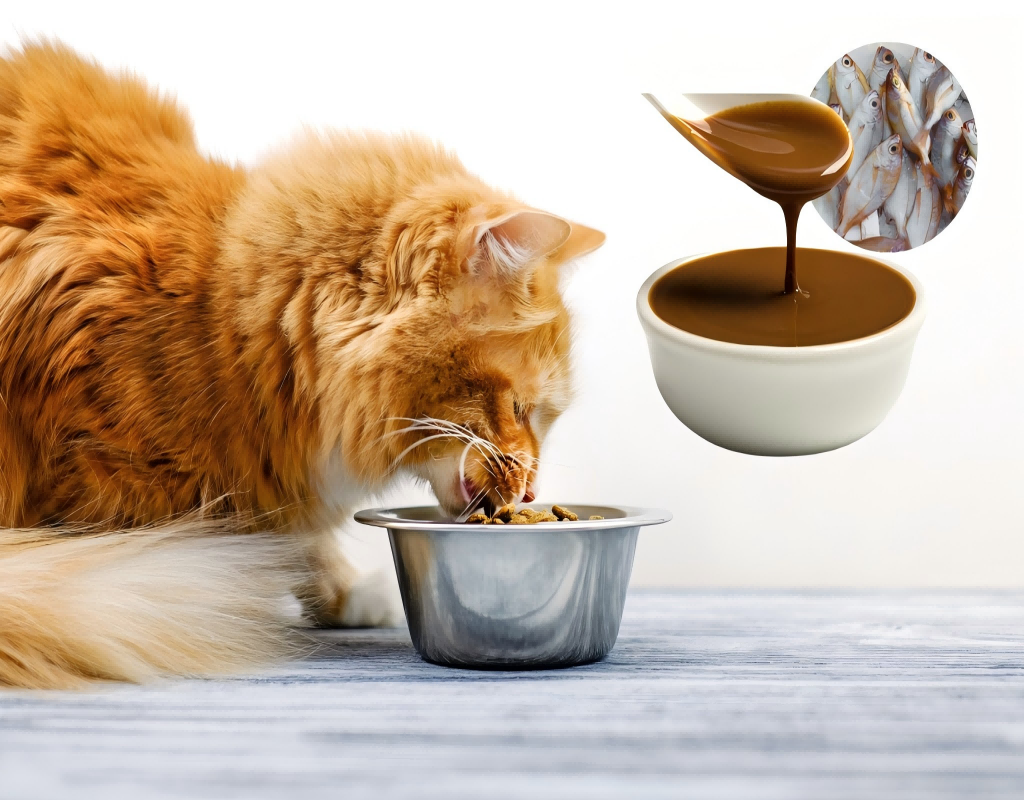
When discussing appetite boosters for cats, hydrolyzed chicken liver frequently appears in premium formulations.
There are several reasons for its popularity.
Naturally Rich Aroma
Chicken liver contains volatile compounds that cats find highly attractive.
Excellent Amino Acid Profile
Hydrolysis releases flavor-active peptides and amino acids that contribute to palatability.
Strong Compatibility
Hydrolyzed chicken liver works effectively in:
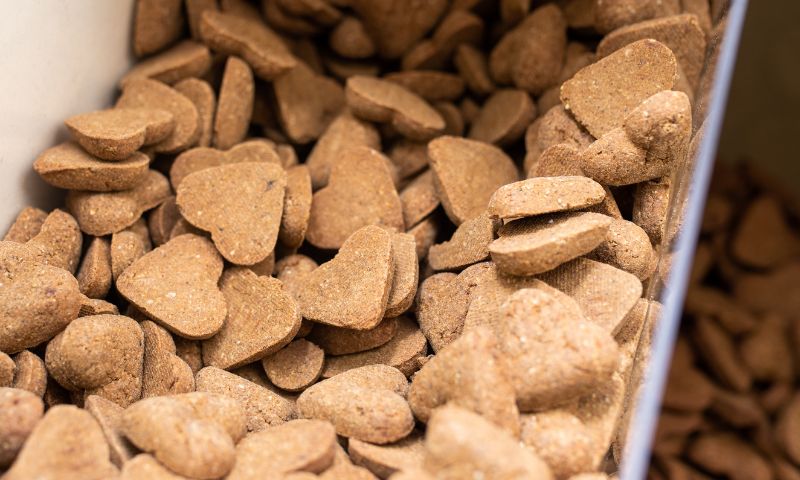
- Dry kibble
- Semi-moist treats
- Cat wet food
- Freeze-dried diets
- Veterinary nutrition products
Consistent Manufacturing Performance
High-quality hydrolysates provide reliable results across different production systems.
For these reasons, many pet food manufacturers use hydrolyzed chicken liver as the foundation of their appetite enhancement strategy.
Wet Food vs Dry Food: Which Improves Appetite Better?
Many cat owners notice that cats often prefer wet food.
There are several reasons why.
Stronger Aroma Release
Wet food naturally releases more aroma compounds.
This can significantly improve food attraction.
Higher Moisture Content
Cats have relatively low thirst drives.
Foods containing higher moisture levels may feel more appealing.
Softer Texture
Senior cats and cats with dental sensitivity often find wet food easier to consume.
However, modern coating technology allows dry kibble manufacturers to achieve excellent feeding performance through advanced palatability systems.
Many premium dry foods now rival wet foods in acceptance rates.
The Role of Coating Technology in Cat Appetite Enhancement
Modern cat food manufacturers rarely rely on formula ingredients alone.
Coating technology has become a critical component of appetite improvement.
Surface Flavor Application
Palatants applied after extrusion help preserve flavor intensity.
Fat-Assisted Flavor Delivery
Chicken fat and fish oil act as carriers for aroma compounds.
Vacuum Coating Systems
Vacuum coating allows flavor ingredients to penetrate deeper into kibble pores.
Benefits include:
- Better flavor retention
- Improved coating consistency
- Reduced dusting
- Enhanced aroma release
Many premium cat food brands use vacuum coating technology to maximize palatability.
Functional Appetite Boosters for Cats
Today’s pet owners increasingly seek products that provide both flavor and health benefits.
This trend has driven the development of functional appetite boosters.
Examples include:
Digestive Support Formulas
Ingredients that support gut health may contribute to improved feeding behavior.
Omega-3 Enhanced Products
Fish oil provides nutritional benefits while contributing attractive marine aromas.
Probiotic Solutions
Certain formulations combine palatability enhancement with digestive support.
Immune Support Ingredients
Functional nutrition products are increasingly paired with appetite-enhancing systems.
This combination allows manufacturers to create products that are both effective and marketable.
How Pet Food Manufacturers Evaluate Appetite Boosters
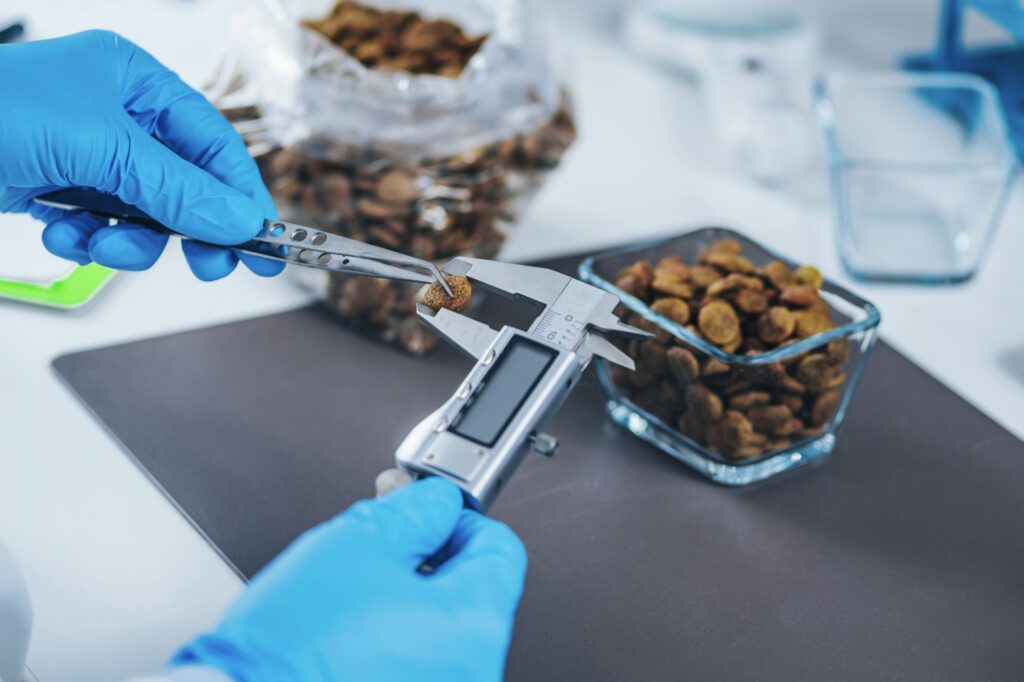
Successful appetite enhancement requires objective testing.
Common methods include:
Two-Bowl Preference Tests
Cats are offered two products simultaneously.
Researchers measure which product is selected first and consumed more frequently.
Intake Studies
Manufacturers monitor how much food cats voluntarily consume over time.
Aroma Evaluation
Sensory panels evaluate aroma strength and consistency.
Stability Testing
Palatability performance is measured throughout shelf life.
These evaluations help manufacturers identify the most effective appetite booster solutions.
Current Trends in Cat Appetite Enhancement
Several industry trends are shaping future product development.
Natural Palatants
Consumers increasingly prefer natural ingredients over artificial additives.
Premium Protein Sources
High-quality animal proteins remain central to feline food acceptance.
Species-Specific Flavor Systems
Manufacturers are developing flavor profiles specifically designed for cats rather than using generic pet food solutions.
Clean Label Formulations
Simplified ingredient lists continue gaining popularity.
Personalized Nutrition
Some brands are exploring customized feeding solutions based on age, breed, and health requirements.
How to Choose the Right Appetite Booster for Cats
For pet food manufacturers, selecting the right appetite enhancement solution requires considering several factors.
Target Species
Cat palatability differs significantly from dog palatability.
Product Format
Different solutions may be required for:
- Dry kibble
- Wet food
- Freeze-dried products
- Treats
Processing Compatibility
Palatants must perform consistently under manufacturing conditions.
Shelf-Life Stability
Long-term aroma retention is essential.
Technical Support
Suppliers should provide formulation guidance and palatability expertise.
Why Appetite Boosters Will Remain Essential in Pet Food Development
The global pet food market continues moving toward premium, specialized nutrition.
At the same time, cat owners expect products that deliver:
- Strong feeding enthusiasm
- Consistent quality
- Natural ingredients
- Functional benefits
As competition increases, appetite enhancement is becoming a key product differentiator.
Brands that successfully combine nutrition, palatability, and feeding performance will be better positioned for long-term growth.
Final Thoughts
An effective appetite booster for cats is much more than a flavor additive.
Modern appetite enhancement combines palatants, aroma science, coating technology, hydrolyzed proteins, and feeding behavior research to create products that cats genuinely enjoy.
For pet food manufacturers, investing in advanced pet food palatants and feline-specific appetite enhancement systems can improve food acceptance, increase customer satisfaction, and strengthen brand loyalty.
As consumer expectations continue rising, appetite optimization will remain one of the most important areas of innovation in cat food development.
Frequently Asked Questions
What is the best appetite booster for cats?
Hydrolyzed animal proteins, chicken liver palatants, fish-based palatants, and advanced coating systems are among the most effective nutritional appetite boosters used in pet food manufacturing.
Why do cats stop eating dry food?
Common reasons include reduced aroma intensity, formula changes, stress, aging, dental issues, or decreased food palatability.
Do pet food palatants help cats eat more?
Yes. High-quality palatants can improve aroma, flavor perception, and overall food acceptance, encouraging voluntary food intake.
Are appetite boosters important for senior cats?
Yes. Senior cats often experience reduced smell sensitivity, making palatability enhancement especially valuable.
Can appetite boosters be used in dry cat food?
Absolutely. Most premium dry cat foods use coating-applied palatants and flavor systems to improve feeding performance and acceptance.