
Appetite Booster for Pets
In today’s competitive pet food market, palatability is king. No matter how nutrient-rich or scientifically formulated your product is, if pets don’t find it tasty, it won’t succeed on the shelf. This is where appetite boosters—more formally known as pet food palatants—come into play.
For pet food manufacturers and wholesalers, the right appetite booster can be the difference between a product that sits in inventory and one that flies off the shelves with repeat purchases.
What Is an Appetite Booster for Pets?
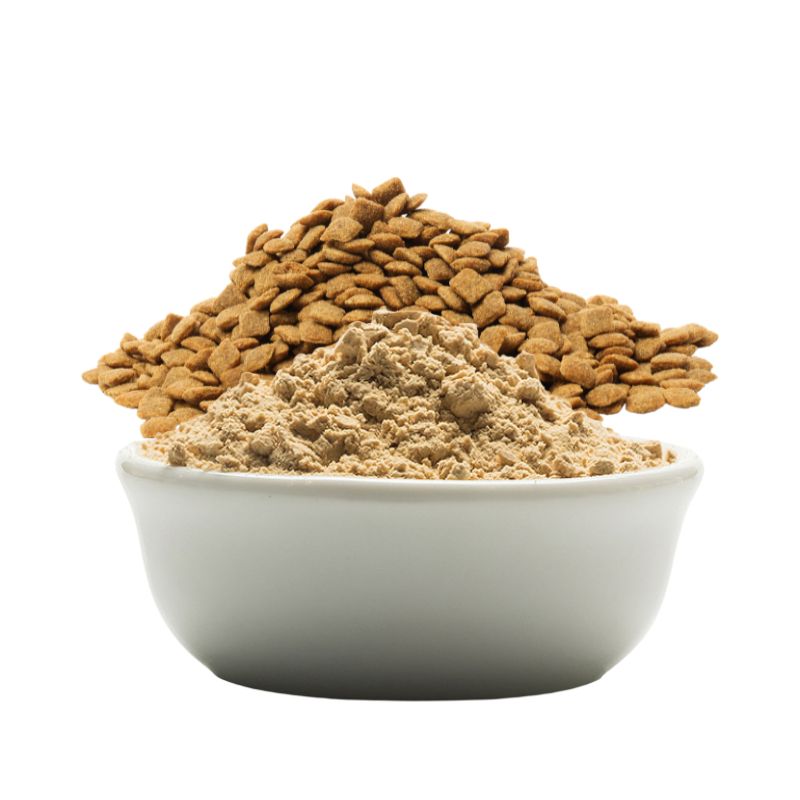
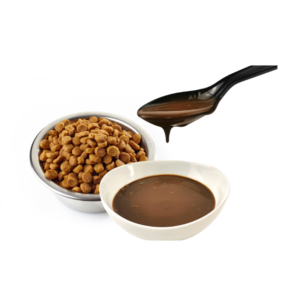
An appetite booster is a specialized ingredient or coating applied to pet food to make it more aromatic, flavorful, and appealing to cats and dogs.
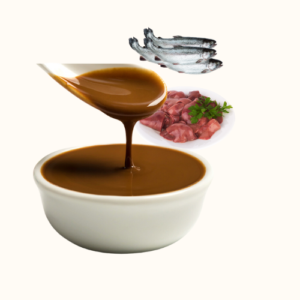
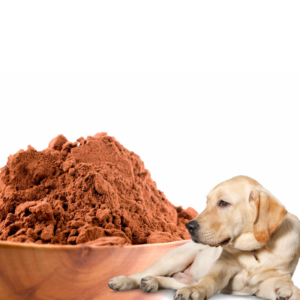
These boosters often leverage natural meat extracts, hydrolyzed proteins, fermentation products, or plant-based flavor compounds to stimulate an animal’s senses—primarily smell and taste.

In the industry, they are better known as palatants, and they are used in:
- Dry extruded kibble
- Wet canned foods
- Freeze-dried and air-dried snacks
- Veterinary prescription diets
Why Appetite Boosters Are Critical for Pet Food Success
For B2B buyers—wholesalers, private label brands, and pet food factories—using the right palatant is not just about taste; it’s about market performance.
- Boosting Product Acceptance
New pet food formulations, especially those with novel proteins or functional health ingredients, can have unfamiliar aromas. An appetite booster helps mask off-notes and encourages immediate acceptance. - Driving Repeat Purchases
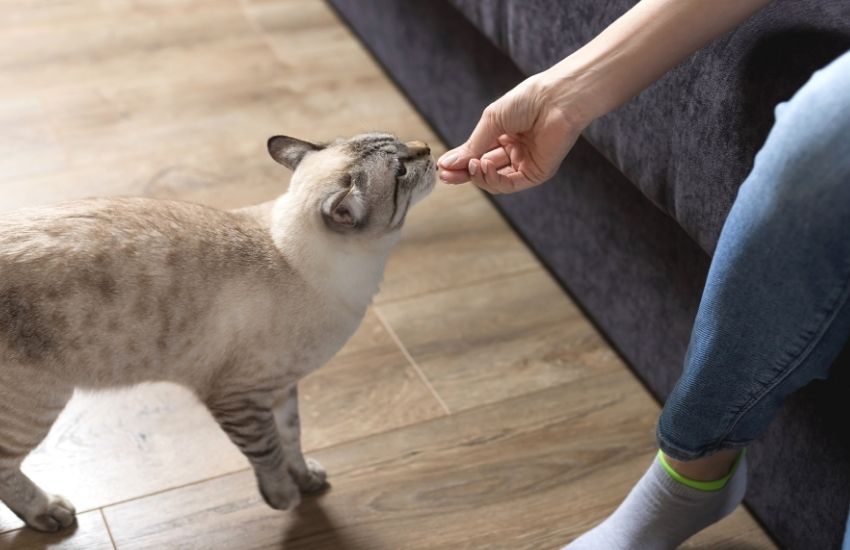
Pet owners notice when their pets finish every meal enthusiastically. Positive feeding experiences lead to strong brand loyalty and repeat sales. - Supporting Special Diets
Prescription or functional diets can be bland due to restricted ingredients. Palatants help increase palatability without compromising the nutritional profile.
- Reducing Waste and Returns
A food that pets reject results in complaints, wasted stock, and lost trust. Appetite boosters mitigate this risk.
Types of Appetite Boosters in the Pet Food Industry
1. Meat-Based Palatants
- Description: Made from real animal proteins such as chicken liver, beef, fish, or pork.
- Application: Often sprayed or coated on kibble post-extrusion.
- Advantage: High aroma appeal, particularly effective for cats and picky dogs.
2. Hydrolyzed Protein Palatants
- Description: Proteins broken down into smaller peptides for easy digestibility.
- Application: Used in both hypoallergenic and performance diets.
- Advantage: Enhances flavor while reducing allergenicity.
3. Fermentation-Derived Palatants
- Description: Yeast extracts, fermented broth, and probiotics.
- Application: Ideal for health-focused and natural-positioned products.
- Advantage: Adds umami depth and a savory profile.

4. Plant-Based Palatants
- Description: Made from soy protein, pea protein, or vegetable extracts.
- Application: For vegetarian or sustainable pet diets.
- Advantage: Suitable for eco-conscious brands and alternative protein formulas.
How Appetite Boosters Work: The Science of Palatability
An animal’s eating behavior is influenced primarily by:
- Olfaction (Smell) – Dogs and cats rely heavily on aroma; palatants emit volatile compounds that attract them instantly.
- Taste – The balance of umami, fat, and mild sweetness keeps pets interested.
- Texture Interaction – Coating techniques ensure palatants bind well to food surfaces, improving mouthfeel and flavor release.
By enhancing these sensory triggers, palatants encourage pets to eat more readily—even if they are normally selective eaters.
Key Considerations for Manufacturers and Wholesalers
When sourcing appetite boosters, B2B buyers should evaluate:
- Source Quality – Meat-derived, plant-based, or synthetic origins must meet local and export regulations.
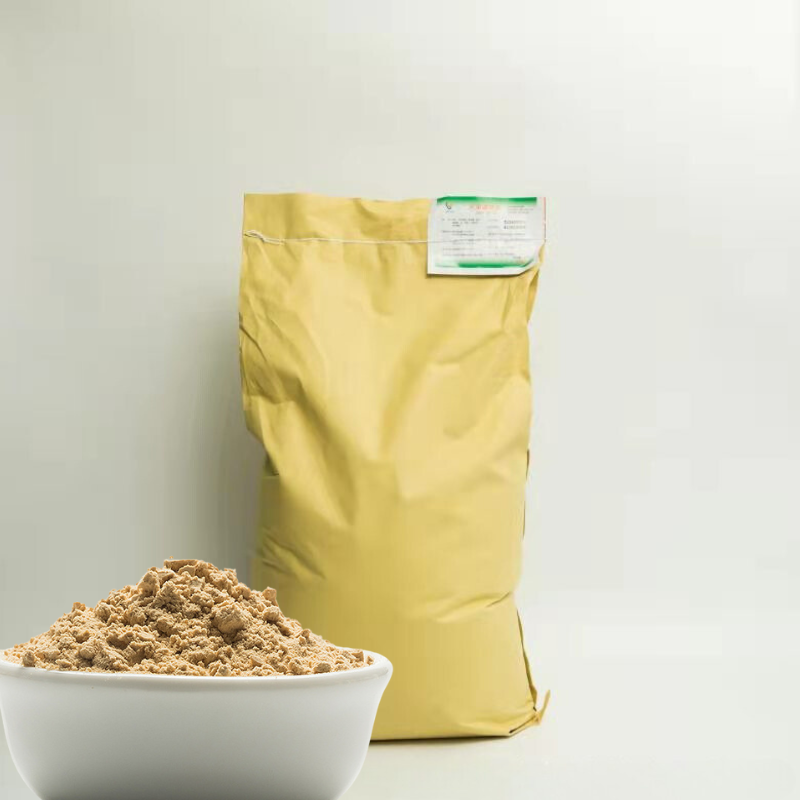
- Application Method – Dry, liquid, or slurry application should match your production process.
- Shelf Stability – Choose palatants with consistent performance over your product’s shelf life.
- Compliance & Certification – Look for suppliers with certifications such as BRC, IFS, or FSSC 22000.
- Market Fit – Align flavor profiles with your target market (e.g., fish flavors for Asian markets, beef for North America).
Emerging Trends in Appetite Boosters
- Clean Label Palatants – Rising demand for natural, minimally processed ingredients.
- Functional Palatants – Appetite boosters with added health benefits, such as omega-3s or probiotics.
- Sustainability – Interest in insect protein- and algae-based palatants for eco-conscious consumers.
- Customization – OEM & ODM formulations to differentiate private label brands.
Final Thoughts
In the pet food industry, palatability is not an afterthought—it’s a profit driver. Appetite boosters give manufacturers and wholesalers a strategic edge, turning well-formulated products into market favorites.
Whether you’re developing premium kibble, functional snacks, or veterinary diets, partnering with a trusted palatant supplier ensures your products deliver on both nutrition and taste—keeping pets happy and your business thriving.
If you’re a pet food manufacturer, wholesaler, or OEM/ODM brand seeking high-quality appetite boosters, sourcing from an experienced palatant supplier ensures consistent quality, regulatory compliance, and market-ready flavor solutions.