How Palatability Enhancers Are Transforming Pet Food Formulation
For the Profypet.com Blog
By Profypet – Pet Food Palatants Manufacturer & OEM/ODM Supplier
Introduction: Why Cats Are Picky Eaters
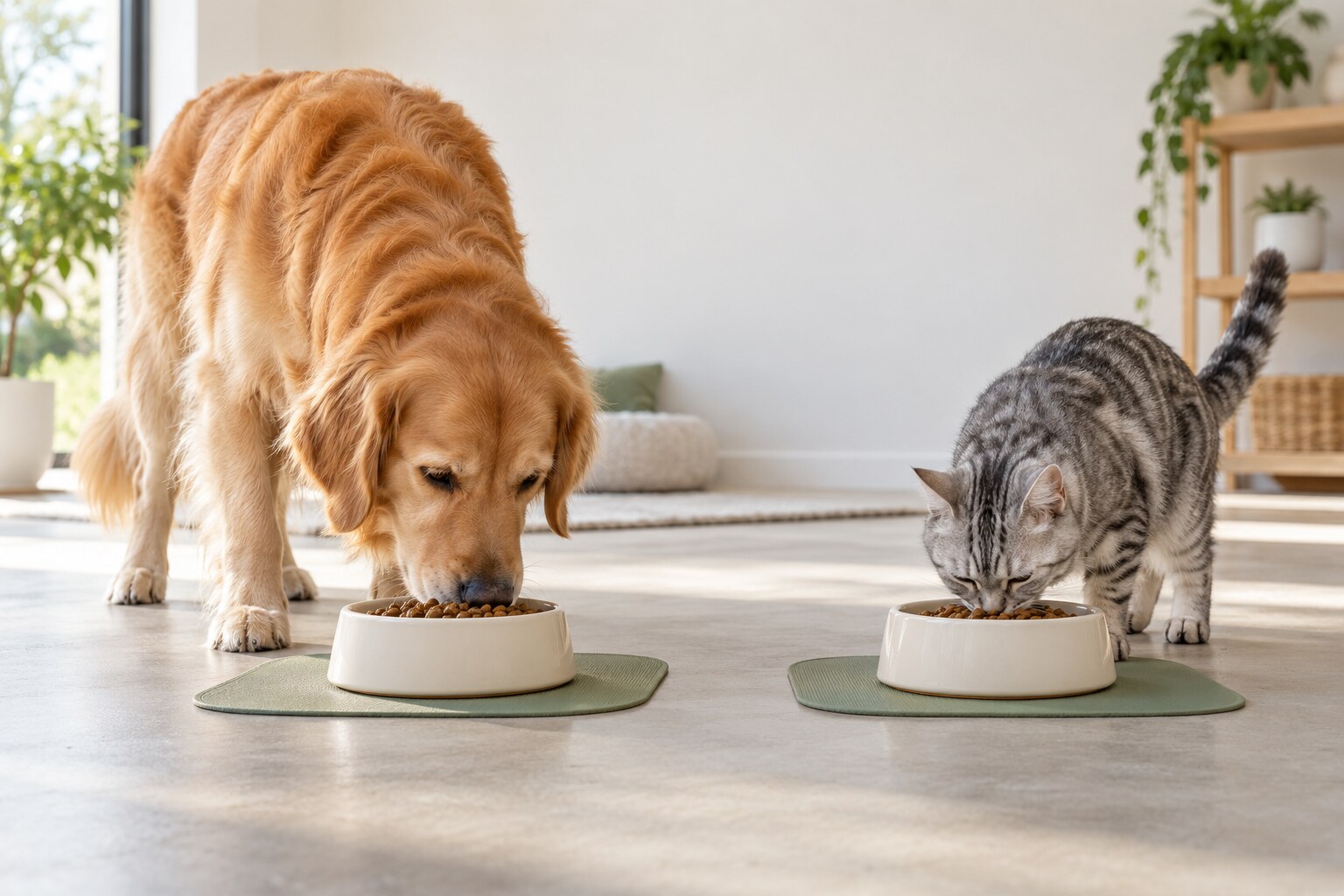
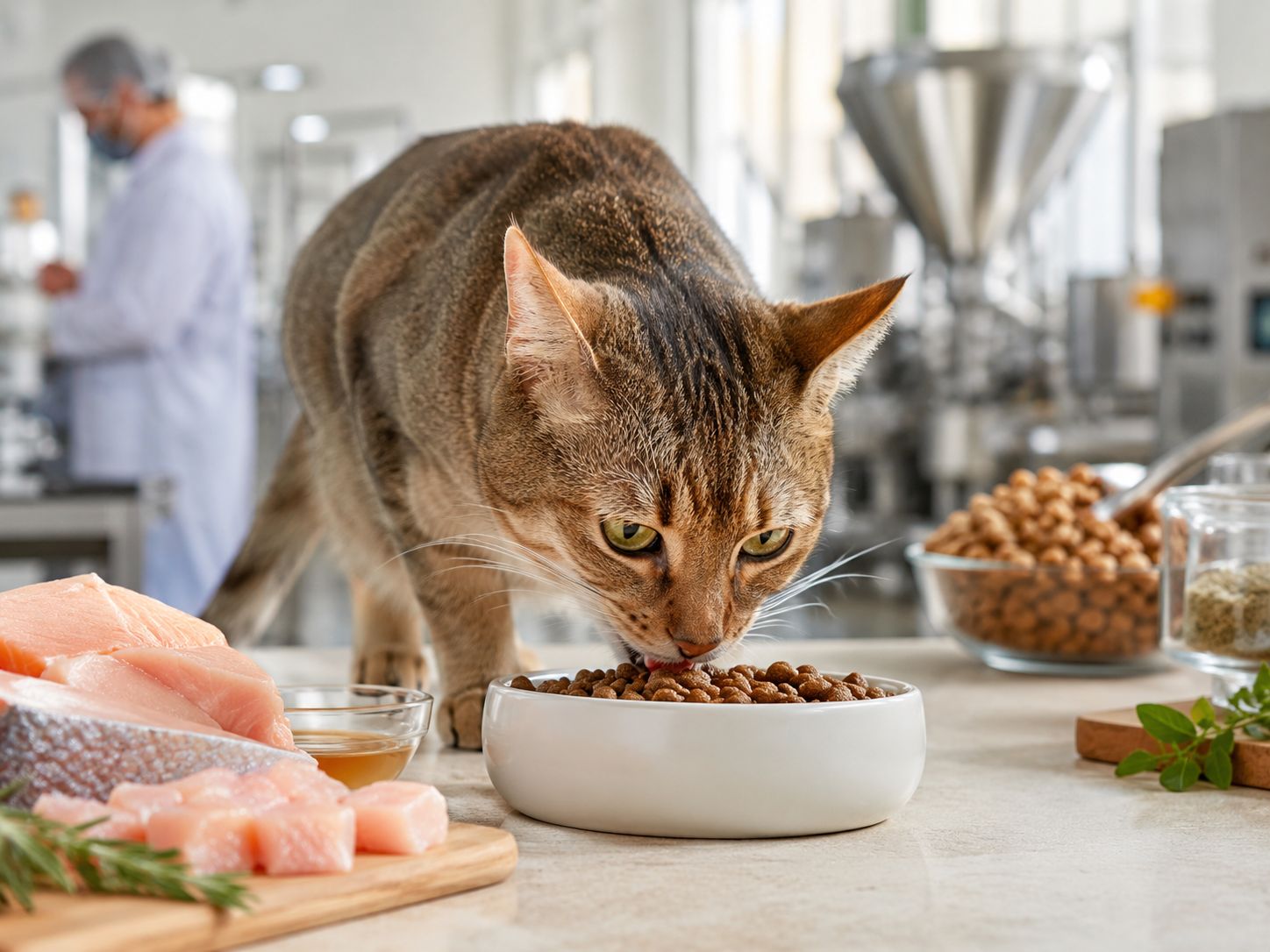
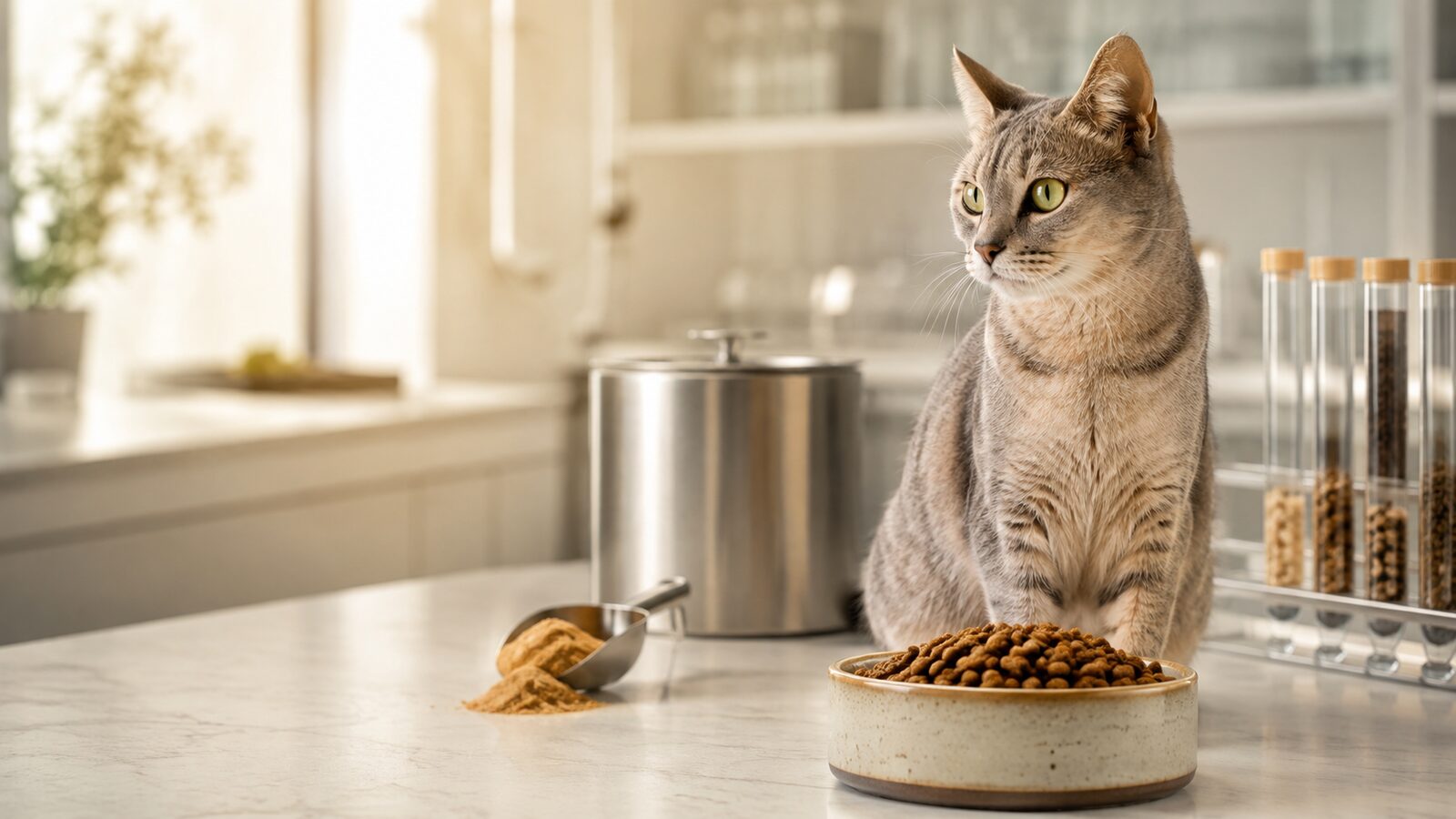
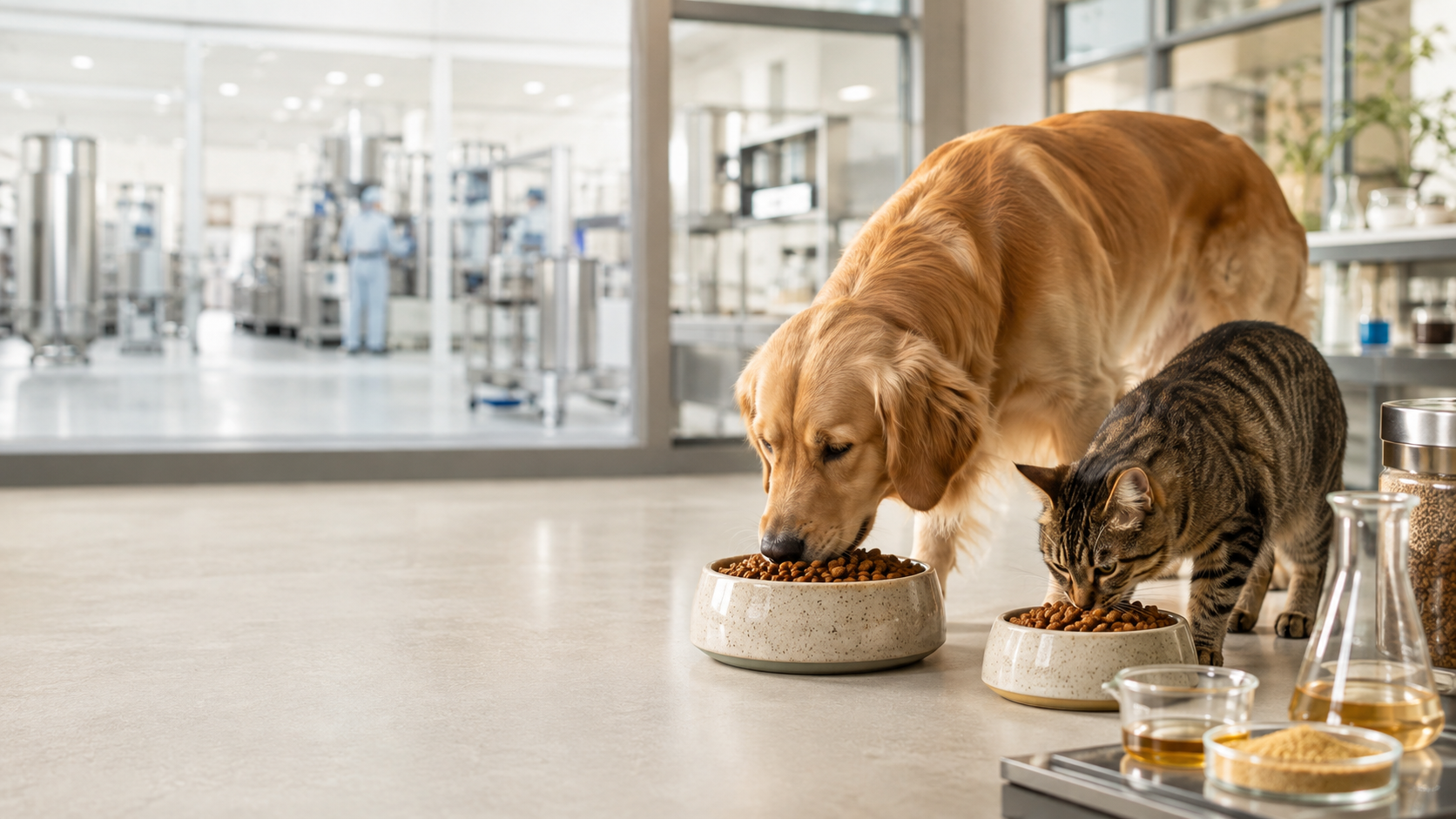
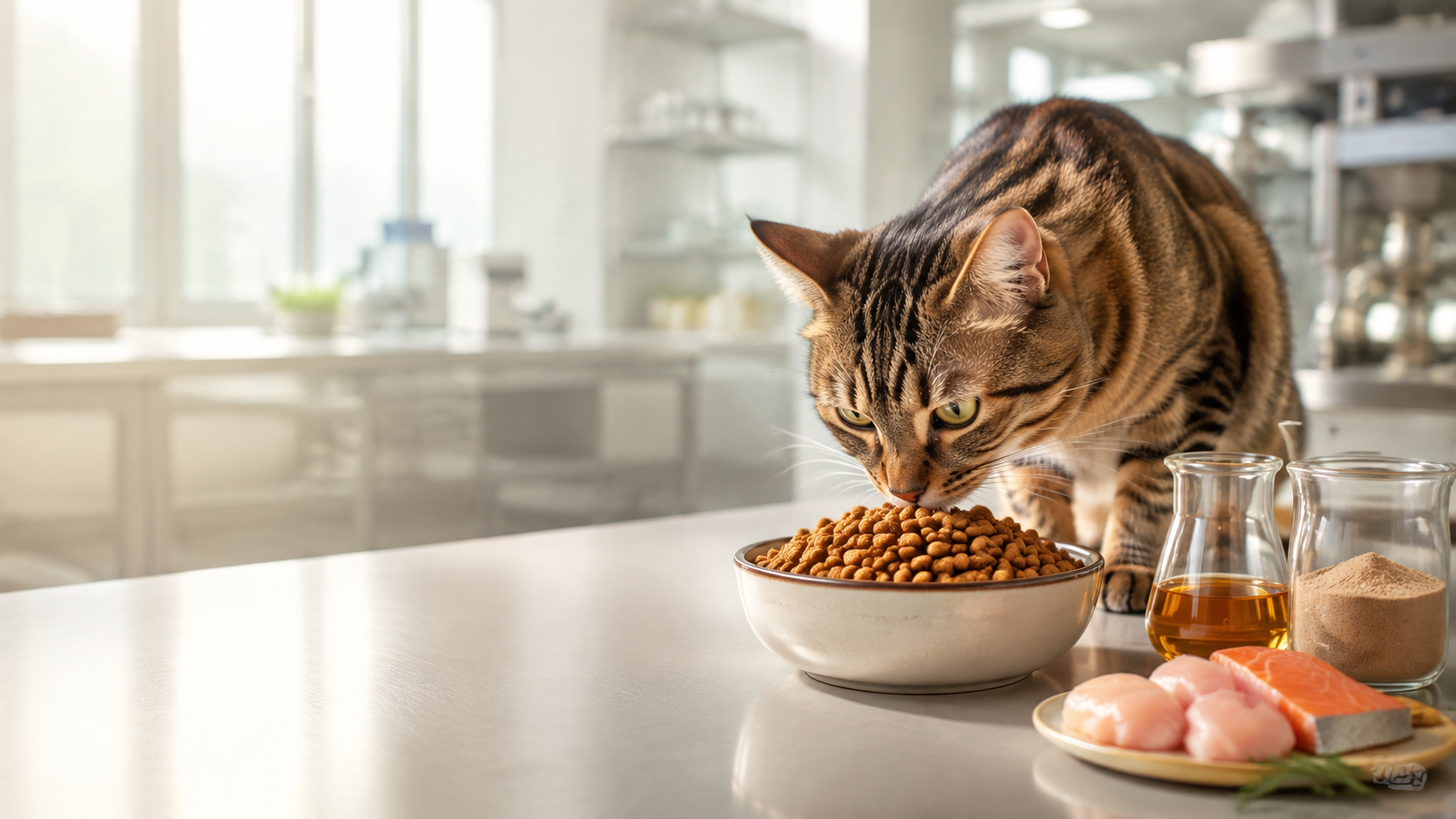
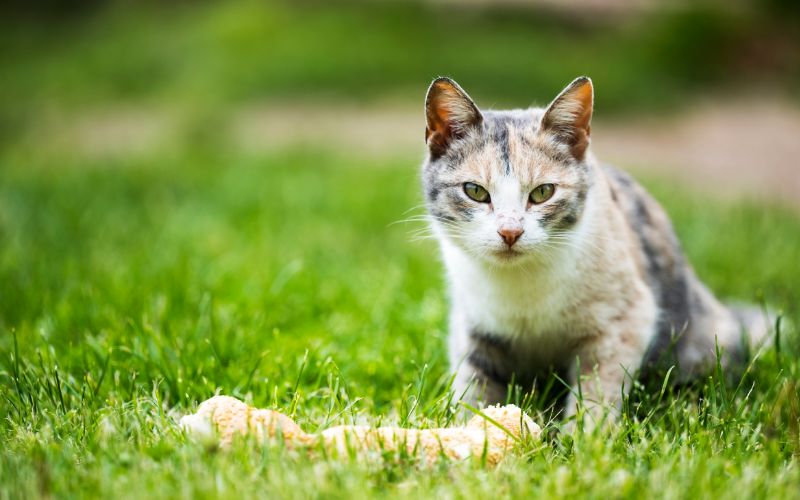
Cats are known for their discerning palates. Unlike dogs, they tend to be selective and sensitive to taste, texture, and aroma. This finicky behavior presents both a challenge and an opportunity for pet food manufacturers. The solution? High-quality appetite boosters—specifically cat food flavor enhancers and palatability enhancers designed to improve the attractiveness of pet food.
In this blog, we’ll explore how palatability impacts feline eating behavior, the science behind flavor enhancement, and how feed additive suppliers like Profypet can support pet food manufacturers and palatant wholesalers with reliable, scalable, and tailored solutions.
1. Understanding Cat Food Palatability
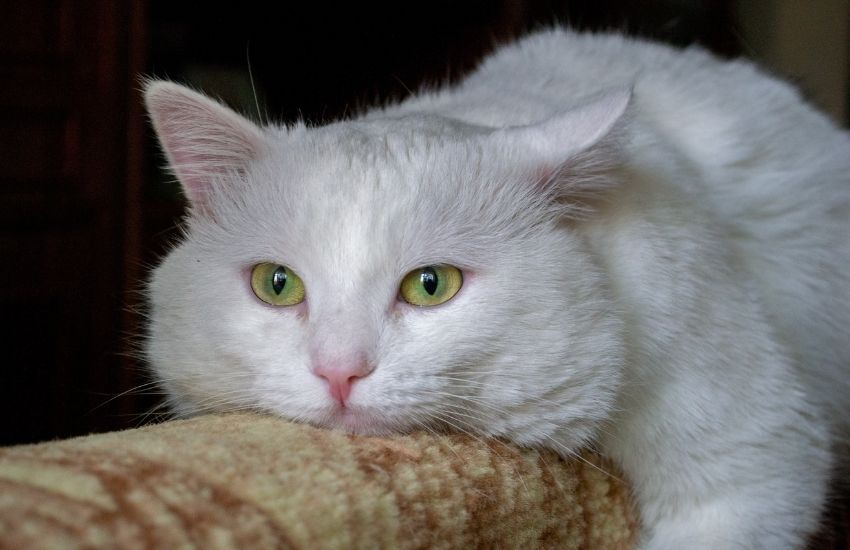
Palatability refers to how appealing a food is to an animal based on its smell, taste, and texture. In the case of cats, palatability is largely driven by:
- Aroma: Cats rely heavily on scent before eating.
- Flavor: Umami-rich flavors, especially from meat and fish, are highly preferred.
- Mouthfeel: The texture of wet vs. dry food influences acceptance.
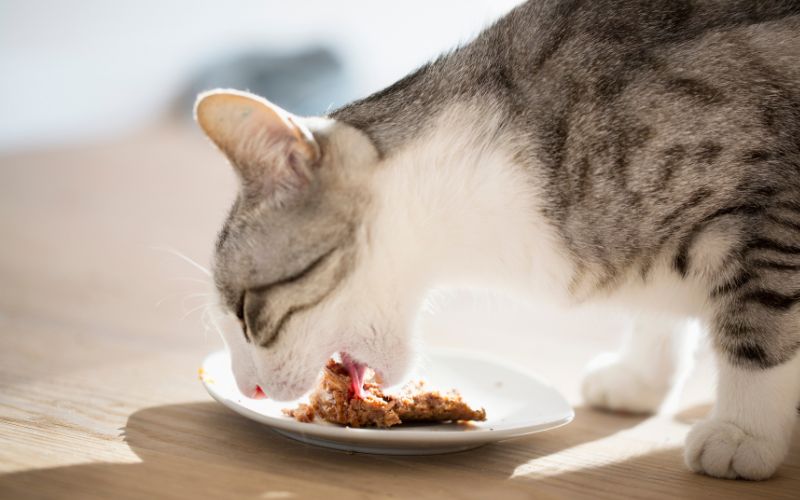
In short, even the most nutritious cat food can be rejected if it lacks palatability. This is why appetite boosters are vital to the success of commercial cat food products.
2. What Is a Cat Food Flavor Enhancer?
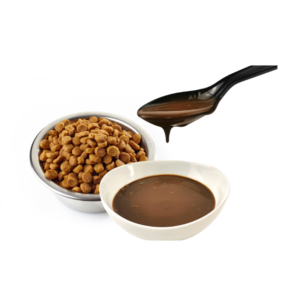
A cat food flavor enhancer is a type of feed additive that is specifically formulated to increase the appeal of cat food. These enhancers can be:
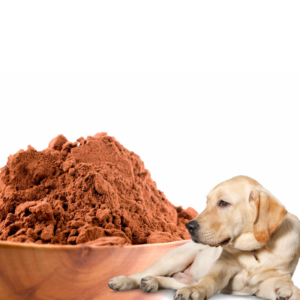
- Liquid or powder-based
- Natural or synthetic
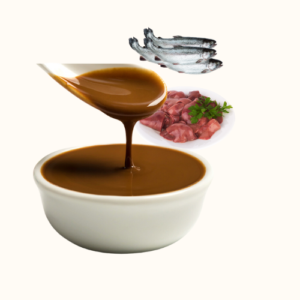
- Protein-rich, often derived from animal sources such as liver, poultry, or fish
At Profypet, we specialize in hydrolyzed animal protein-based palatants that are highly digestible, flavorful, and tailored to feline preferences.
3. How Do Palatability Enhancers Work?
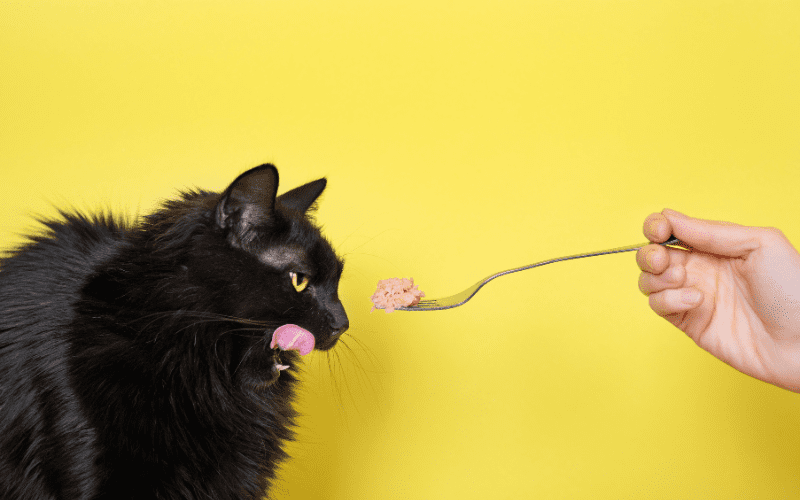
Palatability enhancers work by stimulating the cat’s senses—especially olfaction (smell) and gustation (taste). This is achieved through:
- High amino acid content: Hydrolyzed proteins release peptides and amino acids that trigger the taste buds.
- Natural aroma compounds: Liver or meat hydrolysates produce savory aromas cats find irresistible.
- Fat coatings: These improve flavor retention and overall mouthfeel.
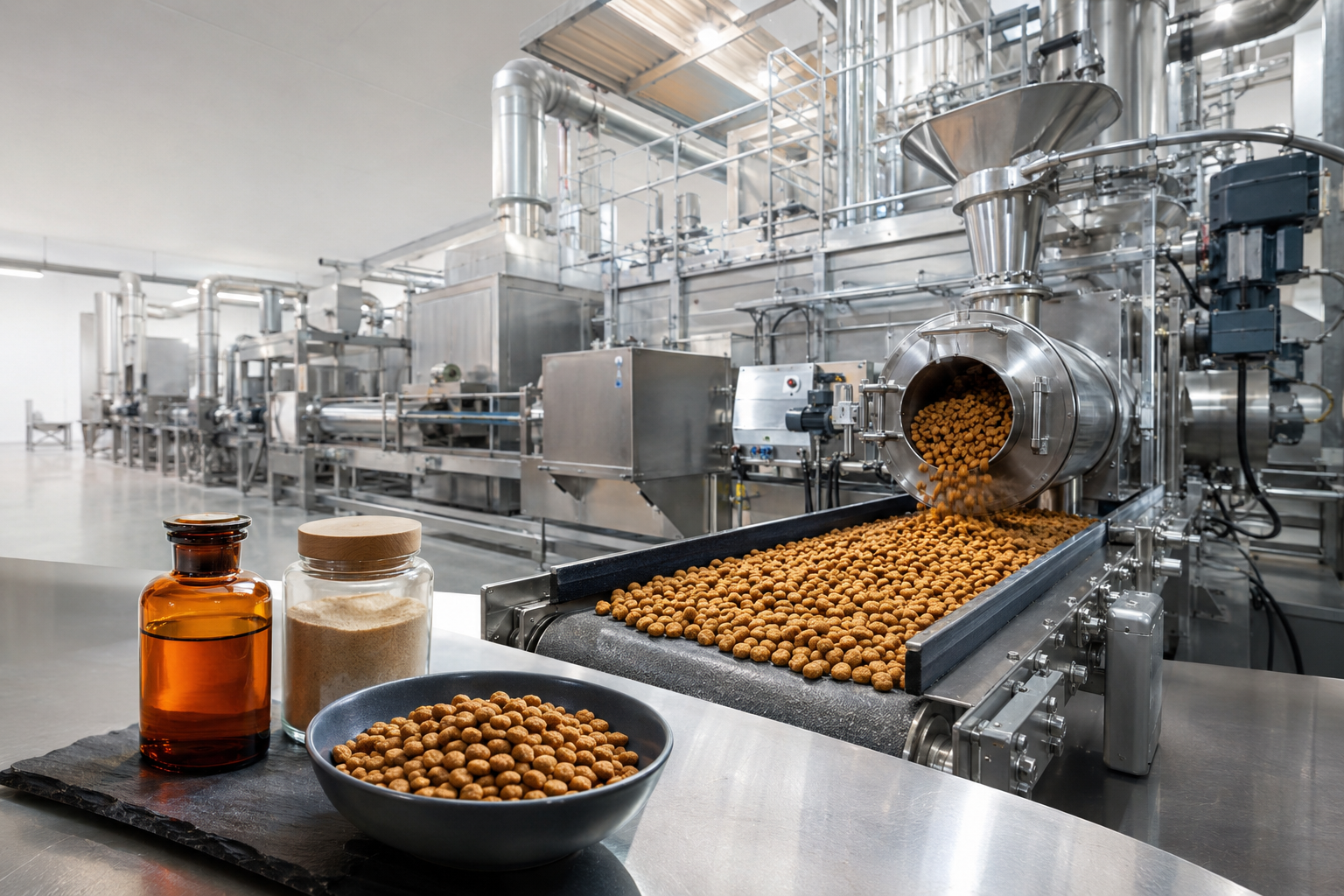
Palatability enhancers are typically applied as topical coatings or mixed into the kibble/wet food formula during manufacturing.
4. Key Ingredients in Pet Food Palatability Enhancers
Common ingredients in high-performance palatability enhancers for pet food include:
- Hydrolyzed chicken liver
- Poultry digest
- Fish hydrolysate
- Yeast extract
- Amino acids (e.g., taurine, glycine)
- Organic acids for mild preservation and taste modulation
These ingredients not only improve flavor but also contribute to better digestibility and nutrient uptake, which is essential for long-term feline health.
5. Feed Additives for Cats vs. Dogs
While there’s some overlap in feed additives for dogs and cats, formulation must account for species-specific needs:
| Feature | Cats | Dogs |
|---|---|---|
| Nutritional Preference | Obligate carnivores (meat-based) | Omnivores (can handle carbs) |
| Sensory Sensitivity | High smell and texture sensitivity | More accepting of flavor variety |
| Amino Acid Requirements | High taurine and arginine needs | Less strict |
| Flavor Enhancer Sources | Poultry liver, fish, animal plasma | Broader protein sources |
For pet food manufacturers, understanding these differences ensures the right enhancer is chosen for the right product line.
6. Why Work with a Palatability Enhancer Supplier?
Choosing a reliable palatability enhancer supplier is crucial for consistent product performance and market success. Here’s what a good partner should offer:
- ✅ Custom formulations tailored to your food matrix (dry, wet, semi-moist)
- ✅ High-quality raw materials sourced with full traceability
- ✅ Stable shelf life and easy-to-use application formats
- ✅ R&D support for performance validation
- ✅ Regulatory compliance for your market (AAFCO, FEDIAF, etc.)
At Profypet, we go beyond supply—we act as your technical collaborator, helping you optimize palatability while balancing cost-efficiency and clean-label expectations.
7. Industry Trends: The Rise of Functional Palatants
Pet parents today are not just looking for food their cats will eat—they want food that supports health and wellbeing. This has given rise to functional palatants that deliver additional benefits like:
- Digestive support (prebiotics + probiotics)
- Joint health (glucosamine, chondroitin)
- Skin and coat benefits (omega fatty acids)
Combining appetite-boosting performance with functional nutrition is the next frontier in pet food development.
8. Applications: Where Appetite Boosters Make a Difference
Appetite stimulants are especially useful in:
- Prescription diets for ill or aging cats
- Transition foods (e.g., switching from one brand to another)
- Kittens and weaning formulas
- High-value treats or functional snacks
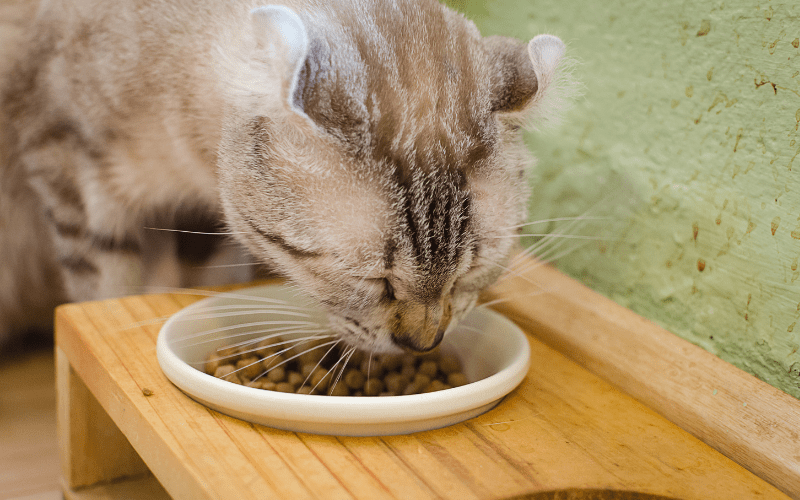
They help reduce food rejection, improve feed intake, and ensure consistent nutrient delivery—critical for maintaining feline health and customer satisfaction.
Conclusion: Boosting Palatability for Better Feline Nutrition
In the competitive pet food market, palatability is not a luxury—it’s a necessity. Whether you’re developing dry kibble, wet food, or functional treats, a targeted flavor enhancer can make the difference between a product that sells—and one that sits on shelves.
At Profypet, we help pet food manufacturers, brands, and wholesalers create irresistible formulations that satisfy even the most finicky feline appetites.
👇 Want to Enhance Your Cat Food Line?
Partner with Profypet – Your Trusted Palatability Enhancer Supplier.
Explore our full range of cat food flavor enhancers, appetite stimulants, and custom palatant solutions tailored for OEM/ODM projects.
🔗 Contact us now or browse our Product Catalog to learn more.