Appetite Enhancer in Pet Food
In today’s highly competitive pet food market, appetite enhancer solutions have become a core formulation tool for pet food manufacturers, factories, and palatant wholesalers. Whether you are producing dry kibble, wet food, treats, or functional diets, improving palatability directly impacts repeat purchases, brand loyalty, and feeding compliance—especially for cats and picky dogs.
This article provides a professional, practical overview of appetite enhancers in pet food, with a focus on cat food palatability, cat food flavor enhancers, and palatability enhancers for pet food, tailored for B2B buyers seeking reliable suppliers and formulation partners.
What Is an Appetite Enhancer in Pet Food?
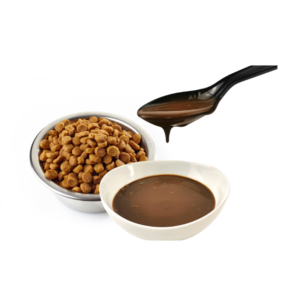
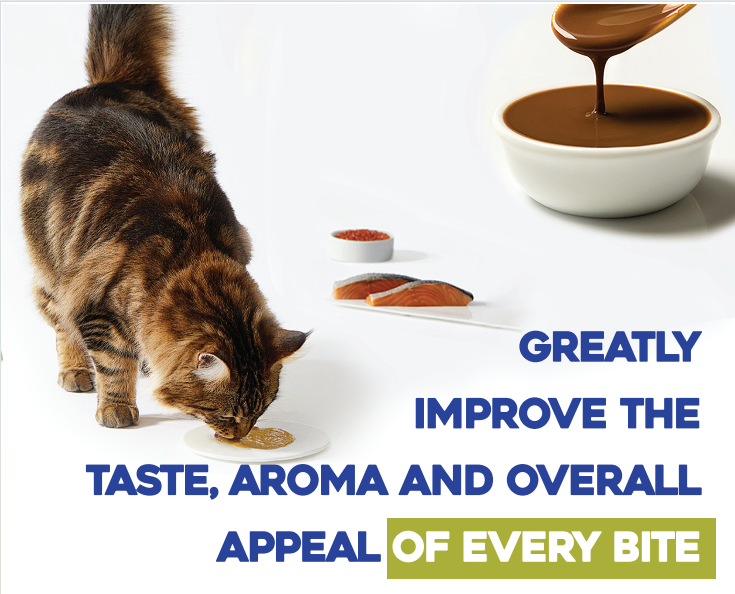
An appetite enhancer is a functional ingredient or additive designed to stimulate pets’ interest in food by improving aroma, taste, and mouthfeel. In industrial pet food production, appetite enhancers are typically supplied as pet food palatants, available in liquid or powder form.
For manufacturers, appetite enhancers help solve common challenges such as:
- Low feed intake in cats
- Reduced palatability after extrusion or sterilization
- Formula changes due to cost control or regulation
- Acceptance issues in functional or prescription diets
Why Cat Food Palatability Is Especially Critical
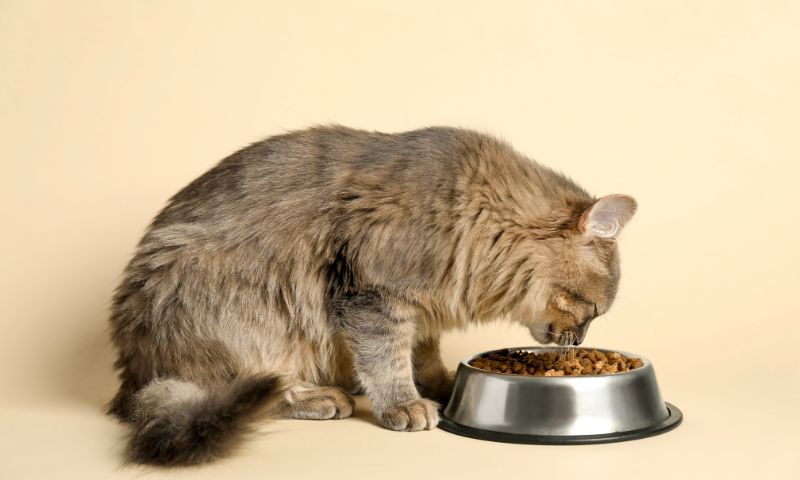
Cats are notoriously selective eaters. Unlike dogs, cats rely heavily on smell and umami perception, and even minor changes in flavor profile can reduce acceptance.
Key factors affecting cat food palatability:
- Volatile aroma compounds released during feeding
- Protein hydrolysate quality and peptide profile
- Fat-soluble flavor carriers
- Balance between savory notes and bitterness masking
A well-designed cat food appetite enhancer addresses these factors simultaneously, ensuring consistent intake across batches and markets.
Role of Cat Food Flavor Enhancers in Modern Formulation
A cat food flavor enhancer is not just about making food “taste stronger.” In professional formulations, flavor enhancers are engineered to:
- Increase first-bite attraction
- Maintain palatability after storage
- Support coating adhesion on dry kibble
- Improve acceptance of functional ingredients
For export-oriented factories, flavor consistency is essential. High-quality palatability systems help ensure stable sensory performance across different production lines and raw material sources.
Palatability Enhancer for Pet Food: Liquid vs. Powder
Liquid Palatability Enhancers
Commonly applied during fat coating, liquid enhancers offer:
- Fast aroma release
- Strong surface attraction
- Excellent performance in dry kibble and treats
Typical application rate: 1–3%, depending on formulation and target species.
Powder Palatability Enhancers
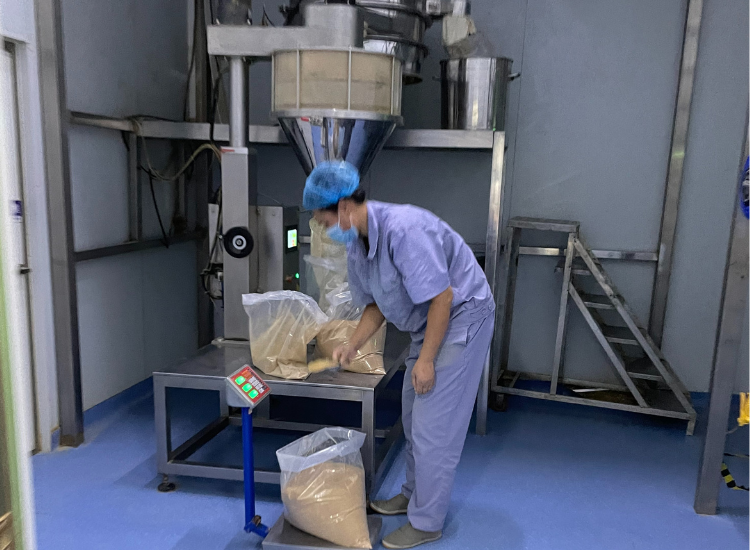
Powder systems are widely used in:
- Premixes and functional foods
- Soft chews and baked snacks
- Cost-sensitive formulations
They provide:
- Easy handling and storage
- Uniform blending
- Stable flavor performance
A professional palatability enhancer supplier should be able to recommend the optimal format based on your production process.
Appetite Enhancers as Feed Additives for Dogs
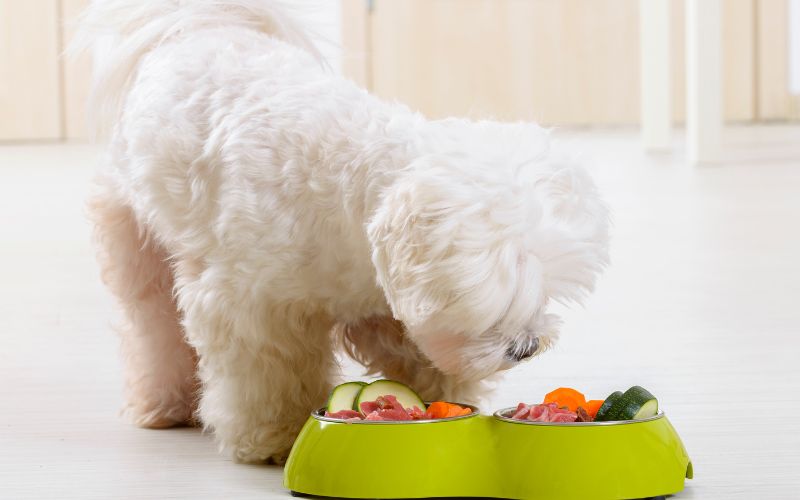
While dogs are generally less selective than cats, feed additives for dogs play a crucial role in:
- Senior dog diets
- High-fiber or low-fat formulations
- Veterinary and recovery foods
Dog appetite enhancers focus more on meaty aroma, fat perception, and lingering flavor, supporting sustained intake rather than just first attraction.
Pet Food Ingredients Behind Effective Appetite Enhancers
High-performance appetite enhancers are built on carefully selected pet food ingredients, such as:
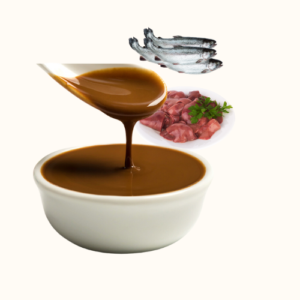
- Animal protein hydrolysates
- Yeast extracts and nucleotides
- Natural reaction flavors
- Fat-soluble aroma compounds
From a B2B perspective, ingredient traceability, batch consistency, and regulatory compliance are just as important as sensory performance.
How Pet Food Manufacturers Use Appetite Enhancers Strategically
For pet food factories, appetite enhancers are not an afterthought—they are a strategic formulation lever.
They help manufacturers:
- Reduce reliance on expensive raw materials
- Maintain palatability during recipe optimization
- Adapt products for different regional taste preferences
- Improve acceptance of health-focused formulations
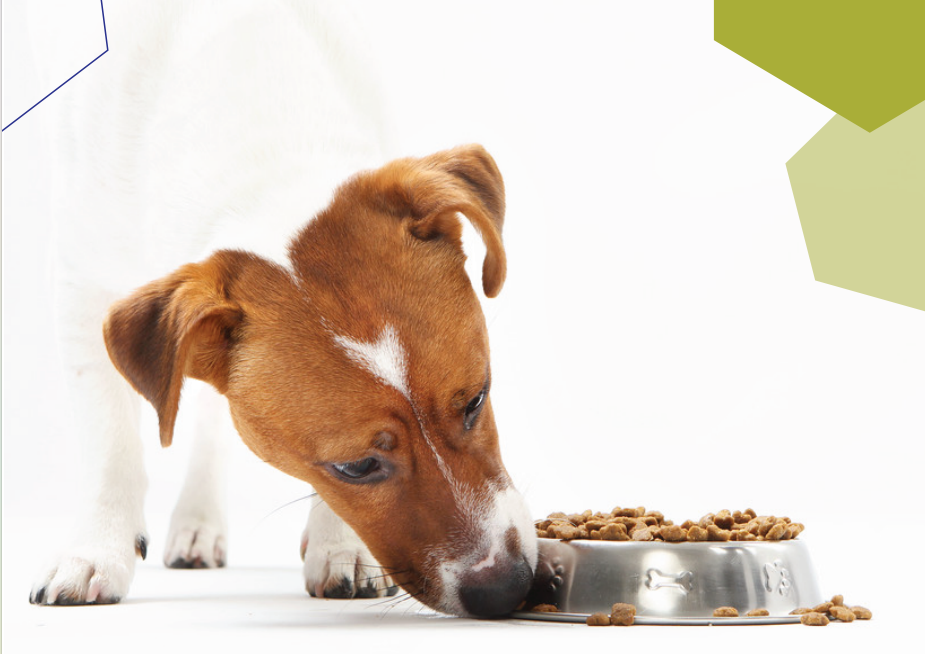
Used correctly, appetite enhancers improve cost efficiency while maintaining product competitiveness.
Choosing the Right Palatability Enhancer Supplier
When sourcing a cat food flavor enhancer or palatability enhancer for pet food, professional buyers should evaluate suppliers based on:
- Species-specific formulation expertise (cat vs. dog)
- Availability of liquid and powder systems
- Technical support for application and dosage
- Export compliance and documentation
- Stability and performance testing
A qualified supplier works as a technical partner, not just a raw material vendor.
Final Thoughts
In modern pet food production, appetite enhancers are essential tools for ensuring palatability, consistency, and commercial success. From cat food palatability improvement to feed additives for dogs, the right palatability solution supports both product quality and brand performance.
For pet food manufacturers and palatant wholesalers, investing in high-quality cat food flavor enhancers and pet food palatability enhancers is no longer optional—it is a competitive necessity in today’s global pet nutrition market.