Best Dog Food for Picky Eaters
In today’s competitive pet food market, nutrition alone is no longer enough. Even the most carefully formulated recipe will fail if a dog simply refuses to eat it. For brands, factories, and private-label producers, the real question is not only what is the best dog food for picky eaters? — but how do we engineer palatability into every bite?
For pet food manufacturers, solving picky eating behavior is a formulation strategy, a coating technology challenge, and a flavor science opportunity.
This guide explores how palatability enhancers, functional ingredients, and advanced coating systems are transforming both dog and cat food performance — and how choosing the right palatability enhancer supplier can redefine your product success.
Understanding Picky Eating in Dogs
Picky eating in dogs is often misunderstood. In reality, it is influenced by:
- Aroma intensity
- Surface fat and coating distribution
- Texture and moisture level
- Protein source familiarity
- Previous feeding habits
- Health-related appetite sensitivity
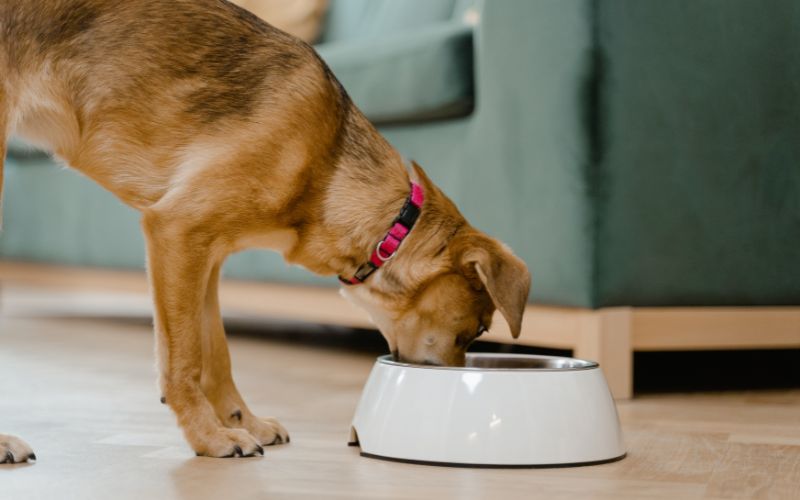
Unlike humans, dogs rely heavily on smell. If aroma release is weak or inconsistent, even a nutritionally superior product may be rejected.
For manufacturers, this means palatability is engineered, not accidental.
What Defines the “Best Dog Food” for Selective Eaters?
From a technical perspective, the best dog food for picky eaters must achieve three core objectives:
- Immediate aroma impact upon bowl presentation
- Sustained flavor perception during chewing
- Positive post-ingestive satisfaction
Achieving this requires strategic use of:
- Hydrolyzed animal proteins
- Maillard reaction flavors
- Spray-dried palatants
- Liquid coating systems
- Functional feed additives for dogs
Palatability is not a single ingredient — it is a system.

The Role of Palatability Enhancer for Pet Food
What Is a Palatability Enhancer?
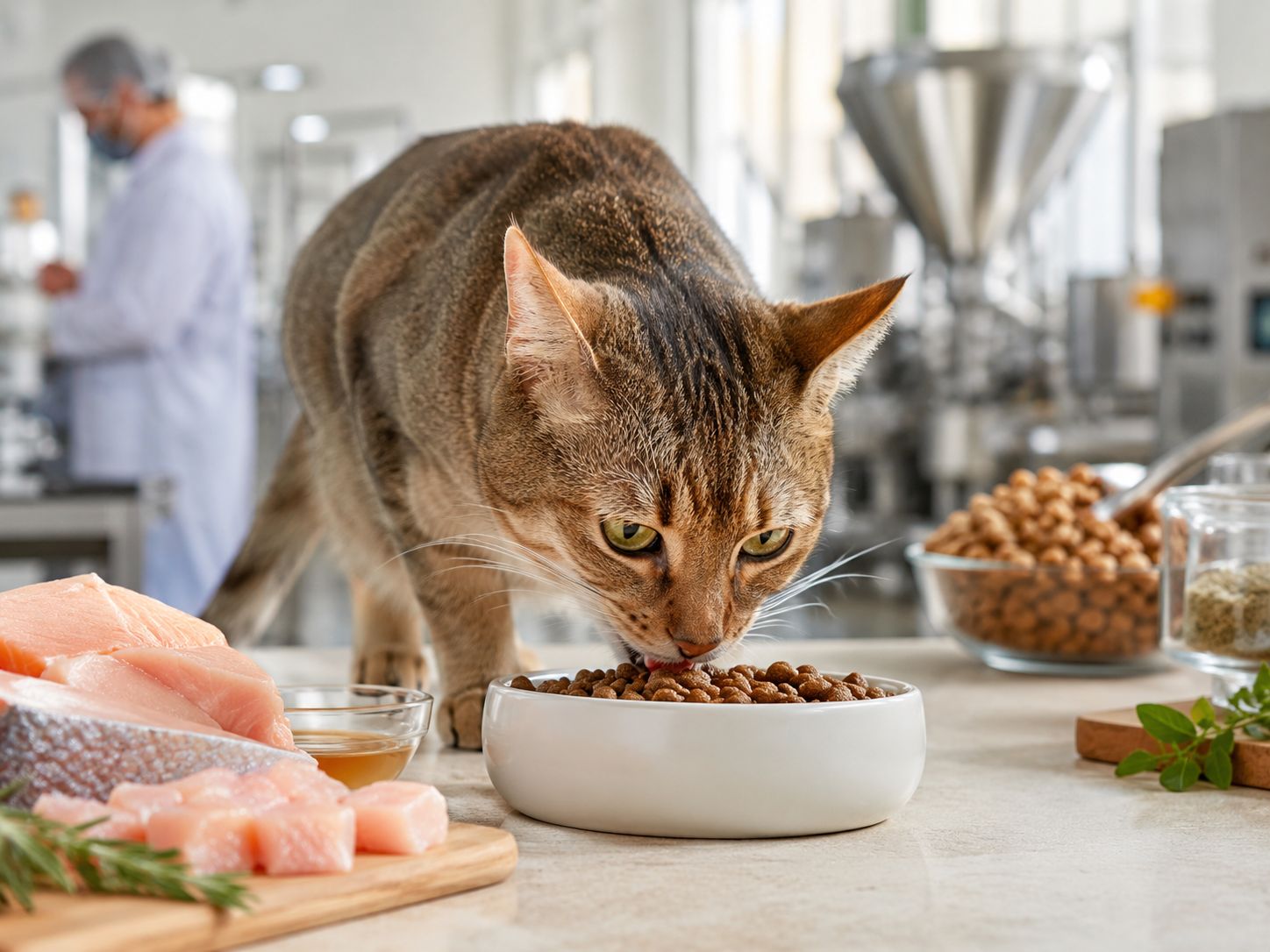
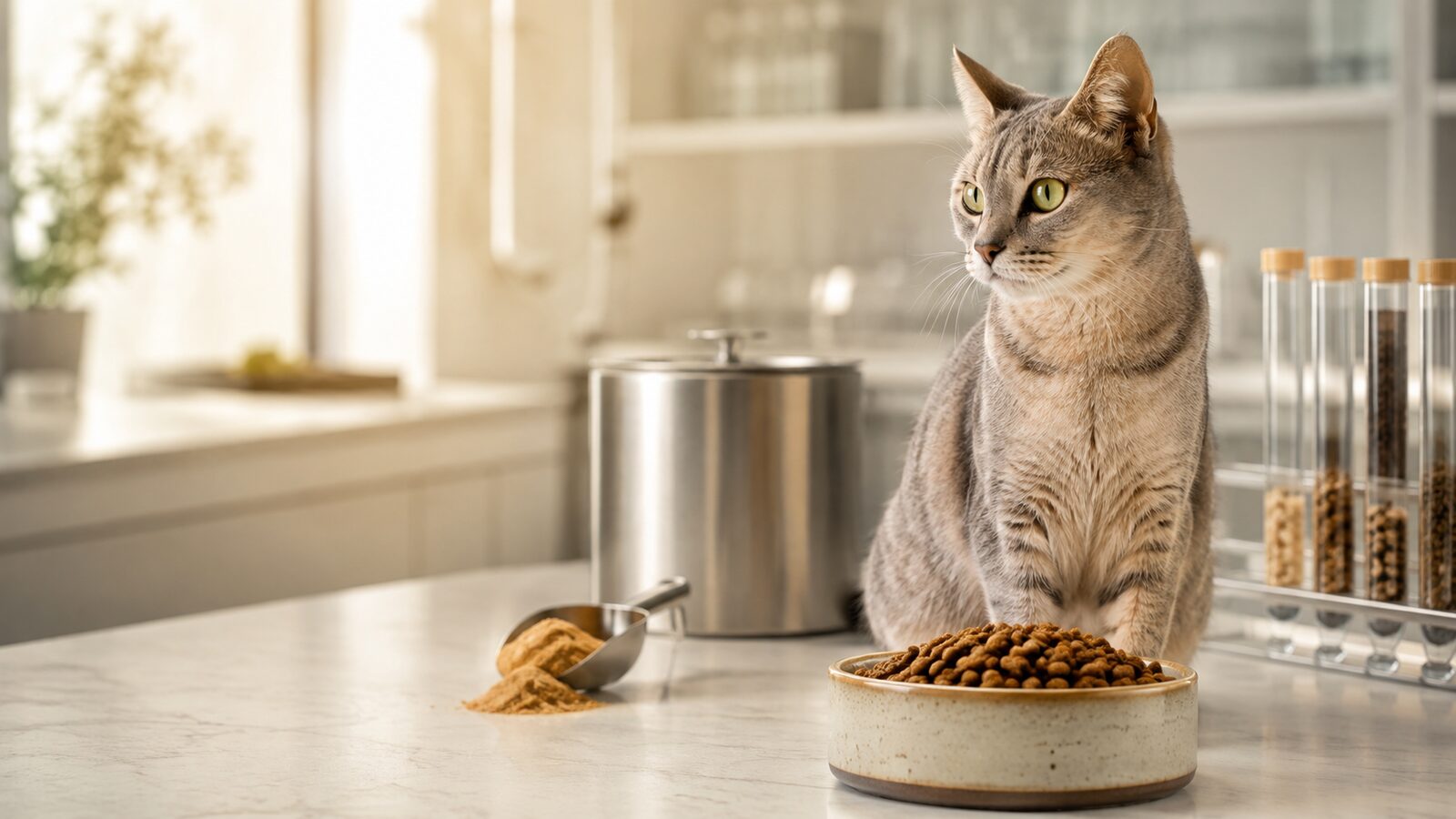
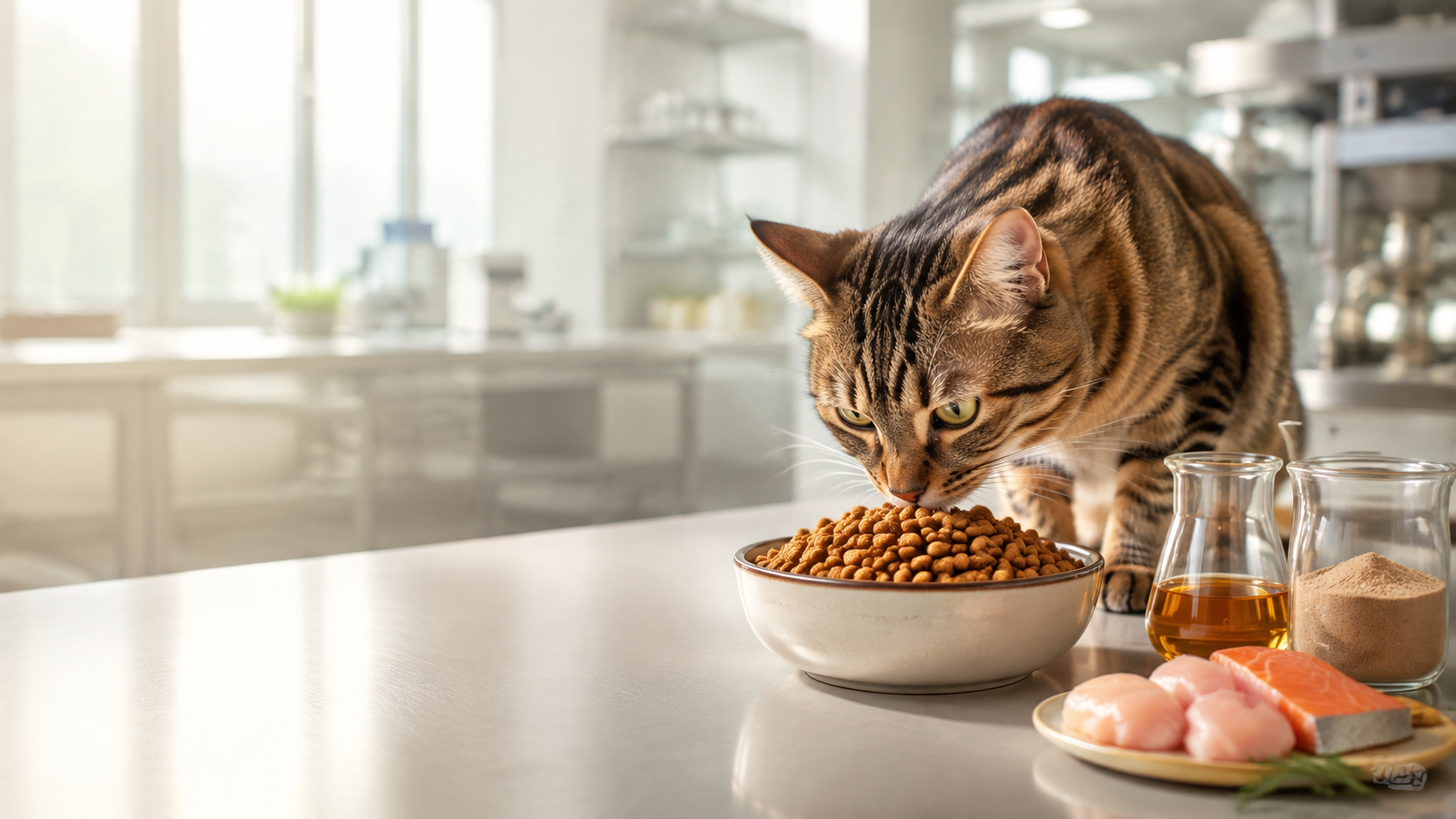
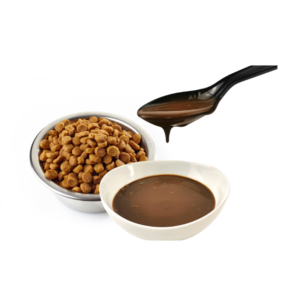
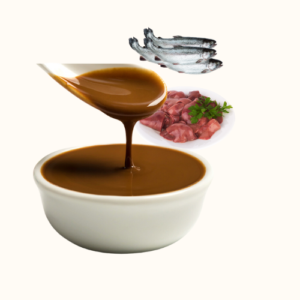
A palatability enhancer for pet food is a functional additive designed to improve taste, aroma, and feeding response. These include:
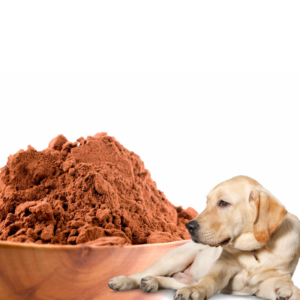
- Chicken liver hydrolysate powder
- Beef digest
- Fish soluble concentrates
- Yeast extracts
- Reaction flavors
These ingredients stimulate olfactory and taste receptors, increasing voluntary intake.
For manufacturers, integrating palatants at the coating stage significantly improves first-bite acceptance rates.
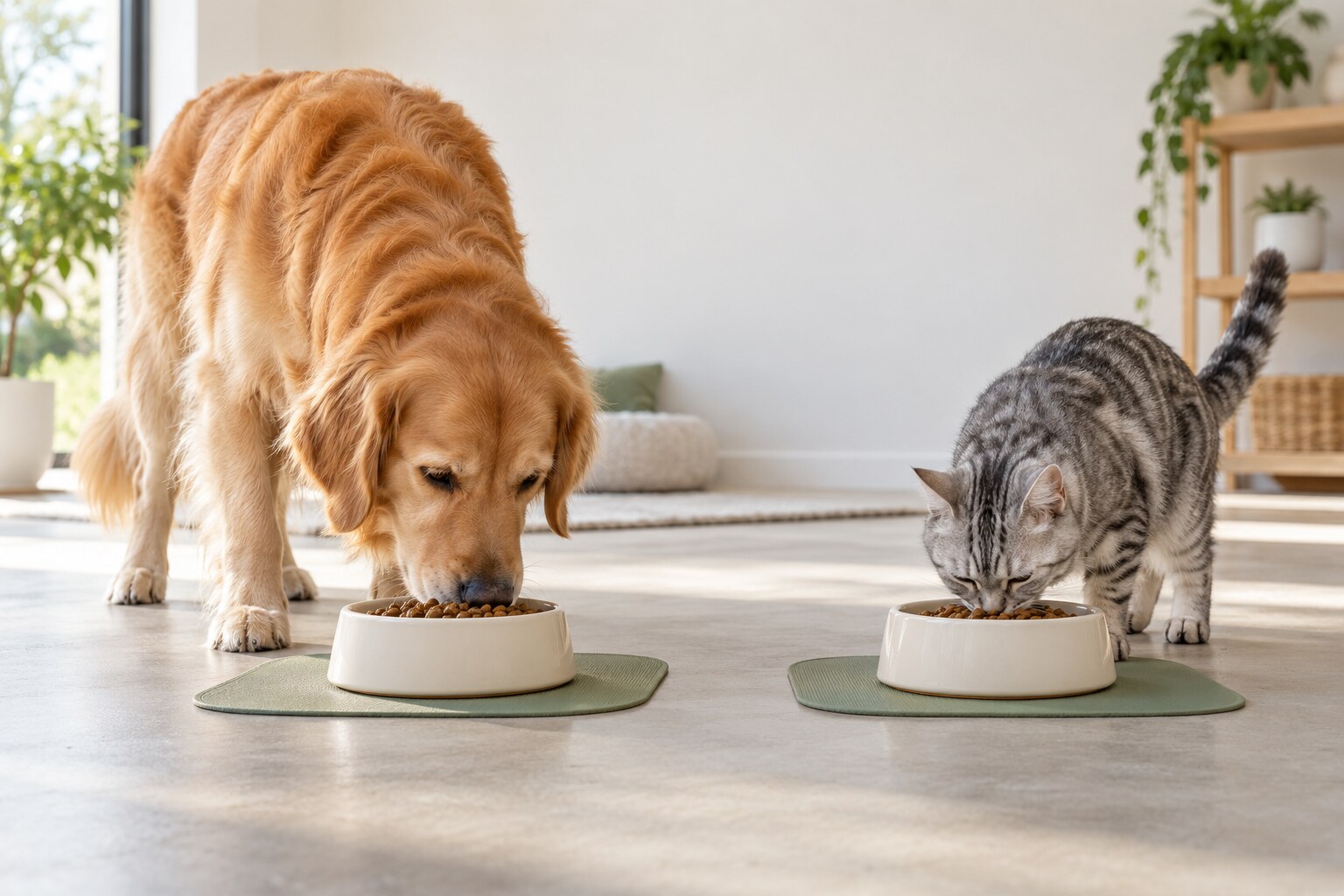
Dog vs Cat Food Palatability: Why It Matters
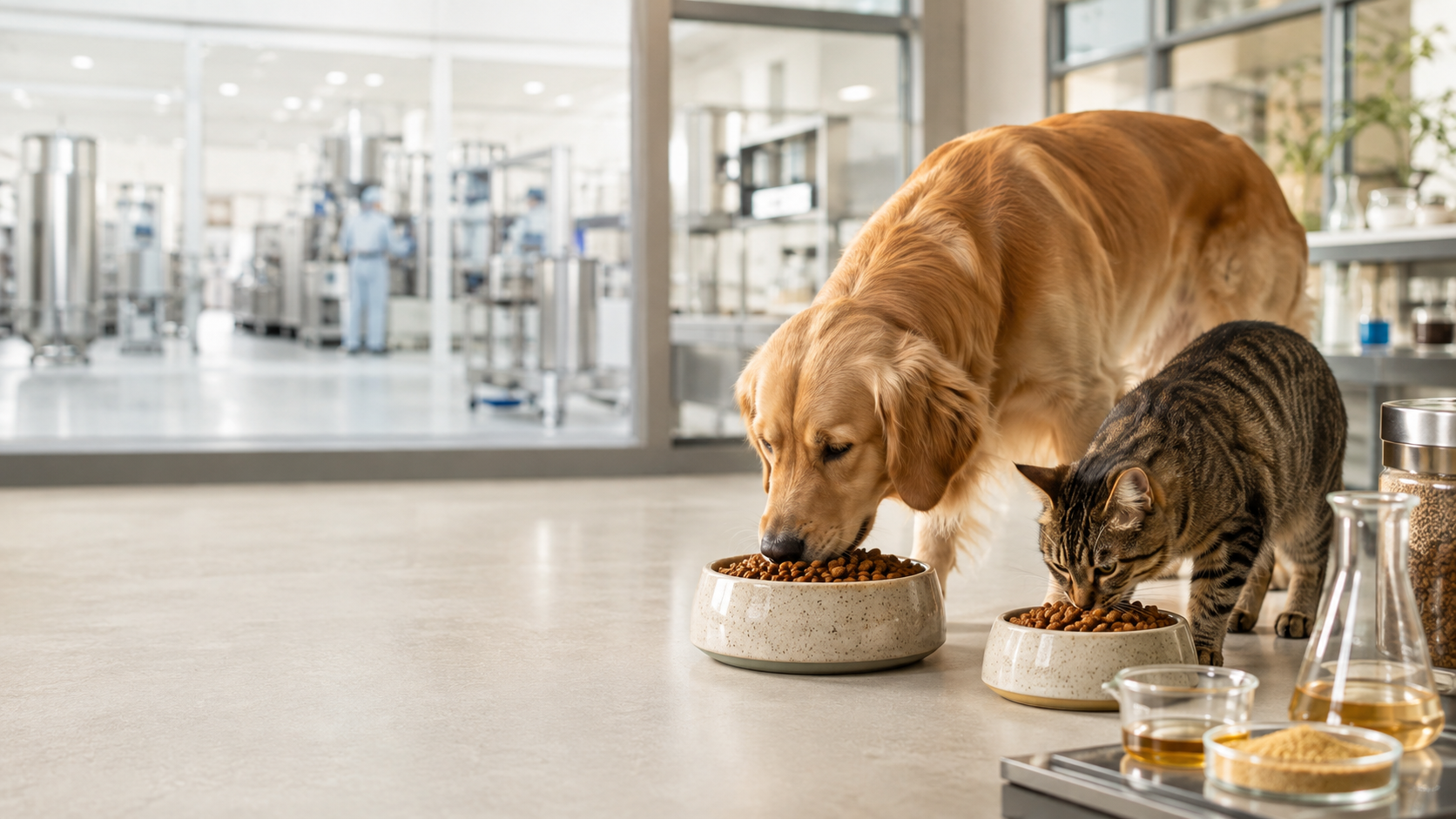
While this article focuses on dog food, understanding cat food palatability provides important insight.
Cats are stricter carnivores and more aroma-sensitive than dogs. Therefore, technologies developed for cat food flavor enhancer systems often represent the highest palatability standard in the industry.
If a palatant performs well in cat applications, it typically performs strongly in dog food.
Key differences:
| Factor | Dogs | Cats |
|---|---|---|
| Protein Preference | Flexible | Highly specific |
| Aroma Sensitivity | High | Extremely High |
| Texture Sensitivity | Moderate | High |
| Flavor Adaptation | Moderate | Low |
Learning from cat food flavor enhancer technology allows manufacturers to elevate dog food acceptance performance.
Core Pet Food Ingredients That Improve Palatability
Beyond palatants, base formula design matters.
High-performing formulations often include:
- Fresh meat inclusion for natural aroma
- Animal fat spraying for surface appeal
- Controlled starch gelatinization
- Moisture optimization (8–10% for dry food)
- Balanced amino acid profiles
However, ingredient cost control is critical. This is where feed additives for dogs provide value — allowing manufacturers to improve intake without increasing expensive meat inclusion levels.
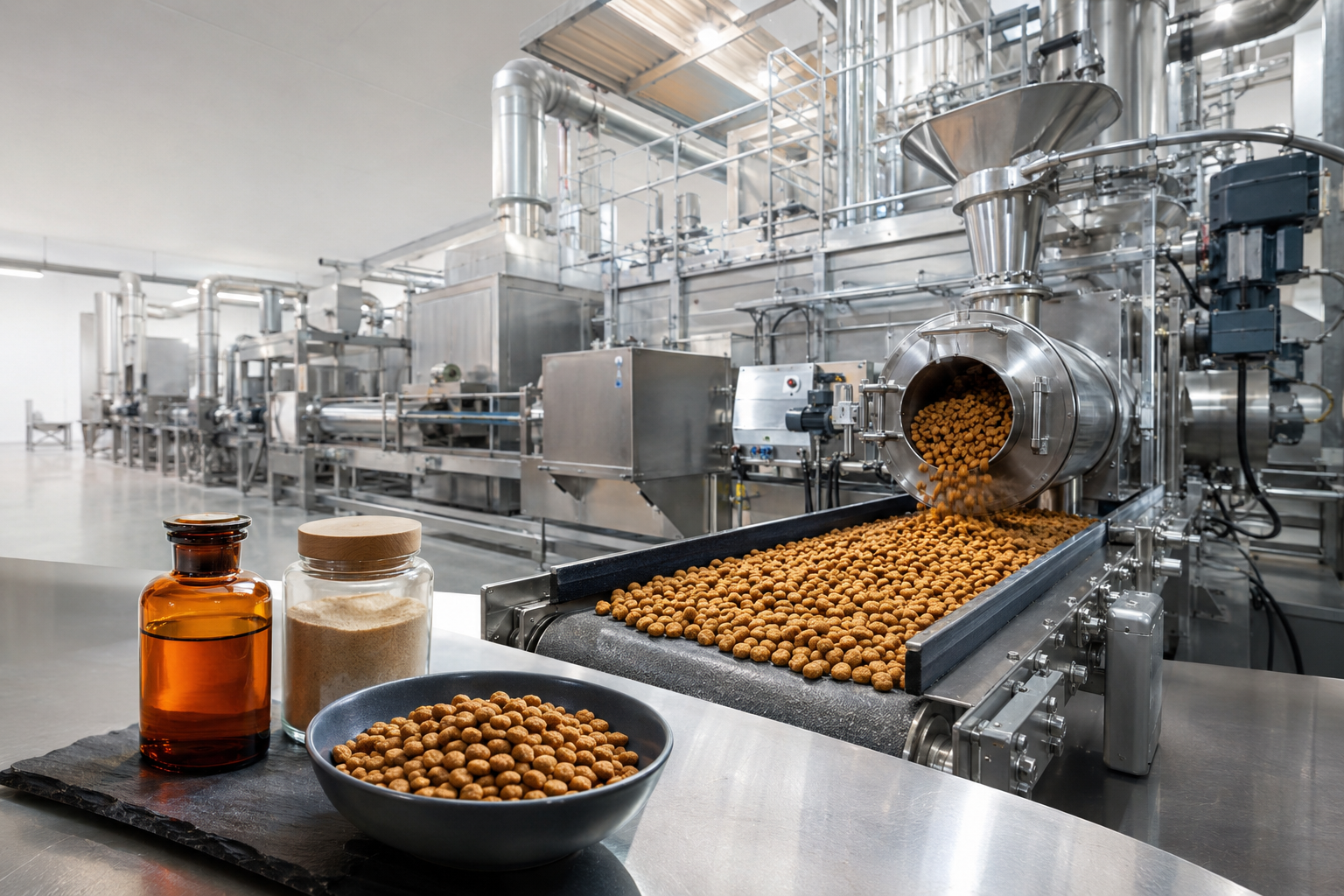
Advanced Coating Technology: Where Success Is Decided
Extrusion builds structure. Coating builds desire.
Modern palatability systems use:
- Dual-layer spray coating
- Vacuum coating for deeper flavor penetration
- Oil + powder synergy application
- Even particle distribution control

Improper coating leads to:
- Flavor dust fall-off
- Uneven aroma release
- Reduced shelf stability
- Customer complaints
Working with a professional palatability enhancer supplier ensures application guidance, not just ingredient supply.
Palatability in Wet Food vs Dry Kibble
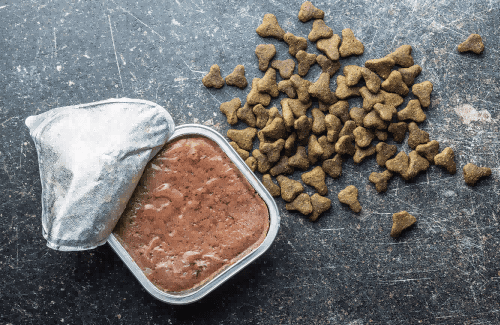
Picky eaters often prefer wet food due to higher aroma volatility. However, dry kibble dominates global markets.
Dry Food Strategy
- High-impact surface palatant
- Fat balance for aroma retention
- Strong initial scent burst
Wet Food Strategy
- Hydrolyzed proteins in gravy
- Texture optimization
- Balanced salt and umami compounds
Both require scientific formulation of pet food ingredients to deliver consistent intake performance.
Functional Diets: New Palatability Challenges
As high-protein, grain-free, and therapeutic diets expand, palatability becomes more complex.
Challenges include:
- Bitter plant proteins
- Reduced fat levels
- High mineral inclusion
- Functional additives impacting taste
For example:
- Renal diets require phosphorus control, which can reduce palatability.
- Weight management diets reduce fat, lowering aroma intensity.
Here, cat food flavor enhancer palatability enhancer supplier solutions play a crucial role in compensating for sensory deficits without altering nutritional targets.
The Science Behind Flavor Enhancers

Palatants work through:
- Free amino acids
- Short peptides
- Organic acids
- Reaction flavor compounds
- Volatile aroma carriers
Hydrolyzed liver proteins are especially effective because they:
- Mimic natural prey aroma
- Deliver strong umami signals
- Enhance salivation
In controlled feeding trials, properly formulated palatants can increase intake preference by 20–40%.
For manufacturers, that margin defines product survival in competitive retail environments.
Market Reality: Why Palatability Is a Strategic Investment
In North America and Europe, premiumization continues to rise. Consumers pay for:
- High protein claims
- Limited ingredient formulas
- Functional benefits
But if pets refuse to eat the product, brand loyalty collapses quickly.
Manufacturers supplying Amazon sellers, supermarket chains, and private labels must ensure:
- High repeat purchase rate
- Strong review performance
- Low product return risk
Palatability is directly tied to commercial success.
Selecting the Right Palatability Enhancer Supplier
Choosing a supplier should go beyond price comparison.
Key evaluation factors:
- Technical R&D capability
- Feeding trial validation
- Application support for coating systems
- Stability testing data
- Regulatory compliance documentation
- Export experience
A reliable supplier supports:
- Product customization
- Flavor profile development
- Functional diet adaptation
- Shelf-life stability
For pet food factories scaling globally, this partnership is critical.
Integrating Cat Food Flavor Enhancer Knowledge into Dog Products
Advanced cat food flavor enhancer systems often include:
- Liver hydrolysate
- Marine protein digests
- Yeast-based umami enhancers

Applying similar systems in dog food creates premium acceptance performance, especially in small breed or toy breed markets where pickiness is common.
Cross-species palatability innovation represents an untapped growth opportunity.
The Future of Palatability in Pet Food
Emerging trends include:
- Clean-label palatants
- Natural hydrolysates
- Fermentation-derived flavor systems
- Sustainable protein-based enhancers
- AI-driven feeding behavior analytics
As pet owners humanize pets further, expectations rise.
Manufacturers must balance:
Nutrition + Functionality + Palatability + Cost Efficiency
Ignoring any of these elements weakens competitiveness.
Final Thoughts
The best dog food for picky eaters is not simply a high-protein or grain-free formula. It is a scientifically designed system combining:
- Advanced pet food ingredients
- Functional feed additives for dogs
- Precision coating technology
- High-performance palatability enhancer for pet food
- Expertise from a trusted palatability enhancer supplier
For pet food factories and brand owners, mastering palatability is not optional — it is strategic.
At ProfyPet, we support manufacturers with tailored palatant systems engineered for performance, stability, and commercial success.
If your product needs stronger feeding response, improved repeat purchase rates, or optimized coating solutions, partnering with a specialized palatability expert may be your most valuable competitive advantage.