How Pet Food Manufacturers Can Improve Palatability and Feeding Acceptance
Introduction
In the pet food industry, cat appetite is not just a nutrition topic. It is a product-performance issue, a consumer-satisfaction issue, and ultimately a business issue. A formula may be rich in protein, balanced in nutrients, and positioned as premium, but if a cat refuses to eat it, the product will struggle in the market.
For pet food manufacturers, pet food factories, and pet food palatant wholesalers, understanding what drives appetite in cats is essential. Cats are selective by nature. Their response to food depends heavily on aroma, taste, texture, freshness, fat coating, and ingredient quality. This makes cat food palatability one of the most important technical and commercial factors in product development.
The good news is that appetite can be improved. With the right palatability strategy, manufacturers can increase feeding acceptance, support formula consistency, and create finished products that perform better in real-world feeding situations. In this article, we will look at why cat appetite matters, what affects it, and how palatability enhancers can help.
Why Cat Appetite Matters in Commercial Pet Food
Cat owners notice appetite problems quickly. When a cat sniffs the bowl and walks away, eats only part of the meal, or loses interest after a few days, they often blame the product. That reaction can lead to negative reviews, poor repurchase rates, and weak shelf performance.
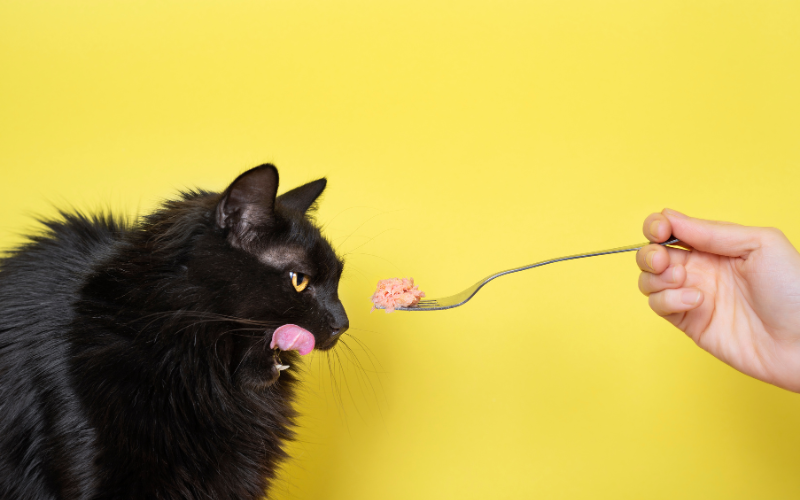
For B2B buyers, appetite is directly connected to commercial value. Importers, private label brands, and factories are not only evaluating ingredient cost. They are also looking for product solutions that help them succeed after launch. A cat food formula with strong palatability can improve first-bite acceptance, reduce feeding rejection, and support stronger repeat sales.
This is especially important in premium, functional, and specialized diets. Products with added supplements, plant extracts, minerals, or therapeutic positioning often face palatability challenges. Without a well-designed flavor system, nutritional value alone may not be enough to win market acceptance.
Why Cats Are Naturally Difficult to Please
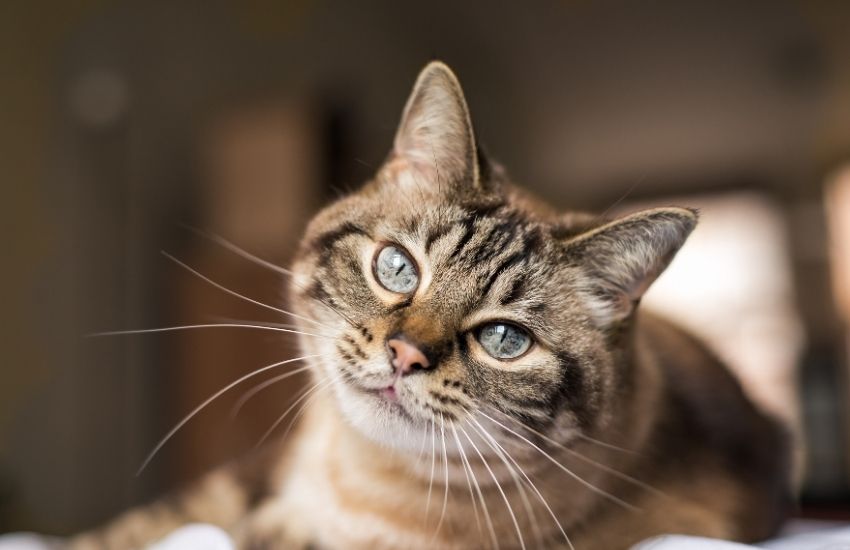
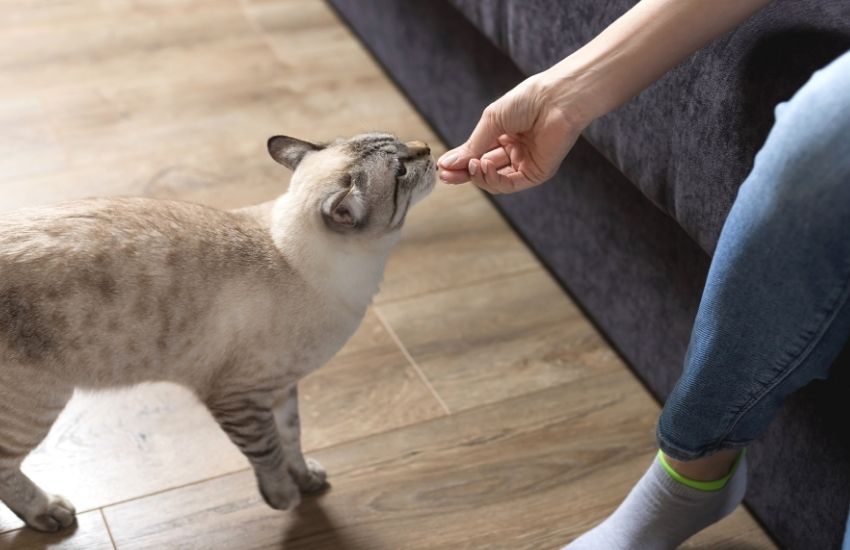
Cats are obligate carnivores, so they are biologically drawn to animal-based sensory cues. They rely strongly on smell before taste, which means aroma plays an outsized role in feeding behavior. Even when a formula looks excellent from a nutritional standpoint, poor aroma release can reduce acceptance dramatically.
Cats also tend to be sensitive to change. A small adjustment in protein source, fat level, processing conditions, or coating technology may alter the sensory profile enough for a cat to reject the food. Compared with dogs, cats are often less forgiving when flavor consistency changes from one batch to another.
Other factors can also influence cat appetite, including kibble texture, moisture content, oxidation, ingredient freshness, and even feeding environment. For manufacturers, this means appetite should be managed through a complete formulation and processing strategy, not treated as a final cosmetic adjustment.
What Is Cat Food Palatability?
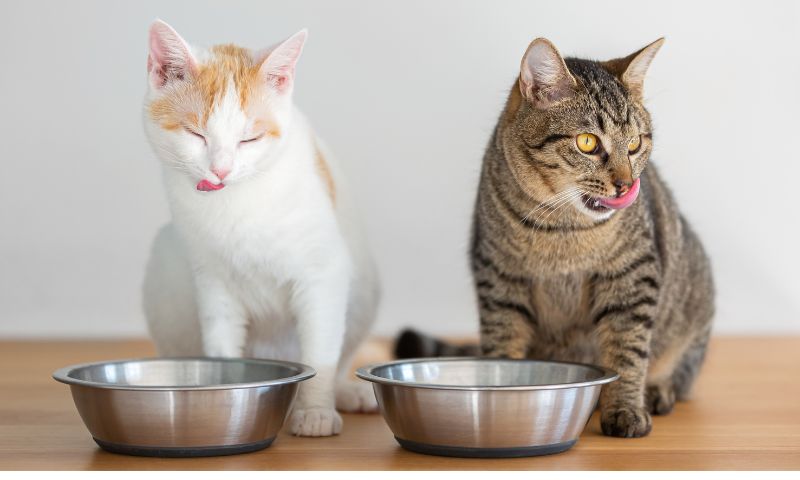
Cat food palatability refers to how attractive and enjoyable a food is to cats. It includes aroma intensity, flavor profile, mouthfeel, surface coating, and aftertaste. In commercial production, palatability is a critical measurement because it determines whether a nutritionally complete food is actually eaten.
Good palatability means cats are attracted to the food quickly and continue eating with confidence. Poor palatability may appear as hesitation, selective eating, inconsistent consumption, or full rejection. In many cases, these problems are not caused by one ingredient alone but by the combined sensory effect of the whole formula.
That is why successful manufacturers usually treat palatability as a technical system. They consider protein selection, hydrolysate use, fat application, coating uniformity, and flavor enhancement together rather than relying on one single additive to fix performance later.
How Cat Food Flavor Enhancers Support Appetite
A cat food flavor enhancer is designed to make food more attractive by improving aroma, meaty taste notes, and overall sensory appeal. In practice, flavor enhancers help bridge the gap between nutritional formulation and feeding acceptance.
This is particularly useful when a product contains ingredients that are beneficial but less naturally appealing to cats. Functional additives, vitamins, minerals, fiber systems, and some plant-based components can weaken the sensory profile of a formula. A properly selected palatability enhancer can rebalance the product so it remains attractive without changing the nutritional target.
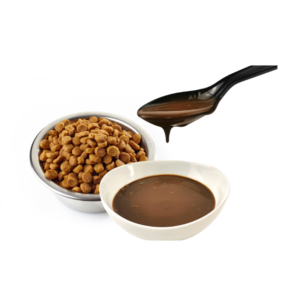
For dry food, flavor enhancers are often used in surface coating systems to increase first-bite appeal. For wet food, they can strengthen savory aroma and improve immediate feeding response. In treats, they help deliver a more intense reward experience, which is important for premium positioning and repeat purchase.
Common Types of Palatability Enhancers for Pet Food
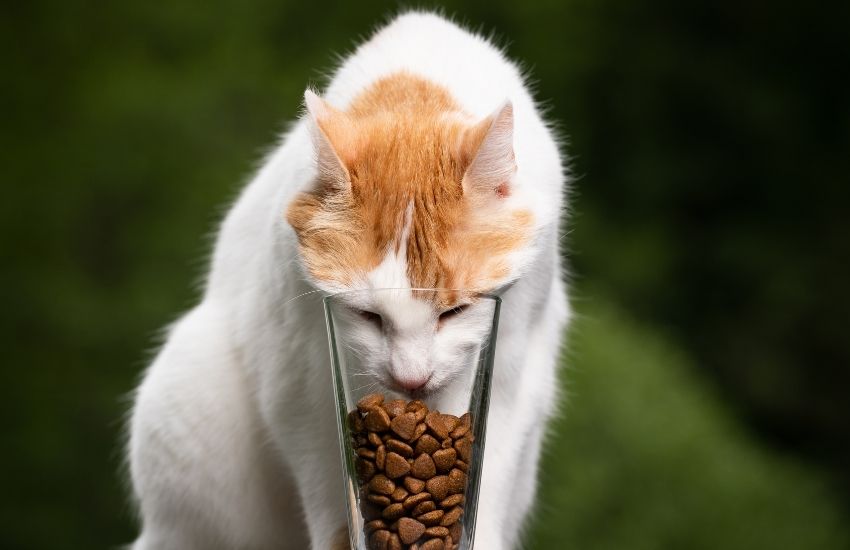
There is no single solution for every product. The right system depends on product format, process conditions, cost target, and regional preference. However, several categories are widely used in cat food manufacturing.
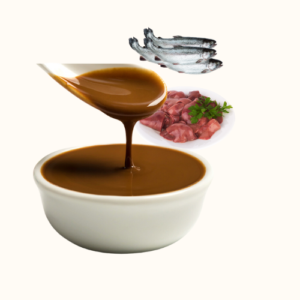
Animal protein-based palatants are among the most effective because they align with feline preference for meat-derived aroma and taste. Chicken, liver, and fish profiles are especially common in cat applications.
Hydrolyzed protein palatants are valuable because they provide strong savory notes and can improve flavor release. They are often used in dry food coatings and premium formulas where appetite performance is a key selling point.
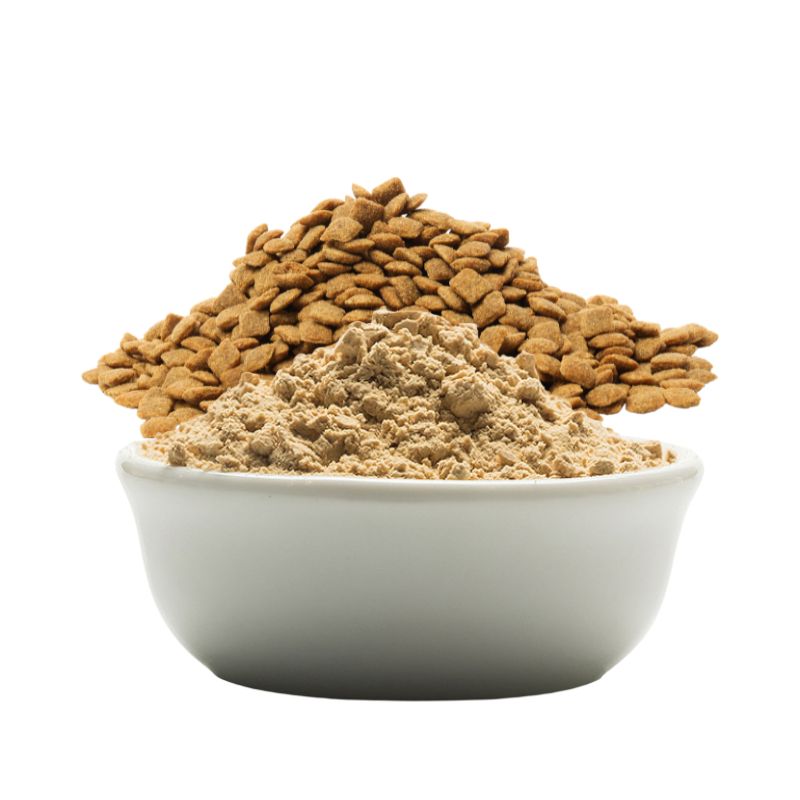
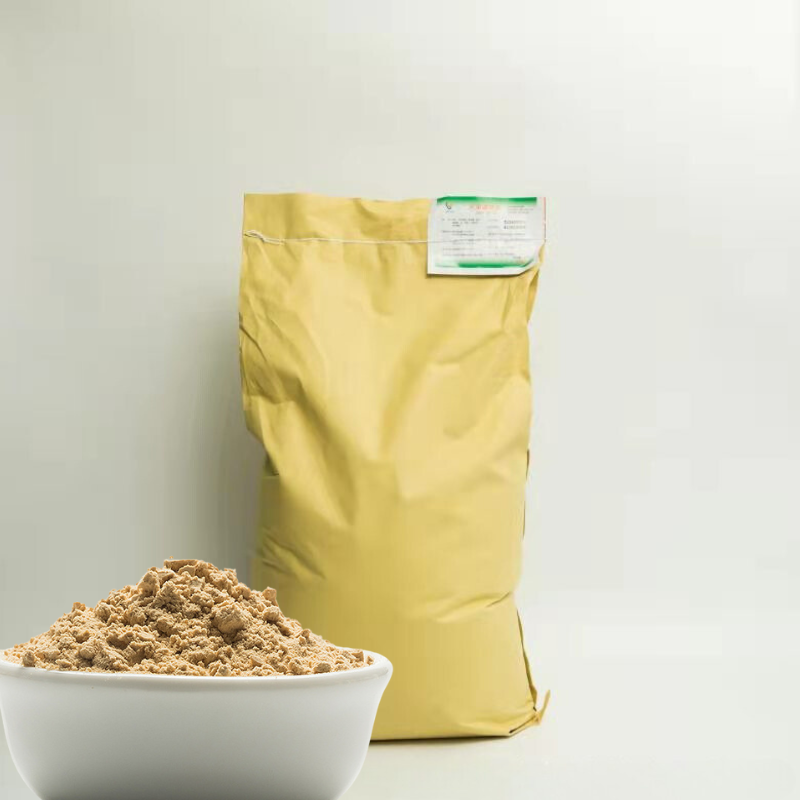
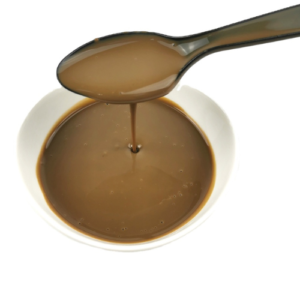
Powder palatants are practical for extrusion-based products and dry snacks. They are easy to handle, cost-efficient, and suitable for scale production. Liquid palatants can provide stronger aroma impact and more uniform coverage, making them useful in applications where a richer sensory layer is needed.
Customized palatability systems are also increasingly important. Different export markets may prefer different sensory directions, and different formulas may require different technical balances. A professional palatability enhancer supplier can support this customization more effectively than a generic one-size-fits-all solution.
How Pet Food Manufacturers Can Improve Cat Appetite
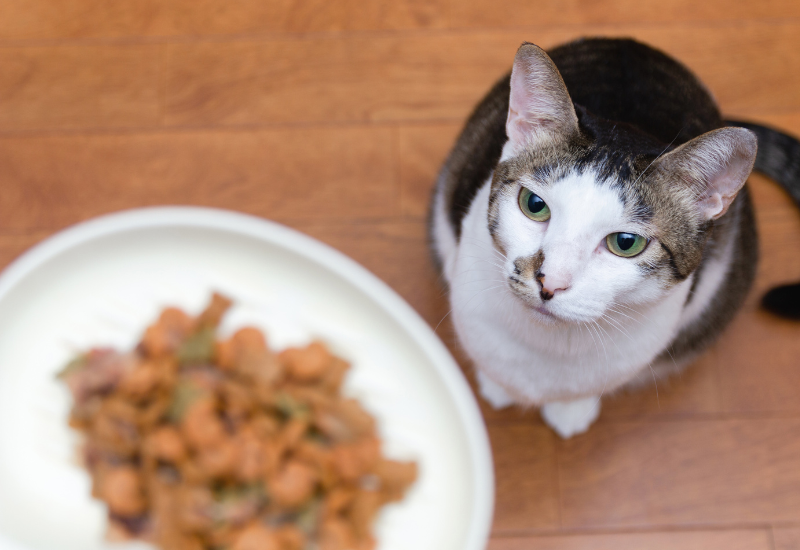
The first step is choosing the right protein direction. Cats usually respond better to animal-based cues, so the sensory profile should align with natural feline preference. Chicken liver, tuna, salmon, and blended meaty notes are often strong starting points.
The second step is protecting aroma through processing. High temperatures, drying conditions, and long holding times can reduce flavor intensity. Manufacturers should evaluate how extrusion, baking, retort, or drying affects the final sensory outcome.
The third step is optimizing surface application. For kibble, coating uniformity matters. Even a good palatant can underperform if it is applied unevenly or if the fat system does not support strong aroma release. The balance between base formula, oil coating, and flavor layer should be tested carefully.
The fourth step is maintaining consistency. Cats dislike noticeable flavor drift, so batch-to-batch control is important. A stable and reliable palatability supplier can help reduce variation and support long-term product acceptance.
Finally, appetite should be validated with real feeding trials whenever possible. Technical specifications are important, but true market performance depends on how cats respond in practical use.
Why B2B Buyers Should Work with an Experienced Palatability Enhancer Supplier
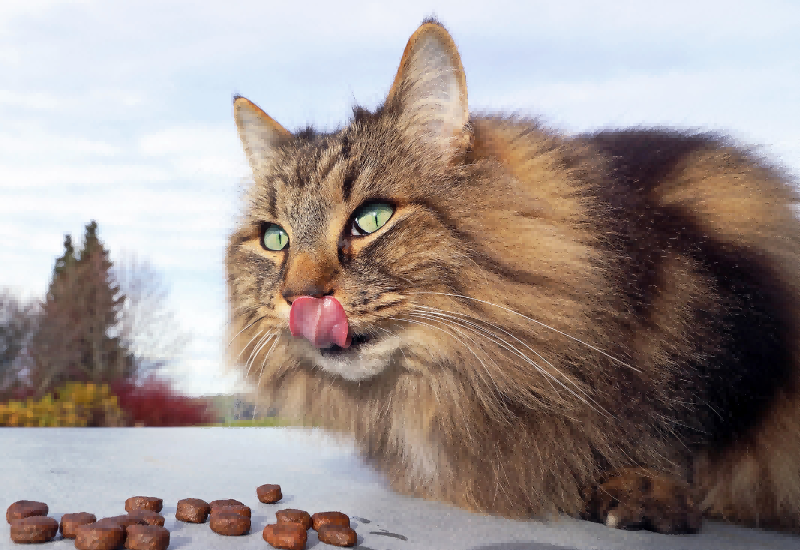
For B2B buyers, choosing a supplier is not only about price. It is about technical support, product consistency, customization ability, and application knowledge. An experienced supplier understands how palatants behave in different processes and can recommend solutions based on product type rather than offering generic ingredients.
This matters even more for factories developing OEM and ODM products. Different customers may request grain-free formulas, high-protein formulas, low-fat recipes, functional diets, or premium treats. Each of these categories can present different appetite challenges. A knowledgeable supplier helps the factory respond faster and formulate with more confidence.
Reliable support can also shorten development cycles. Instead of repeating trial-and-error adjustments, manufacturers can work with palatability specialists to identify suitable aroma direction, application format, and dosage range earlier in the development process.
Applications Across Different Cat Food Categories
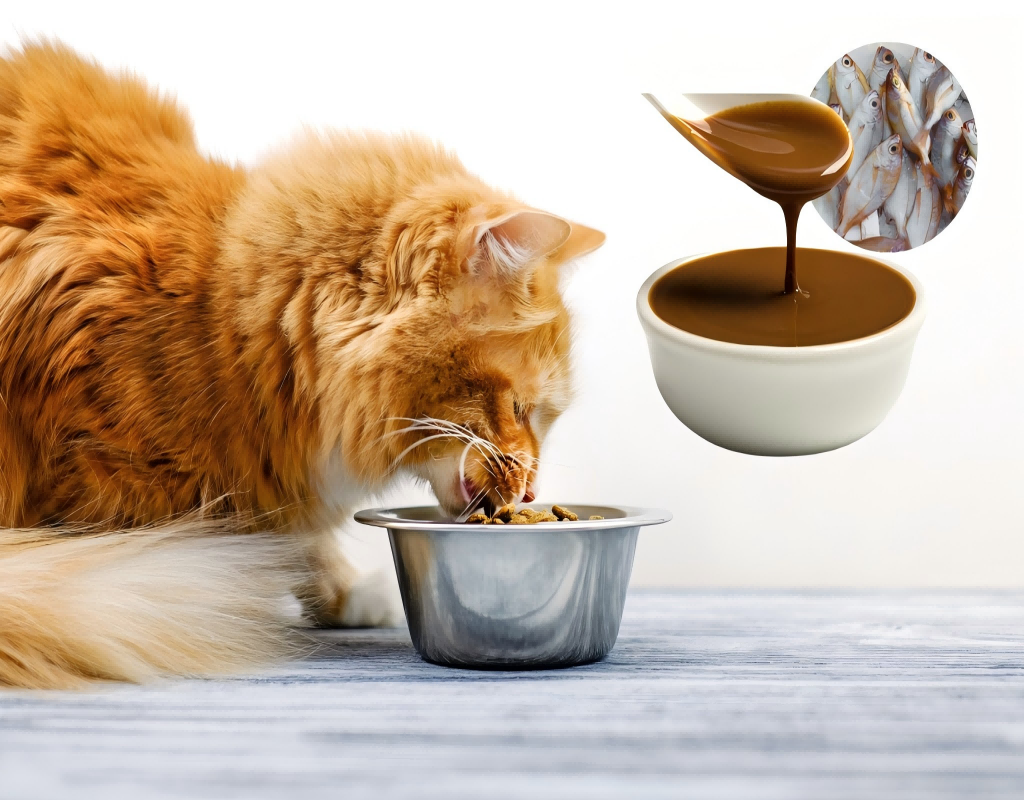
Cat appetite solutions are relevant across almost every finished-product category. In dry kibble, palatability enhancers help strengthen first-bite response and improve repeat consumption. In wet food and gravy-based products, they help create a richer aroma burst when the package is opened.
In freeze-dried or baked treats, flavor systems support premium positioning and stronger reward value. In therapeutic or functional diets, they can offset the less appealing sensory effects of nutritional fortification. Even in supplements, toppers, and health-support snacks, appetite enhancement can improve owner satisfaction because it makes daily feeding easier.
For this reason, appetite is not a niche topic. It is a cross-category performance driver that affects product success throughout the cat food portfolio.
Conclusion
Cat appetite is one of the clearest links between formulation and market performance. Cats will not reward a product simply because it is nutritionally balanced; they respond to aroma, flavor, and eating experience. For pet food manufacturers, pet food factories, and palatant wholesalers, improving appetite means improving product competitiveness.
The most effective approach is not to treat palatability as an afterthought. It should be built into product development from the beginning through ingredient selection, processing control, surface application, and targeted flavor enhancement. With the right palatability strategy, manufacturers can create cat food products that are not only nutritious on paper but also highly acceptable in the bowl.
At ProfyPet, we understand that feeding acceptance is essential for commercial success. The right palatability enhancer can help you improve cat appetite, strengthen product performance, and develop formulas that work better for both brands and pets.