Cat Food Attractant
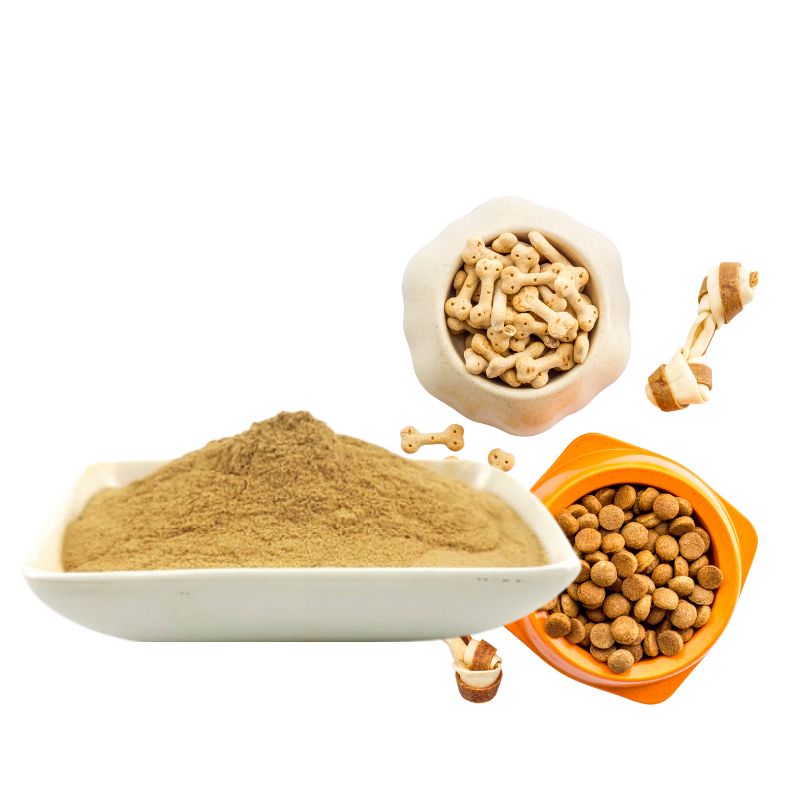
In modern pet food formulation, nutrition alone is not enough. Even the most balanced cat food formula can fail if cats refuse to eat it. This is where cat food attractant solutions become critical.
For pet food manufacturers, pet food factories, and pet food palatant wholesalers, palatability is no longer a marketing concept—it is a measurable production parameter that directly affects feed intake, repeat purchase rates, and brand stability.
At Profypet, cat food attractants are developed as functional palatability systems, designed to support real-world manufacturing conditions and diverse market requirements.
What Is Cat Food Palatability and Why It Matters

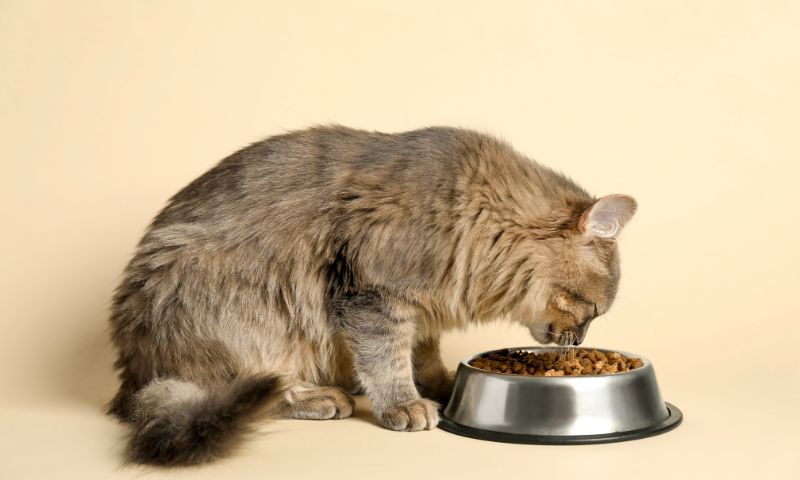
Cat food palatability refers to how willingly and consistently cats consume a product. Unlike dogs, cats are highly sensitive to aroma, volatile compounds, and protein-derived taste signals.
Key drivers of cat food palatability include:
- Aroma release at room and feeding temperature
- Umami intensity from protein hydrolysates
- Fat-soluble flavor adhesion on kibble surfaces
- Aftertaste persistence without bitterness
A professionally designed cat food attractant ensures stable intake even when formulas are adjusted for cost, nutrition, or supply chain changes.
Cat Food Flavor Enhancer: Core Component of Attractant Systems
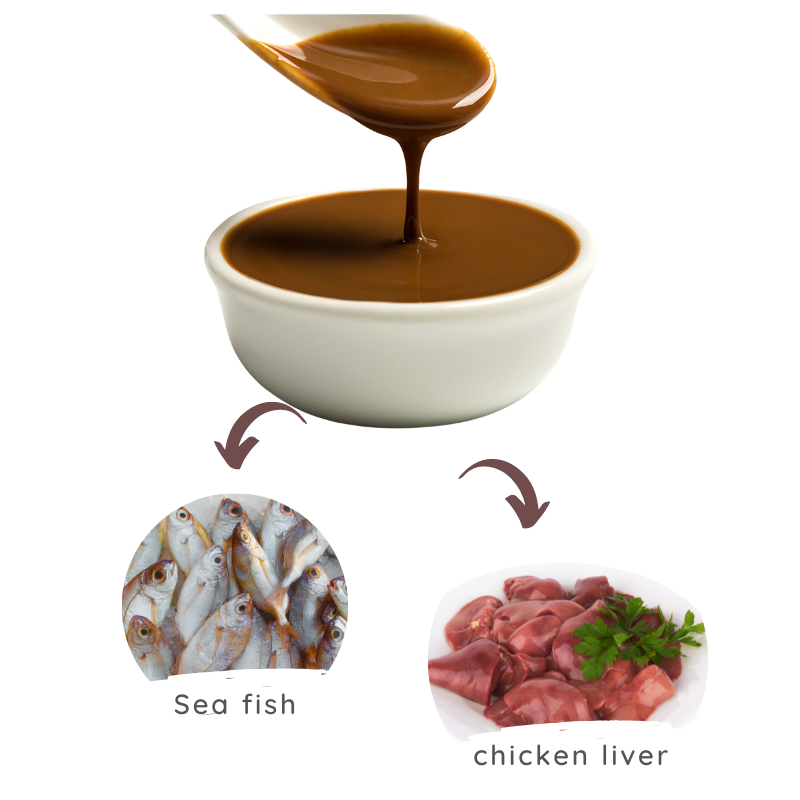
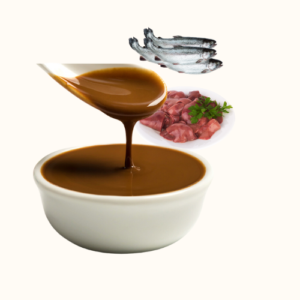
A cat food flavor enhancer is the core functional element of any attractant system. Its role is not to mask poor formulations, but to amplify natural feeding cues already present in the recipe.
Common formats used in pet food factories include:
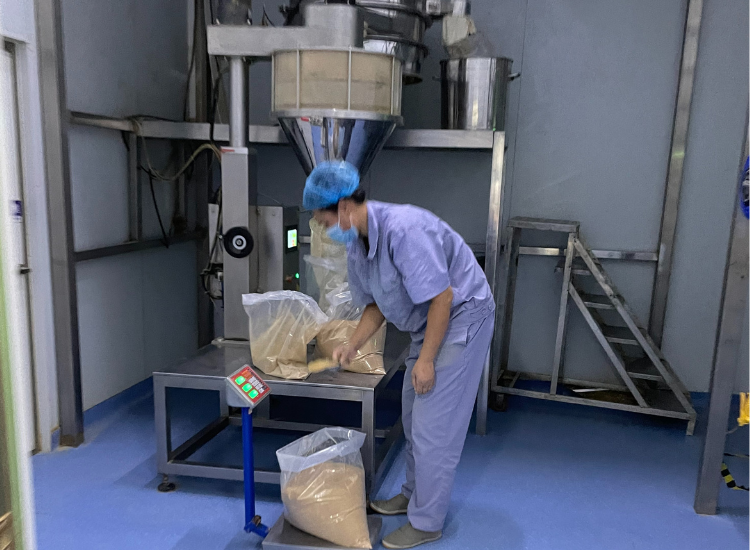
- Liquid palatants for post-extrusion coating
- Powder palatability enhancers for premix inclusion
- Fat-compatible aroma systems for oil spraying
These systems are widely applied in dry kibble, wet food, pâté, and functional cat treats.
Palatability Enhancer for Pet Food: Functional Value in Production
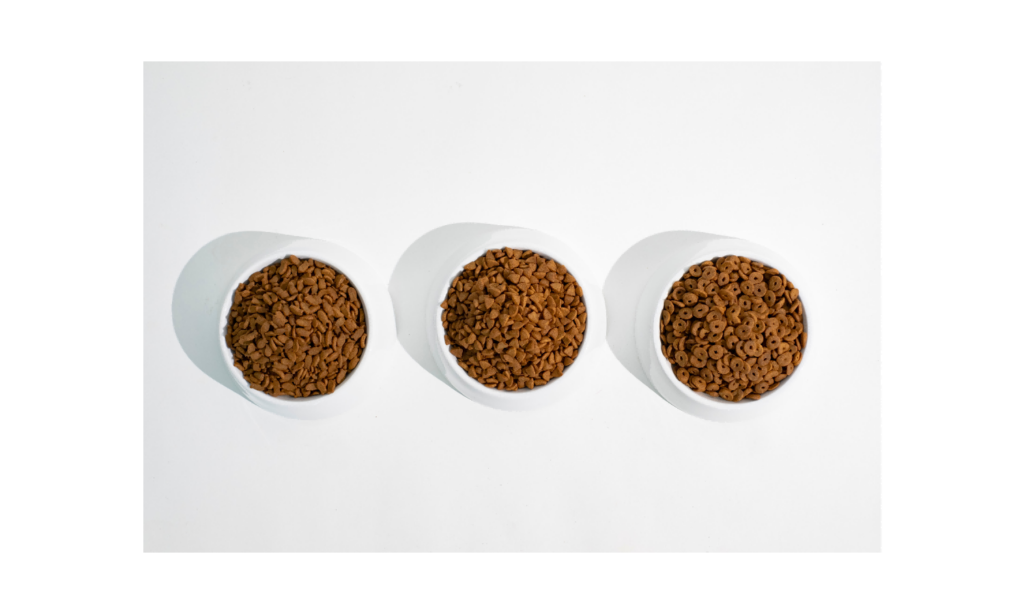
From a production perspective, a palatability enhancer for pet food provides both sensory and operational benefits.
In real manufacturing scenarios, palatability enhancers help:
- Maintain feed acceptance when protein sources change
- Offset reduced fat levels in weight-control formulas
- Improve intake consistency in functional or medicated diets
- Reduce batch-to-batch sensory variation
For export-oriented pet food factories, palatability stability is essential to meeting distributor and retailer expectations across different regions.
Pet Food Ingredients and Feed Additives: Position of Cat Food Attractants
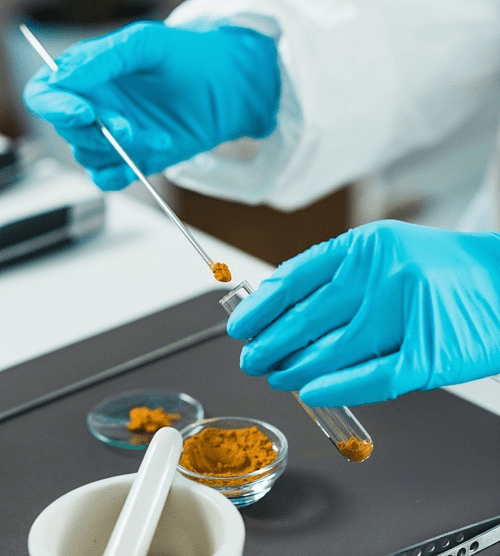
Within the broader category of pet food ingredients, cat food attractants are classified as functional feed additives.
Important formulation considerations include:
- Cat-specific amino acid and aroma profiles
- Higher sensitivity to oxidation and off-notes
- Regulatory compliance across different markets
While some feed additives for dogs can improve palatability, cat food requires species-specific attractant systems, not adapted solutions.
Application Scenarios in Pet Food Factories
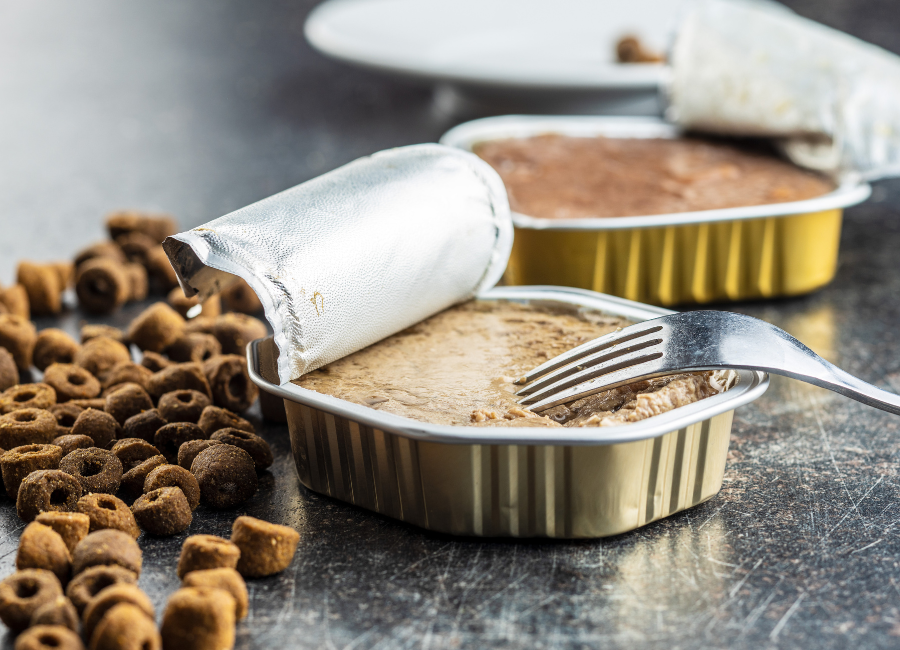
In commercial production, cat food attractants are applied in multiple scenarios:
- Dry cat food post-coating systems
- Wet food and gravy formulation
- Surface seasoning for cat snacks
A reliable palatability enhancer supplier provides more than ingredients. Technical support typically includes:
- Dosage recommendations
- Processing compatibility guidance
- Shelf-life and stability validation
This support is especially important for manufacturers operating multiple SKUs and private label projects.
Choosing a Reliable Cat Food Palatability Enhancer Supplier
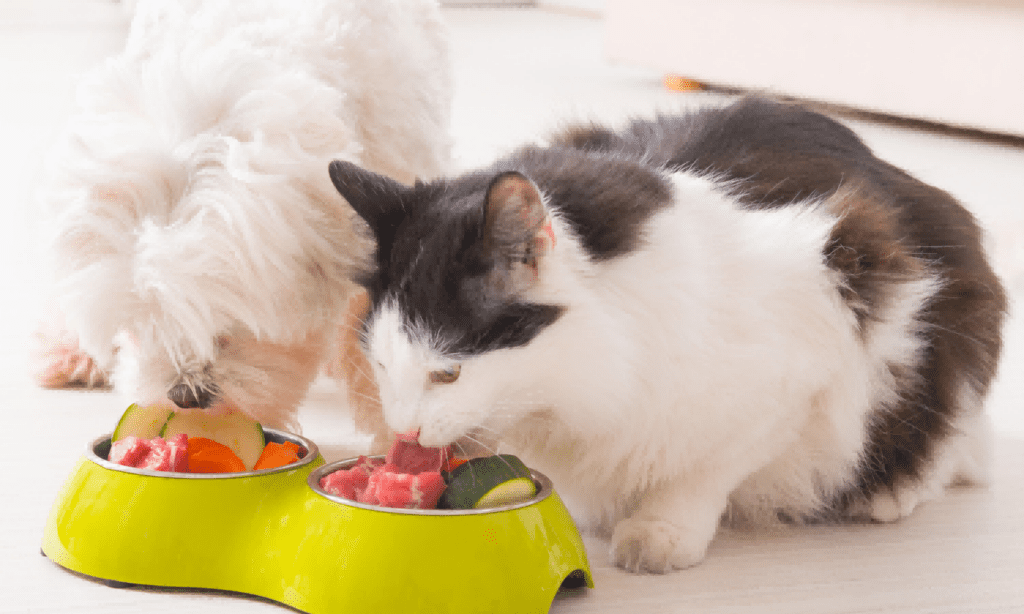
When selecting a cat food flavor enhancer palatability enhancer supplier, professional buyers focus on long-term reliability rather than short-term pricing.
Key evaluation factors include:
- Specialization in pet food palatants
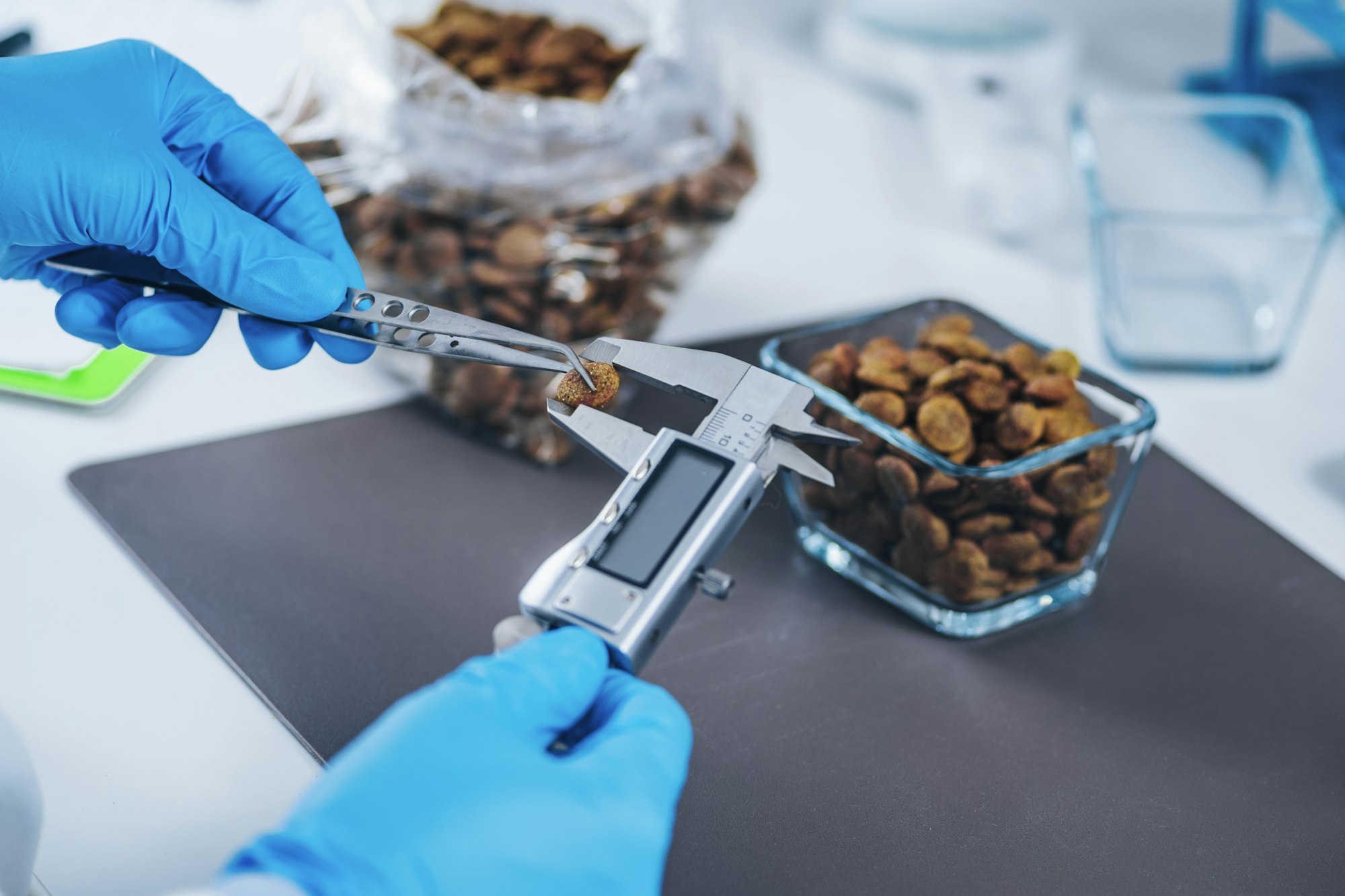
- In-house R&D and sensory evaluation capability
- Stable raw material sourcing
- Experience in international export markets
A qualified supplier acts as a technical partner, supporting formulation optimization and market adaptation.
Conclusion: Cat Food Attractant as a Strategic Ingredient
Cat food attractants are no longer optional additives. They are strategic ingredients that influence product success from factory to feeding bowl.
For pet food manufacturers and wholesalers, investing in a scientifically designed cat food attractant means:
- Higher feeding acceptance
- Lower product rejection risk
- Stronger brand consistency across markets
As global competition intensifies, palatability engineering becomes a decisive advantage.