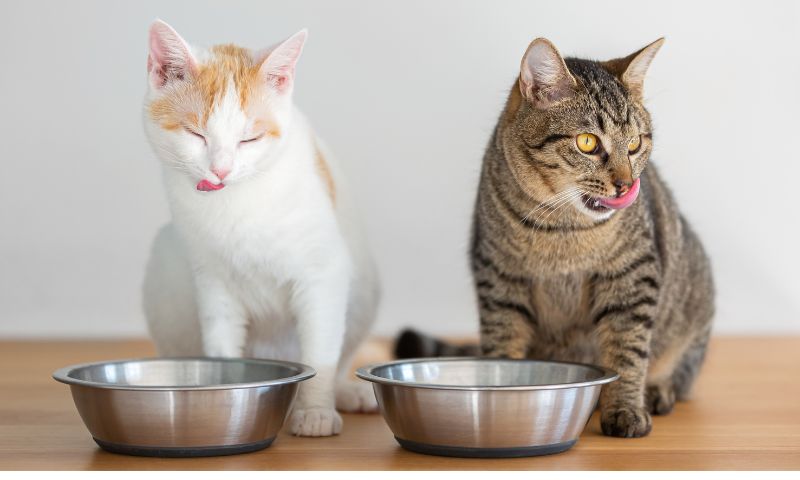
Cat Food Palatant Powder
Cat Food Palatant Powder: Why It Matters in Modern Pet Food Formulation
In the cat food industry, palatability is not a side issue. It is one of the most important factors behind repeat purchase, feeding consistency, and product success. No matter how advanced a formulation may be, if cats refuse to eat it, the product will struggle in the market.
That is why cat food palatant powder has become an essential tool for pet food manufacturers, pet food factories, and pet food palatant wholesalers. It helps improve aroma, taste appeal, and overall feed acceptance, making dry food, treats, and even functional products more attractive to cats.
For businesses developing cat food products, understanding cat food palatability, cat food flavor enhancer solutions, and the role of palatability enhancer for pet food is critical. A well-designed palatant system can improve product acceptance, support brand consistency, and help manufacturers respond to the increasingly competitive pet food market.
This article explains what cat food palatant powder is, how it works, why it matters, and what buyers should look for when choosing a cat food flavor enhancer palatability enhancer supplier.
What Is Cat Food Palatant Powder?
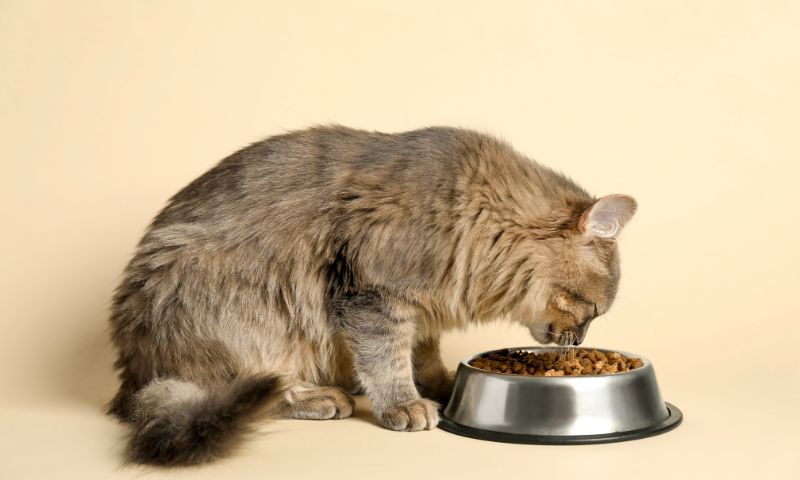
Cat food palatant powder is a functional feed additive designed to make cat food more appealing. It is typically applied to the surface of kibble, mixed into dry blends, or used in treats and specialty diets to enhance aroma, flavor, and eating response.
In simple terms, it is a cat food flavor enhancer developed specifically to match feline taste preferences.
Cats are famously selective eaters. Compared with dogs, they can be more sensitive to texture, smell, freshness, and flavor profile. This means that even nutritionally balanced products may underperform if their sensory appeal is weak. A carefully developed palatability enhancer for pet food helps bridge this gap by making food more desirable without changing the product’s core nutritional structure.
Cat food palatant powder is often used in:
- Dry cat kibble
- Cat treats
- Freeze-dried snacks
- Functional cat food
- Veterinary-support diets
- Wet food toppers
- Premium and economy cat food lines
For pet food brands and factories, palatants are not just about taste. They are about product performance.
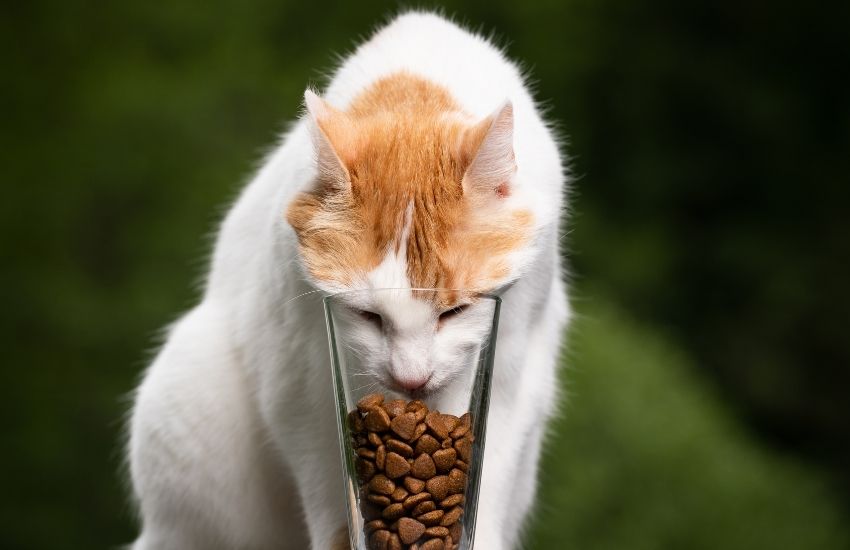
Why Cat Food Palatability Is So Important
Cat food palatability directly affects whether a product succeeds in real feeding situations. Cats often make eating decisions based on smell before taste. If the aroma is weak or unappealing, they may reject the food immediately. Even when they start eating, poor taste persistence can lead to low intake over time.
For manufacturers, this creates several business challenges:
1. Low Acceptance Reduces Repeat Sales
If cats do not like a product, retailers and distributors will see weak repeat orders. End users may switch brands quickly, especially in premium segments where expectations are high.
2. Product Positioning Becomes Harder
A brand may claim high protein, natural ingredients, or functional benefits, but palatability still determines whether consumers stay loyal.
3. Formula Changes Can Affect Eating Behavior
When brands reduce salt, change fat systems, use alternative proteins, or add functional ingredients, palatability may decline. A cat food flavor enhancer helps maintain acceptance when formulations evolve.
4. Special Diets Need Extra Support
Weight control diets, hairball formulas, urinary-support recipes, and digestive care products may not naturally deliver strong taste appeal. Palatants help these products remain attractive.
In short, palatability pet food performance is closely tied to commercial success. Better feeding response means better customer satisfaction, lower rejection rates, and stronger market competitiveness.
How Cat Food Palatant Powder Works
A good cat food palatant powder works on multiple sensory levels.
Aroma Attraction
Cats respond strongly to aroma. Meat-based notes, savory profiles, and species-appropriate flavor cues can encourage first interest and first bite. This is particularly important for dry food products.
Taste Enhancement
After the first bite, palatants improve flavor persistence and mouth appeal. This helps support continued eating rather than simple trial.
Surface Coating Performance
In many dry pet food applications, palatant powder is used as part of a surface coating system. When combined with fats or digest liquids, it can create a stronger, more consistent sensory layer on kibble.
Formula Balance Support
Some raw materials or functional additives can reduce attractiveness. A palatability enhancer for pet food helps balance these negative sensory effects and preserve product acceptance.
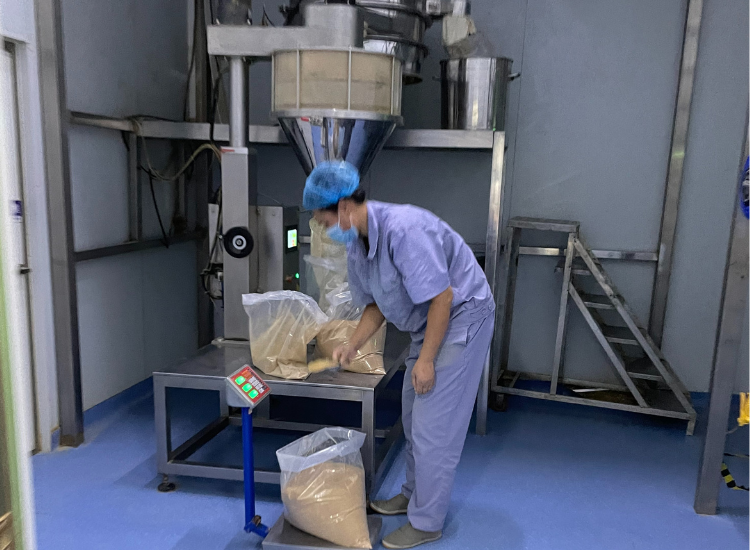
For pet food factories, the goal is not simply to make food smell stronger. The real goal is to create a controlled, stable, repeatable feeding experience that aligns with the brand’s positioning.
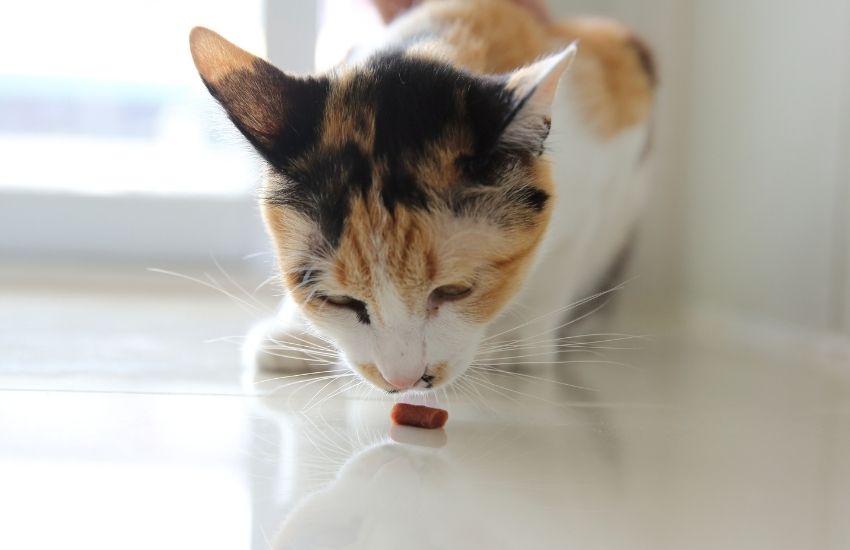
Key Benefits of Using Cat Food Flavor Enhancer Solutions
Using the right cat food flavor enhancer offers several practical advantages for pet food manufacturers and wholesalers.
Improved Feed Acceptance
This is the primary benefit. Better acceptance helps brands reduce pickiness issues and improve consumer satisfaction.
Greater Formula Flexibility
A reliable palatant system allows manufacturers to work with new proteins, functional ingredients, cost-optimized recipes, or regional flavor profiles without losing palatability.
Better Product Differentiation
In crowded markets, sensory performance can separate one product from another. Even similar ingredient panels can perform very differently depending on palatability design.
Support for Premium and Functional Products
Premium cat food buyers expect strong feeding performance. Functional lines also require a balance between health benefits and taste appeal. Palatants help support both goals.
Consistency Across Production Batches
A professional cat food flavor enhancer palatability enhancer supplier can help ensure stable quality, aroma retention, and application performance, which is especially valuable for OEM and private label projects.
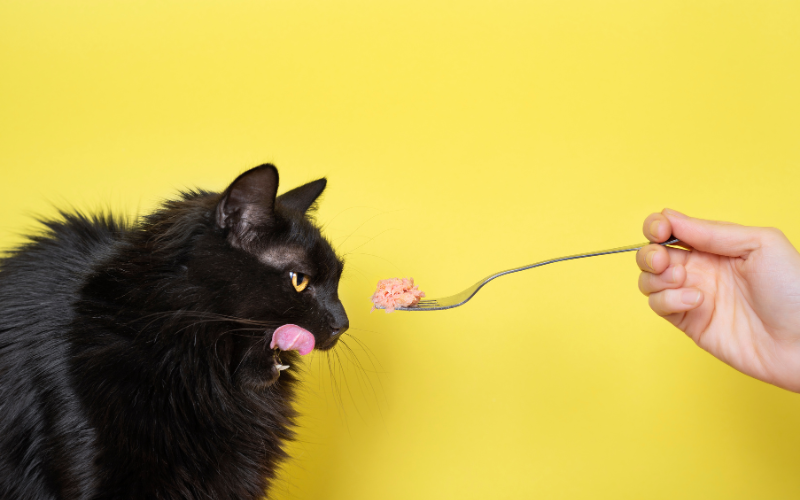
Common Applications in Pet Food Manufacturing
Cat food palatant powder is widely used across the pet food industry. While its main focus is feline diets, some related pet food ingredients and feed additives for dogs are developed under similar palatability principles.
Dry Cat Food
This is the most common application. Powder palatants can be coated onto kibble to improve aroma and taste response.
Cat Treats
Treat products rely heavily on immediate acceptance. Palatants help create stronger craving and more positive feeding interaction.
Freeze-Dried and Baked Products
These formats often need additional sensory enhancement to maintain strong appeal after processing.
Functional and Specialized Diets
Hairball control, skin and coat, urinary care, digestive health, and indoor cat formulas often benefit from palatability support.
Multi-Species Product Development
Some manufacturers operate both cat and dog lines. While feed additives for dogs differ from feline-specific systems, suppliers with broader pet food palatability experience can often support both categories efficiently.
What Ingredients Are Common in Cat Food Palatant Powder?
The exact composition depends on the application and target market, but cat food palatant powder often includes carefully selected animal-based or savory materials that align with feline preferences.
Typical components may include:
- Hydrolyzed animal proteins
- Meat or liver powders
- Yeast extracts
- Umami-rich flavor compounds
- Natural flavor carriers
- Functional coating bases
- Process-support ingredients for even application
From a formulation perspective, the best results come from balancing flavor impact, processing stability, and compatibility with the finished product.
A strong supplier should be able to explain how its pet food ingredients perform during coating, mixing, storage, and transport. This matters because palatability is not only created in the lab. It must survive real factory conditions.
How to Choose a Cat Food Palatability Enhancer Supplier
For buyers in pet food manufacturing, choosing the right cat food flavor enhancer palatability enhancer supplier is a strategic decision. Price matters, but technical support, consistency, and application knowledge matter just as much.
Here are the main factors to evaluate.
Species-Specific Expertise
Cats and dogs do not respond to flavor in the same way. A supplier should understand feline sensory behavior and design products specifically for cats, not simply adapt dog palatants.
Stable Quality Control
Consistency is critical in commercial production. A good supplier should offer dependable raw material management, batch stability, and clear quality standards.
Application Support
A professional supplier should help with:
- Inclusion recommendations
- Surface coating methods
- Compatibility with fats and digest systems
- Performance in extrusion or post-coating
- Formula adjustment suggestions
Custom Development Capability
Many pet food brands need custom flavor direction, not standard off-the-shelf solutions. This is especially important for OEM, ODM, and private label projects.
Compliance and Testing Awareness
A qualified supplier should understand export requirements, safety expectations, and routine quality testing standards relevant to the pet food industry.
Scalability
If a product performs well, can the supplier support higher volume orders consistently? This is essential for growing brands and large factories.
Why Pet Food Manufacturers Need More Than Just Flavor
Many buyers initially search for a cat food flavor enhancer, but what they often really need is a complete palatability solution.
That means looking beyond flavor strength alone and focusing on:
- Feeding behavior
- Formula compatibility
- Process performance
- Target market preferences
- Cost-in-use efficiency
- Product stability
- Long-term supply reliability
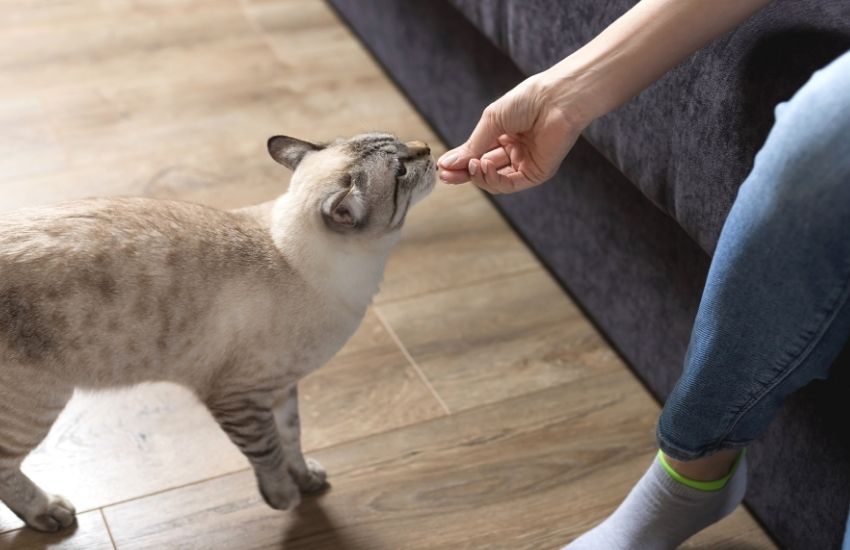
For example, a strong aroma may create initial interest, but if the taste does not hold up, repeat feeding may still suffer. Likewise, a very aggressive coating may improve appeal but create dusting or handling issues in the plant. The best palatability enhancer for pet food is one that performs well both technically and commercially.
Cat Food Palatant Powder in OEM and Private Label Projects
For OEM and private label customers, palatability is often one of the fastest ways to improve product competitiveness.
When multiple brands use similar protein sources or packaging concepts, sensory performance can become a major point of difference. A well-selected cat food palatant powder can help private label buyers create products that feel more premium, more consistent, and more market-ready.
OEM and ODM customers often need:
- Customized flavor profiles
- Cost-tier options for different markets
- Sample support for testing
- Fast adjustment during product development
- Technical guidance for scale-up
That is why working with an experienced cat food flavor enhancer palatability enhancer supplier is valuable. It helps shorten development cycles and improve launch confidence.
The Link Between Palatability and Market Success
In the pet food business, palatability affects more than the feeding bowl. It impacts nearly every stage of the value chain.
For brands, it influences product reputation.
For distributors, it affects reorder speed.
For retailers, it supports customer satisfaction.
For factories, it improves formulation confidence.
For wholesalers, it strengthens product competitiveness.
This is especially true in cat food, where feeding acceptance can be a deciding factor between success and failure.
As consumer expectations continue to rise, pet food manufacturers need products that combine nutrition, safety, and strong sensory performance. Cat food palatant powder plays a key role in achieving that balance.

Why Work With a Professional Pet Food Palatant Supplier
A professional pet food palatant supplier brings more than ingredients. They bring formulation knowledge, manufacturing understanding, and a practical view of what works in the market.
The right partner can help with:
- Product development support
- Palatability optimization
- Custom flavor design
- OEM and ODM cooperation
- Stable wholesale supply
- Quality-focused production support
For businesses sourcing palatability pet food solutions, this kind of partnership can improve both technical outcomes and business efficiency.
Final Thoughts
Cat food palatant powder is an essential tool in modern pet food development. It helps improve cat food palatability, supports stronger feeding response, and gives manufacturers greater flexibility when building competitive products.
Whether you are producing dry kibble, cat treats, functional diets, or private label lines, the right cat food flavor enhancer can make a measurable difference in how your product performs.
For pet food manufacturers, factories, and wholesalers, choosing the right palatability enhancer for pet food is not just about adding taste. It is about building products cats accept, owners trust, and markets reward.
If your business is looking for a reliable cat food flavor enhancer palatability enhancer supplier, Profypet can support your product development with tailored palatability solutions designed for practical manufacturing needs and long-term B2B cooperation.
To learn more about customized pet food palatant solutions, visit profypet.com.
FAQ
What is cat food palatant powder?
Cat food palatant powder is a feed additive used to improve the aroma and taste appeal of cat food, making it more attractive to cats and supporting better feed acceptance.
Why is cat food palatability important?
Cat food palatability affects whether cats will eat a product consistently. Strong palatability helps improve feeding performance, customer satisfaction, and repeat sales.
Is a cat food flavor enhancer the same as a palatability enhancer?
In many applications, yes. A cat food flavor enhancer is often used as a palatability enhancer for pet food to improve sensory appeal and eating response.
Can palatants be used in both cat and dog food?
Yes, but feline and canine palatants are not identical. Cats have different sensory preferences, so species-specific solutions are important. Some suppliers also offer related feed additives for dogs.
What should manufacturers look for in a palatant supplier?
Manufacturers should look for stable quality, technical support, species-specific expertise, customization capability, and experience serving pet food factories and wholesalers.