Elevating Pet Food Palatability with Advanced Hydrolysis & Maillard Technology
In the premium pet nutrition market, palatability is not a luxury — it’s a performance indicator. As pet parents shift toward protein-rich, human-grade, functional nutrition, manufacturers must guarantee that products smell irresistible, taste authentic, and encourage repeat feeding.
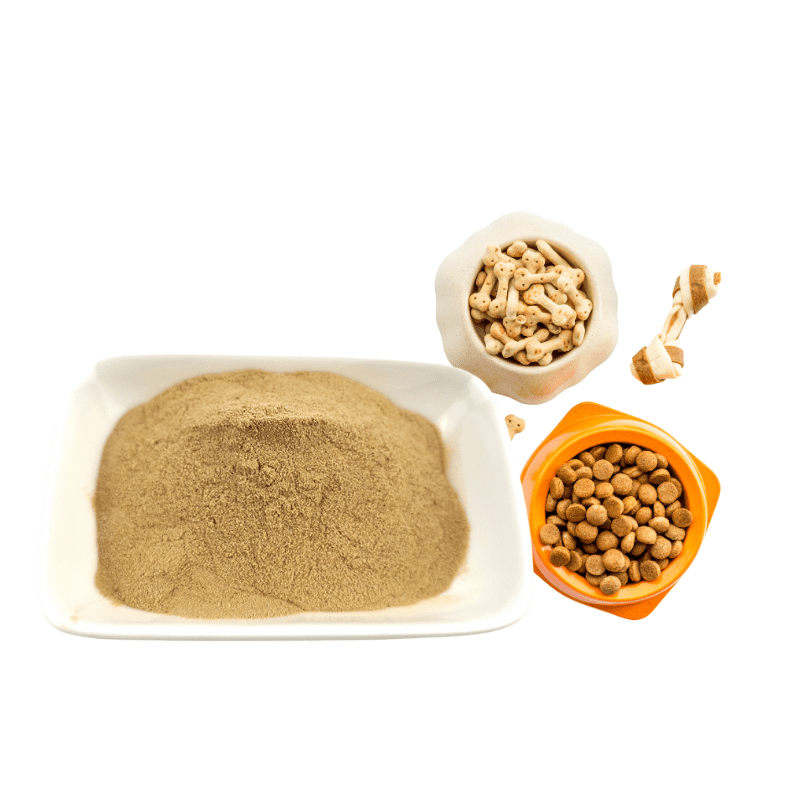
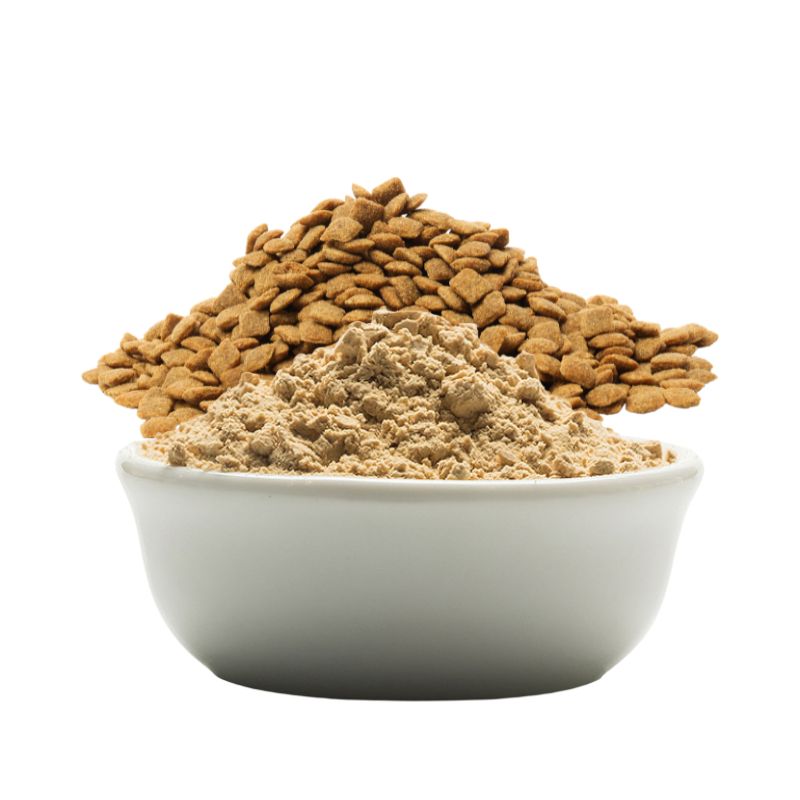
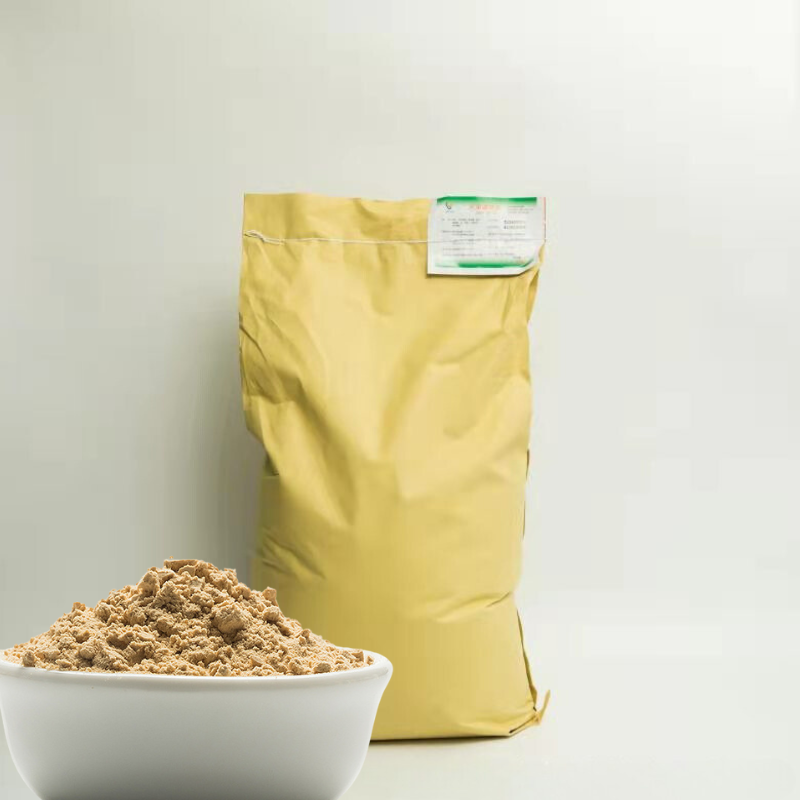
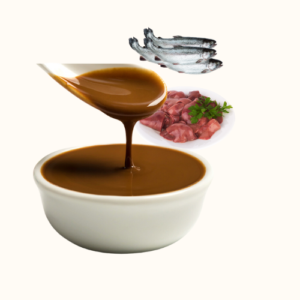
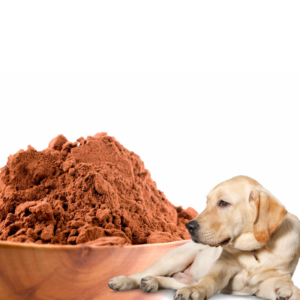
This is where chicken-based pet palatants play a critical role. Engineered through enzymatic hydrolysis and Maillard reaction technology, these palatants deliver powerful meaty aromas and flavor complexity tailored to canine and feline preferences.
Designed for pet food manufacturers, OEM/ODM partners, ingredient buyers, and private-label brands looking to build high-performance formulas.
🧠 What Makes a High-Performance Pet Palatant?
Modern palatants are non-nutritive functional additives formulated to:
Increase feed intake
Improve aroma, taste, and mouthfeel
Enhance feeding consistency in picky pets
Support product value perception and brand loyalty
Primary Ingredients Used
Ingredient
Role
Chicken liver, intestine, meat
Protein substrates for enzymatic hydrolysis
Protease & flavor enzymes
Release peptides & free amino acids
Sugars (glucose, xylose)
Maillard reaction substrates
Amino acids incl. cysteine
Roasted meat precursor molecules
Yeast extract
Umami & nucleotide boosters
VB1
Heat-reactive flavor catalyst
Chicken-derived proteins remain the gold standard for pet palatant production due to their amino acid diversity and natural meaty flavor.
⚙️ Production Technology Breakdown
1️⃣ Hydrolysis Phase
Chicken protein slurry prepared, pH ~6.5
Enzymatic digestion for 2 hours
Creates short peptides + free amino acids → fast aroma development
2️⃣ Maillard Reaction Phase
Addition of sugars, amino acids, yeast extract
Heated at 95°C
Generates roasted, meaty, fatty aroma compounds
3️⃣ Output
Three palatants were tested:
Palatant
Protein Source
A
Chicken liver
B
Chicken intestine
C
Chicken meat
🔍 Analytical Testing & Findings
✅ Peptide Distribution
All palatants had >90% peptides <1000 Da, ideal range for:
Rapid aroma development
Strong flavor binding to kibble
Improved digestibility
Strongest peptide activity: Palatant B (chicken intestine)
✅ Amino Acid Profile
Key Feature
Winner
Palatability Effect
Highest free amino acids
Palatant A
Cleaner umami & sweetness
Highest sulfur amino acids
Palatant B
Rich roasted meat aroma
Balanced bitterness
Palatant C
Boosts savory profile if controlled
Sulfur-based amino acids (esp. cysteine) are critical for roasted, broth-like aroma formation.