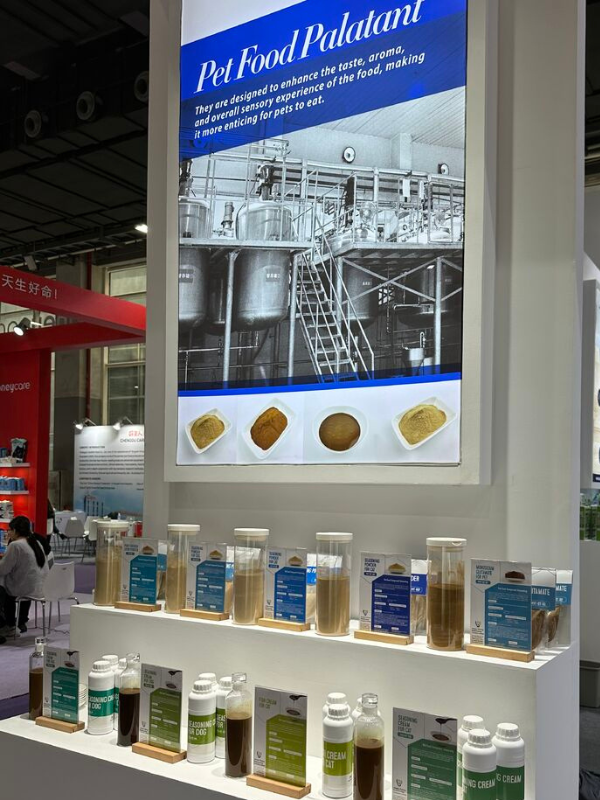
Chicken Liver Flavor Liquid Palatant
In today’s competitive pet food market, palatability is no longer a secondary consideration. For pet food manufacturers, wholesalers, and factories, product success depends not only on nutrition and safety, but also on whether pets willingly eat the food again and again. This is where chicken liver flavor liquid palatant becomes an important tool in formulation strategy.
A well-designed liquid palatant can help improve aroma, taste appeal, coating performance, and feeding acceptance across dry food, wet food, treats, and specialty diets. For cat food in particular, palatability plays a central role because cats are famously selective eaters. When a product fails in taste acceptance, even the most balanced nutritional formula may struggle in the market.
For businesses sourcing from a pet food palatability enhancer supplier, understanding how chicken liver flavor liquid palatant works can help improve product development, production efficiency, and final customer satisfaction.
What Is Chicken Liver Flavor Liquid Palatant
Chicken liver flavor liquid palatant is a functional feed additive developed to improve the sensory appeal of pet food. It is commonly used as a surface-applied or formula-integrated palatability enhancer for pet food, especially in cat food, dog food, and pet treats.
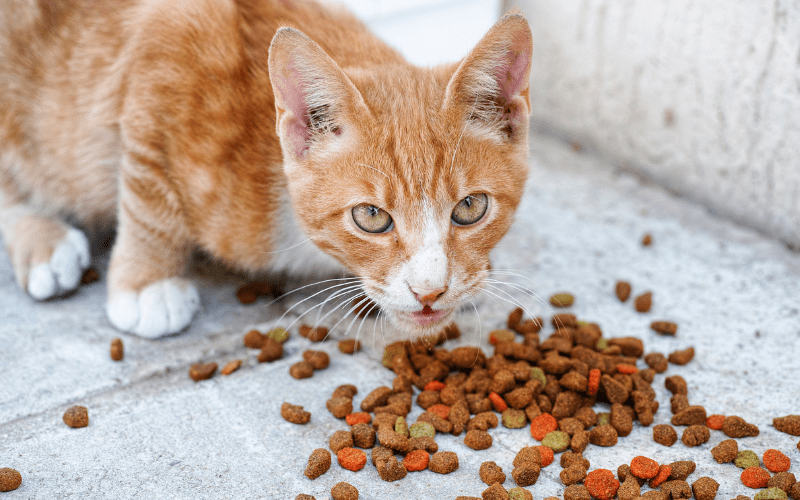
This type of palatant is designed to deliver:
- Rich meaty aroma
- Strong animal-protein taste cues
- Better mouthfeel and flavor release
- Improved feed acceptance
- Greater repeat consumption
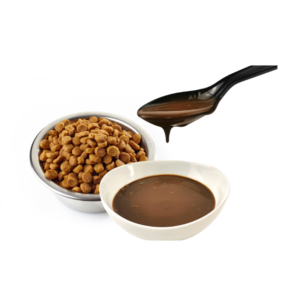
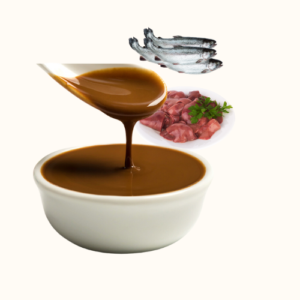
Because liver is naturally associated with a strong savory note, chicken liver flavor is widely used in pet food ingredients and feed additives for dogs and cats. In liquid form, it is especially practical for coating kibble, blending into semi-moist treats, or enhancing wet food and toppers.
Why Cat Food Palatability Matters
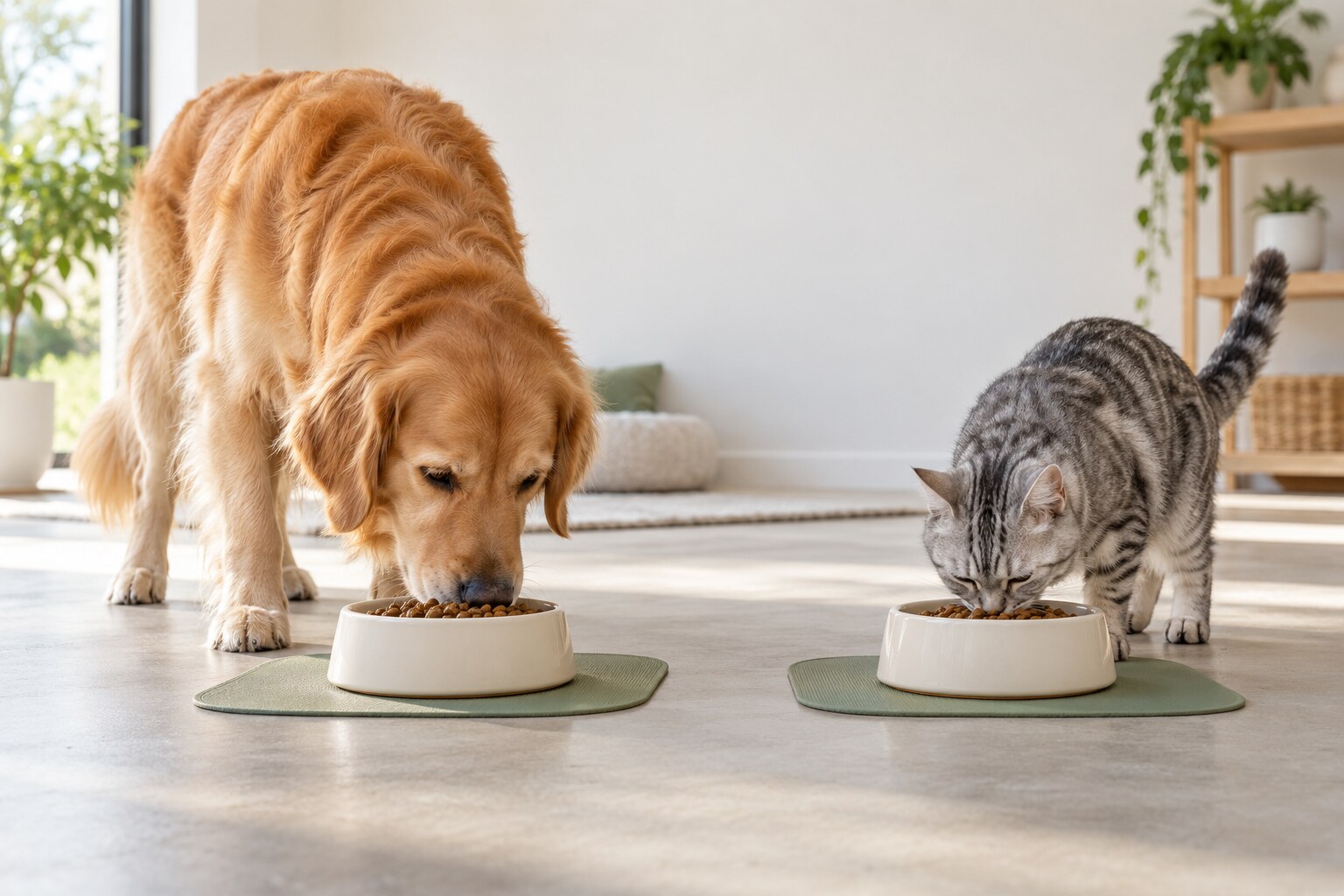
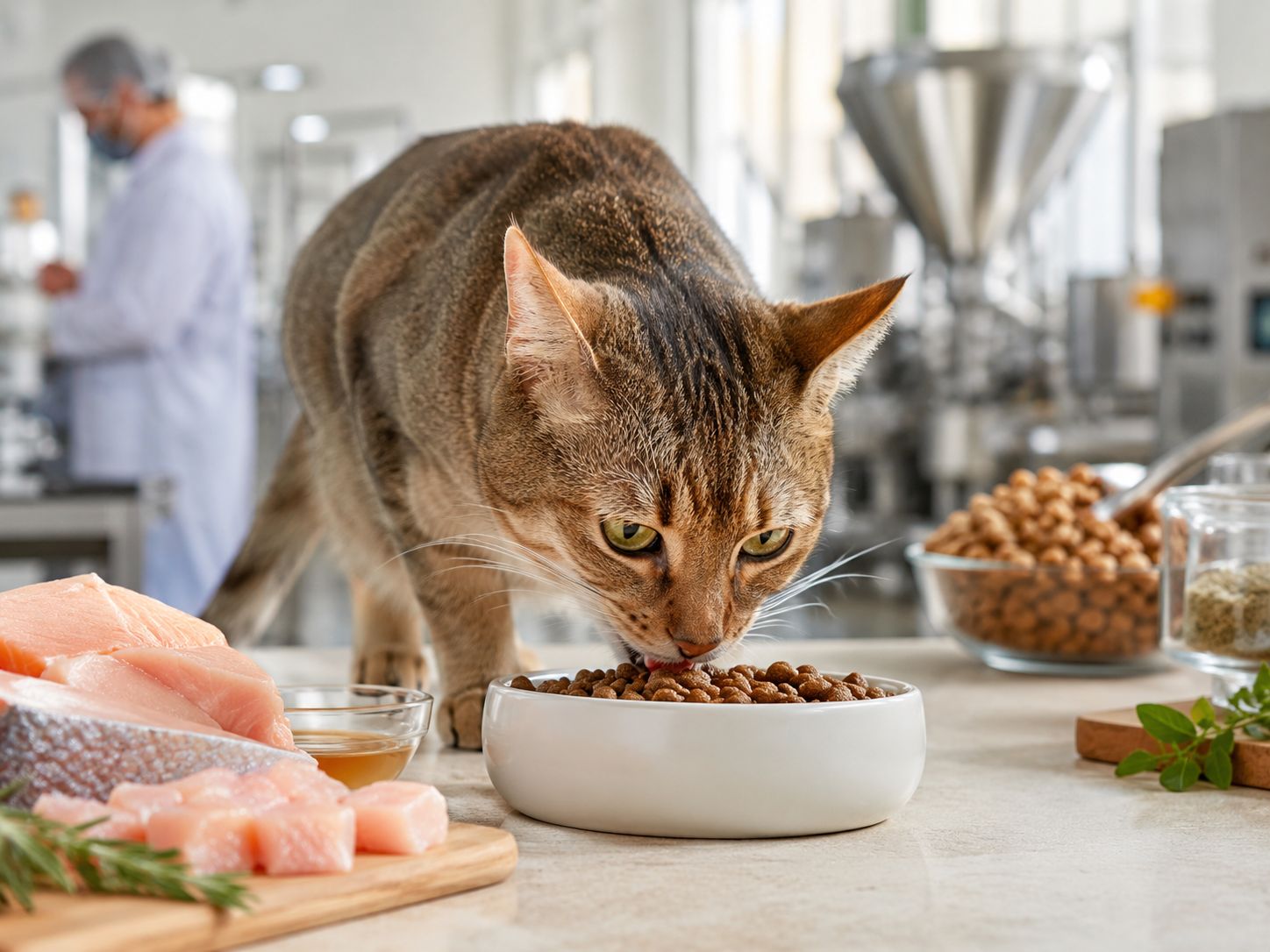
Cat food palatability is one of the most important factors in feline product development. Cats are highly sensitive to smell, texture, and flavor profile. Compared with dogs, they are often less tolerant of sudden formula changes and more likely to reject food that lacks a desirable aroma.
For this reason, cat food flavor enhancer systems are frequently used to help manufacturers create formulas that are both nutritious and attractive. A strong palatability strategy can support:
- Better acceptance of new product launches
- Easier transition between formulas
- Improved intake in picky cats
- Stronger performance in premium and therapeutic diets
- Higher owner satisfaction and repeat purchase
In B2B manufacturing, palatability is not just about taste. It affects product reputation, retailer confidence, and long-term market competitiveness.

Why Chicken Liver Flavor Works So Well
Among the many flavor options available in palatability pet food applications, chicken liver stands out for several reasons.
Strong Natural Appeal
Chicken liver has a rich, recognizable aroma that appeals to both cats and dogs. It delivers the kind of umami-style sensory signal that pets often associate with animal protein.
Versatile Across Product Types
A chicken liver flavor liquid palatant can be used in:
- Dry kibble
- Freeze-dried food
- Soft chews
- Semi-moist snacks
- Cat treats
- Wet pet food
- Nutritional supplements
- Functional pet food formulas
This versatility makes it a preferred option for pet food manufacturers managing multiple product lines.
Better Coating Performance
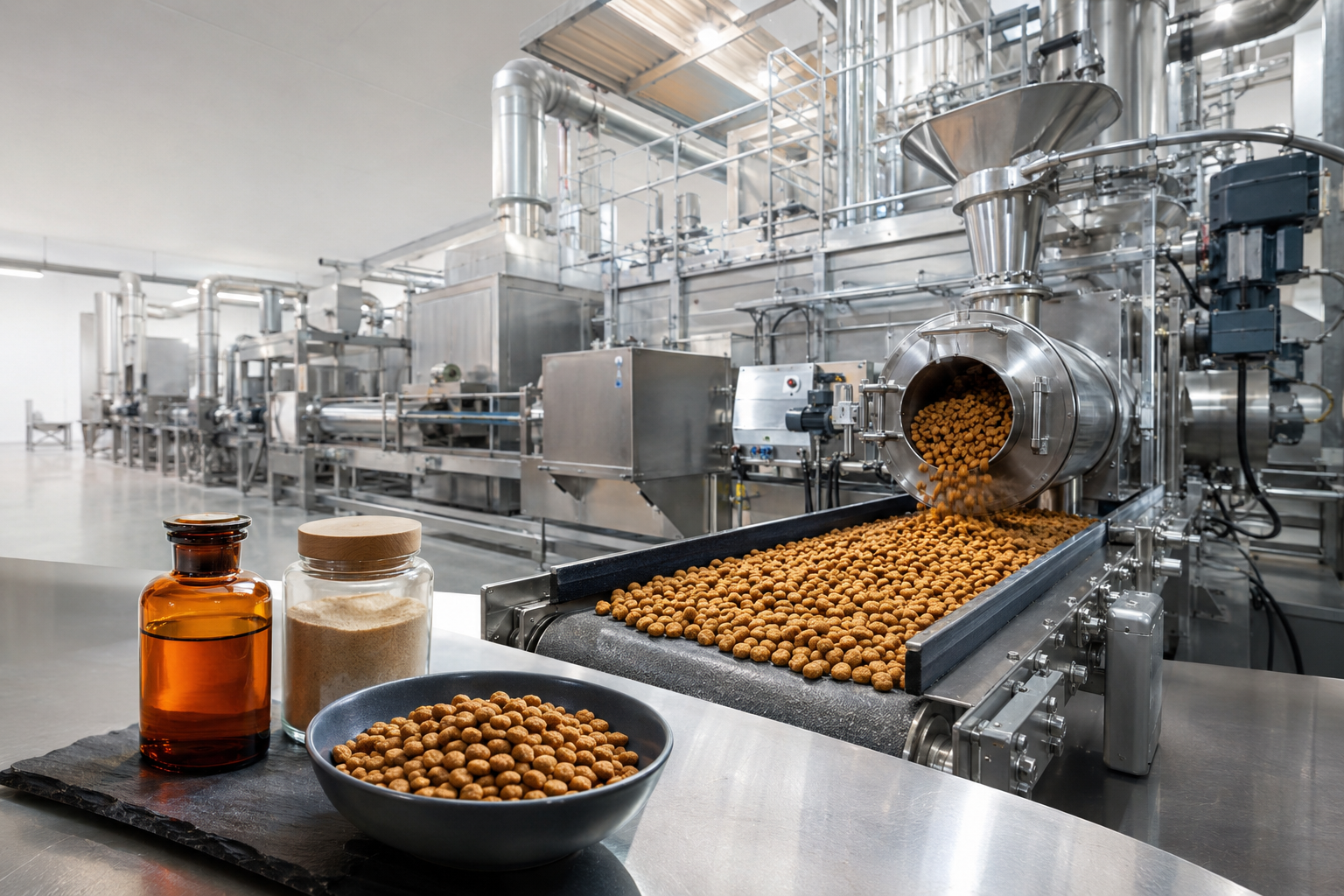
Liquid palatants are especially suitable for post-extrusion coating on kibble and treats. They can improve evenness of application and reduce dusting compared with some dry powders.
Helps Mask Undesired Notes
In some formulations, functional ingredients, vitamins, minerals, or plant-based inclusions can create off-notes. Chicken liver flavor can help balance or mask these odors, resulting in a more attractive final product.
Liquid Palatant vs Powder Palatant
Both liquid and powder palatants are used in pet food flavor enhancer applications, but liquid formats offer several advantages in specific manufacturing environments.
Advantages of Liquid Palatants
Better adhesion
Liquid palatants can bond more effectively to kibble surfaces when applied with fats or coating systems.
More consistent flavor delivery
A properly formulated liquid system can provide uniform coverage, which helps maintain stable product performance.
Enhanced aroma release
Liquids often deliver immediate smell impact, which is especially valuable in cat food flavor enhancer applications.
Flexible process integration
They can be used in spraying, tumbling, blending, or direct formula inclusion depending on the product.
When Manufacturers Prefer Powder
Powder palatants may still be preferred for certain dry blend applications, premixes, or when specific process limitations exist. However, for many factories producing premium pet food and treats, liquid palatants provide a stronger sensory effect and more modern processing flexibility.

Applications in Cat Food Flavor Enhancer Formulation
For cat food products, chicken liver flavor liquid palatant can be a valuable part of the overall palatability system. It is commonly applied in the following areas.
Dry Cat Food
Extruded kibble often benefits from a surface coating that enhances smell and first-bite acceptance. Liquid palatants help improve surface flavor intensity, especially when combined with oils or digest systems.
Wet Cat Food
Although wet food already has high moisture and aroma, flavor refinement is still important. Chicken liver flavor can deepen meaty notes and support a more premium sensory profile.
Cat Treats
Treat acceptance depends heavily on smell and immediate desirability. Chicken liver is a highly marketable and functional flavor direction in creamy treats, soft bites, and lickable snacks.
Specialty and Functional Diets
Products designed for hairball support, urinary care, digestion, or sensitive stomach formulas often contain functional inclusions that may reduce taste appeal. A liquid palatant can help restore feeding enthusiasm.
Applications in Feed Additives for Dogs
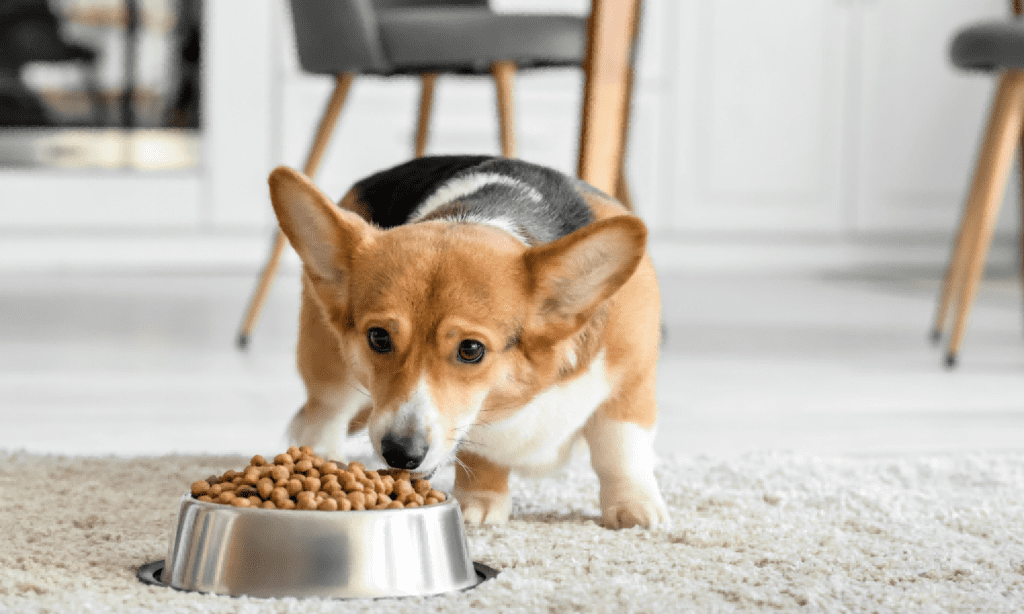
Although the keyword focus often leans toward cat food flavor enhancer, feed additives for dogs also benefit significantly from chicken liver flavor liquid palatant.
Dogs respond strongly to meaty aromas and savory flavor cues, especially in:
- Training treats
- Dental chews
- Soft chews with supplements
- Dry dog food
- High-protein formulas
- Senior dog diets
- Weight management products
For dog-focused product lines, a chicken liver liquid palatant can improve voluntary intake and support better acceptance of functional ingredients such as glucosamine, probiotics, fish oil, or herbal inclusions.
How Palatability Enhancer for Pet Food Supports Product Success
A palatability enhancer for pet food is not just a flavoring. It is a performance ingredient that contributes to commercial success in several ways.
1. Improves Feeding Trials
Products with better aroma and taste acceptance tend to perform more strongly during internal trials, customer testing, and product validation.
2. Supports Premium Positioning
When the sensory experience matches the nutritional promise, brands can more confidently position products as premium or high value.
3. Reduces Formula Rejection Risk
New formulas, reformulations, and cost-optimized recipes all carry acceptance risk. A good palatant system helps reduce that risk.
4. Enhances Brand Reputation
Pet owners quickly judge products by whether their pets eat them willingly. Better palatability leads to stronger reviews and repeat orders.
5. Creates More Flexible Formulation Space
With the right flavor enhancer, formulators may have more room to work with functional ingredients that otherwise reduce product appeal.
Key Qualities to Look for in a Palatability Enhancer Supplier
Choosing the right palatability enhancer supplier is critical for pet food factories and wholesalers. Not all suppliers offer the same level of technical support, quality control, or formulation consistency.
Here are the qualities that matter most.
Stable Raw Material Standards
A professional supplier should maintain strict control over sourcing, traceability, and ingredient consistency. This is especially important for animal-protein-based flavor systems.
Technical Formulation Support
A strong supplier should do more than sell ingredients. They should help with product matching, application advice, dosage recommendations, and palatability improvement strategies.
Custom Development Capability
For OEM and private label projects, customization matters. Different customers may want different flavor intensity, process compatibility, or product positioning.
Manufacturing Compatibility
The supplier should understand real factory conditions, including extrusion, drying, coating, moisture control, and packaging requirements.
Quality and Compliance Awareness
For global B2B trade, manufacturers need suppliers that understand export requirements, documentation standards, and testing expectations.
How Pet Food Manufacturers Use Chicken Liver Liquid Palatant Strategically
Modern pet food manufacturers do not use palatants randomly. They use them strategically to achieve formulation and market goals.
Launching New Products
When launching new cat food or dog treats, palatants help ensure strong first impressions in feeding tests and early customer feedback.
Upgrading Existing Recipes
If a current product has stable nutrition but weak acceptance, adding or optimizing a liquid palatant may improve performance without a full formula rebuild.
Supporting Cost-Optimized Formulas
In some cases, manufacturers need to manage ingredient costs while maintaining sensory quality. A well-designed chicken liver flavor enhancer can help preserve taste appeal.
Differentiating Premium Lines
For premium treats and specialty diets, a richer and more natural animal-protein aroma can create stronger product identity.
The Role of Pet Food Ingredients in Palatability Design
Palatability does not depend on one ingredient alone. It comes from the interaction between core pet food ingredients, process conditions, and flavor systems.
Chicken liver flavor liquid palatant works best when integrated thoughtfully with:
- Protein sources
- Fat systems
- Texture design
- Moisture control
- Processing temperature
- Coating sequence
- Packaging protection
This is why experienced pet food factories often work closely with ingredient partners to build a complete sensory solution rather than relying on flavor alone.
Why B2B Buyers Are Paying More Attention to Palatability
In the past, many buyers focused mainly on protein, price, and packaging. Today, palatability has become a stronger B2B decision factor.
Wholesalers, brand owners, and private label buyers increasingly want products that offer:
- Strong pet acceptance
- Premium meaty aroma
- Better market differentiation
- More reliable repeat purchase behavior
- Flexible flavor customization
For this reason, demand for advanced cat food flavor enhancer systems and liquid palatability solutions continues to grow across the pet food supply chain.
What a Reliable Supplier Relationship Should Deliver
A good palatability enhancer supplier should help customers solve practical business problems, not just provide a standard item list.
The right partnership should deliver:
- Consistent product quality
- Clear technical communication
- Flexible sample support
- Fast response for OEM and ODM needs
- Application guidance for different product types
- Long-term support for formula improvement
For pet food manufacturers and wholesalers, these factors can directly influence product speed-to-market and long-term customer retention.
Final Thoughts
Chicken liver flavor liquid palatant is a highly practical and commercially valuable solution for improving pet food palatability. It supports better aroma, stronger taste appeal, improved acceptance, and greater flexibility in both cat and dog food applications.
For cat food palatability in particular, liquid chicken liver flavor systems can make a real difference. They help picky cats accept food more readily, support functional formulations, and strengthen overall product competitiveness. For dog products, they also offer strong sensory benefits across treats, chews, and complete diets.
As the pet industry continues to demand better performance from pet food ingredients, the role of pet food flavor enhancer technologies will only become more important. For businesses looking for a trusted palatability enhancer supplier, choosing a partner with technical expertise, quality consistency, and customization capability is essential.
At ProfyPet, the focus is on helping pet food manufacturers, wholesalers, and factories develop palatability solutions that support both product performance and business growth. In a market where pets decide what succeeds, better flavor is not optional. It is part of better product strategy.