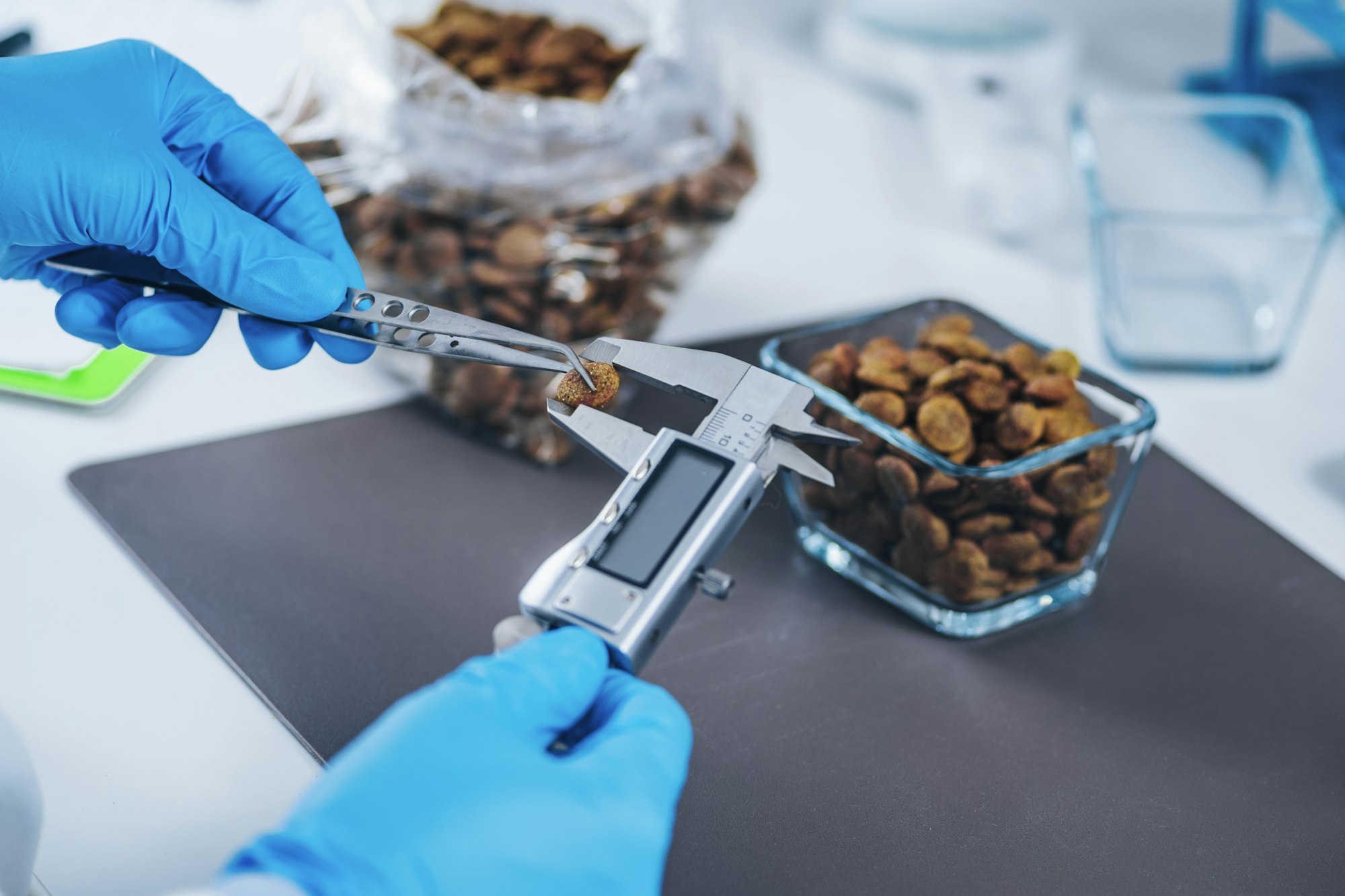
Chicken liver hydrolysate for coating dog kibble
A High-Impact Palatability Solution for Modern Pet Food Manufacturing
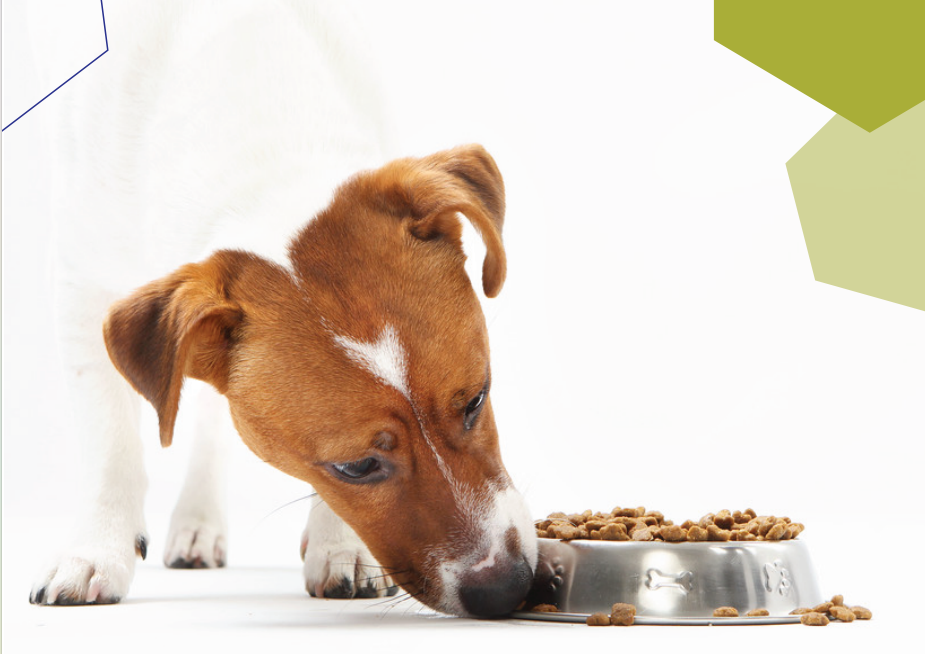
In today’s competitive pet food market, palatability directly determines product success. No matter how advanced the nutritional formulation is, dogs—and especially cats in multi-species product lines—will reject food that lacks attractive aroma and taste. This is why chicken liver hydrolysate has become one of the most widely used palatability enhancers for pet food, particularly in dog kibble coating systems.
For pet food manufacturers, factories, and pet food palatant wholesalers, chicken liver hydrolysate offers a proven, scalable, and cost-effective way to increase feed intake while maintaining formulation flexibility and production efficiency.
This article explains how chicken liver hydrolysate works in kibble coating, how it supports both dog and cat food palatability, and what to look for in a professional palatability enhancer supplier.
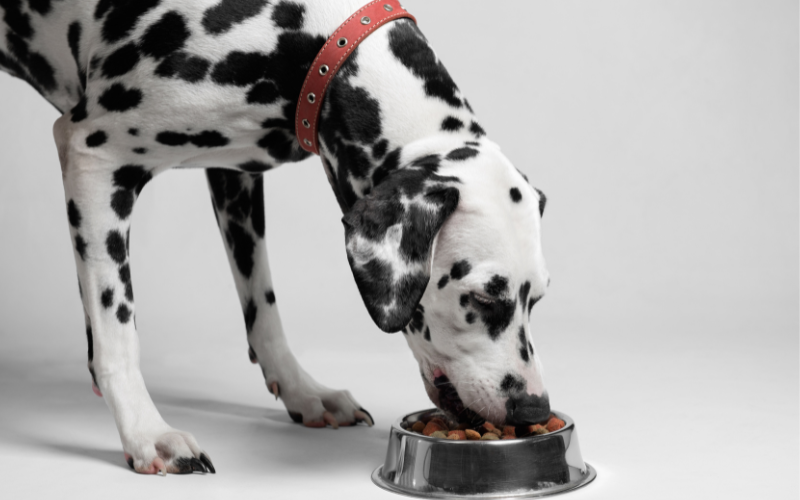
Why Palatability Matters in Coated Dog Kibble
Dry extruded dog food relies heavily on post-extrusion coating to deliver aroma and flavor. During extrusion, high temperature and pressure significantly reduce natural meat aromas, resulting in a neutral-smelling kibble base.
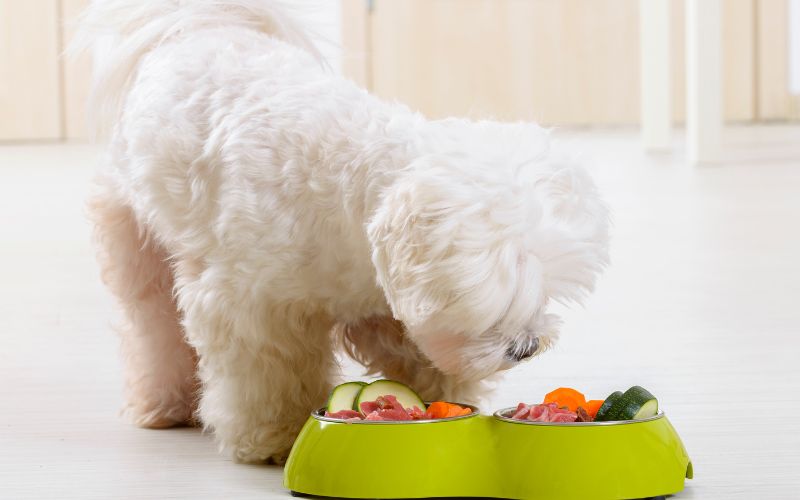
Coating systems restore and enhance palatability by applying liquid fats and flavor solutions to the kibble surface. In this process, chicken liver hydrolysate functions as a core feed additive for dogs, delivering immediate sensory impact.
Key benefits of effective palatability coating include:
- Improved first-bite acceptance
- Increased daily feed intake
- Better batch-to-batch consistency
- Enhanced product differentiation at retail
What Is Chicken Liver Hydrolysate?
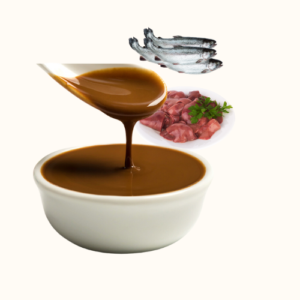
Chicken liver hydrolysate is produced through controlled enzymatic hydrolysis, breaking down chicken liver proteins into:
- Small peptides
- Free amino acids
- Naturally occurring savory compounds
This process results in a highly digestible, aroma-rich liquid ingredient, specifically designed for use as a palatability enhancer for pet food.
Compared with raw liver or liver powder, hydrolysates offer:
- Excellent water and fat compatibility
- Stable aroma release
- Lower microbial risk
- Superior performance in liquid coating systems
Chicken Liver Hydrolysate in Dog Kibble Coating Systems
Strong Adhesion and Uniform Distribution
When applied during vacuum or drum coating, chicken liver hydrolysate:
- Adheres evenly to kibble surfaces
- Distributes consistently with fats and oils
- Reduces flavor separation during storage
This ensures that every piece of kibble delivers the same palatability impact, a critical factor for brand consistency.
Fast Aroma Release and High Acceptance
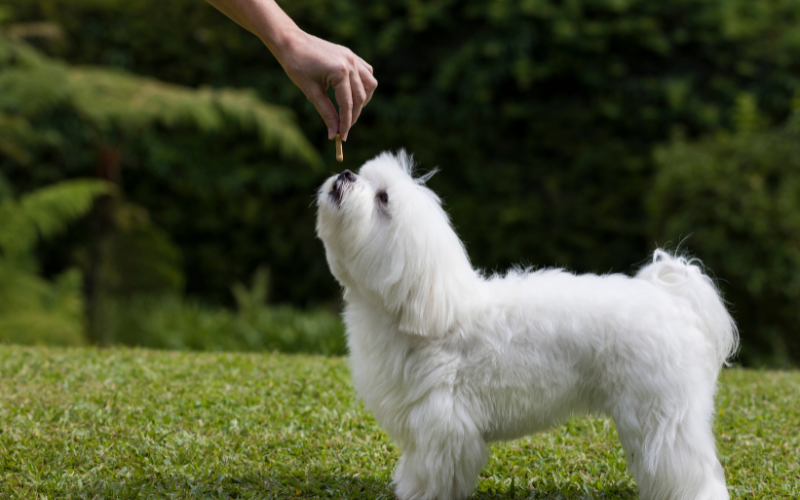
Dogs respond strongly to surface aroma. Chicken liver hydrolysate provides:
- Immediate meaty aroma upon bowl presentation
- Natural poultry-derived flavor cues
- No harsh or burnt notes
This leads to faster feeding response and higher overall intake, especially in competitive or multi-dog households.
Supporting Cat Food Palatability and Cross-Species Applications
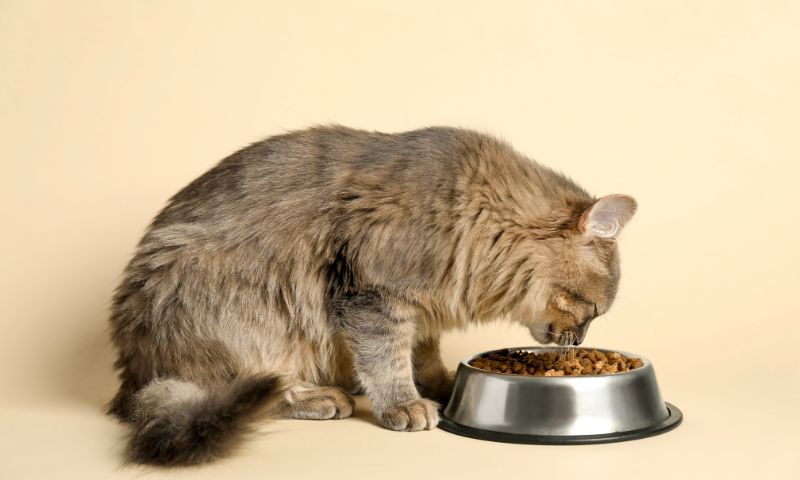
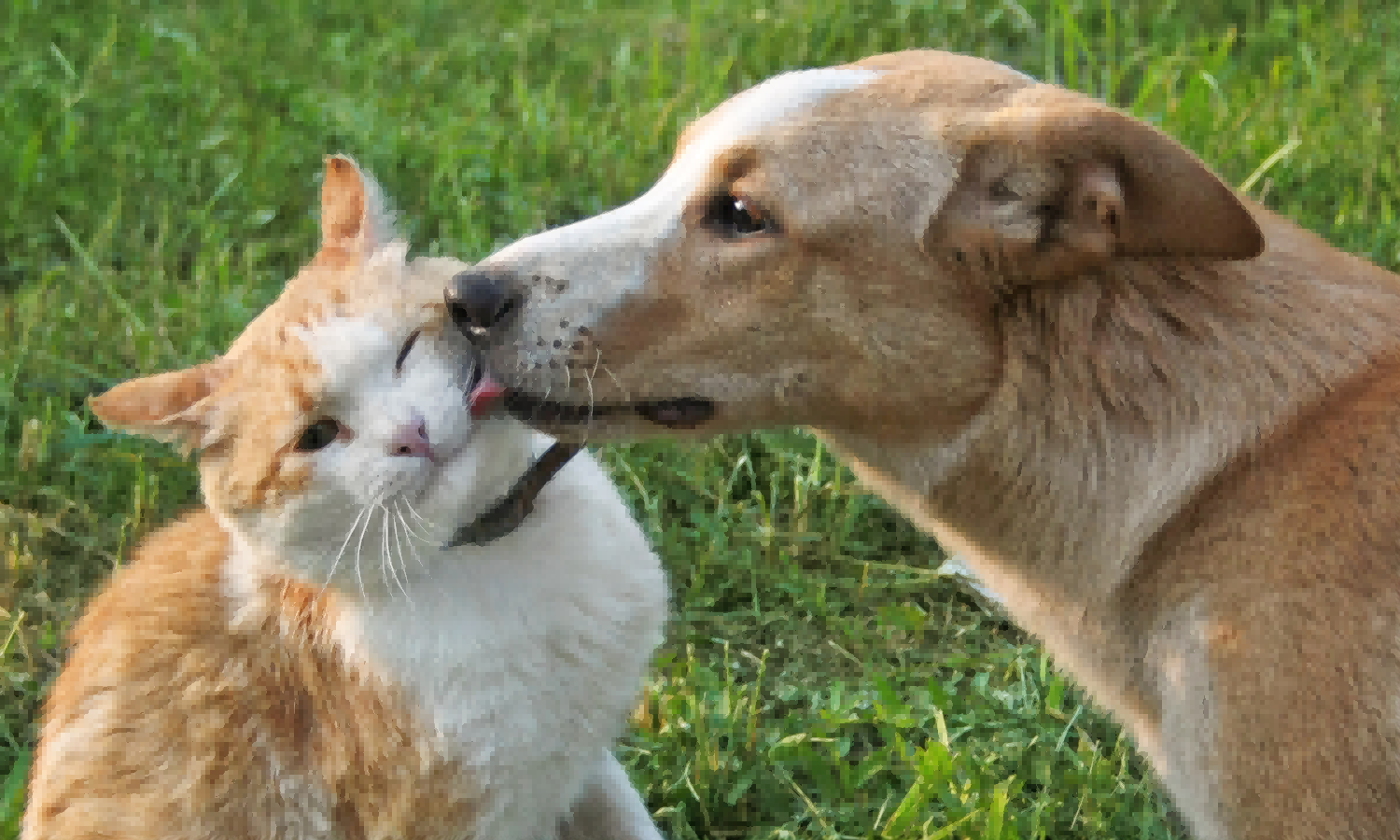
Although widely used in dog kibble, chicken liver hydrolysate is also highly effective for cat food palatability. Cats rely even more heavily on aroma than dogs, making hydrolyzed liver an excellent cat food flavor enhancer.
In mixed production facilities, chicken liver hydrolysate allows manufacturers to:
- Use a single palatability enhancer across dog and cat lines
- Simplify raw material sourcing
- Maintain consistent sensory profiles
As a palatability enhancer for pet food, it performs well in both dry and wet applications, including coatings, gravies, and liquid toppers.
Masking Functional and Nutritional Off-Notes
Modern pet food formulations often include functional ingredients such as:
- Vitamins and minerals
- Amino acids
- Herbal extracts
- Joint or digestive health additives
These components can introduce bitterness or metallic off-notes. Chicken liver hydrolysate helps by:
- Masking undesirable aromas
- Smoothing taste transitions
- Enhancing overall flavor balance
This makes it especially valuable in functional dog food and veterinary diets.
Chicken Liver Hydrolysate as a Key Pet Food Ingredient
As a versatile pet food ingredient, chicken liver hydrolysate supports:
- Premium and super-premium positioning
- Clean-label formulation strategies
- Adjustable flavor intensity
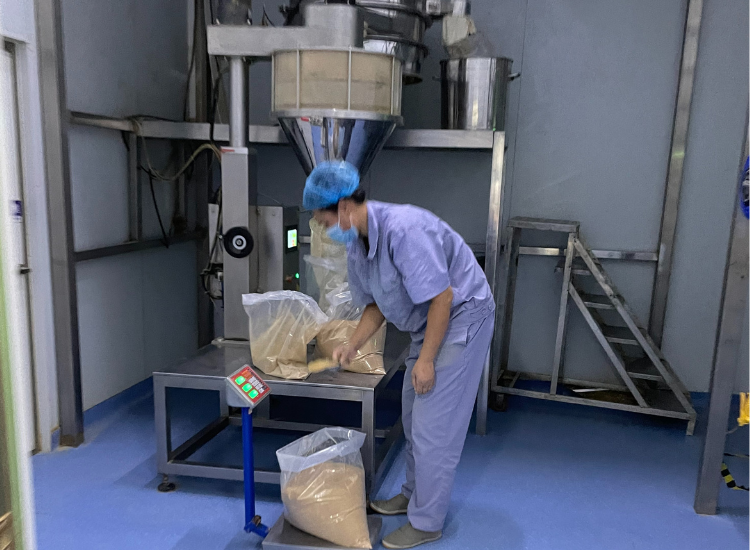
It can be supplied in liquid form optimized for coating systems, ensuring compatibility with existing production lines and minimal process modification.
Feed Additives for Dogs: Performance and Cost Efficiency
From a manufacturing perspective, chicken liver hydrolysate delivers strong performance at relatively low inclusion rates. This makes it a cost-effective feed additive for dogs, offering:
- High return on palatability improvement
- Reduced need for multiple flavor systems
- Improved consumer satisfaction and repeat purchase
What to Look for in a Palatability Enhancer Supplier
Selecting the right palatability enhancer supplier is critical for long-term success. Professional buyers should evaluate suppliers based on:
Raw Material Control
- Traceable poultry sourcing
- Consistent liver quality
- Food-grade processing standards
Technical Support
- Expertise in coating applications
- Stability and shelf-life testing
- Dosage and formulation guidance
Customization Capability
- Adjustable flavor intensity
- Species-specific optimization
- Regional preference adaptation
Quality and Compliance
- International feed and pet food standards
- Batch consistency
- Reliable long-term supply
A qualified cat food flavor enhancer and palatability enhancer supplier acts as a technical partner, supporting both R&D and large-scale production.
Market Outlook: Growing Demand for Palatability Enhancers
As pet humanization continues and competition intensifies, demand for high-performance palatability enhancers for pet food is steadily increasing. Dry dog food remains a dominant category, and coating technologies are becoming more sophisticated.
Within this trend, chicken liver hydrolysate stands out for its:
- Proven acceptance
- Broad species applicability
- Manufacturing reliability
Final Thoughts
Chicken liver hydrolysate is more than a flavor additive—it is a strategic palatability solution for coating dog kibble and enhancing overall feeding performance. It supports dog and cat food palatability, masks functional off-notes, and integrates seamlessly into modern coating systems.
For pet food palatant wholesalers, manufacturers, and factories, partnering with a professional palatability enhancer supplier ensures consistent quality, technical support, and market-ready solutions.