Dog Food Dryer Machine: The Complete Guide for Pet Food Manufacturers
Introduction
Whether you’re launching a new pet food factory or upgrading an existing production line, choosing the right dog food dryer machine is one of the most important decisions you’ll make.
Drying is more than simply removing moisture. It directly affects product shelf life, nutritional value, texture, appearance, palatability, and production efficiency. A poorly designed drying process can lead to cracked kibble, uneven moisture distribution, mold growth, excessive energy consumption, and customer complaints.
Modern pet food manufacturers are under increasing pressure to produce high-quality products while reducing operating costs and maintaining food safety standards. As a result, advanced pet food drying machines have become a core component of today’s automated production lines.
In this guide, you’ll learn:
- What a dog food dryer machine is
- How pet food drying systems work
- Different dryer types and their advantages
- Factors to consider before purchasing
- Energy-saving technologies
- Common maintenance practices
- Frequently asked questions from manufacturers
Whether you’re producing dry dog food, semi-moist treats, freeze-dried snacks, or specialty pet foods, this guide will help you select the right drying solution for your business.
Table of Contents
- What Is a Dog Food Dryer Machine?
- Why Drying Matters in Pet Food Production
- How a Dog Food Dryer Machine Works
- Different Types of Dog Food Dryers
- Key Components of a Modern Drying System
- How to Choose the Right Dryer
- Energy Efficiency and Operating Costs
- Common Problems and Solutions
- Maintenance Best Practices
- FAQs
What Is a Dog Food Dryer Machine?
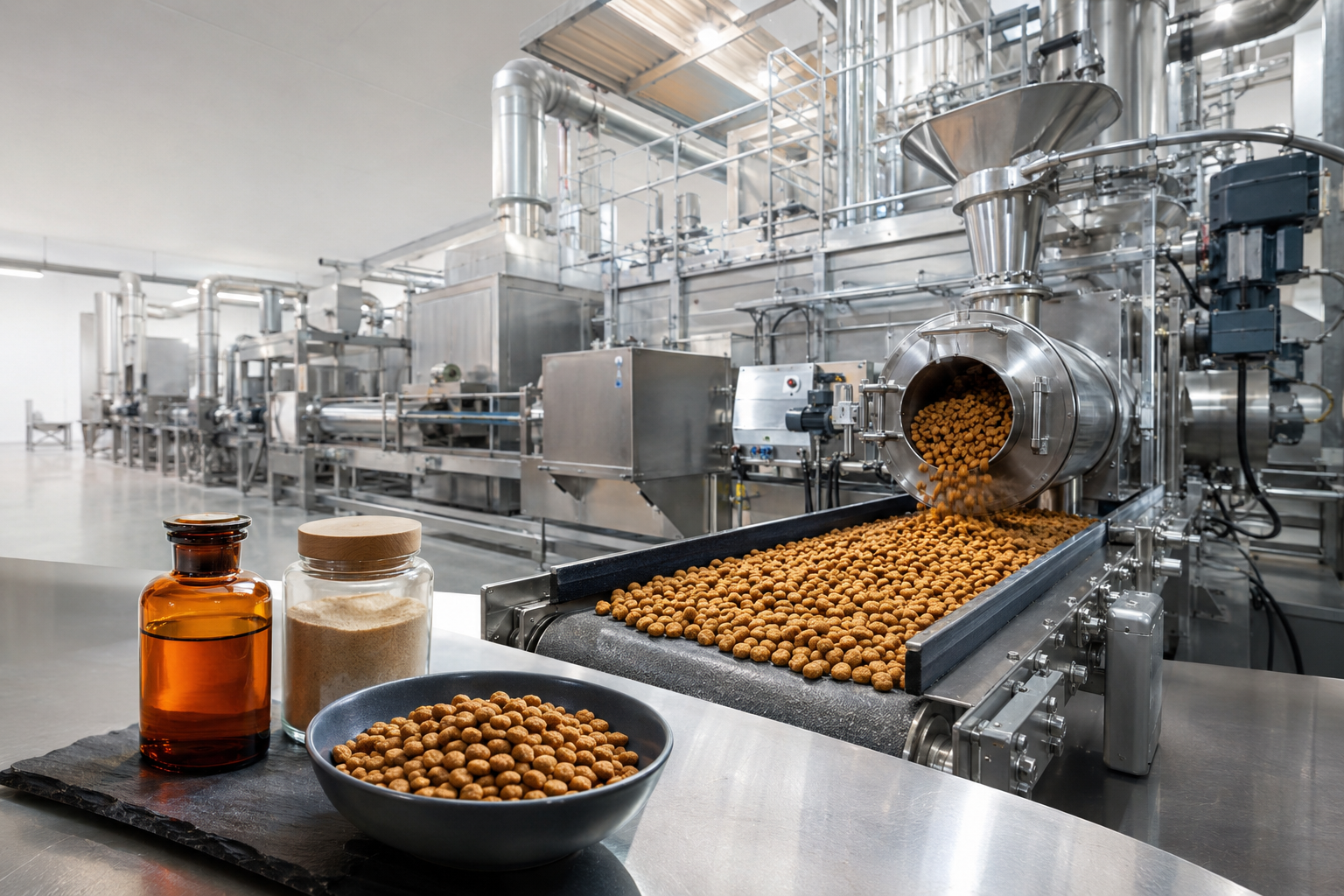
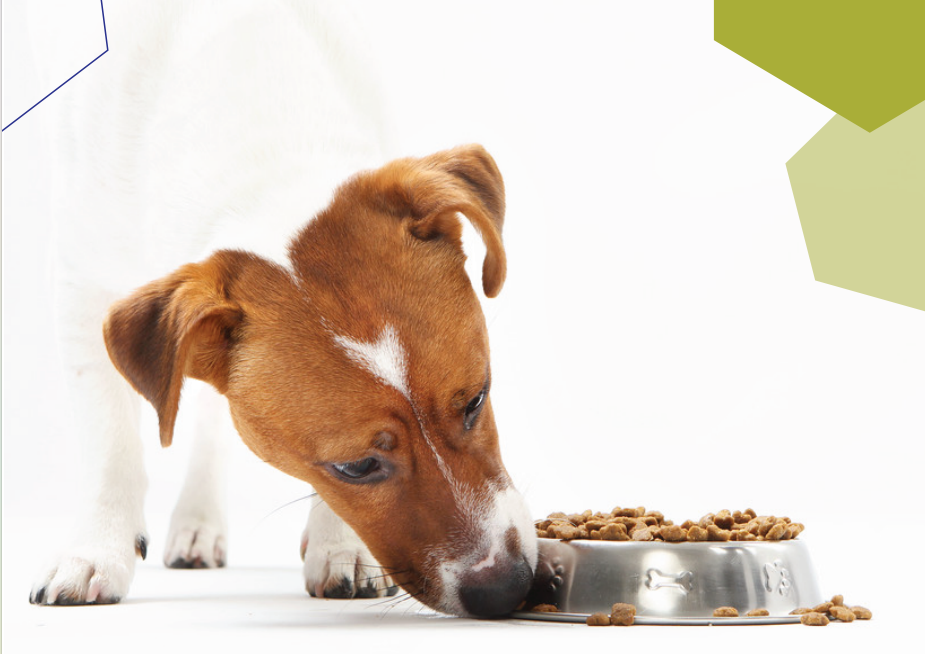
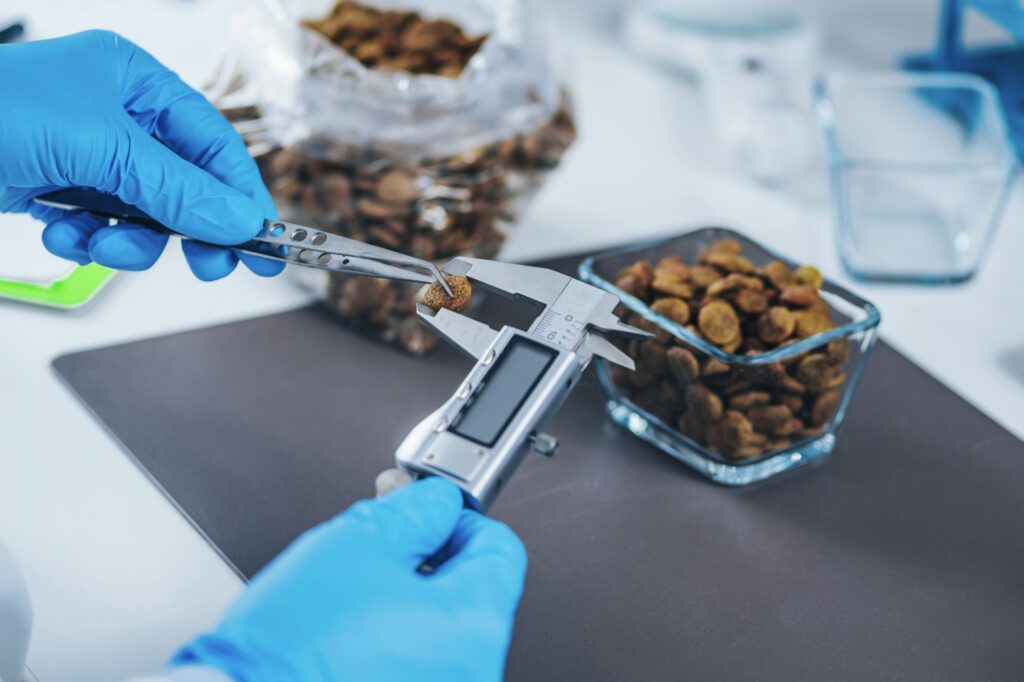
A dog food dryer machine is an industrial drying system designed to reduce the moisture content of pet food products after extrusion, baking, or cooking. By carefully controlling temperature, airflow, humidity, and drying time, manufacturers can produce kibble with consistent moisture levels that meet quality and food safety requirements.
Typical products include:
- Dry dog kibble
- Dry cat food
- Dental chews
- Soft pet treats
- Air-dried meat treats
- Functional pet snacks
- High-protein pet food
- Grain-free recipes
Industrial dryers are commonly integrated into complete pet food production lines that include:
- Ingredient mixing
- Grinding
- Extrusion
- Drying
- Cooling
- Oil spraying
- Flavor coating
- Packaging
Without proper drying, pet food may develop mold, bacterial contamination, poor texture, or reduced shelf life.
Why Drying Matters in Pet Food Production
Many new manufacturers focus heavily on extrusion equipment while overlooking the drying stage. In reality, drying has a significant impact on overall product quality.
Extends Shelf Life
Moisture is one of the biggest factors affecting microbial growth. Proper drying reduces water activity, helping products remain stable during storage and transportation.
Maintains Product Texture
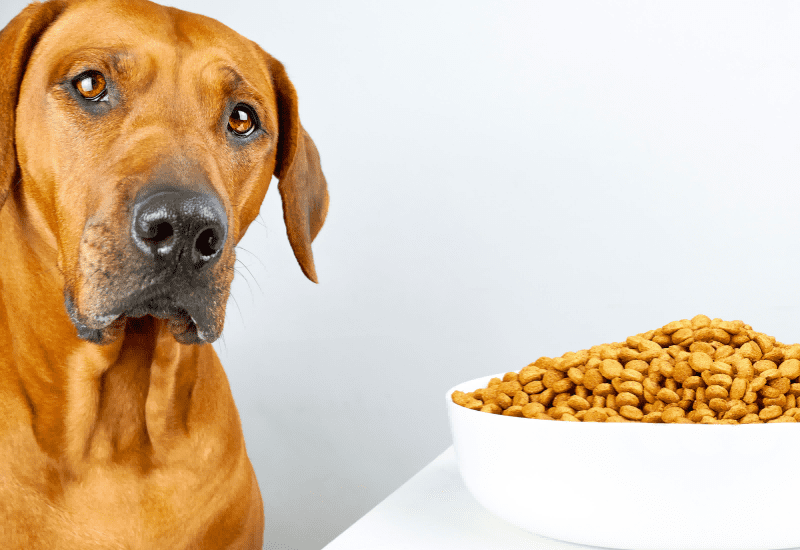
Consumers expect dry dog food to be crunchy rather than soft or sticky. Proper moisture control preserves the desired texture.
Improves Flavor Coating Performance
Oil, chicken fat, palatants, vitamins, and nutritional supplements adhere more evenly to kibble when the moisture level is properly controlled after drying.
Prevents Product Cracking
Uneven drying can create internal stress inside kibble, causing cracks and breakage during packaging and shipping.
Reduces Transportation Costs
Lower moisture content means lighter products, reducing shipping expenses while extending storage stability.
How Does a Dog Food Dryer Machine Work?
Although different dryer designs vary, most industrial systems follow the same basic process.
Step 1: Hot Air Generation
Gas burners, steam heat exchangers, electric heaters, or thermal oil systems generate heated air.
Step 2: Air Circulation
High-efficiency fans distribute heated air evenly throughout the drying chamber to ensure every piece of kibble receives consistent airflow.
Step 3: Moisture Evaporation
As hot air passes over the pet food, moisture gradually evaporates from the surface while internal moisture migrates outward.
This process must be carefully controlled to avoid surface hardening, which traps moisture inside the kibble.
Step 4: Exhaust Air Removal
Humidity-laden air is continuously exhausted while fresh heated air enters the chamber, maintaining efficient drying conditions.
Step 5: Cooling
After drying, kibble enters a cooling system before oil spraying and flavor coating. Cooling prevents condensation and improves coating adhesion.
Different Types of Dog Food Dryer Machines
Choosing the right dryer depends on production capacity, product type, energy consumption goals, and factory layout.
Continuous Belt Dryer
Continuous belt dryers are among the most widely used solutions for commercial pet food production.
Advantages
- Continuous production
- High throughput
- Stable product quality
- Suitable for automated production lines
- Low labor requirements
Best Applications
- Dry dog food
- Cat food
- Extruded kibble
- Large-scale factories
Multi-Layer Belt Dryer
Multi-layer belt dryers increase drying capacity while minimizing factory floor space.
These systems allow products to travel across several conveyor layers, extending drying time without requiring a longer production line.
Ideal for manufacturers with limited workshop space.
Tunnel Dryer
Tunnel dryers are designed for medium to large-scale production and are widely used in food processing industries. Products travel through a long insulated chamber where temperature, airflow, and humidity are carefully controlled in different drying zones.
Advantages
- Excellent temperature stability
- Suitable for various pet food sizes
- Consistent moisture distribution
- High production capacity
- Reliable continuous operation
Limitations
- Requires a larger installation area
- Higher initial investment than smaller dryers
Tunnel dryers are often chosen by manufacturers producing multiple product varieties because the drying profile can be adjusted for different recipes.
Rotary Drum Dryer
Rotary dryers use a rotating drum to tumble products while hot air removes moisture.
Although rotary dryers are commonly used for grains, fertilizers, minerals, and biomass materials, they are generally not recommended for premium dry dog food because continuous tumbling may damage the shape of fragile kibble.
Best Applications
- Animal feed pellets
- Agricultural products
- Bulk drying materials
Less Suitable For
- Premium pet kibble
- Freeze-dried treats
- Delicate dental chews
Fluidized Bed Dryer
A fluidized bed dryer suspends kibble in a stream of heated air, allowing every particle to dry evenly.
This technology offers some of the most uniform moisture control available.
Advantages
- Extremely even drying
- Fast drying speed
- High thermal efficiency
- Excellent product quality
- Reduced drying time
Typical Applications
- Premium pet food
- High-protein formulas
- Small-sized kibble
- Functional pet foods
Comparing Different Dog Food Dryer Machines
| Dryer Type | Capacity | Product Quality | Energy Efficiency | Investment | Recommended For |
|---|---|---|---|---|---|
| Continuous Belt Dryer | ★★★★★ | ★★★★★ | ★★★★☆ | High | Large factories |
| Tunnel Dryer | ★★★★☆ | ★★★★★ | ★★★★☆ | High | Medium & large manufacturers |
| Multi-layer Belt Dryer | ★★★★☆ | ★★★★★ | ★★★★★ | Medium | Limited workshop space |
| Fluidized Bed Dryer | ★★★★☆ | ★★★★★ | ★★★★★ | High | Premium pet food |
| Rotary Dryer | ★★★★★ | ★★★☆☆ | ★★★☆☆ | Medium | Feed pellets |
Key Components of a Modern Dog Food Dryer Machine
A high-quality drying system consists of several integrated components working together to achieve precise moisture control.
Heating System
The heat source directly affects drying performance and operating costs.
Common options include:
- Natural gas
- Steam
- Electric heating
- Thermal oil
- Biomass heating
Natural gas systems remain the most popular choice for commercial pet food factories because they provide high efficiency and relatively low operating costs.
Air Circulation Fans
Industrial centrifugal fans distribute heated air uniformly throughout the drying chamber.
Well-designed airflow prevents:
- Hot spots
- Uneven drying
- Product discoloration
- Moisture inconsistency
Conveyor Belt
The conveyor transports kibble through different drying zones.
Manufacturers should look for:
- Stainless steel construction
- Food-grade materials
- Easy cleaning
- Adjustable belt speed
- Long service life
Intelligent Temperature Control
Modern PLC control systems automatically regulate:
- Drying temperature
- Conveyor speed
- Air velocity
- Humidity
- Exhaust airflow
Automation reduces labor requirements while improving product consistency.
Moisture Monitoring
Advanced drying systems include online moisture sensors that continuously monitor product moisture.
Benefits include:
- Reduced waste
- Improved consistency
- Faster production adjustments
- Better product quality
How to Choose the Right Dog Food Dryer Machine
Not every dryer is suitable for every production facility.
Consider the following factors before investing.
Production Capacity
Estimate both current production and future expansion.
Typical capacities include:
- 100–300 kg/hour
- 500 kg/hour
- 1 ton/hour
- 3 tons/hour
- 5 tons/hour
- 10 tons/hour or more
Selecting a machine with room for future growth helps avoid costly upgrades.
Product Variety
Different products require different drying profiles.
Examples include:
- Standard kibble
- Grain-free recipes
- Freeze-dried snacks
- Dental chews
- Semi-moist treats
- High-meat formulations
A flexible dryer should allow independent adjustment of temperature and drying time.
Energy Consumption
Drying is often one of the highest energy-consuming stages in pet food production.
Look for equipment featuring:
- Heat recovery systems
- High-efficiency insulation
- Variable-frequency fans
- Intelligent airflow control
- Multi-zone temperature management
Although these features increase the purchase price, they can significantly reduce long-term operating costs.
Food Safety Compliance
Choose machines manufactured according to recognized food-processing standards.
Recommended features include:
- SUS304 or SUS316 stainless steel
- Hygienic welding
- Easy-clean structure
- CIP compatibility where applicable
- Food-grade conveyor belts
These features simplify sanitation and help meet international food safety requirements.
Energy-Saving Technologies in Modern Dog Food Dryers
As energy prices continue to rise, manufacturers are paying closer attention to the operating costs of pet food production lines. Modern drying systems incorporate several technologies that reduce energy consumption while maintaining consistent product quality.
Multi-Zone Temperature Control
Instead of maintaining a single temperature throughout the dryer, advanced machines divide the drying chamber into multiple independent zones.
Each zone can be adjusted based on the moisture level of the product.
Benefits include:
- Lower energy consumption
- Reduced risk of over-drying
- Better product consistency
- Increased production flexibility
Heat Recovery Systems
Exhaust air from the drying chamber still contains valuable thermal energy.
Heat recovery systems capture this energy and reuse it to preheat incoming air, reducing fuel consumption by 10–30%, depending on the production line.
Variable Frequency Drives (VFD)
Modern fans and conveyor motors often use variable frequency drives.
Instead of operating at full power continuously, VFDs automatically adjust speed according to production demand, reducing electricity usage while extending equipment life.
Intelligent PLC Automation
A PLC-based control system monitors:
- Product temperature
- Air temperature
- Exhaust humidity
- Conveyor speed
- Drying time
Real-time adjustments improve consistency and reduce operator intervention.
Common Drying Problems and Solutions
Even with advanced equipment, drying issues can occur if process parameters are not optimized.
| Problem | Possible Cause | Recommended Solution |
|---|---|---|
| Kibble cracks | Drying too quickly | Reduce initial drying temperature |
| Uneven moisture | Poor airflow distribution | Inspect air ducts and fan performance |
| Burned product | Excessive temperature | Lower drying temperature or increase conveyor speed |
| Sticky surface | Insufficient drying | Extend drying time |
| Mold during storage | Final moisture too high | Improve moisture monitoring and cooling |
| Excessive energy use | Dirty heat exchanger or poor insulation | Perform regular maintenance |
Routine monitoring helps detect these issues before they affect product quality or customer satisfaction.
Preventive Maintenance Tips
Regular maintenance minimizes downtime and extends equipment life.
Daily:
- Remove dust and product residue
- Check conveyor belt alignment
- Inspect air filters
- Verify temperature readings
Weekly:
- Lubricate bearings
- Inspect fans
- Clean heat exchangers
- Check sensors
Monthly:
- Tighten electrical connections
- Inspect insulation
- Test emergency stop systems
- Calibrate temperature controllers
Annual:
- Replace worn belts
- Inspect burners or heating elements
- Overhaul fan motors if required
- Review PLC software updates
A preventive maintenance schedule is far more cost-effective than emergency repairs.
How Much Does a Dog Food Dryer Machine Cost?
The cost depends on production capacity, heating method, automation level, and customization requirements.
Typical price ranges are:
| Capacity | Estimated Price (USD) |
|---|---|
| 100–300 kg/h | $8,000–15,000 |
| 500 kg/h | $15,000–30,000 |
| 1 ton/h | $30,000–60,000 |
| 3 tons/h | $60,000–120,000 |
| 5+ tons/h | Custom quotation |
In addition to equipment cost, buyers should also consider:
- Installation
- Factory utilities
- Shipping
- Operator training
- Spare parts
- Maintenance
- Energy consumption
Evaluating total cost of ownership (TCO) often provides a more accurate comparison than focusing solely on purchase price.
Buying Checklist
Before selecting a dog food dryer machine, ask the following questions:
✔ What is my target production capacity?
✔ What moisture level is required for my product?
✔ Which heating source is available at my factory?
✔ Can the dryer integrate with my existing extrusion line?
✔ Is the equipment easy to clean and maintain?
✔ Does the supplier provide installation and technical support?
✔ Are spare parts readily available?
✔ Is the machine compliant with international food safety standards?
A detailed technical discussion with the equipment supplier can help ensure the selected dryer meets both current production needs and future expansion plans.
Frequently Asked Questions
What moisture content should dry dog food have?
Most commercial dry dog food is dried to a final moisture content of approximately 8–10%, depending on the formulation and packaging requirements.
Can one dryer handle different pet food products?
Yes. Modern dryers allow operators to adjust temperature, airflow, conveyor speed, and drying time to accommodate different product sizes and recipes.
Which heating method is the most economical?
Natural gas is generally the most cost-effective option where available. In regions without gas infrastructure, steam or electric heating may be more practical.
How long does the drying process take?
Drying time typically ranges from 15 to 45 minutes, depending on kibble size, moisture content, dryer design, and production capacity.
How often should a dryer be serviced?
Basic cleaning should be performed daily, while comprehensive preventive maintenance is recommended on a weekly, monthly, and annual basis.
Can a dog food dryer be integrated into a complete production line?
Absolutely. Industrial dryers are designed to connect seamlessly with mixers, extruders, coolers, coating systems, conveyors, and packaging machines to create a fully automated production line.
Conclusion
A high-performance dog food dryer machine plays a critical role in producing safe, consistent, and high-quality pet food. Beyond simply removing moisture, the drying process directly influences shelf life, product texture, coating performance, and manufacturing efficiency.
When evaluating equipment, manufacturers should consider production capacity, energy efficiency, automation, food safety compliance, maintenance requirements, and future scalability. Investing in the right drying solution can reduce operating costs, improve product consistency, and support long-term business growth.
Whether you are establishing a new pet food factory or upgrading an existing production line, selecting a reliable drying system is an investment in product quality and operational success.
Why Work with Profypet?
While Profypet specializes in pet food palatants rather than manufacturing drying equipment, we work closely with pet food manufacturers worldwide and understand how drying conditions influence flavor coating, palatability, and overall product quality.
Our technical team can provide practical recommendations on how to optimize the interaction between drying, oil coating, and palatant application to help you achieve better feeding performance and more consistent production results.
Contact Profypet today to discuss pet food palatants, coating solutions, and technical support for your dog food manufacturing process.