
Dog Food Flavor Enhancer
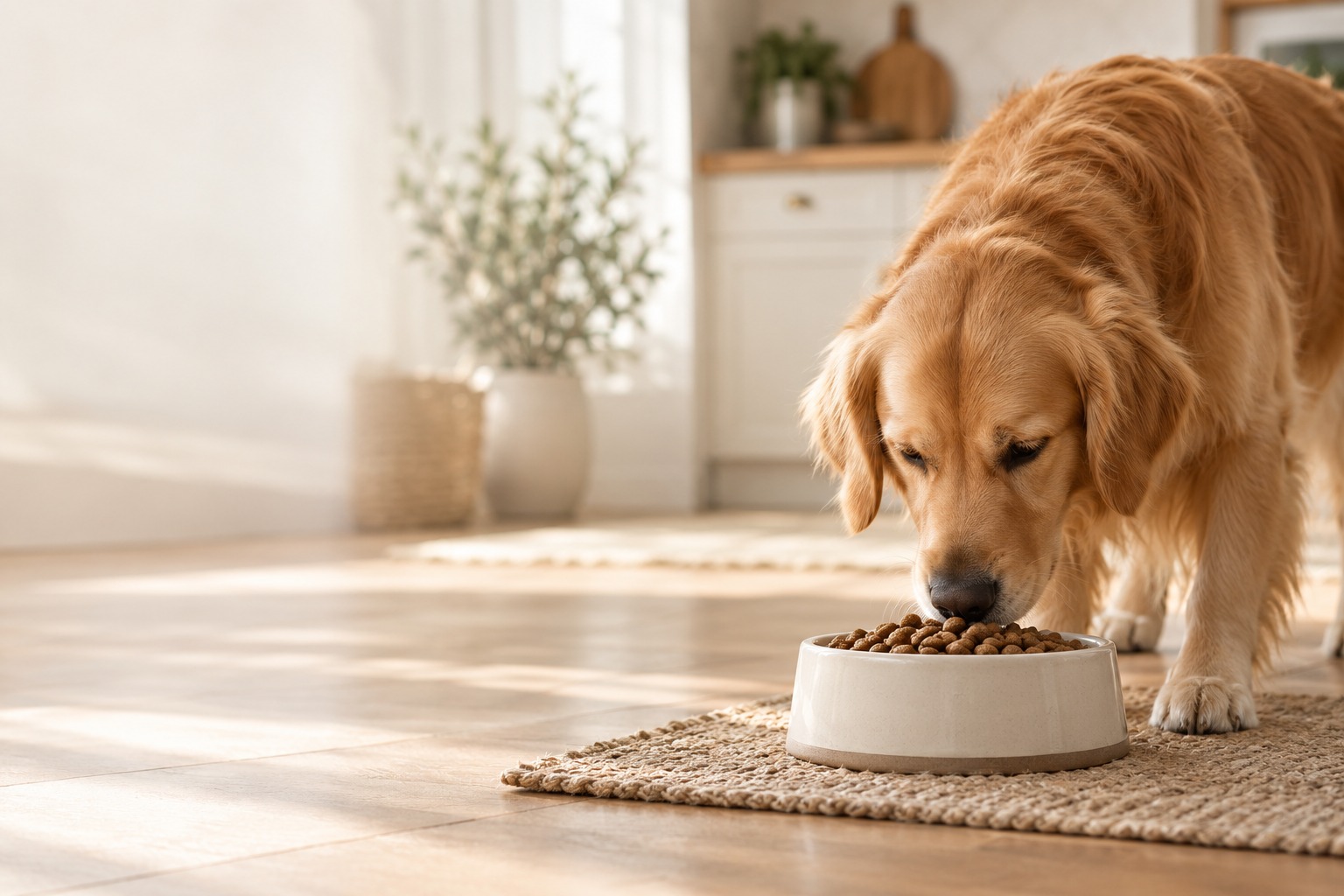
In the global pet food industry, palatability directly determines commercial success. No matter how advanced the nutrition profile is, a product that dogs or cats refuse to eat will never survive the market. This is why dog food flavor enhancers have become a core component for pet food manufacturers, factories, and pet food palatant wholesalers.
At profypet.com, dog food flavor enhancers are positioned not as simple taste additives, but as functional palatability solutions—designed to improve acceptance, stabilize feeding behavior, and support consistent production across dry, wet, and liquid pet food systems.
This article explains how dog food flavor enhancers work, how they improve palatability pet food performance, and how they integrate with cat food flavor enhancer systems, pet food ingredients, and feed additives for dogs.

Why Dog Food Flavor Enhancers Matter
Dogs may be less selective than cats, but palatability still plays a decisive role in:
- First-time product acceptance
- Long-term feeding consistency
- Brand loyalty and repeat purchase
- Performance of functional and prescription diets
Modern formulations often include ingredients that negatively affect taste and aroma, such as vitamins, minerals, plant proteins, fibers, or functional actives. A dog food flavor enhancer compensates for these challenges by restoring and enhancing sensory appeal.
For pet food factories operating at scale, this means:
- Reduced rejection rates
- More stable consumption data
- Fewer reformulation cycles
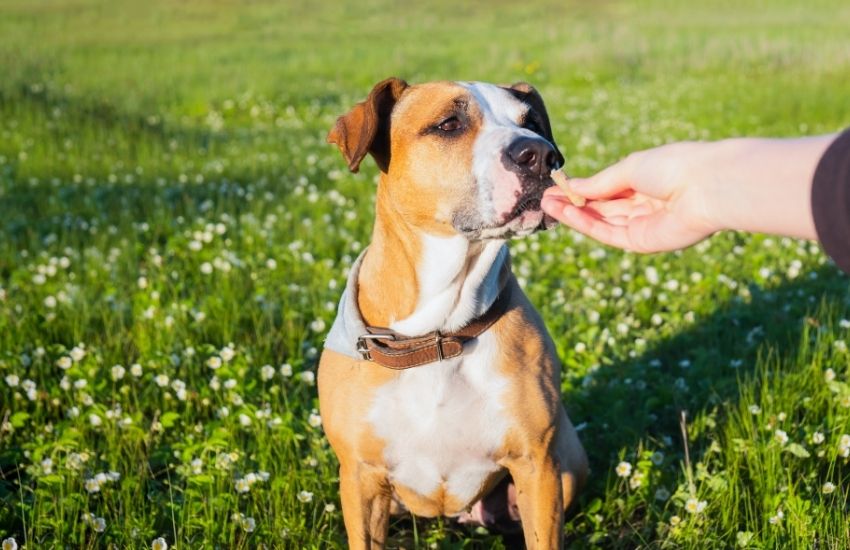
Palatability Pet Food: Beyond Basic Flavoring
Palatability is not just about taste—it is a combination of:
- Aroma release
- Mouthfeel
- Aftertaste
- Feeding response over time
Professional palatability enhancers for pet food are developed using animal behavior data and sensory testing, not human taste preferences. They stimulate natural feeding instincts, especially important in:
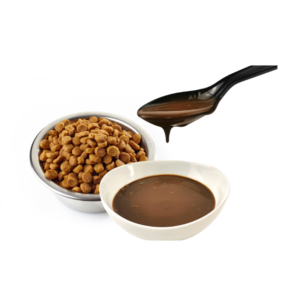
- Dry dog food (kibble coatings)
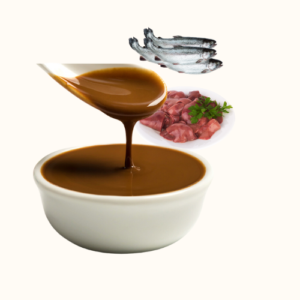
- Wet food gravies and sauces
- Semi-moist treats
- Liquid supplements and toppers
A well-designed dog food flavor enhancer improves both initial intake and sustained consumption, which is critical for functional and premium product lines.
Relationship Between Dog and Cat Food Palatability
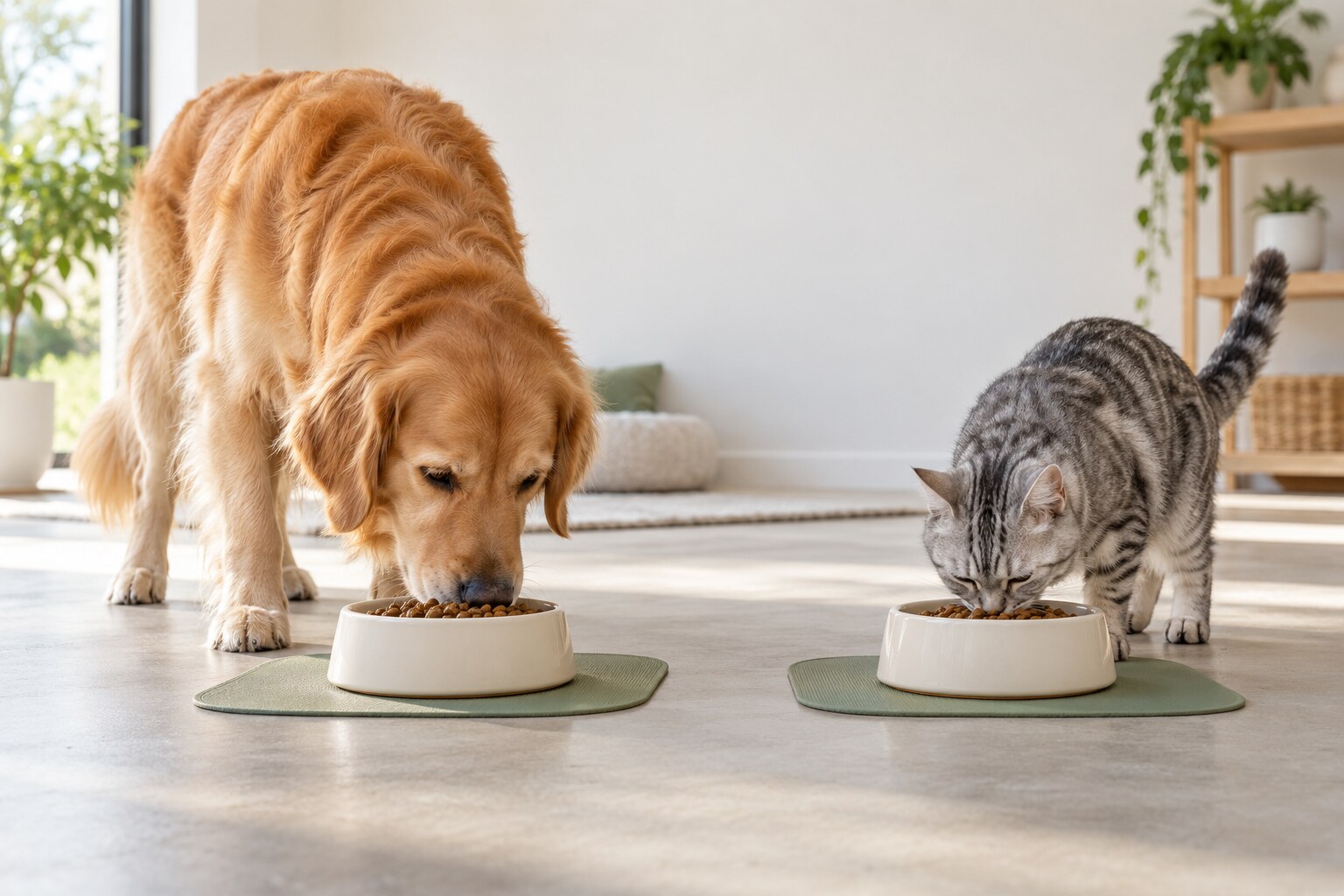
While dogs and cats differ in taste perception, cat food palatability research strongly influences flavor technology development. Cats are more aroma-driven and sensitive to off-notes, making them ideal test subjects for palatability optimization.
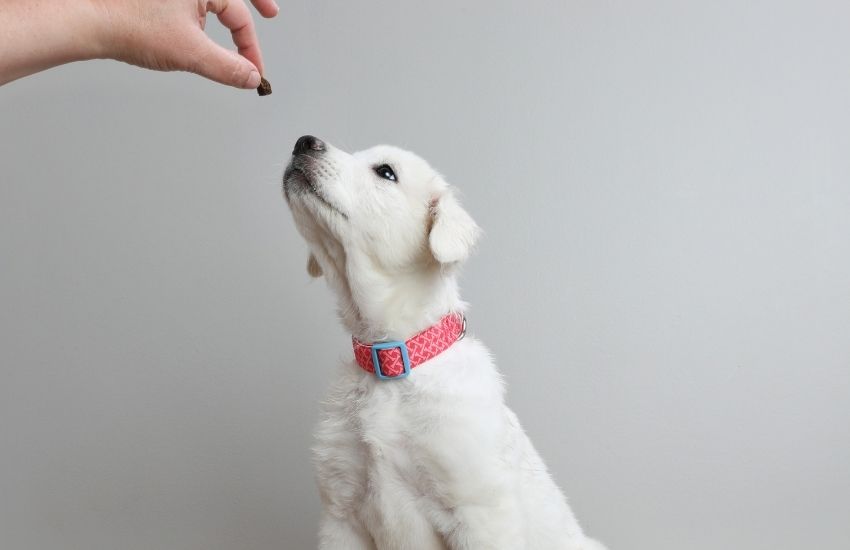
As a result, many advanced cat food flavor enhancer technologies are adapted and optimized for dogs, delivering:
- Cleaner aroma profiles
- Reduced bitterness
- Better compatibility with complex formulations
For manufacturers producing both dog and cat food, unified palatability systems improve efficiency and reduce raw material complexity.
Cat Food Flavor Enhancer Technology Applied to Dogs
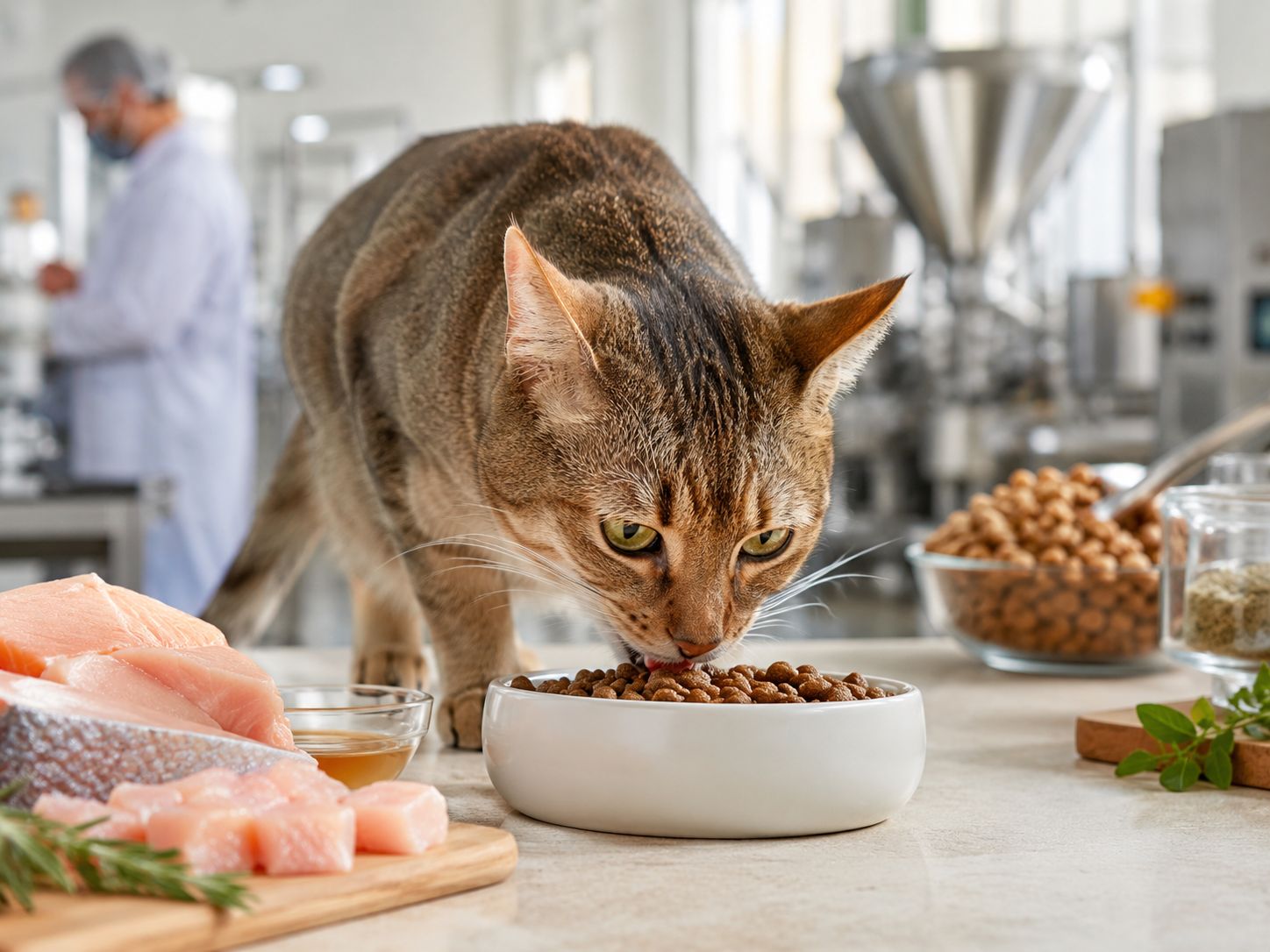
A professional cat food flavor enhancer is often richer in amino acids, peptides, and nucleotides. When applied to dog food formulations, these components:
- Increase savory perception
- Improve meal engagement
- Support appetite in sensitive or senior dogs
This crossover approach allows palatability enhancer suppliers to offer flexible solutions for multi-species production lines.
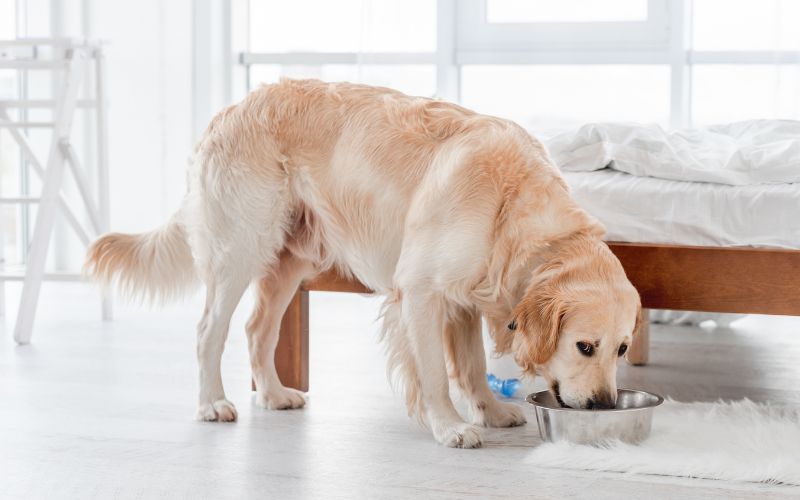
Dog Food Flavor Enhancer as a Feed Additive for Dogs
From a technical perspective, a dog food flavor enhancer is also classified as a feed additive for dogs, playing both sensory and functional roles:
- Enhancing flavor and aroma
- Masking unpleasant ingredients
- Supporting consistent feed intake
- Improving acceptance of medicated or functional diets
Unlike basic flavoring agents, professional-grade enhancers are engineered for:
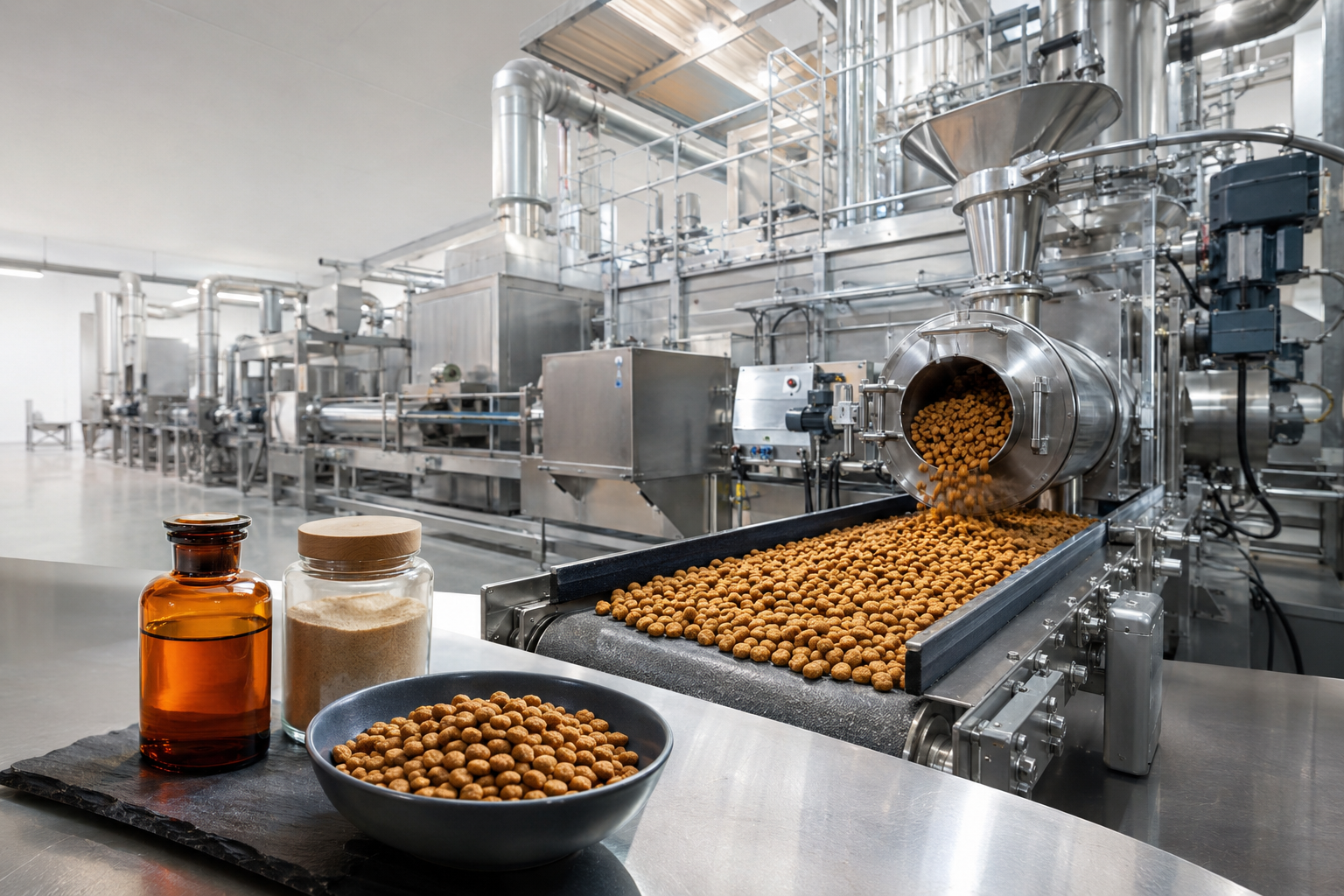
- Heat stability during extrusion
- Adhesion to kibble surfaces
- Compatibility with fats, oils, and binders
This makes them suitable for high-volume industrial production.
Integration with Pet Food Ingredients
Dog food flavor enhancers must work seamlessly with other pet food ingredients, including:
- Animal proteins
- Plant-based proteins
- Functional fibers
- Vitamins and minerals
- Health-support additives
A reliable palatability solution should never interfere with nutritional performance or regulatory compliance. Instead, it should enhance the overall formulation balance, allowing manufacturers to innovate without sacrificing acceptance.
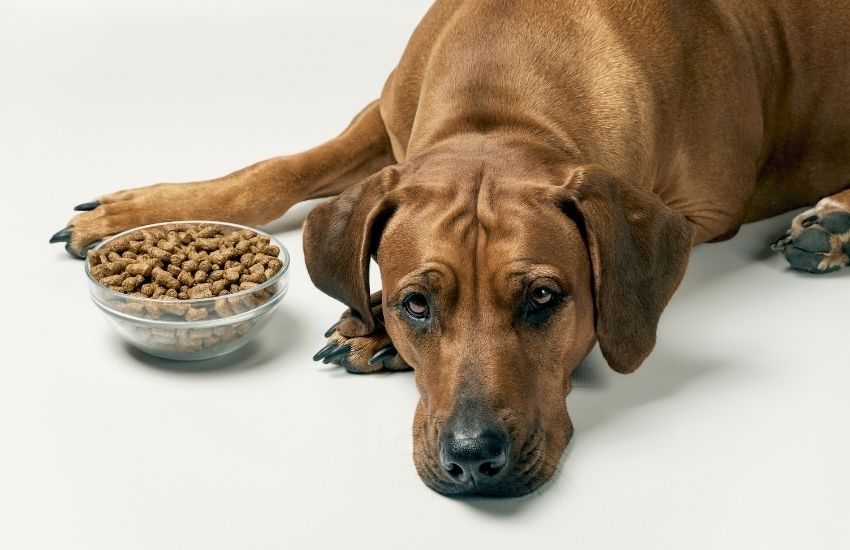
Applications Across Pet Food Formats
Dog food flavor enhancers are widely used in:
- Dry dog food (spray or vacuum coating)
- Wet food and canned products
- Semi-moist foods
- Liquid dog food and supplements
- Treats and training snacks
In each format, dosage and flavor profile are carefully adjusted to achieve maximum palatability with minimal inclusion rate, supporting cost control for factories and brand owners.
What to Look for in a Palatability Enhancer Supplier
Selecting the right cat food flavor enhancer and dog food flavor enhancer supplier is a strategic decision. Professional buyers should evaluate suppliers based on:
Technical Capability
- Species-specific palatability research
- Application support for different formats
- Stability and performance testing
Raw Material and Process Control
- Consistent sourcing
- Batch-to-batch stability
- Industrial-scale production reliability
Customization Ability
- Tailored aroma intensity
- Region-specific preference adjustment
- Compatibility with unique formulations
Regulatory and Quality Standards
- Compliance with global pet food regulations
- Clear documentation and traceability
- Long-term supply security
A qualified palatability enhancer supplier acts as a development partner, not just a raw material vendor.
Market Trends: Growing Demand for Flavor Enhancers
As pet food continues to move toward:
- Functional nutrition
- Premium positioning
- Clean-label strategies
The demand for advanced dog food flavor enhancers and cat food flavor enhancers will continue to grow. Manufacturers are seeking solutions that deliver strong palatability while supporting innovation and regulatory compliance.
Conclusion
A dog food flavor enhancer is no longer a secondary ingredient—it is a core performance driver in modern pet food manufacturing. By improving palatability pet food performance, supporting complex formulations, and integrating seamlessly with pet food ingredients and feed additives for dogs, flavor enhancers enable brands to compete effectively in demanding global markets.
For pet food palatant wholesalers, manufacturers, and factories, partnering with a professional palatability enhancer supplier ensures consistent quality, technical support, and scalable success.
As the industry evolves, dog food flavor enhancers will remain essential tools for delivering products pets genuinely want to eat.