Dry Dog Food Flavors
Dry dog food remains one of the most popular options among pet owners, manufacturers, and distributors alike. It’s convenient, shelf-stable, affordable, and nutrient-rich. Yet, while humans often choose pet food based on nutritional labels and brand reputation, dogs make their choices based primarily on flavor. Ensuring dry dog food has the right flavor profile can dramatically influence its success in the market.
This blog post explores the importance of dry dog food flavors, popular flavor trends, and how manufacturers can effectively enhance palatability to meet customer expectations.
Why Flavor Matters in Dry Dog Food
Dogs, much like humans, prefer food that tastes and smells good. While nutritionists formulate dog food to be nutritionally balanced, flavorists and palatant manufacturers make the food appealing. Flavor significantly impacts acceptance, repeat purchases, and brand loyalty. Simply put, a highly palatable dry food will consistently outsell a bland-tasting competitor, even if the latter offers similar nutritional benefits.

Flavor can also help mask certain undesirable tastes in ingredients vital for nutritional purposes, such as bitter-tasting vitamins, minerals, or medicinal supplements.
Popular Dry Dog Food Flavors
Understanding popular flavor profiles and trends can help pet food manufacturers and wholesalers better target their markets. Here are some of the leading flavors driving the dry dog food industry today:
1. Chicken and Poultry Flavors
Chicken remains a timeless classic in dog food flavors. It’s mild, universally appealing, easily digestible, and serves as an excellent carrier for nutritional additives. Poultry flavors often incorporate chicken fat and hydrolyzed chicken protein, significantly enhancing palatability and acceptance rates.
2. Beef Flavors
Beef-flavored dog food is another staple. Known for its robust aroma and hearty taste, beef appeals to dogs that prefer stronger meat flavors. Beef liver and beef broth powders are common additives that significantly boost flavor and palatability.
3. Lamb and Venison Flavors
Lamb and venison are popular premium and hypoallergenic alternatives. These red meats offer distinctive, earthy flavors often favored by dogs that might be sensitive to poultry or beef. Lamb meal or dehydrated venison proteins enhance the flavor profile of many premium dry dog foods.

4. Fish and Seafood Flavors
Salmon and whitefish are increasingly popular due to their unique nutritional benefits, such as omega-3 fatty acids, and distinctive aroma profiles. Fish-based flavors often attract dogs that have sensitive skin or allergy issues and can provide added benefits for skin and coat health.
5. Exotic and Alternative Flavors
Novel flavors like duck, kangaroo, or even insect-based proteins are gaining traction among adventurous pet owners. These flavors offer unique selling propositions in niche markets catering to pets with dietary sensitivities or eco-conscious consumers.
Flavor Trends Shaping the Industry
Pet food flavor trends are increasingly influenced by human food trends, reflecting the growing humanization of pets. The rise of gourmet pet food flavors, the use of natural and sustainably sourced ingredients, and an emphasis on functional flavors that offer additional health benefits have all shaped consumer preferences.
Natural and Clean Label: Consumers prefer ingredients that are recognizable and minimally processed. Dry dog foods with “natural chicken flavor” or “beef liver extract” listed clearly appeal more to health-conscious pet owners.
Functional Flavors: Pet owners increasingly seek dog food flavors that promise additional health benefits, such as digestive support, dental care, or immune system enhancement. Ingredients like turmeric, ginger, or probiotics can be added to improve not just flavor, but also health.

How to Enhance Dry Dog Food Flavors Effectively
Palatability is a science and an art. Manufacturers aiming to boost the acceptance and popularity of dry dog food should consider the following best practices:
Use Quality Palatants
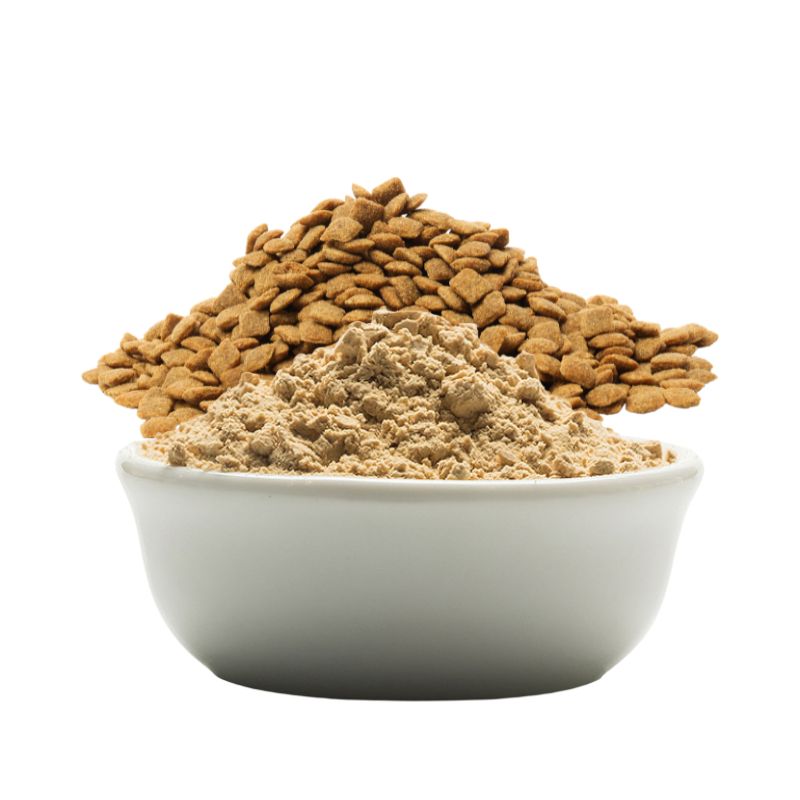
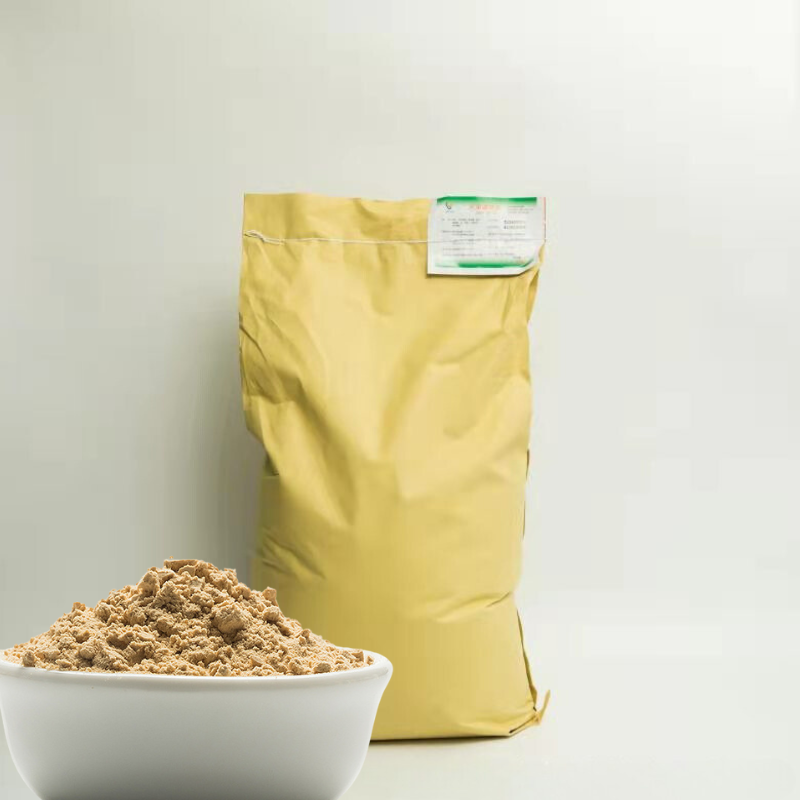
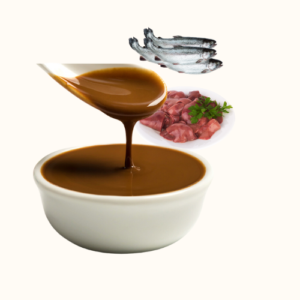
Palatants—specially formulated flavor enhancers—are crucial for maximizing flavor and aroma. High-quality palatants, such as those offered by companies like ProfyPet, significantly increase dogs’ acceptance rates. Hydrolyzed proteins and natural animal fats can dramatically improve a food’s palatability.
Optimize Coating Techniques
Dry dog food pellets, or kibble, typically undergo a coating process. Liquid palatants, flavoring oils, and dry powders are sprayed onto kibble post-extrusion to ensure consistent flavor distribution. Optimal coating techniques and machinery calibration ensure uniform flavoring, creating consistent product quality.
Understand Pet Taste Preferences
Dogs primarily taste through smell. Aroma plays a vital role in palatability. Understanding the sensory preferences of dogs, including preferred meat aromas and savory notes, can help manufacturers craft flavors that dogs naturally gravitate towards.

Leverage Feeding Trials and Palatability Testing
Feeding trials and palatability testing provide valuable insights into dogs’ preferences. Conducting systematic palatability studies can significantly inform the choice and development of flavor profiles. Regular testing allows manufacturers to refine formulations and continuously meet market demands.
Working with a Trusted Palatant Supplier
Choosing the right partner is crucial in flavor development. Partnering with an experienced palatant supplier like ProfyPet ensures access to cutting-edge flavor technology, rigorous quality assurance, and tailored solutions that meet market demands. Suppliers specializing in palatability enhancers provide invaluable expertise and support to help manufacturers achieve market differentiation.
Conclusion: Flavor—The Heart of Dry Dog Food Success
Flavor is not simply an additive in dry dog food; it’s central to product success, influencing everything from initial acceptance to customer loyalty. Understanding trending flavors, implementing effective flavor enhancement techniques, and partnering with the right suppliers can significantly boost the appeal and marketability of dry dog food products.
By focusing on creating delicious, healthy, and appealing flavors, manufacturers, wholesalers, and distributors can ensure lasting success in a competitive marketplace.
To explore more about innovative dry dog food flavor solutions and palatability enhancers, visit ProfyPet today.