
Feed Palatability Enhancers Market
In the pet food industry, there’s one truth every manufacturer understands sooner or later:
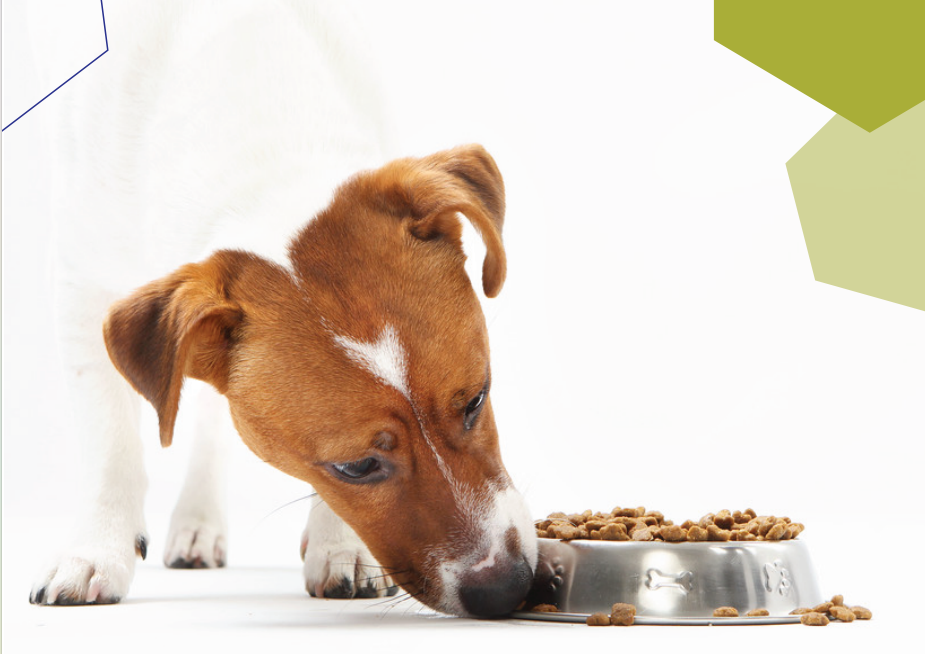
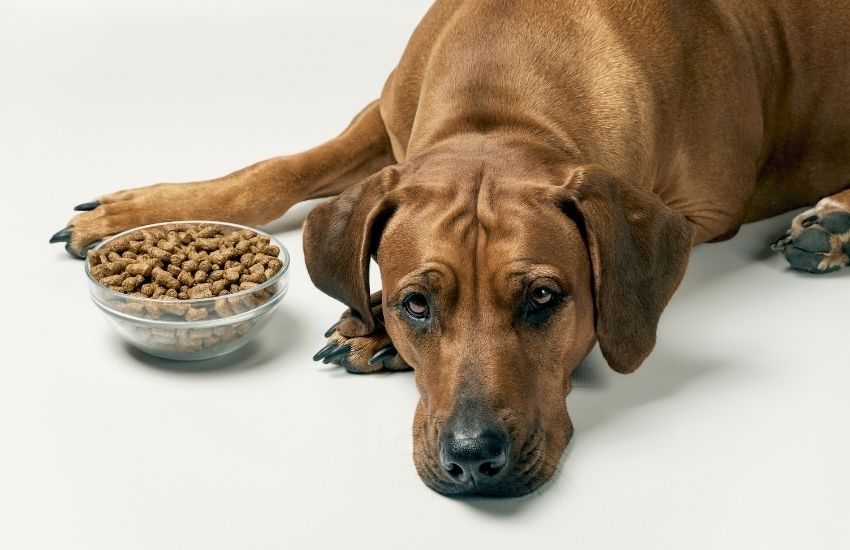
If pets don’t like the taste, nothing else matters.
You can design a formula with premium protein, functional ingredients, and perfect nutritional balance — but if the bowl stays full, the product won’t survive in the market. That’s exactly why the feed palatability enhancers market has grown so rapidly in recent years.
For pet food factories, private label brands, and wholesalers, palatability is no longer just a coating step. It’s a strategic decision that directly impacts sales, repeat purchase rates, and brand positioning.
Let’s take a practical look at where this market stands today and what it means for your business.
Why the Feed Palatability Enhancers Market Is Expanding
Global pet ownership continues to rise. At the same time, pet owners are demanding:
- Higher protein formulas
- Grain-free options
- Functional diets (digestive, urinary, weight control)
- Clean-label ingredients
These trends sound positive — but they create real flavor challenges.
High protein can introduce bitterness. Grain-free recipes may lack aroma complexity. Functional additives often reduce natural taste appeal.
This is where palatability enhancers for pet food play a critical role.
They improve:
- Aroma release
- First-bite acceptance
- Consistent feed intake
- Overall eating satisfaction
In short, they help ensure that a nutritionally strong product is also commercially successful.
Cat Food Palatability: A Different Level of Complexity
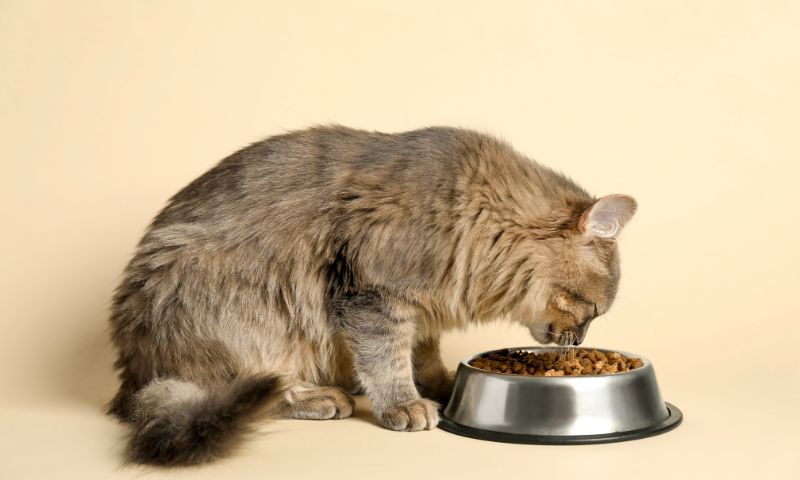
When we talk about palatability, cats deserve special attention.
Cats are obligate carnivores with very specific sensory preferences. Compared to dogs, they:
- Are more sensitive to bitter notes
- Strongly prefer animal-based proteins
- Respond well to liver and marine profiles
- Reject inconsistent flavor quickly
That’s why cat food palatability requires more precision.
A professional cat food flavor enhancer typically includes:
- Hydrolyzed chicken liver
- Fish protein digest
- Yeast extract for umami
- Controlled Maillard-reaction flavors
For cat food manufacturers, stability is also critical. If flavor changes from batch to batch, acceptance drops immediately.
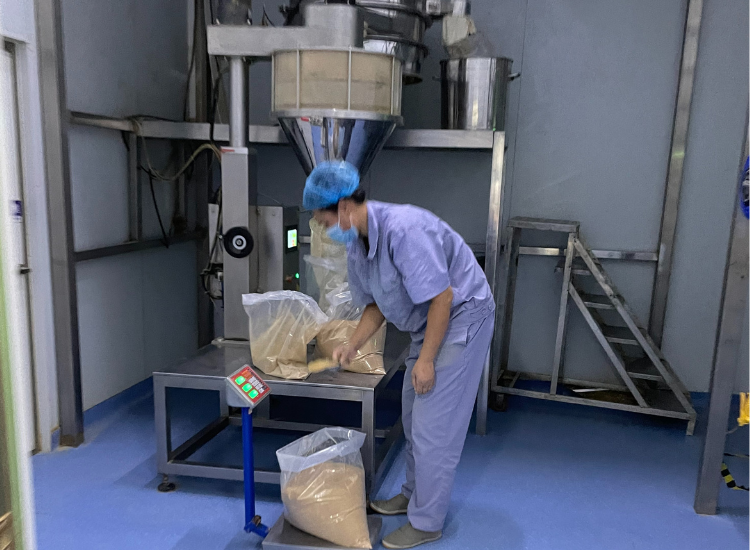
A reliable palatability enhancer supplier must provide not only flavor systems but also strict quality control and technical consistency.
What Is Driving Demand for Palatability Enhancers?
Several major forces are shaping the feed palatability enhancers market:
1. High-Protein Diets
More meat means more risk of oxidation and bitterness. Controlled hydrolysis and flavor masking systems are becoming essential.
2. Grain-Free Formulations
Removing grains changes aroma balance. Manufacturers compensate with enhanced umami-forward palatants.
3. Functional Diets
Weight control and sensitive formulas often contain lower fat. Since fat carries flavor, specialized palatants help restore eating appeal.
4. Global Export Growth
As pet food factories expand into Southeast Asia, the Middle East, and South America, consistent palatability becomes even more important. Market expectations differ, but flavor performance must remain stable.

Powder vs. Liquid Palatants: What’s the Difference?
Most pet food palatability enhancers fall into two categories.
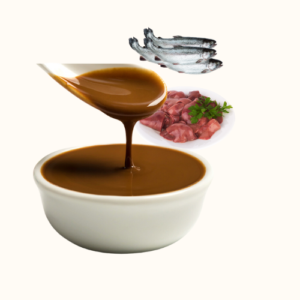
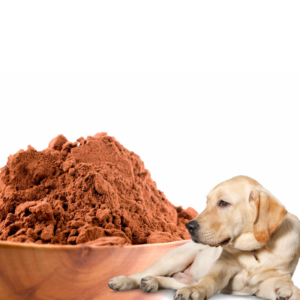
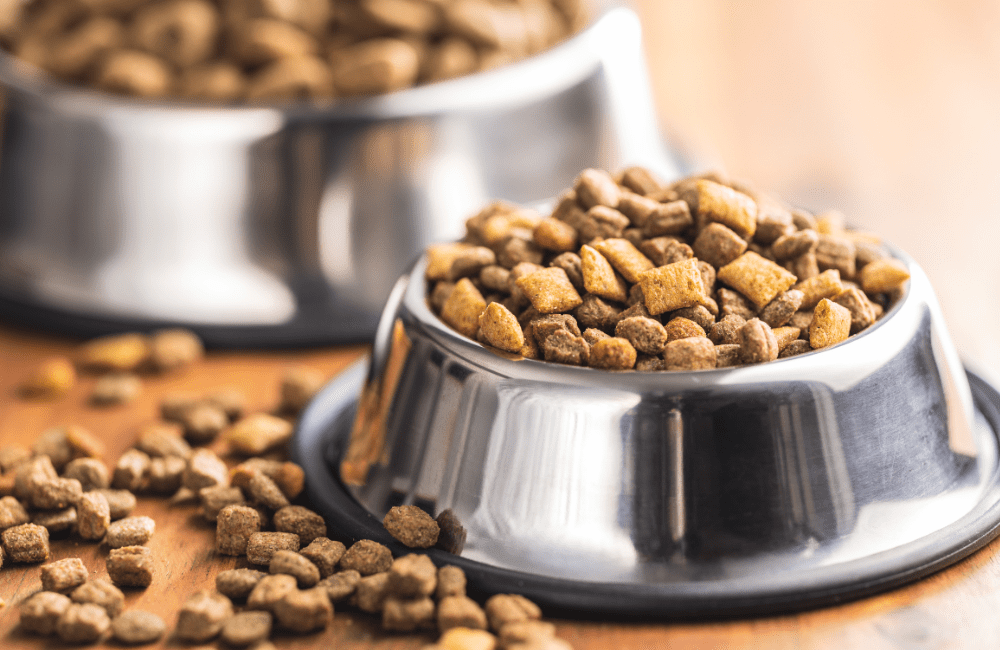
Powder Palatants
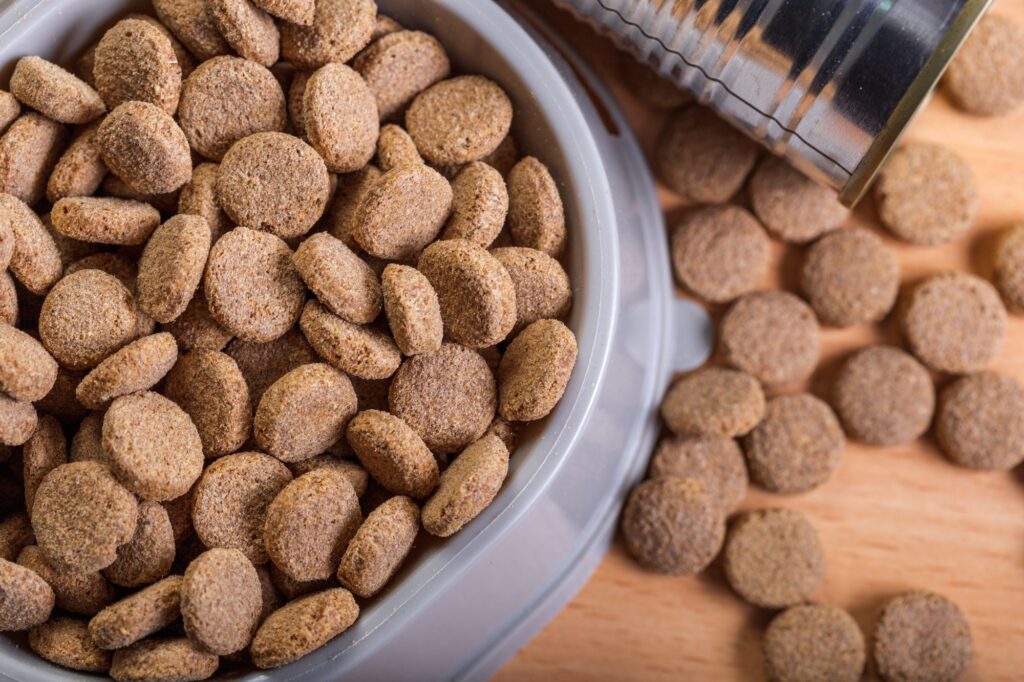
Commonly used for dry kibble and baked treats.
Advantages:
- Easy to apply
- Stable during storage
- Cost-efficient
- Flexible inclusion rates
Liquid Palatants
Applied post-extrusion with fats or oils.
Advantages:
- Strong aroma impact
- Better surface adhesion
- Higher perceived freshness
- Premium positioning
For many pet food factories, combining both systems delivers the best performance.
Feed Additives for Dogs: Similar but Not the Same
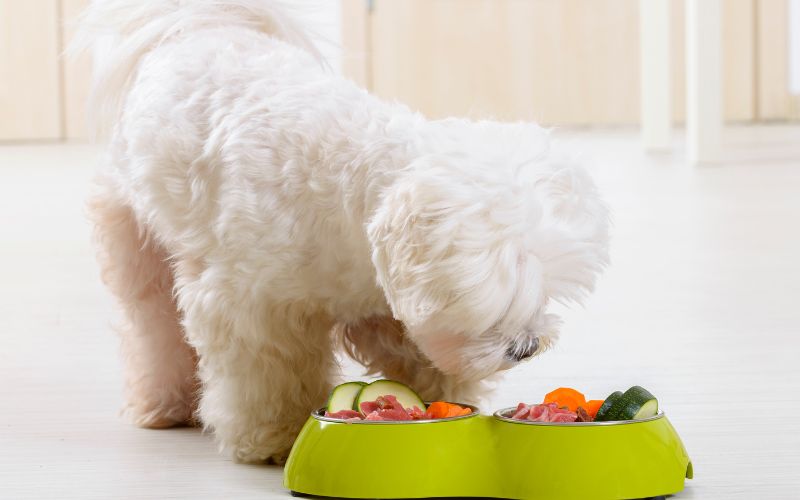
Dogs are generally less selective than cats, but that doesn’t mean palatability is simple.
Dog food trends also emphasize:
- High meat inclusion
- Limited ingredient formulas
- Premium roasted meat profiles
A well-designed cat food flavor enhancer palatability system differs from dog-focused systems in aroma intensity, amino acid balance, and flavor complexity.
Manufacturers should never use a “one flavor fits all” approach.
What Makes a Strong Palatability Enhancer Supplier?
For pet food manufacturers and wholesalers, choosing the right partner matters as much as choosing the right ingredient.
Look for a supplier who can provide:
- Controlled enzymatic hydrolysis processes
- Stable raw material sourcing
- Third-party lab testing
- Export documentation support
- Clear technical data sheets
- Feeding trial references
Palatability is not just a powder — it’s applied sensory science.
Working with a supplier that understands formulation challenges saves time, reduces trial costs, and shortens product development cycles.
Clean Label and Natural Trends
Another clear shift in the market is toward more natural solutions.
Brands increasingly prefer:
- Enzymatically hydrolyzed proteins
- Fermented flavor systems
- Yeast-derived umami ingredients
- Reduced sodium formulations
The future of the feed palatability enhancers market will focus on combining:
Performance + Transparency + Functionality
This means palatants will not only improve taste but also support nutritional positioning.
Where the Market Is Headed
Looking forward, we expect to see:
- More customized palatant systems
- Breed- or life-stage-specific flavor solutions
- Greater integration of palatability and health benefits
- Increased demand from emerging export markets
For pet food factories, this creates opportunity.
Those who invest in advanced palatability systems will achieve:
- Higher feed intake
- Stronger consumer loyalty
- Better product differentiation
- Premium pricing potential
Final Thoughts
In today’s market, nutrition gets attention — but palatability drives repeat purchase.
The feed palatability enhancers market is not growing by accident. It is expanding because manufacturers understand that acceptance equals revenue.
If you are developing dry kibble, baked treats, or functional diets, choosing the right cat food flavor enhancer or palatability enhancer for pet food is a strategic decision.
At ProfyPet, we work closely with pet food manufacturers, OEM factories, and wholesalers to deliver stable, high-performance palatability systems tailored to your formula.
Because at the end of the day, a product only succeeds if pets actually finish the bowl.