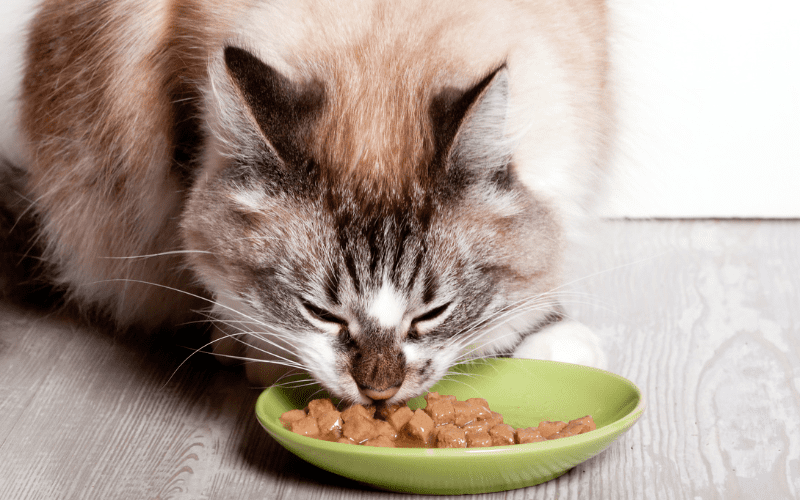
Flavor Enhancer for Cat Food
If you’ve ever worked with cat food—especially on the manufacturing side—you’ve probably run into this problem: cats can be incredibly picky eaters.
Some days they’ll eat like royalty. Other days? They sniff, stare, and walk away.
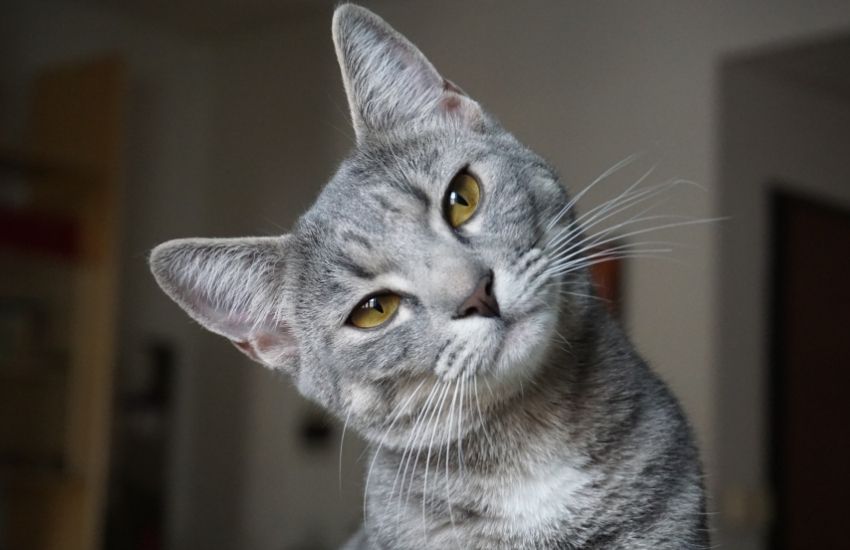
It’s not your fault. Unlike dogs, cats are wired to be choosy. They have fewer taste buds and rely far more on smell to decide whether food is worth trying. That’s why your product can have top-notch ingredients and still flop—if it doesn’t smell or taste right.
This is where flavor enhancers (also known as palatants) come in. And if you’re a pet food brand, OEM, or factory looking to improve your product line’s palatability, understanding how flavor enhancers work could be a game-changer.
So, What Exactly Is a Cat Food Flavor Enhancer?
In simple terms, a cat food flavor enhancer is an ingredient—or more often, a blend of ingredients—designed to make food more appealing to cats.
We’re not talking about artificial flavorings here. We’re talking real-deal, cat-approved stuff like:
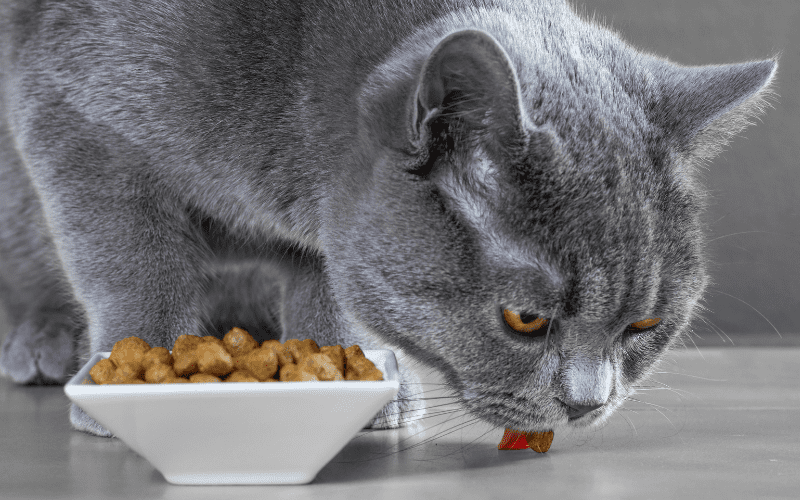
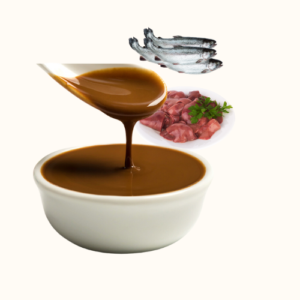
- Chicken or pork liver hydrolysates
- Fish protein from tuna, salmon, or anchovy
- Savory yeast extracts
- Animal fats for that rich, meaty aroma
- Even amino acids that boost umami flavor
At ProfyPet, we specialize in these types of palatants. We don’t just make food taste better—we help you engineer desire in every bite.
Why This Matters for Manufacturers and Wholesalers
Here’s the truth: cats don’t care how nutritionally complete the food is if it doesn’t smell or taste good. And pet owners will quickly stop buying your product if their cat isn’t eating it.
This is especially true for:
- Functional diets (like renal, weight control, or sensitive stomach formulas)
- Kibble with alternative proteins (like insect or plant-based)
- Prescription cat foods with bitter medicine blends

A good flavor enhancer can:
- ✅ Increase food intake
- ✅ Reduce food waste and returns
- ✅ Improve outcomes in feeding trials
- ✅ Keep your customers (and their cats) loyal
One recent industry report noted that 85% of new cat food launches in the premium market now use some form of palatant.
How Cats Taste—and Smell—their Food
Let’s geek out for a second.
Cats only have about 470 taste buds—that’s peanuts compared to humans (we have over 9,000). But they have an incredible sense of smell, up to 14 times stronger than ours.
That means smell is everything.
This is why applying the right flavor enhancer in the right way makes such a huge difference. You want that first sniff to be irresistible.
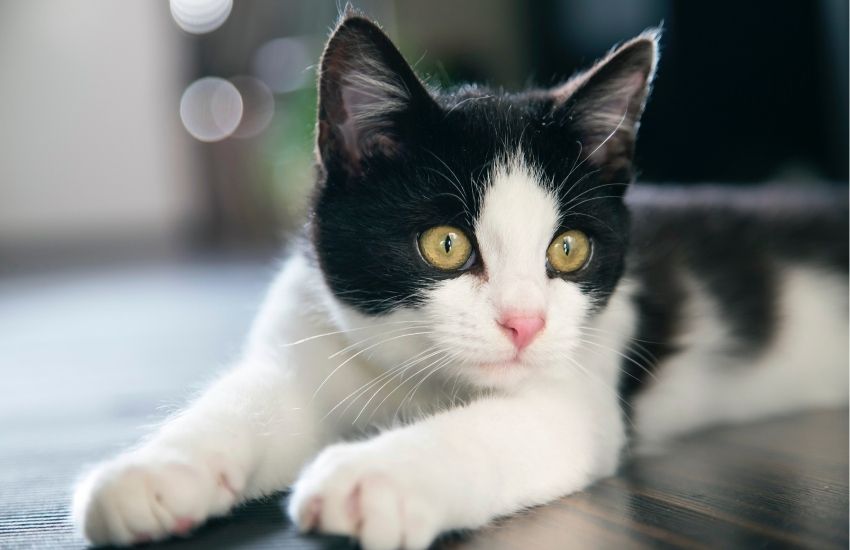
Application Matters: It’s Not Just About What You Use, But How
🥣 In Dry Food (Kibble)
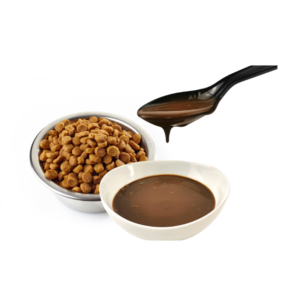
Palatants are usually sprayed on post-extrusion. Oils and powders stick to the surface and release aroma instantly when the bag is opened.
🥫 In Wet Food
We blend palatants into gravies, meat chunks, or pouches. When warmed, the aromas bloom even more—just like heating up leftovers at home.
🧊 In Freeze-Dried or Raw
Dry palatants activate with moisture. Cats pick up on subtle changes in smell even before they touch the food.
At ProfyPet, we help our partners fine-tune not just the formula, but also the application process to make sure the flavor enhancer actually does its job.
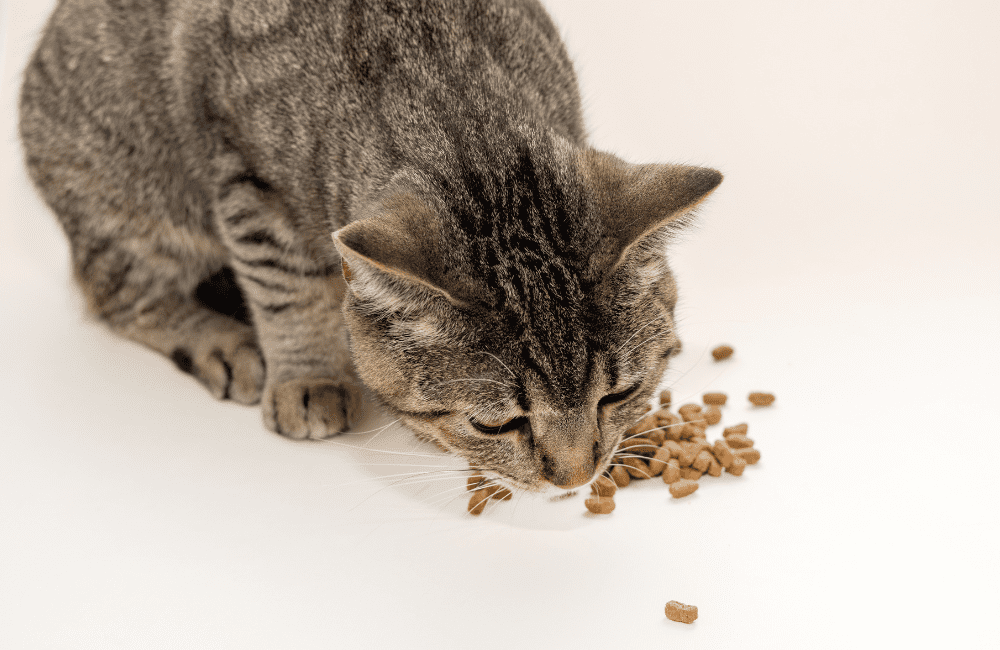
What Kind of Palatants Work Best for Cats?
Here are some crowd favorites:
| Ingredient | Why Cats Love It |
|---|---|
| Liver Hydrolysates | Deep meaty umami flavor |
| Fish Extracts | Especially tuna and anchovy—high aroma release |
| Yeast Extracts | Cheesy, roasted notes with B-vitamin boost |
| Chicken Fat | Warm, rich mouthfeel and aroma |
| Hydrolyzed Amino Acids | Boosts savory perception and nutritional value |
Want to go natural? Want to mask bitter ingredients? Want something that dissolves in gravy? We help manufacturers like you customize every detail.
When Palatants Save the Day: A Real-World Example
One of our clients was launching a renal-support cat food. Great nutrition, but cats wouldn’t touch it.
The issue? The food had a medical smell and low protein—totally off-putting for most cats.
We created a custom palatant blend using chicken liver hydrolysate and odor-masking agents.
The result:
- Palatability acceptance rose from 43% to 89% in trials.
- Customer complaints dropped.
- Repeat orders increased in just 60 days.
That’s the power of a well-engineered flavor enhancer.

Quality, Safety, and Global Standards
If you’re in B2B pet food manufacturing, you know the importance of compliance. Our palatants at ProfyPet are:
- ✅ AAFCO and FEDIAF-compliant
- ✅ Free from artificial preservatives
- ✅ SGS and Intertek tested
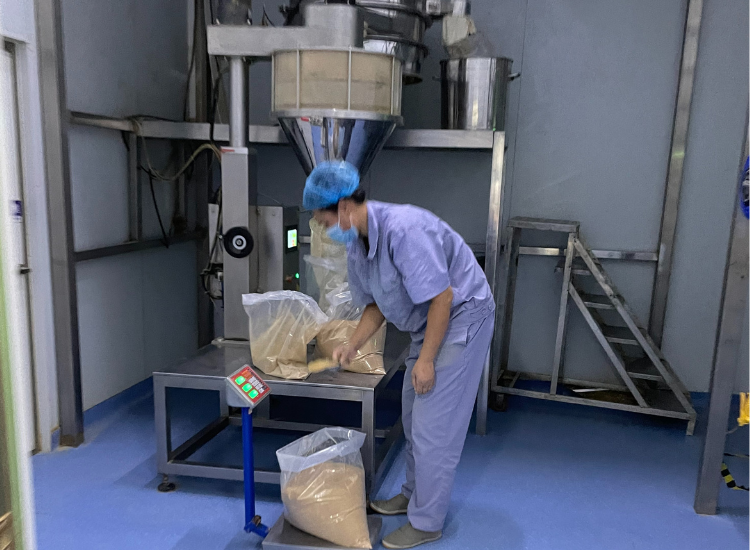
- ✅ Made in ISO22000 and HACCP-certified facilities
We’re not just making food tastier—we’re keeping your brand trusted.
Final Thoughts: Palatability = Performance
In today’s pet food market, you can’t afford to guess. You need products that perform—and that means food cats actually want to eat.
If you’re developing a new line, struggling with acceptance issues, or just looking to upgrade your formulas, we’re here to help.
Let’s make your cat food irresistible.
👉 Visit us at www.profypet.com
We’ll help you find the flavor solution that makes your product stand out—and sell through.