Flavor Enhancer for Dry Dog Food
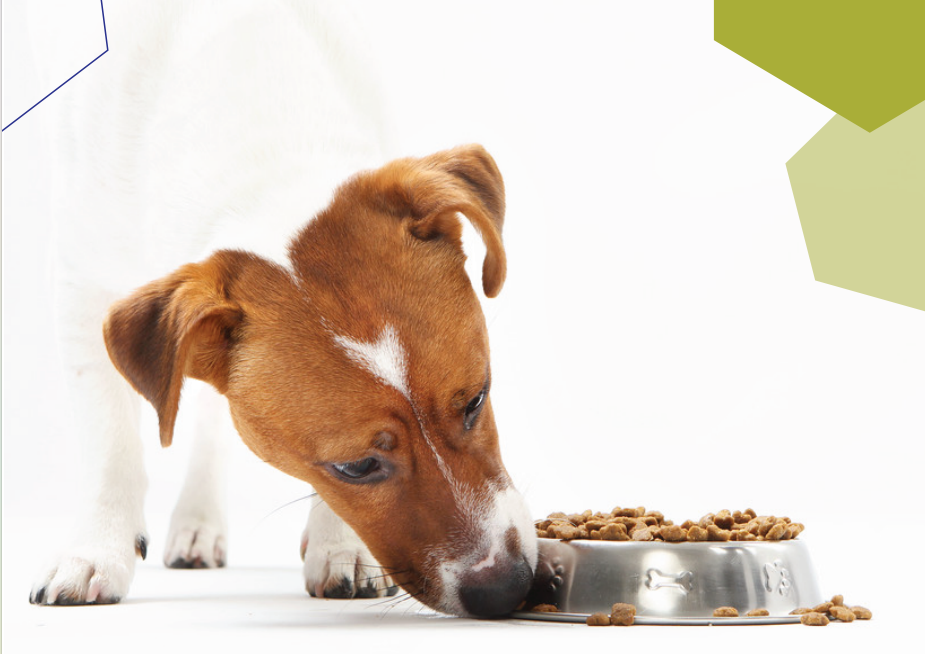
In today’s highly competitive pet food market, palatability is no longer optional—it is a decisive factor that determines repeat purchase, brand loyalty, and overall product performance. For dry dog food manufacturers, flavor enhancers (also known as pet food palatants) play a critical role in ensuring dogs willingly consume nutritionally balanced formulas.
This article provides a practical, industry-focused overview of flavor enhancers for dry dog food, while also addressing closely related topics such as cat food palatability, cat food flavor enhancers, and the broader application of palatability enhancers for pet food. The goal is to support pet food manufacturers, factories, and palatant wholesalers in making informed formulation decisions.
What Is a Flavor Enhancer for Dry Dog Food?
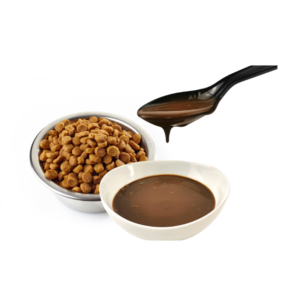
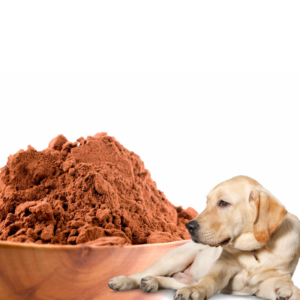
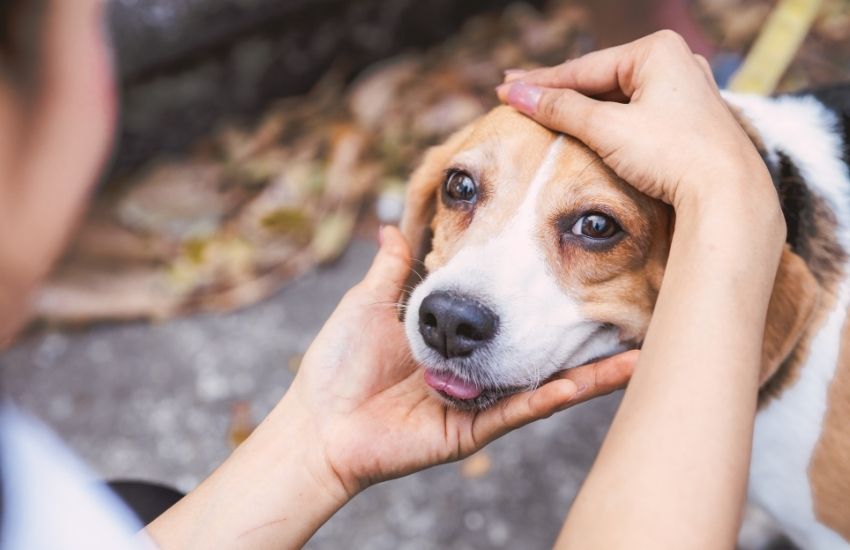
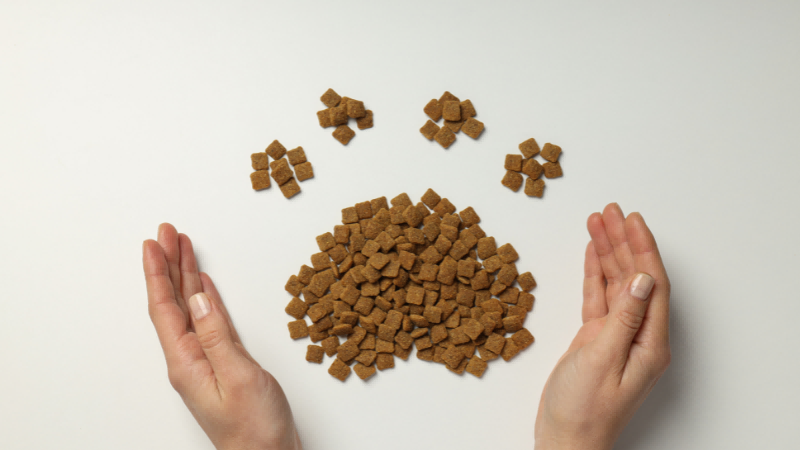
A flavor enhancer for dry dog food is a functional feed additive designed to improve aroma, taste, and overall acceptance of kibble. These enhancers are typically applied during post-extrusion coating or integrated into the formula to stimulate a dog’s natural feeding instincts.
Common objectives include:
- Increasing voluntary feed intake
- Masking undesirable base ingredients
- Enhancing aroma release upon bowl presentation
- Supporting consistency across production batches
In industrial production, these enhancers are part of a broader category of pet food ingredients and feed additives for dogs, working alongside fats, functional nutrients, and texturizers.
Why Palatability Matters in Dry Dog Food Formulation
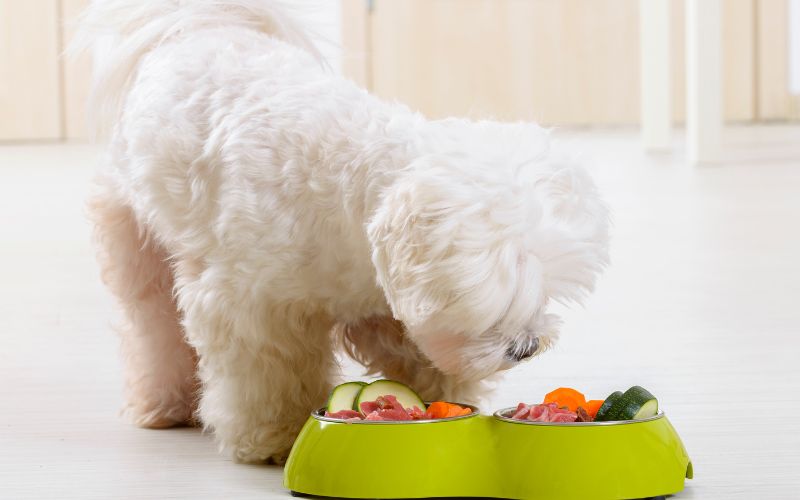
Dogs rely heavily on smell, followed by taste and mouthfeel. Even the most nutritionally advanced kibble will fail commercially if dogs refuse to eat it.
Key drivers behind the growing demand for palatability enhancers include:
- Higher inclusion of plant proteins and functional ingredients
- Reduced use of artificial attractants
- Demand for cost-efficient formulations without sacrificing acceptance
- Expansion into new export markets with varying canine taste preferences
As a result, manufacturers increasingly rely on professional palatability enhancer suppliers to optimize feeding performance.
Types of Palatability Enhancers Used in Dry Dog Food
1. Powder Flavor Enhancers
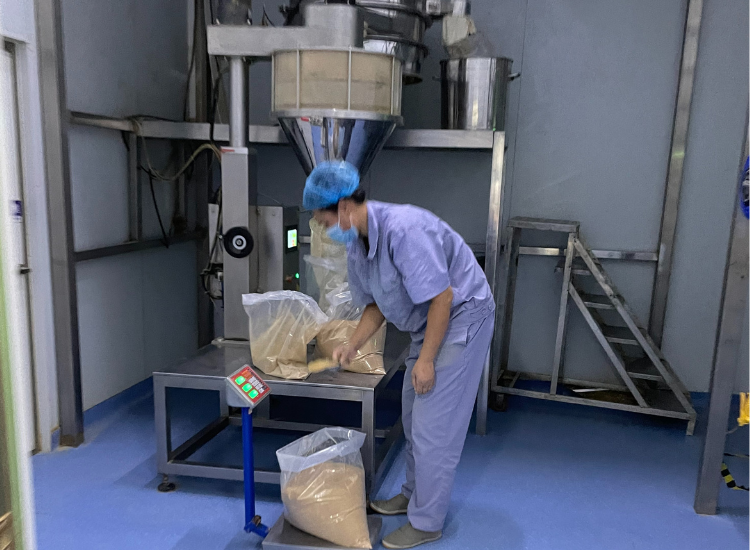
Powder palatants are widely used due to their stability and ease of handling. They are typically applied via dry coating or blended with fats.
Advantages:
- Uniform flavor distribution
- Long shelf life
- Cost-effective for large-scale production
2. Liquid Flavor Enhancers
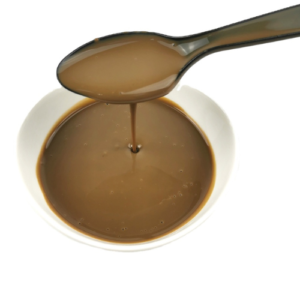
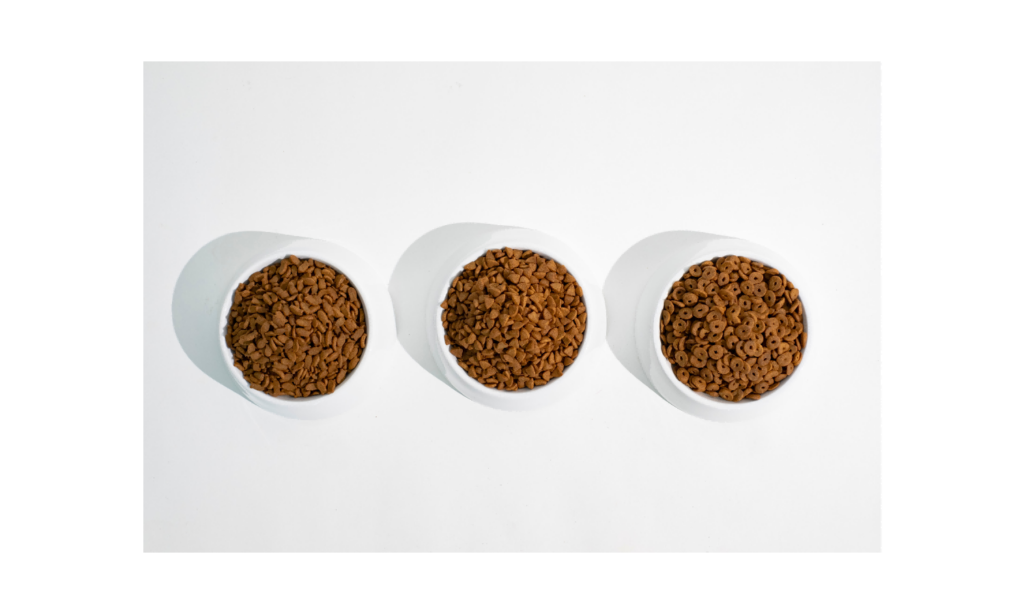
Liquid palatants are often sprayed onto kibble surfaces after extrusion, delivering immediate aroma release.
Advantages:
- Strong aroma impact
- High acceptance in picky eaters
- Flexible dosage control
3. Protein-Based Palatants
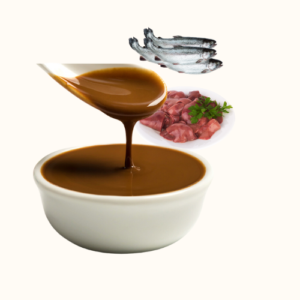
Derived from hydrolyzed poultry, liver, or fish proteins, these enhancers provide natural umami notes.
Advantages:
- Clean-label positioning
- Nutritional contribution
- High palatability performance
Feed Additives for Dogs: Beyond Flavor Alone
Flavor enhancers are part of a broader feed additive system in dry dog food. When properly formulated, they work synergistically with:
- Fats and oils (for aroma retention)
- Digestibility enhancers
- Functional ingredients such as probiotics or joint-support compounds
This integrated approach ensures that palatability enhancement does not compromise nutritional goals.
Cat Food Palatability: Why It Still Matters to Dog Food Manufacturers
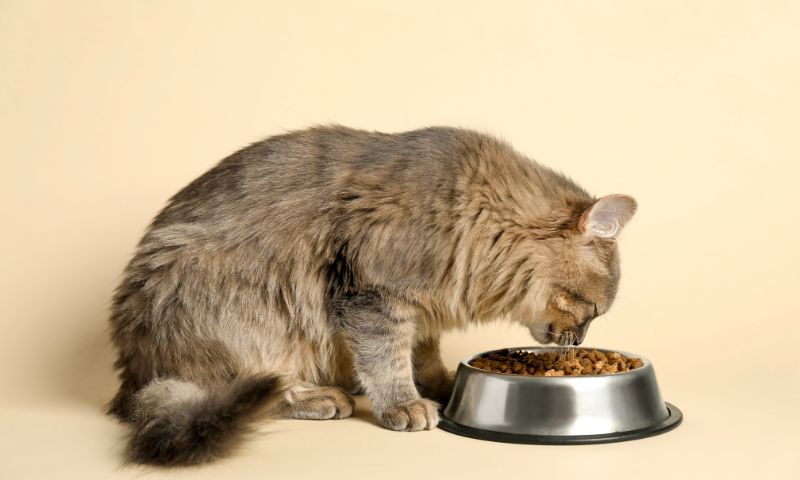
Although this article focuses on dry dog food, many manufacturers also produce cat food—or plan to expand into feline products. Understanding cat food palatability and cat food flavor enhancers is strategically important.
Cats are generally more selective than dogs, requiring:
- Stronger aroma profiles
- Higher reliance on animal-protein-based flavor systems
- More precise palatability enhancer dosage
For factories serving both markets, working with a cat food flavor enhancer palatability enhancer supplier allows for shared R&D resources, consistent quality standards, and optimized procurement.
Choosing the Right Palatability Enhancer Supplier
Selecting a reliable palatability enhancer for pet food supplier is a critical decision for long-term success. Key evaluation criteria include:
- Experience with dry dog and cat food formulations
- Ability to offer powder and liquid systems
- Compliance with international feed safety standards
- Customization capability for target markets
- Technical support and feeding trial data
A professional supplier should act as a technical partner, not just a raw material vendor.
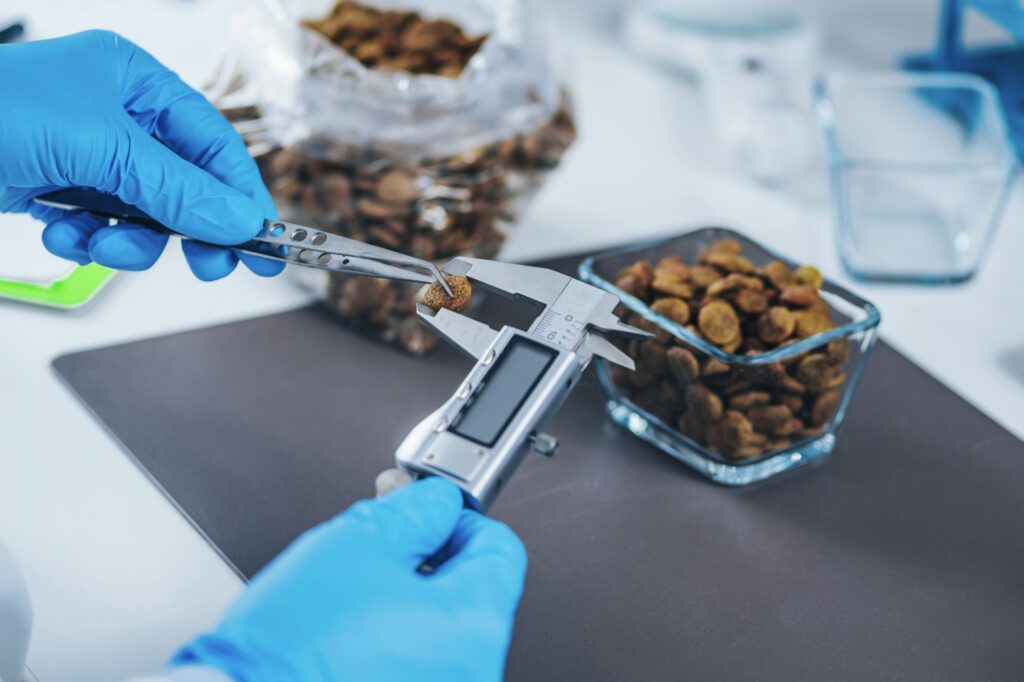
Application Methods in Dry Dog Food Production
Common application stages include:
- Post-extrusion spraying – liquid palatants applied with fats
- Drum coating – powder enhancers distributed evenly
- Hybrid systems – combining liquid aroma with powder flavor depth
Correct application ensures flavor stability throughout storage and transportation.
Market Trends Driving Demand for Flavor Enhancers
Several trends are accelerating global demand for pet food palatants:
- Premiumization of dry dog food
- Growth of private label and OEM production
- Expansion into emerging markets with varied taste expectations
- Increased focus on feeding acceptance and reduced food waste
For pet food factories, investing in effective palatability enhancers is now a strategic necessity rather than a formulation upgrade.
Final Thoughts
Flavor enhancers for dry dog food are essential tools for improving palatability, ensuring consistent intake, and supporting product success in competitive markets. When combined with high-quality pet food ingredients and professional formulation support, they help manufacturers deliver kibble that dogs enjoy—and owners trust.
For businesses seeking a reliable pet food palatant wholesaler or palatability enhancer supplier with experience across both dog and cat food applications, partnering with a technically capable manufacturer is the key to sustainable growth.