Flavoring for Cat Kibble
When it comes to creating high-quality dry cat food, nutritional value alone isn’t enough. Cats, known for their discerning palates and picky eating behaviors, are less likely to eat food that doesn’t smell or taste appealing—even if it’s packed with nutrients. That’s where flavoring for cat kibble, also called palatants, plays a vital role.
In this article, we’ll explore how flavorings are used to improve cat kibble, the science behind feline taste preferences, and what manufacturers should consider when selecting the right flavor systems to meet both pet and pet owner expectations.
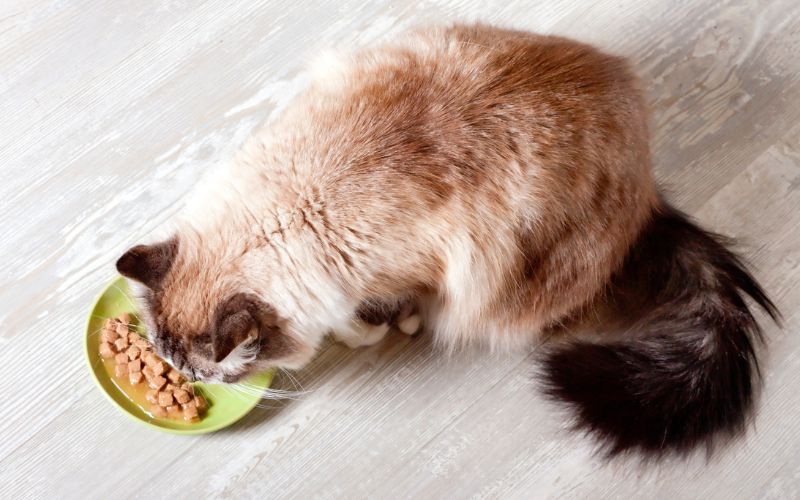
Why Flavoring Matters in Cat Kibble
Unlike dogs, cats are obligate carnivores with highly specialized dietary needs. Their natural diet consists primarily of meat, and their taste receptors are tuned accordingly. This means that dry kibble, unless carefully formulated, may not naturally appeal to their sense of taste or smell.
Flavor enhancers help solve this problem in several ways:
- Increase palatability: The more flavorful the kibble, the more likely a cat is to eat it consistently.
- Ensure nutrient intake: Better taste means fewer skipped meals, supporting proper nutrition and overall health.
- Boost product loyalty: Cats that enjoy the flavor are more likely to stick to a specific brand, building trust with pet owners.
For B2B buyers—pet food brands, private label partners, and factories—selecting the right flavoring system can make or break product performance in a competitive retail market.
Understanding the Cat’s Taste and Smell Preferences
To create effective flavoring for cat kibble, it’s important to understand feline sensory biology:
- Taste: Cats have about 470 taste buds (compared to humans’ 9,000), but they lack the receptor for sweetness. They are highly responsive to amino acids and umami flavors, which are often found in meat-based ingredients.
- Smell: Cats have an exceptional sense of smell—14 times more sensitive than that of humans. Aroma is often more important than taste when it comes to kibble acceptance.
- Texture: While not a flavor per se, the texture of kibble affects mouthfeel and enjoyment. Flavor systems often work in tandem with texture to optimize palatability.
Because cats rely heavily on olfactory cues to assess food, aromatic flavorings and coatings are critical in the kibble formulation process.
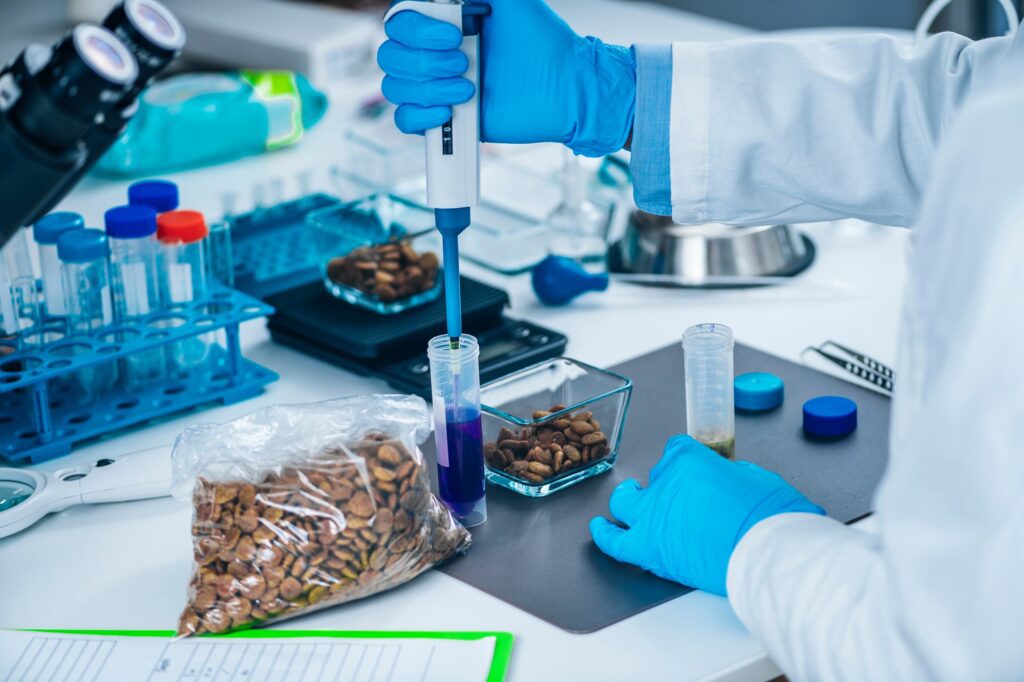
Types of Flavoring Used in Cat Kibble
Flavoring systems for cat kibble typically come in one or more of the following formats:
1. Hydrolyzed Animal Proteins
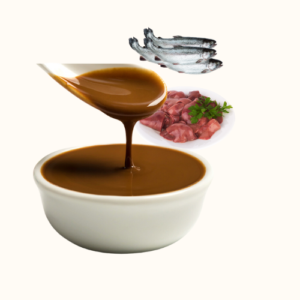
Hydrolysis breaks down animal proteins (e.g., chicken liver, fish, pork) into smaller peptides and amino acids, releasing natural meaty aromas that cats find irresistible. These hydrolyzed proteins are often used as base palatants.
- Common sources: hydrolyzed chicken liver, fish protein hydrolysate, pork digest
- Benefits: high digestibility, natural umami flavor, enhanced aroma
2. Spray-Dried Animal Digests
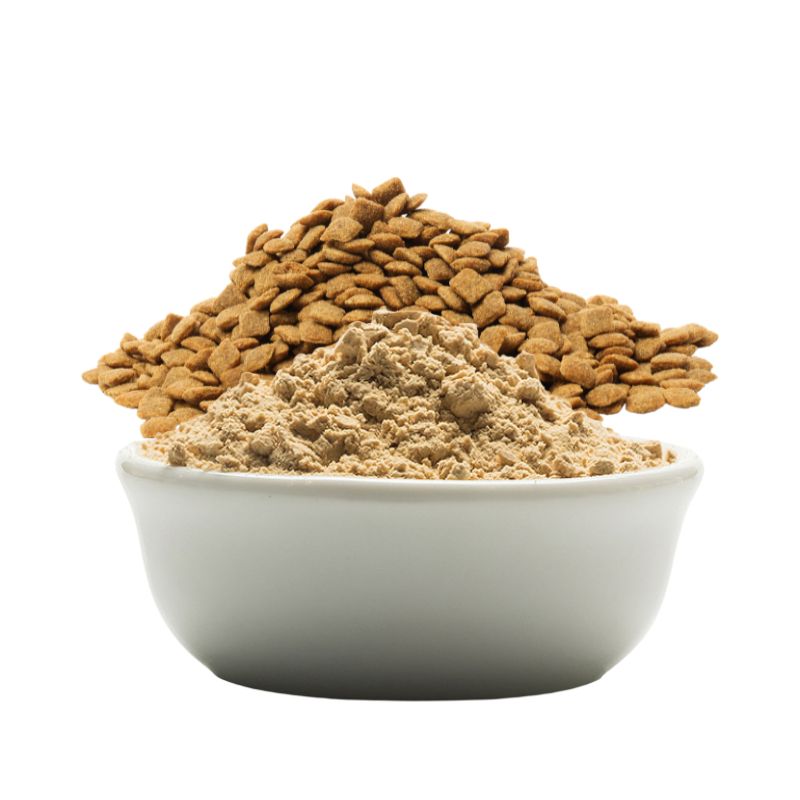
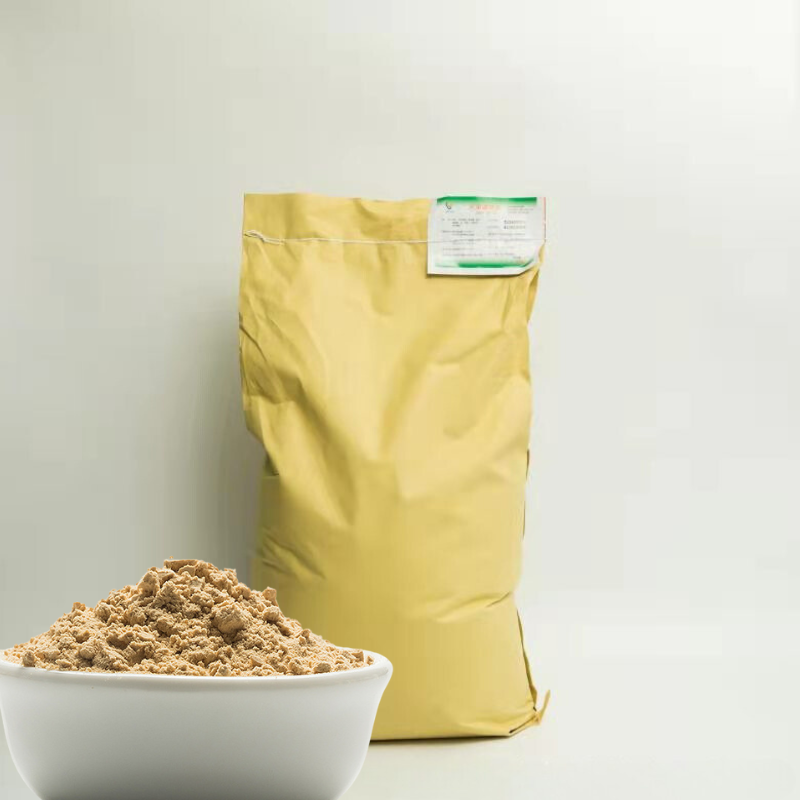
These are enzymatically processed animal tissues that are dried into powder form and used as flavor coatings. They provide concentrated flavor, are shelf-stable, and can be tailored to specific taste profiles.
- Common forms: spray-dried chicken digest, tuna meal, liver powder
- Application: surface-coated on kibble post-extrusion
3. Fat-Based Coatings
Animal fats like chicken fat or fish oil are often used as carriers for powdered flavors. These fats not only contribute flavor but also help powders adhere to kibble more effectively.
- Example: chicken fat with hydrolyzed liver powder
- Added benefits: enhanced aroma, caloric boost, fatty acid enrichment
4. Yeast Extracts
Nutritional yeast or hydrolyzed yeast extract is rich in glutamic acid, which provides a savory umami flavor. It’s often used in vegetarian formulations or as a flavor booster.
- Vegan option, useful in limited-ingredient diets
- Also acts as a natural source of B vitamins
5. Natural Flavors and Aroma Enhancers
These are specially formulated to mimic the aroma of roasted meat, fish, or poultry. They are used in small amounts to fine-tune the final flavor profile.

How Flavorings Are Applied
In most commercial kibble production, flavorings are added after the extrusion and drying process. This allows for better preservation of the flavor compounds, which can degrade under high heat and pressure.
Here’s how the process works:
- Kibble is cooked and dried.
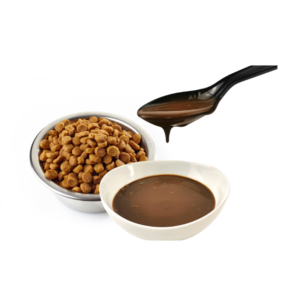
- A fat coating (like chicken fat or fish oil) is sprayed onto the kibble.
- Powdered palatants are applied on top of the fat layer.
- The kibble is tumbled to ensure even distribution and coating.
This two-step coating method ensures that both aroma and taste are locked in—maximizing palatability.
Trends in Cat Kibble Flavoring (2025 and Beyond)
As the global pet food market becomes more competitive and premium-focused, flavoring innovation is also evolving. Here are some rising trends:
✔️ Clean Label Flavorings
More brands are requesting natural, recognizable ingredients—no artificial preservatives or colors. Clean-label palatants are gaining traction among discerning consumers.
✔️ Functional Flavor Systems
Flavorings that double as functional ingredients (e.g., with added probiotics, omega-3s, or antioxidants) are increasingly popular, supporting both taste and health.
✔️ Customized Regional Preferences
Cats in different regions have varying flavor preferences. For example, tuna is favored in Asian markets, while chicken and beef dominate in North America. Manufacturers are increasingly customizing palatants based on regional taste data.
✔️ Sustainability Focus
Sourcing from sustainable fisheries or upcycled animal by-products is becoming more important for environmentally conscious pet food brands.
Choosing the Right Flavor Partner
When selecting a palatant supplier for your cat kibble products, consider the following:
- Consistency: Are the flavor compounds stable across batches?
- Customization: Can the supplier tailor formulas to your product’s nutritional specs and regional taste preferences?
- Compliance: Are ingredients compliant with AAFCO, FEDIAF, or other regional regulatory bodies?
- Shelf Stability: Does the flavor maintain potency throughout the product’s shelf life?

At ProfyPet, we specialize in developing customized palatability enhancers for pet food brands worldwide—particularly those looking for clean-label, high-performance flavor systems.
Conclusion
In the world of cat kibble, flavor isn’t just a nice-to-have—it’s a non-negotiable. Without the right flavoring system, even the most nutritious kibble may go untouched. For manufacturers, investing in effective flavor solutions isn’t just about pleasing picky cats—it’s about meeting the expectations of pet owners, reducing product waste, and securing repeat sales.
As feline food preferences evolve and market demands shift toward health, sustainability, and personalization, the future of cat kibble flavoring looks rich with innovation—and opportunity.