Palatability
Pet owners often assume pets refuse food because they are picky.
But inside the pet food industry, manufacturers know something different:
Palatability drives everything.
A nutritionally balanced pet food means nothing if dogs or cats refuse to eat it.
That is why some pet foods succeed instantly while others fail after launch.
And in 2027, improving pet food palatability has become even more important.
Modern consumers now expect:
- Better ingredient quality
- Higher protein formulas
- Functional nutrition
- Cleaner labels
- Reduced artificial additives
- Premium pet food experiences
At the same time, manufacturers face increasing challenges:
- Grain-free formulations
- Alternative proteins
- Lower salt targets
- Cost pressure
- Ingredient instability
- Sensitive pet digestion
This is where pet food palatants become critical.
Today’s pet food palatability systems are no longer simple flavor powders.
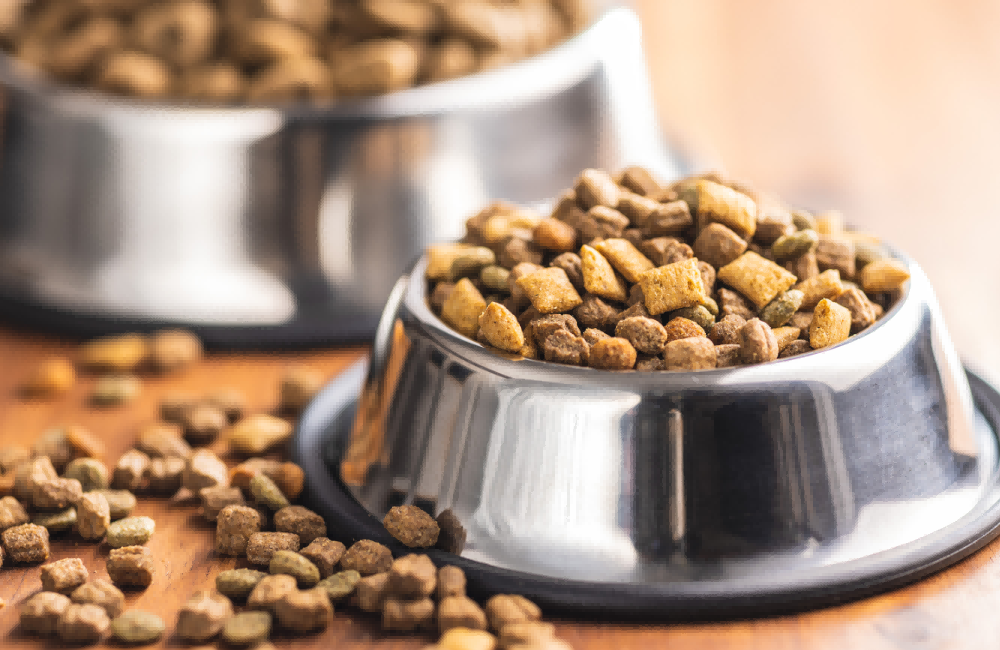
Modern palatants combine:
- Hydrolyzed proteins
- Digest technology
- Aroma optimization
- Surface coating systems
- Species-specific preference testing
- Functional ingredient masking
For pet food manufacturers, retailers, and OEM brands, understanding modern palatability technology is becoming essential for long-term product success.
Website: https://profypet.com/
What Are Pet Food Palatants?
Pet food palatants are ingredients or flavor systems designed to improve how attractive pet food tastes and smells to dogs and cats.
They are commonly used in:
- Dry dog food
- Dry cat food
- Wet pet food
- Freeze dried products
- Soft treats
- Functional pet snacks
Palatants help increase:
- Initial acceptance
- Repeat feeding behavior
- Aroma attraction
- Surface flavor intensity
- Product consistency
Without effective palatability systems, even premium pet foods can struggle in the market.
Why Palatability Matters More in 2027
Pet food formulations are becoming more complicated.
Manufacturers now use:
- Plant proteins
- Functional additives
- Fiber-rich ingredients
- Sustainable proteins
- Alternative meat sources
Many of these ingredients negatively impact taste and aroma.
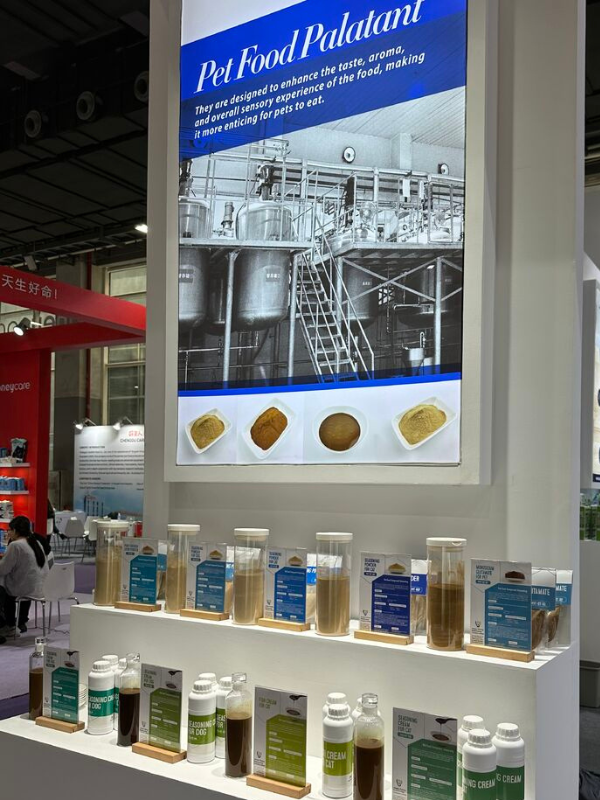
As a result, modern pet food manufacturers rely heavily on advanced pet food palatants to maintain feeding performance.
Consumer Expectations Are Rising
Pet owners increasingly compare pet food to human food.
They expect:
- Better smell
- Better ingredient quality
- Visible meat ingredients
- Natural flavor positioning
This trend is especially strong in:
- North America
- Europe
- South Korea
- Japan
- Southeast Asia premium markets
Cats Are Becoming More Difficult to Satisfy
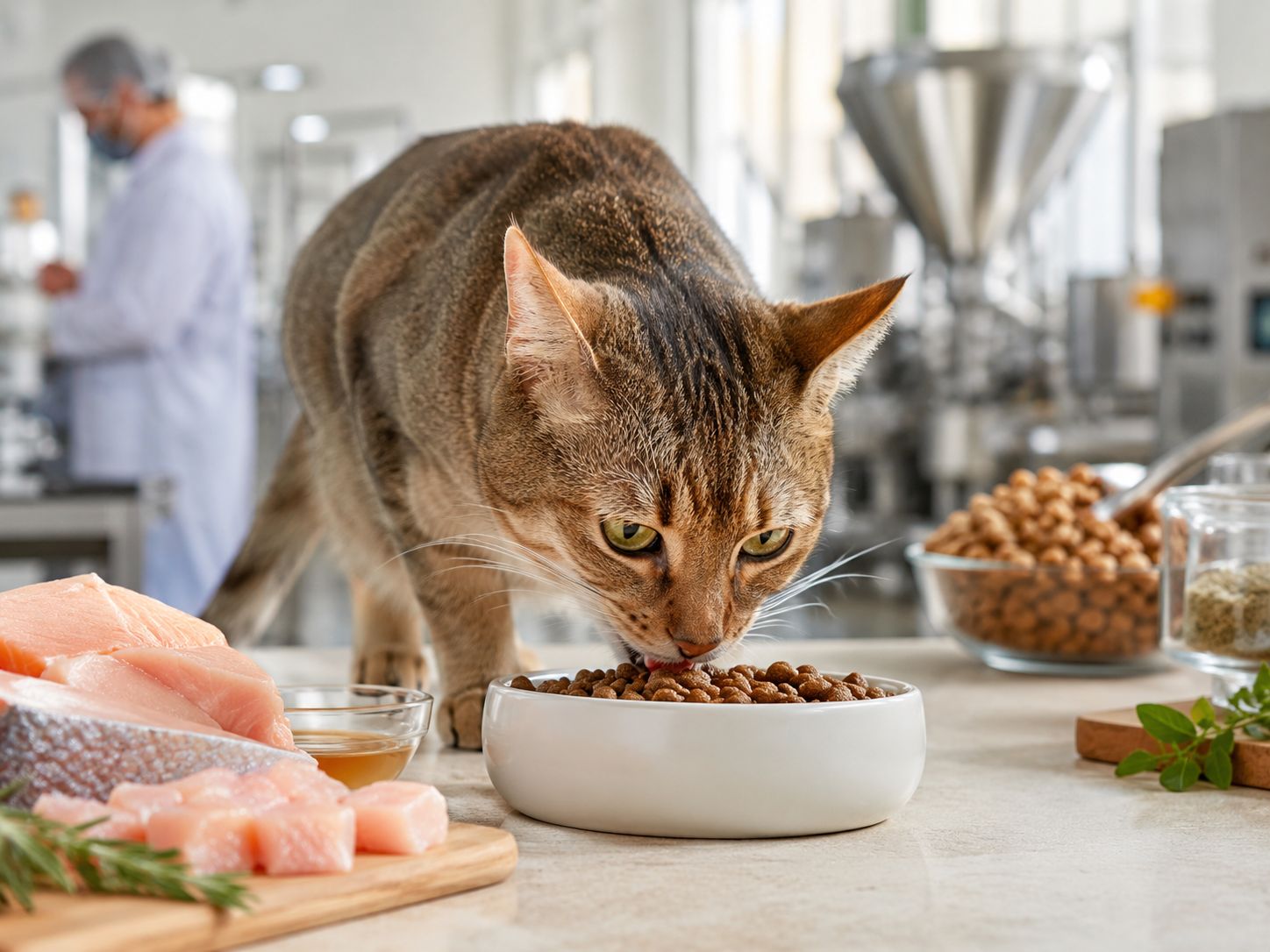
Cat food palatability remains one of the biggest challenges in the industry.
Cats are extremely sensitive to:
- Aroma
- Texture
- Protein source
- Oxidation changes
- Ingredient freshness
Even small formulation changes can dramatically reduce acceptance.
The Science Behind Pet Food Palatability
Pet food palatability involves far more than simple “taste.”
Dogs and cats evaluate food using:
- Smell
- Mouthfeel
- Texture
- Fat coating
- Protein breakdown compounds
- Moisture perception
Cats especially rely heavily on aroma.
Many feeding decisions happen before the food is even tasted.

Why Aroma Is So Important
Pets have dramatically stronger smell sensitivity than humans.
Aroma release influences:
- Food recognition
- Feeding excitement
- Appetite stimulation
- Repeat consumption
This is why surface coating systems are so important in dry pet food manufacturing.
The Most Common Types of Pet Food Palatants in 2027
1. Hydrolyzed Protein Palatants
One of the fastest-growing categories.
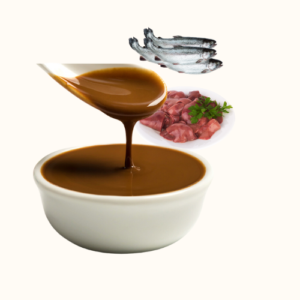
Hydrolyzed proteins are created by breaking proteins into smaller peptides and amino acids.
Common sources include:
- Chicken liver
- Poultry digest
- Fish protein
- Beef digest
Why Hydrolyzed Proteins Work
Hydrolysis releases:
- Umami compounds
- Meaty aromas
- Highly digestible peptides
These compounds improve feeding attraction significantly.
Hydrolyzed chicken liver remains one of the most widely used cat food palatability enhancers globally.
Applications
Used in:
- Dry kibble coating
- Wet food enhancement
- Freeze dried flavoring
- Functional pet treats
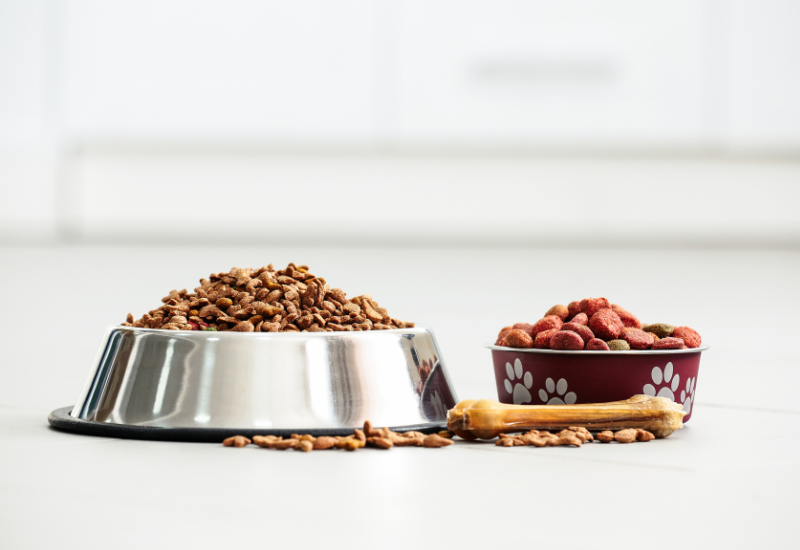
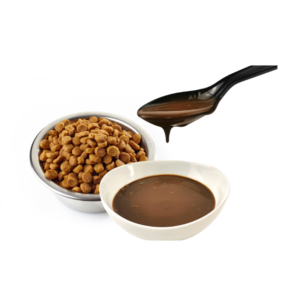
2. Liquid Palatants
Liquid palatants continue growing rapidly because they offer stronger surface adhesion and aroma release.
Advantages of Liquid Palatants
- Better coating coverage
- Strong aroma release
- Higher surface intensity
- Improved feeding response
They are especially common in:
- Premium dry dog food
- Cat food coating systems
- High-fat kibble formulas
Challenges
Manufacturers must carefully manage:
- Oxidation stability
- Pumping systems
- Uniform spraying
- Shelf life stability
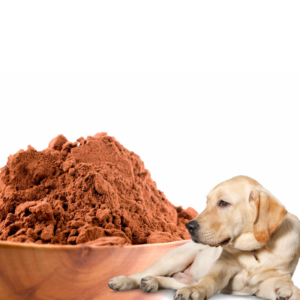
3. Dry Powder Palatants
Dry palatants remain widely used due to easier handling and lower manufacturing complexity.
Common Benefits
- Easier storage
- Lower transportation cost
- Better process compatibility
- Simpler production integration
Powder palatants are commonly combined with:
- Animal fat coating
- Oil systems
- Functional additives
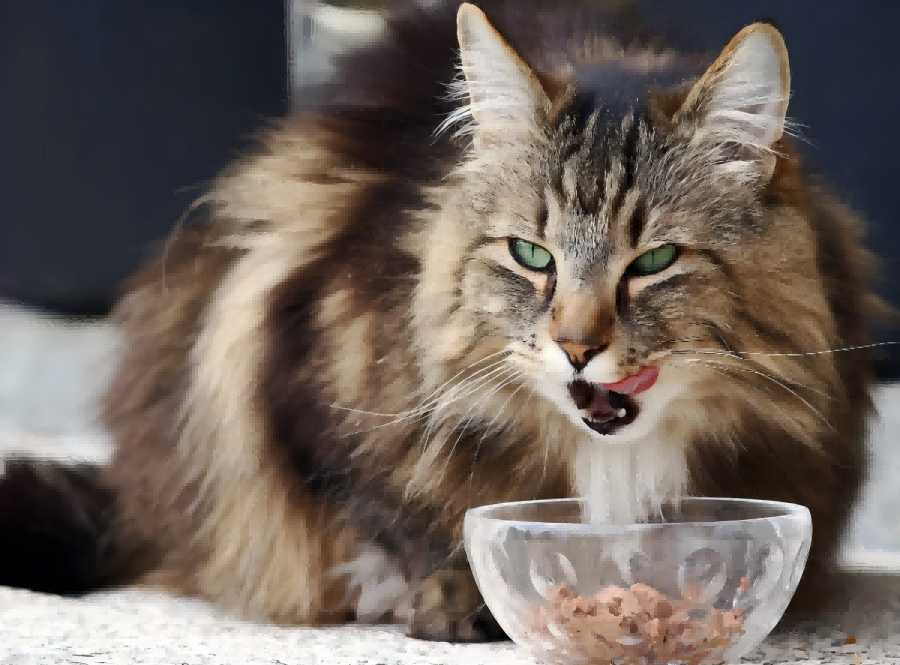
4. Cat Food Palatability Enhancers
Cats remain one of the most specialized areas of palatant development.
Cat palatants often focus heavily on:
- Liver notes
- Fish aroma
- Sulfur-containing compounds
- High-impact aroma release
Why Cat Food Is More Difficult
Cats naturally prefer:
- High animal protein
- Fresh aroma
- Specific amino acid profiles
And they often reject:
- Oxidized fats
- Excess plant ingredients
- Weak aroma systems
This is why cat food manufacturers invest heavily in palatability testing.
How Coating Systems Improve Pet Food Acceptance
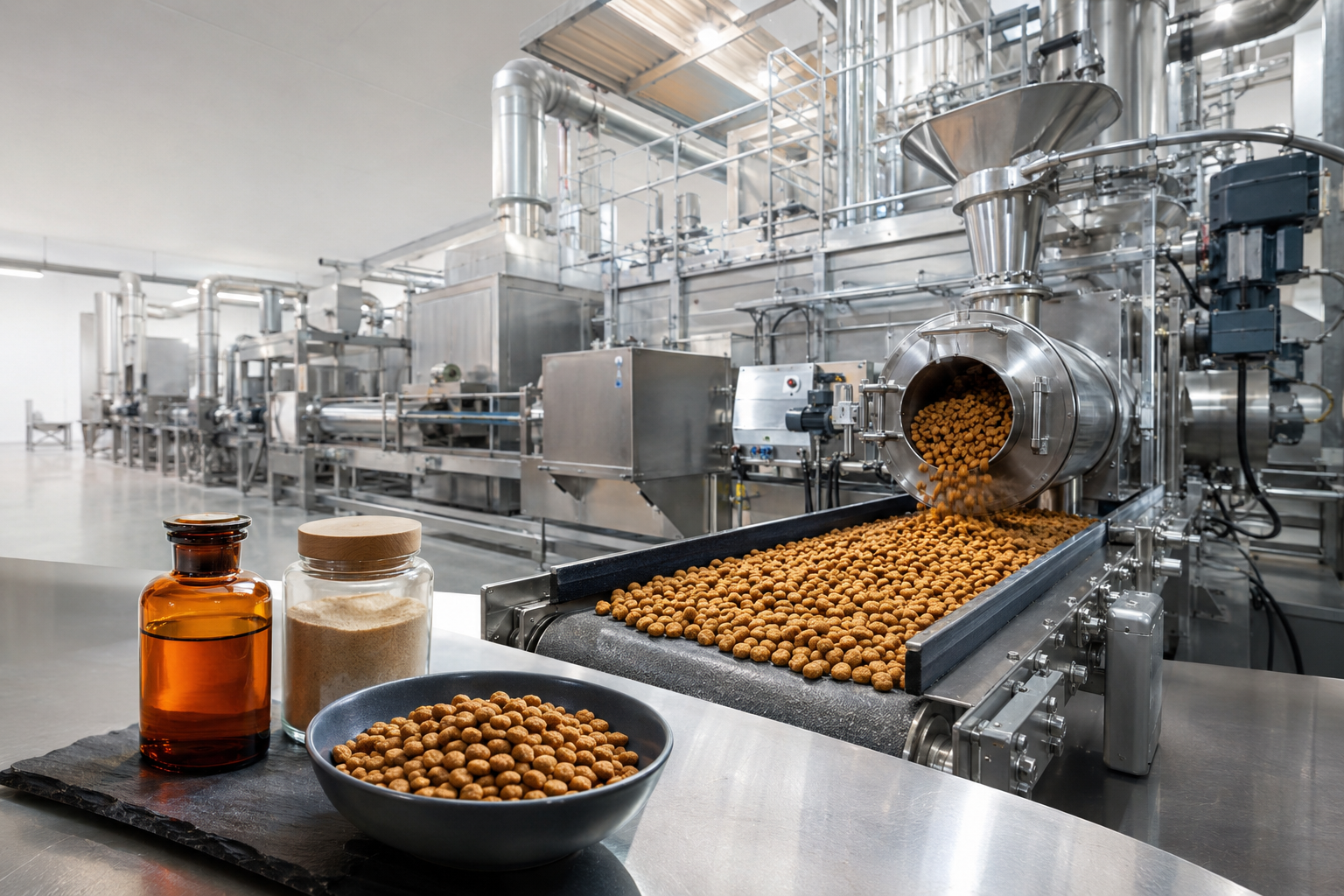
Modern dry pet food relies heavily on coating systems.
Especially premium kibble.
Typical Coating Structure
Most systems include:
- Fat application
- Liquid palatant spraying
- Powder palatant layering
- Cooling and stabilization
This process creates:
- Stronger aroma impact
- Better surface flavor
- Improved feeding excitement
Why Surface Application Matters
Pets experience the outer layer first.
Surface flavor intensity strongly impacts:
- First bite acceptance
- Aroma attraction
- Feeding enthusiasm
Even excellent internal formulas can fail if surface coating is weak.
Why Pet Food Manufacturers Use Palatants
Many consumers assume palatants are only used to “hide bad ingredients.”
But the reality is more complicated.
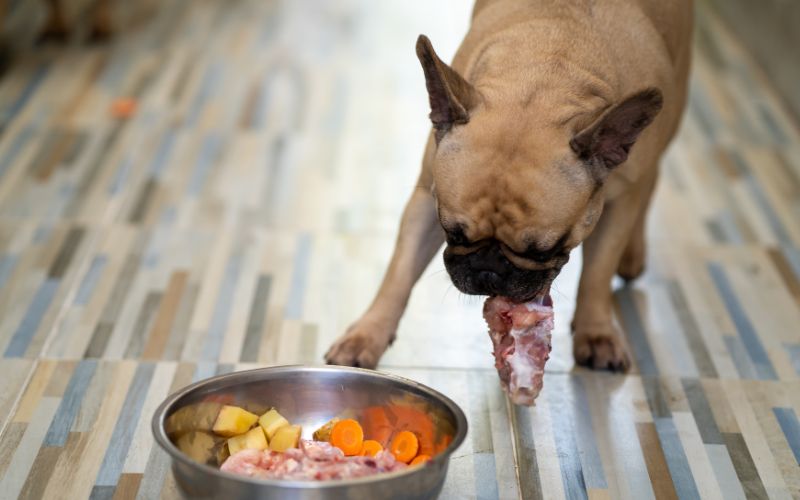
Modern pet food manufacturers use palatants for several important reasons.
1. Improve Consistency
Ingredient variation naturally occurs between batches.
Palatants help stabilize feeding performance.
2. Support Functional Formulations
Many functional ingredients reduce palatability.
Examples include:
- Joint supplements
- Fiber blends
- Probiotics
- Plant proteins
- Mineral systems
Palatants help balance these formulations.
3. Increase Feeding Acceptance
Pets often reject unfamiliar foods.
Palatants help reduce transition resistance.
4. Improve Market Competitiveness
In highly competitive retail environments, feeding response directly impacts:
- Repeat purchases
- Customer reviews
- Retail retention
- Brand loyalty
The Biggest Palatability Challenges Facing Manufacturers in 2027
Alternative Proteins
As sustainability trends grow, manufacturers increasingly use:
- Insect proteins
- Plant proteins
- Fermented ingredients
- Alternative meat sources
These ingredients often require stronger flavor systems.
Reduced Sodium Formulas
Health-focused products often reduce salt.
This can weaken flavor impact.
Humanization Trends
Consumers increasingly demand:
- Cleaner labels
- Fewer artificial additives
- Natural positioning
Manufacturers must improve palatability while maintaining “clean label” marketing.
Premiumization Pressure
Premium buyers expect:
- Better aroma
- Better feeding response
- Better texture
- Better ingredient perception
Simple low-cost flavor systems are becoming less competitive.
How Pet Food Companies Test Palatability
Modern pet food manufacturers use extensive feeding trials.
Common Testing Methods
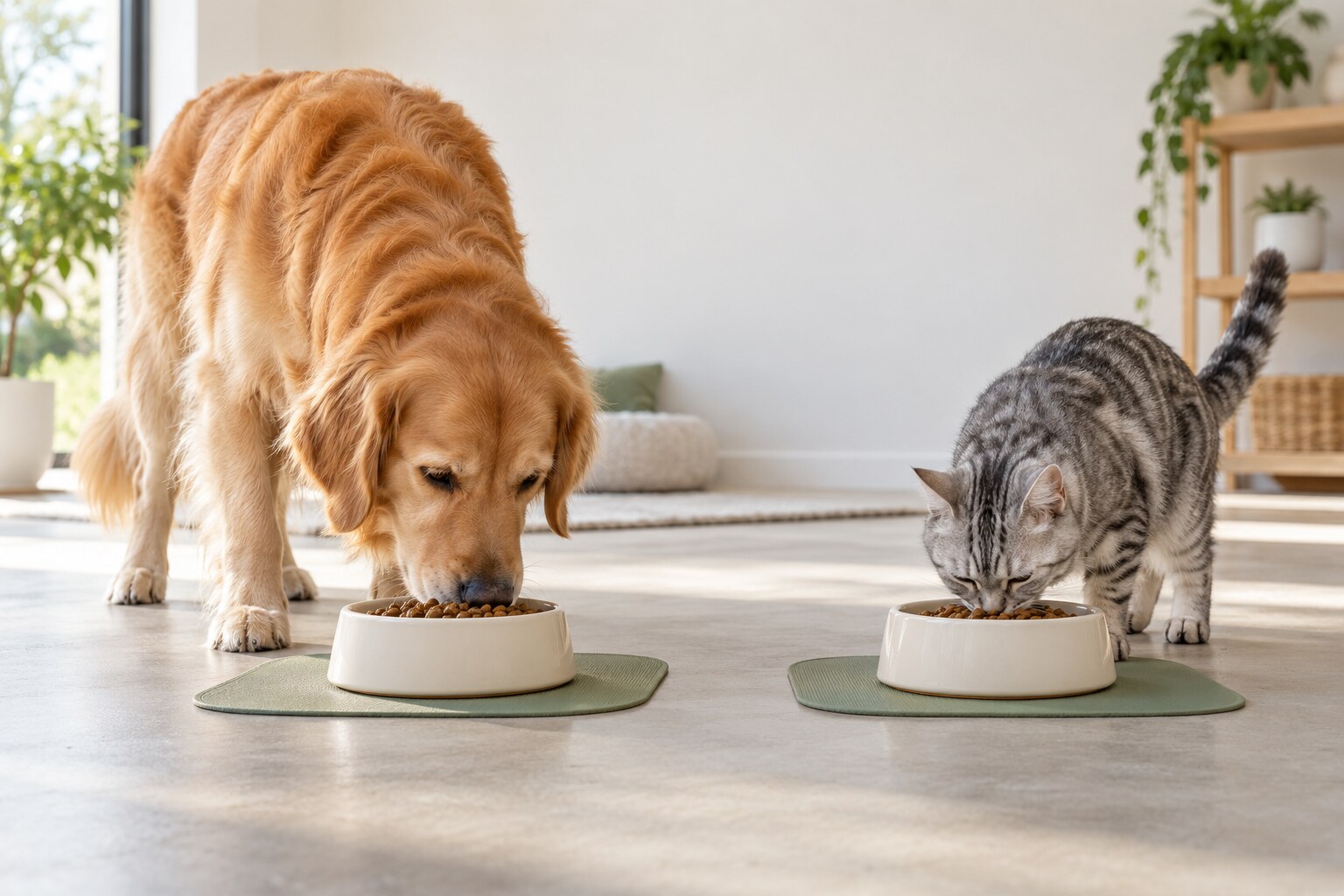
Two-Bowl Testing
Pets choose between:
- Formula A
- Formula B
Researchers measure:
- First choice
- Consumption amount
- Repeat preference
Monadic Testing
Measures acceptance of one product alone.
Useful for:
- Long-term feeding studies
- Functional formulas
- Sensitive digestion products
Why Testing Matters
Human assumptions about pet preference are often inaccurate.
Real feeding data is critical.
The Future of Pet Food Palatants
The palatant industry is changing rapidly.
Strong Trends for 2027 and Beyond
Natural Flavor Systems
Manufacturers increasingly seek:
- Clean-label palatants
- Natural hydrolysates
- Yeast-based flavor systems
- Sustainable protein solutions
Species-Specific Nutrition
Cat and dog palatants continue becoming more specialized.
Functional Palatability
Palatants increasingly combine:
- Flavor
- Digestibility
- Functional health support
Precision Coating Technology
Improved spraying systems create:
- Better coating uniformity
- Reduced waste
- Stronger aroma consistency
How to Choose a Pet Food Palatant Supplier
Not all suppliers are equal.
Manufacturers should evaluate:
Technical Expertise
Can the supplier:
- Improve feeding trials?
- Support formulation?
- Customize flavor systems?
- Solve coating problems?
Application Experience
Different products require different solutions.
Examples:
- Cat food
- Freeze dried products
- High-protein kibble
- Functional treats
Manufacturing Stability
Consistency matters heavily in palatant systems.
Regulatory Understanding
Global markets require strong compliance support.
Especially for:
- US FDA
- EU regulations
- Label requirements
- Export documentation
Why Pet Food Palatability Will Continue Driving Industry Innovation
Pet food competition continues intensifying globally.
Brands can no longer rely only on:
- Packaging
- Marketing
- Trend claims
Actual feeding performance matters more than ever.
Products that pets consistently enjoy create:
- Better retention
- Stronger reviews
- Better retail performance
- Long-term brand loyalty
This is why pet food palatants remain one of the most important technologies in modern pet food manufacturing.
Final Thoughts
Pet food palatability is no longer a secondary consideration.
In 2027, it has become a core competitive advantage.
Modern pet food manufacturers must balance:
- Nutrition
- Clean labels
- Functional ingredients
- Premium positioning
- Feeding performance
At the center of all these challenges sits palatability technology.
From hydrolyzed proteins to advanced coating systems, pet food palatants continue evolving rapidly to meet changing global consumer demands.
Manufacturers that invest in strong palatability systems will be better positioned to compete in premium pet food markets over the next decade.
If you are looking for pet food palatants, cat food palatability enhancers, poultry digest systems, or OEM flavor coating solutions, you can learn more here:
FAQs
What are pet food palatants?
Pet food palatants are flavor systems designed to improve the taste and aroma attractiveness of pet food for dogs and cats.
Why are palatants important in pet food?
Palatants improve feeding acceptance, aroma attraction, repeat feeding behavior, and product competitiveness.
What is hydrolyzed chicken liver used for?
Hydrolyzed chicken liver is widely used as a cat food palatability enhancer and dry kibble coating ingredient.
What is the difference between liquid and powder palatants?
Liquid palatants provide stronger aroma release and coating coverage, while powder palatants offer easier handling and lower production complexity.
Why do cats reject some foods?
Cats are highly sensitive to aroma, oxidation, protein source, and texture changes, making cat food palatability especially challenging.
How do manufacturers test pet food palatability?
Manufacturers commonly use two-bowl preference testing and feeding acceptance studies to measure pet food performance.