How to Improve Pet Food Palatability
Pet food can be perfectly balanced on paper and still fail in the bowl. That is the central truth of palatability: if a dog or cat will not eat a product willingly and consistently, the formula is not doing its full job. In pet food, palatability is usually understood as a food’s acceptance or preference, and it is commonly assessed through single-bowl acceptance tests and two-bowl preference tests. More recent reviews also emphasize that palatability is not just “taste,” but a multisensory experience shaped by aroma, texture, appearance, temperature, and even the animal’s behavior while eating.
Start with the species, not your own assumptions
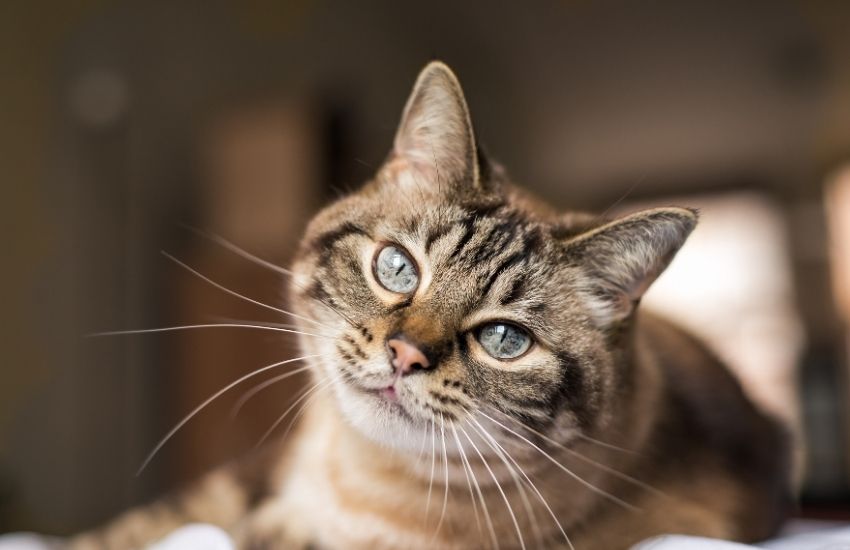
A common mistake in formulation is assuming pets like food the way humans do. They do not. Cats, for example, lack a functional sweet taste receptor, which helps explain why sweetness is not a reliable path to improving feline palatability. In cats, odor plays an especially important role in first choice, while taste, mouthfeel, and texture matter more for long-term acceptance. Research reviews also note that cats often respond better to foods higher in protein and fat, especially when animal-derived proteins are used.
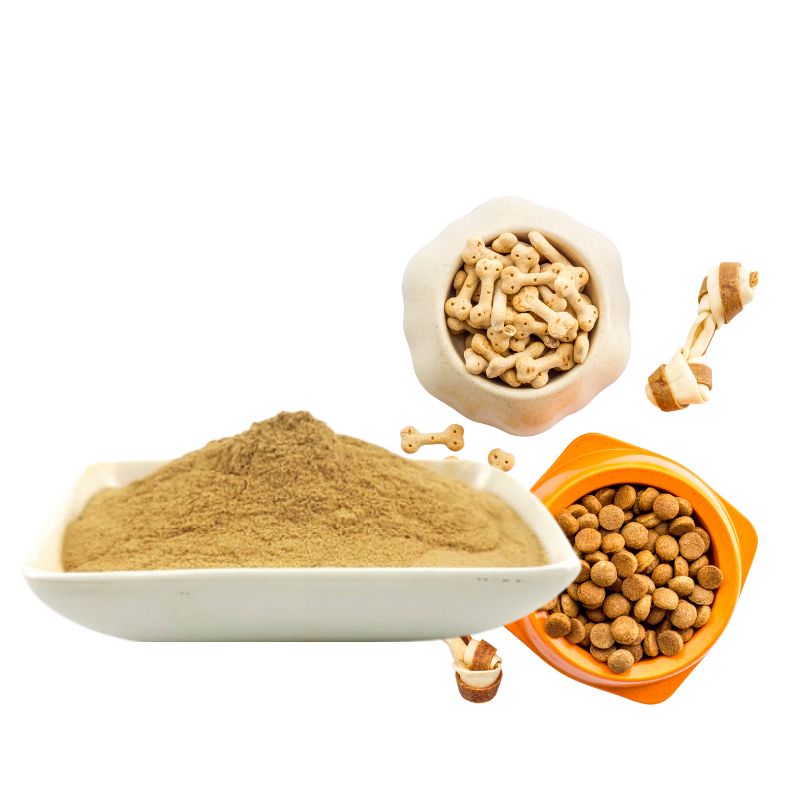
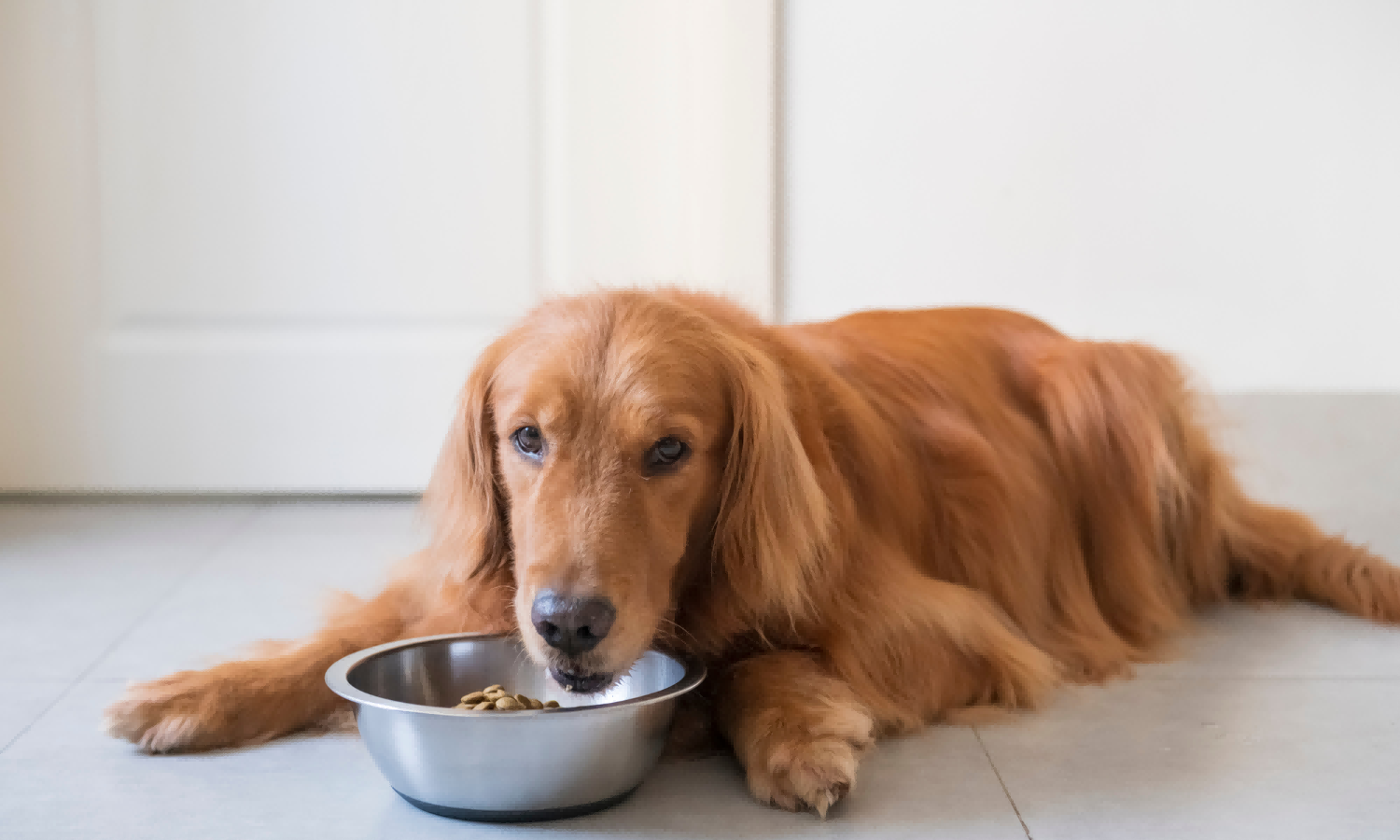
Dogs are also influenced by more than flavor alone. Reviews of dog food preference note that short-term choice is shaped by taste, aroma, texture, size, appearance, temperature, and consistency. That means improving palatability is rarely about adding one “magic” ingredient. It is about building a complete sensory experience that works for the target species and product format.
Make aroma a top priority
If there is one area pet food manufacturers consistently underestimate, it is aroma. For both dogs and cats, smell strongly influences whether a food is approached eagerly or ignored. In cats, odor can drive initial attraction so strongly that a preferred aroma may keep them eating one food instead of sampling another. In dog food research, manipulating specific aroma compounds significantly increased preference in dry food trials, which shows that aroma design can materially change product performance.
This is why surface application is often so important in dry foods. A kibble may have a solid nutritional core, but if the aroma released at the bowl is weak, flat, or slightly stale, acceptance can drop fast. Manufacturers trying to improve palatability should pay attention to top-note aroma intensity, heat sensitivity of flavor components, and how the product smells when the bag is first opened and after storage. Aroma is not a finishing touch. It is one of the first messages the product sends.
Use fat strategically
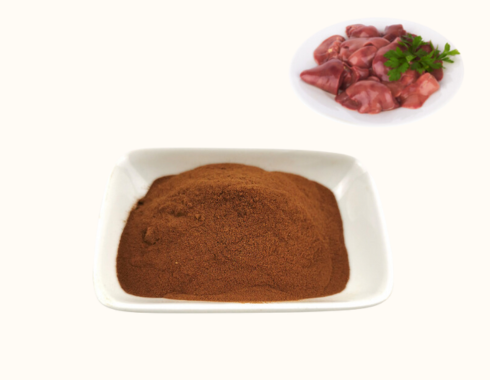
Fat is one of the strongest tools available for improving palatability because it affects both aroma release and mouthfeel. Reviews on feline palatability note that higher fat content is a well-known way to improve food acceptance, especially in cats with poor appetite, while industry technical resources also highlight fat level and type as major contributors to mouthfeel and flavor delivery in pet food.
But “more fat” is not the same as “better palatability” unless the fat is high quality and stable. Oxidation can damage odor, taste, shelf life, and overall food preference. Once fats begin to oxidize, even a formula that originally tested well can lose bowl appeal. That is why manufacturers should think about antioxidant strategy, raw material freshness, storage conditions, and coating uniformity at the same time they think about fat inclusion rates.
Improve texture and mouthfeel, not just flavor
Palatability lives in the mouth as much as it does in the nose. Texture, crunch, softness, gravy viscosity, chunk integrity, and moisture balance all influence how willingly pets keep eating. The cat palatability review notes that shape, texture, and mouthfeel are part of the core quality attributes influencing acceptance, and that cats may prefer foods that are easier to grasp. Broader pet food reviews likewise describe texture as a major sensory driver in both dogs and cats.
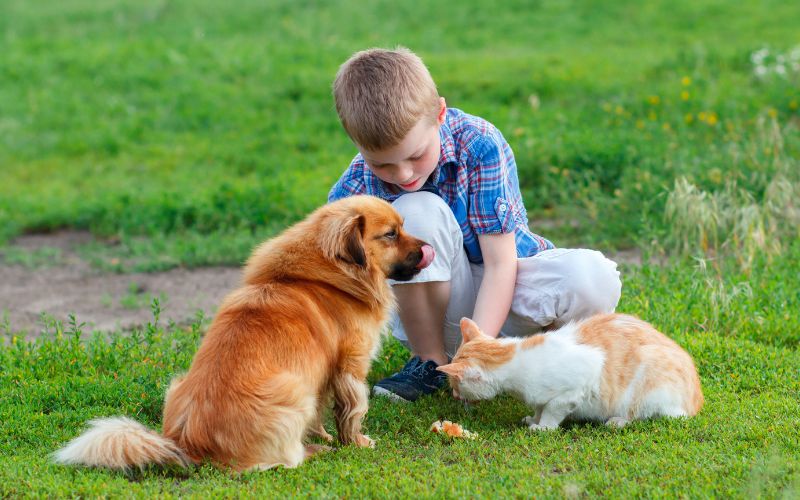
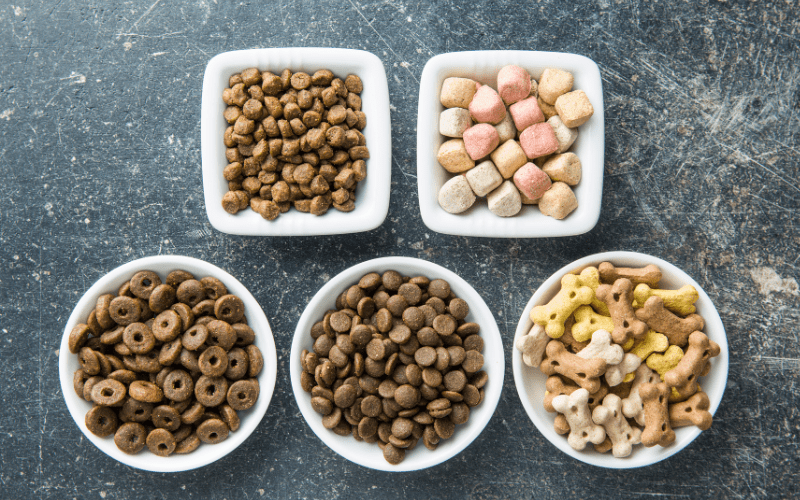
This matters across formats. In kibble, expansion, density, fracture pattern, and coating distribution all affect eating experience. In wet food, overprocessing can damage texture and reduce sensory appeal. In treats, bite resistance needs to match the target pet: too hard and it becomes effortful, too soft and it can feel cheap or unsatisfying. A good palatability strategy does not ask, “What flavor should we add?” It asks, “What does eating this product actually feel like?”
Lean on protein hydrolysates and functional palatants
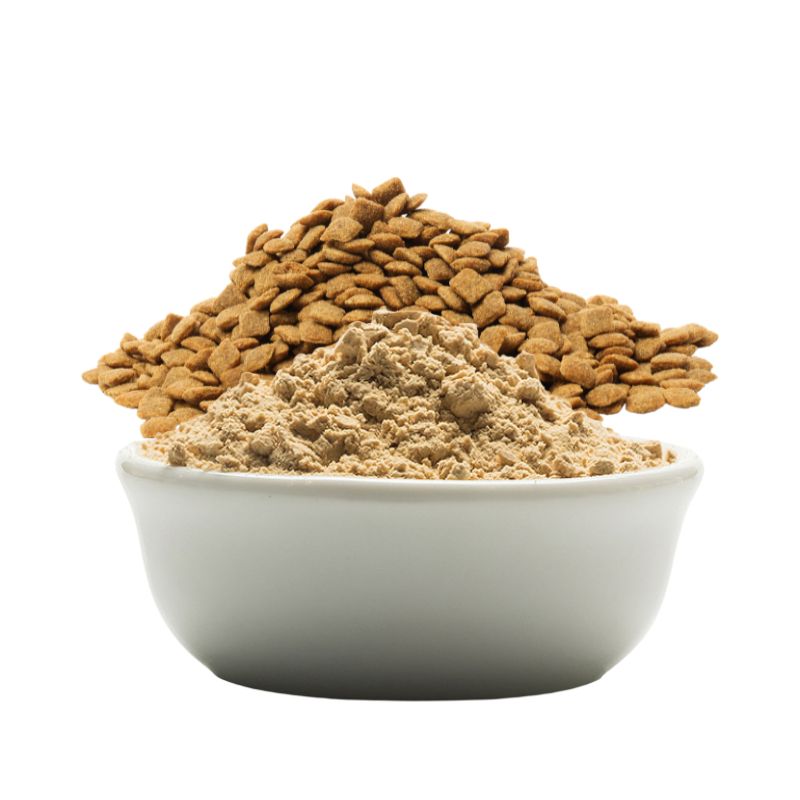
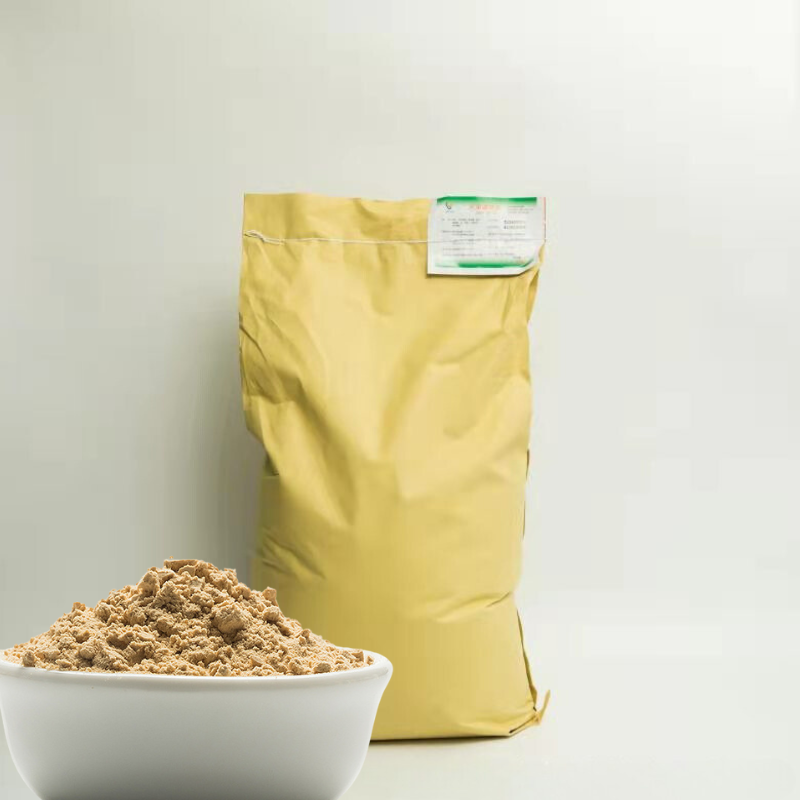
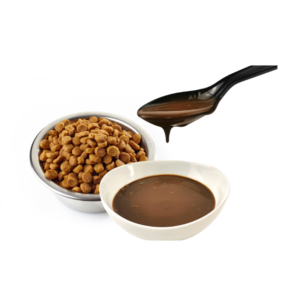
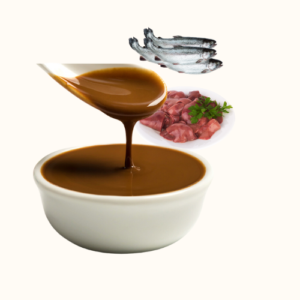
Protein hydrolysates remain one of the most widely used tools for improving palatability, especially in cat foods. The feline review describes hydrolyzed proteins, or “digests,” as among the most popular commercial palatability enhancers because they provide short peptides and free amino acids. It also notes that typical application can be in dry or liquid form, often used as a coating. Animal proteins, amino acids, and fats are generally more effective flavor drivers for cats than plant-origin flavors.
Yeast products can also help, though dosage matters. The same review reports that yeast can increase palatability because of its glutamic-acid-related umami contribution, but it also notes that higher inclusion does not always improve results. That is a useful reminder that palatability ingredients should be optimized, not simply piled on. The best-performing enhancer is the one that fits the base formula, process conditions, and target animal.
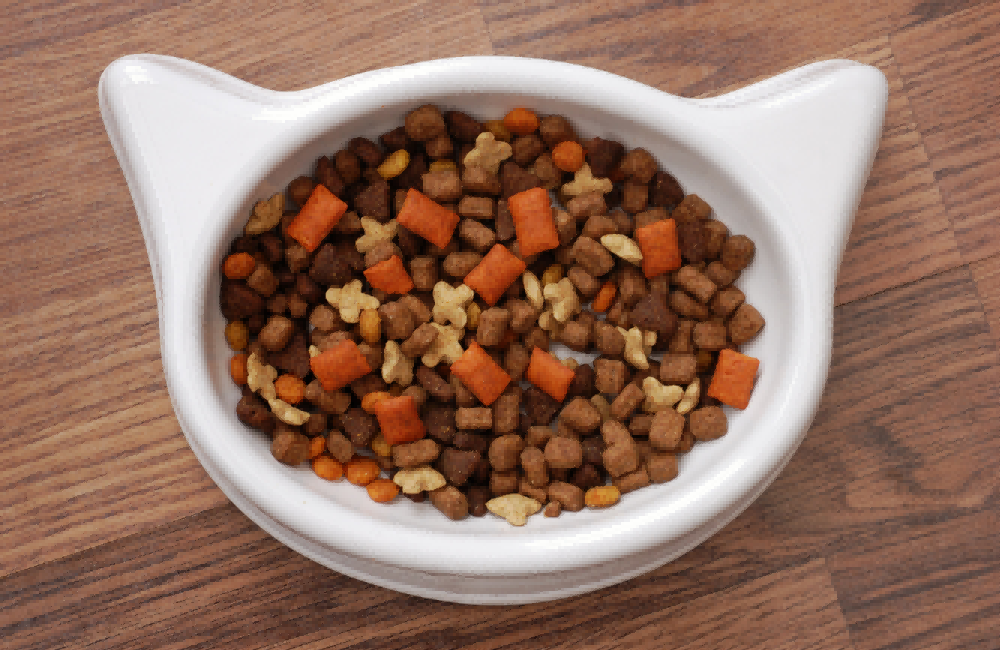
For modern manufacturers, this usually means choosing a palatant system based on the end product: dry kibble, baked treat, extruded snack, topper, or wet food all behave differently. A coating that works beautifully on a dry dog biscuit may underperform in a moist cat treat. Matching enhancer type to format is part of good formulation discipline.
Control processing more carefully
A surprisingly large amount of palatability is won or lost during processing. Heat, drying, extrusion, and coating all change aroma, texture, and flavor expression. Practical industry sources and research summaries alike emphasize that packaging, formula, heat processing, and raw-material stability all shape the final feeding experience. Precision at extrusion, drying, and coating stages is especially important because these steps influence texture development and the success of surface-applied fats and palatants.
This is why a formula that looks strong in R&D can disappoint after scale-up. Coating loss, uneven fat application, volatile aroma degradation, and excessive drying can all flatten palatability. Improvement often comes not from reformulating everything, but from tightening process control: spray pattern, particle size, drying endpoint, water activity, and packaging barrier performance can all make a noticeable difference.
Protect freshness from raw material to shelf
No palatability plan is complete without freshness control. Oxidation and spoilage do not only hurt product quality; they directly hurt acceptance. Technical sources on pet food flavor note that altered odor and flavor from oxidation are among the clearest ways palatability declines over time. In real-world terms, this means manufacturers should monitor fat quality, use appropriate antioxidants, protect aroma-sensitive ingredients, and validate packaging performance under actual distribution conditions, not just ideal warehouse storage.
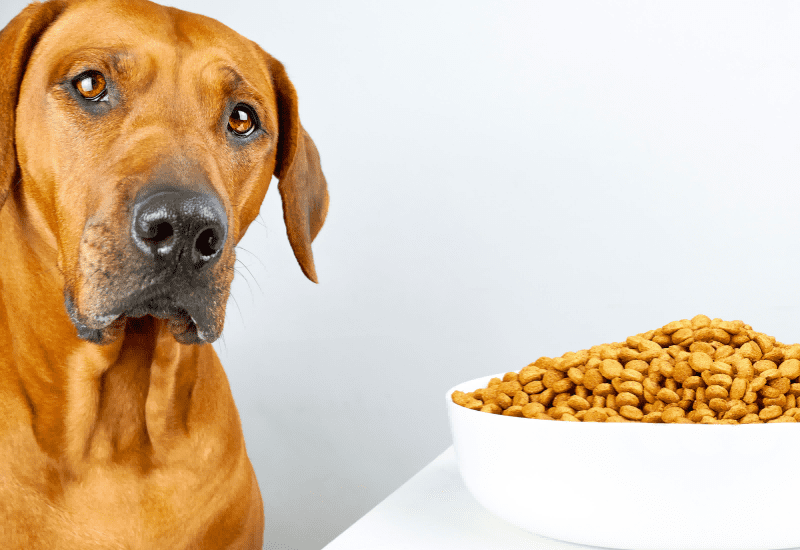
The best palatable product is not just attractive on day one. It stays attractive across production lots, transport, storage, and the period after the bag or pouch is opened. Consistency is a palatability feature.
Test what pets do, not just what people think
Finally, improving palatability requires disciplined testing. Single-bowl tests help measure acceptance. Two-bowl tests help measure preference. Newer reviews also recommend combining intake data with behavioral observations and more refined sensory evaluation approaches, because consumption alone does not always reveal why a product succeeds or fails. In cats especially, behavioral signals during tasting and feeding can add useful insight beyond simple intake numbers.
That point matters because pet owners may describe a product as “chicken flavor” or “beef flavor,” but the animal is responding to a bundle of cues: odor plume, fat profile, texture, temperature, shape, and post-ingestive experience. Good palatability work turns those cues into measurable variables and keeps refining them.
Conclusion
To improve pet food palatability, think beyond flavor names on a label. Focus on aroma first, use fat intelligently, optimize texture and moisture, choose the right hydrolysates or palatants, control processing tightly, and protect freshness all the way to the bowl. Most of all, test with real animals under realistic conditions. Palatability is not a mystery. It is a system. And when that system is built carefully, pets eat better, products perform better, and brands earn repeat purchase more naturally.