How to Make Dog Food More Tasty: Why Some Dogs Suddenly Stop Enjoying Their Food
Many dog owners experience the same frustrating situation.
A dog that used to run excitedly to the food bowl suddenly becomes picky, eats slowly, or refuses dry kibble completely.
At first, owners often assume the dog is simply “being stubborn.”
But in reality, palatability plays a much bigger role than most people realize.
Modern dogs are increasingly exposed to:
- High-value treats
- Wet food
- Human food
- Stronger meat aromas
- Premium feeding experiences
As a result, standard kibble sometimes struggles to compete.
This is why pet food manufacturers and nutrition experts spend enormous effort improving dog food palatability.
Because even nutritionally balanced dog food has little value if dogs refuse to eat it consistently.
Today, advanced pet food coating systems, palatants, hydrolyzed proteins, and flavor enhancers are widely used to make dog food more attractive and improve feeding enthusiasm.
For pet food brands, improving taste is directly connected to:
- Better feeding acceptance
- Stronger repeat purchases
- Fewer customer complaints
- Improved product differentiation
For dog owners, it simply means happier mealtimes.
Why Dogs Become Picky About Food
Before improving taste, it helps to understand why dogs lose interest in food.
1. Weak Aroma
Dogs rely heavily on smell when choosing food.
If kibble has weak aroma intensity, dogs may lose interest quickly.
This commonly happens when:
- Food is old
- Fat oxidation occurs
- Packaging is poor
- Low-quality fats are used
- Flavor coating is inconsistent
2. Repetitive Flavor Fatigue
Eating the exact same formula every day can reduce excitement.
Some dogs eventually become bored with repetitive sensory experiences.
3. Poor Fat Coating
Fat and oil coatings carry much of the flavor in dry kibble.
Low-quality coating systems may reduce flavor adhesion and aroma release.
4. Formula Changes
Even slight ingredient changes can affect smell and taste.
Dogs often notice changes faster than owners expect.
5. Health Issues
Dental pain, digestive discomfort, or illness may reduce appetite.
Persistent food refusal should always be evaluated carefully.
What Makes Dog Food Taste Better to Dogs?
Dogs respond strongly to:
- Meat aroma
- Fat content
- Surface coating
- Warm food temperature
- Moisture
- Animal-based proteins
This is why many premium dog foods use advanced pet food palatants and coating systems.
The goal is to create stronger sensory stimulation during feeding.
Modern pet food manufacturers often use:
- Hydrolyzed chicken liver
- Poultry digest
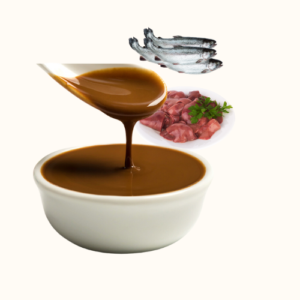
- Fish digest
- Chicken fat
- Liquid palatants
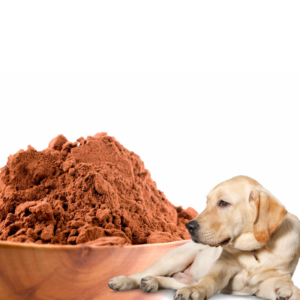
- Powder palatability enhancers
These ingredients improve:
- Aroma intensity
- Feeding excitement
- Flavor retention
- Repeat feeding behavior
How to Make Dog Food More Tasty at Home
Add Warm Water
One of the easiest ways to improve kibble aroma is adding warm water.
Warmth releases volatile aroma compounds more effectively.
This often increases feeding interest immediately.
Avoid extremely hot water because excessive heat may damage nutrients.
Mix in Wet Food
Combining dry kibble with wet food creates stronger aroma and texture contrast.
This is especially effective for:
- Senior dogs
- Small breeds
- Picky eaters
Add Bone Broth
Unsalted bone broth can improve aroma and moisture.
Many dogs respond strongly to natural meat-based smells.
Always avoid broth containing:
- Onion
- Garlic
- Excess sodium
Use Freeze-Dried Toppers
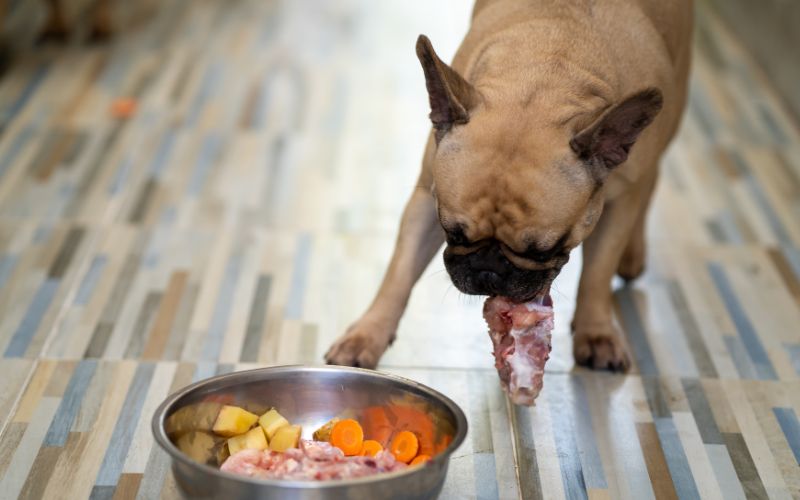
Freeze-dried meat toppers create strong sensory appeal.
Popular options include:
- Chicken
- Beef
- Salmon
- Duck
- Liver
These ingredients increase feeding excitement naturally.
Rotate Protein Sources
Switching occasionally between proteins may reduce flavor fatigue.
Examples include:
- Chicken
- Beef
- Lamb
- Duck
- Fish
Gradual transitions help avoid digestive upset.
How Pet Food Manufacturers Improve Palatability
Modern commercial dog food production uses sophisticated flavor technology.
Many consumers assume kibble flavor comes only from the base ingredients.
In reality, coating systems play a major role.
The Role of Pet Food Coating Systems
After extrusion and drying, kibble receives fat and palatant coatings.
This stage significantly affects:
- Aroma intensity
- Surface flavor
- Mouthfeel
- Feeding response
Advanced coating systems help ensure:
- Uniform flavor distribution
- Better aroma retention
- Reduced dusting
- Stable shelf life
What Are Pet Food Palatants?
Pet food palatants are flavor-enhancing ingredients designed to improve feeding acceptance.
Common palatants include:
- Hydrolyzed liver powder
- Poultry digest
- Fish digest
- Yeast extracts
- Amino acid flavor systems
These ingredients create stronger meaty aromas that dogs naturally prefer.
Professional pet food palatability enhancers are widely used in:
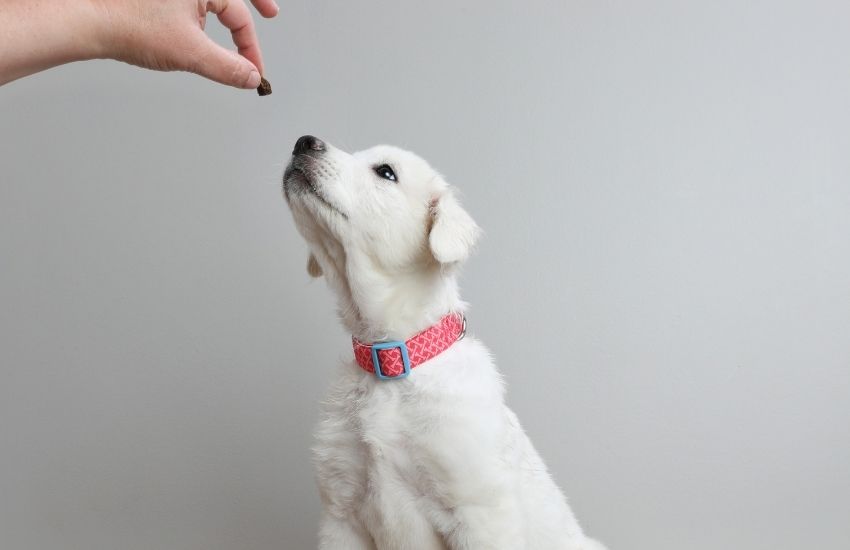
- Dry kibble
- Dog treats
- Functional pet food
- Veterinary diets
Why Fat Coating Is So Important
Fat is one of the biggest drivers of palatability.
Chicken fat and fish oil help:
- Carry aroma compounds
- Improve mouthfeel
- Enhance flavor adhesion
Low-quality fats may oxidize quickly and create unpleasant smells.
This is why premium pet food manufacturers invest heavily in fat stabilization and coating technology.
Vacuum Coating vs Traditional Coating
Many premium brands now use vacuum coating systems.
Unlike traditional drum coating, vacuum coating pulls oils and palatants deeper into kibble pores.
Advantages of Vacuum Coating
- Better flavor retention
- More uniform coating
- Higher oil absorption
- Reduced surface greasiness
- Improved feeding consistency
This technology is becoming increasingly common in premium pet food production.
Ingredients Commonly Used to Improve Dog Food Taste
Hydrolyzed Chicken Liver
One of the most popular pet food palatants.
Benefits include:
- Strong meat aroma
- High acceptance
- Excellent coating compatibility
Poultry Digest
Provides concentrated savory flavor compounds.
Widely used in dog kibble coating systems.
Fish Oil
Improves aroma while also supporting skin and coat health.
Yeast Extract
Adds savory umami characteristics.
Animal Fats
Enhance both flavor and texture.
Why Some Dogs Prefer Fresh Food Over Kibble
Fresh foods naturally release stronger aroma because they contain more moisture.
Dry kibble has lower moisture content, which may reduce smell intensity.
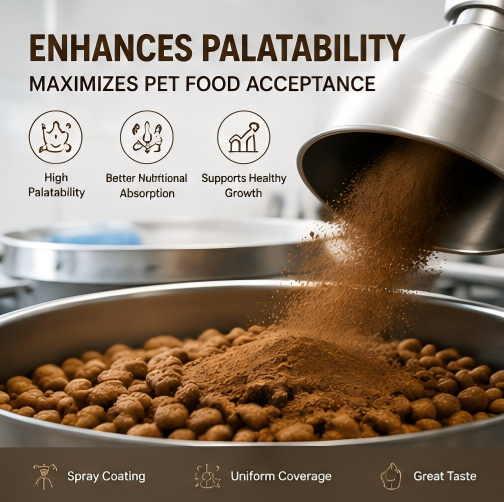
This is why many manufacturers focus heavily on:
- Surface coating
- Fat application
- Aroma retention technology
The goal is to make dry food more sensory appealing while maintaining shelf stability.
Current Trends in Dog Food Palatability
The pet food industry continues evolving rapidly.
Several trends are shaping the future of dog food taste improvement.
Clean Label Flavor Systems
Consumers increasingly prefer recognizable ingredients.
Manufacturers are developing:
- Natural palatants
- Cleaner hydrolysates
- Simplified formulas
Functional Palatants
Some flavor systems now combine palatability with nutrition.
Examples include:
- Gut health ingredients
- Omega fatty acids
- Immune-support nutrients
Humanization of Pet Food
Pet owners increasingly expect restaurant-like sensory experiences for pets.
This trend continues driving innovation in coating systems and aroma technology.
Common Mistakes When Trying to Improve Dog Food Taste
Adding Too Many Human Foods
This may encourage picky behavior long-term.
Sudden Formula Changes
Rapid changes may upset digestion.
Using Unsafe Ingredients
Avoid toxic ingredients such as:
- Onion
- Garlic
- Excess salt
- Artificial sweeteners
Ignoring Storage Conditions
Poor storage can reduce aroma quality significantly.
Always seal kibble properly after opening.
How Pet Food Brands Reduce Feeding Complaints
Professional pet food manufacturers often use:
- Feeding trials
- Palatability testing
- Two-bowl preference tests
- Aroma evaluations
- Coating optimization
These methods help improve long-term feeding performance.
Many premium brands now view palatability as one of their most important competitive advantages.
Why Palatability Matters More Than Ever
Today’s pet owners expect dogs to genuinely enjoy meals.
Visible feeding excitement influences:
- Customer satisfaction
- Brand loyalty
- Repeat purchases
- Online reviews
This is why modern pet food companies increasingly invest in advanced pet food coating solutions and palatability enhancers.
Because in competitive markets, taste matters.
A lot.
Final Thoughts
Learning how to make dog food more tasty involves much more than simply adding extra flavor.
Modern palatability improvement combines:
- Aroma science
- Fat coating technology
- Hydrolyzed proteins
- Pet food palatants
- Advanced coating systems
- Sensory engineering
For dog owners, small changes like warm water, toppers, or wet food additions can improve feeding enthusiasm significantly.
For pet food manufacturers, professional coating solutions and palatability enhancers have become essential tools for improving product performance and customer retention.
As pet food competition continues growing worldwide, better taste and stronger feeding response will remain key drivers of commercial success.
To learn more about pet food palatants, coating solutions, and pet food palatability enhancers, visit:
Profypet provides customized B2B pet food palatant solutions for global pet food manufacturers, wholesalers, and OEM/ODM projects.
Frequently Asked Questions
Why does my dog suddenly stop liking dry food?
Possible reasons include weak aroma, flavor fatigue, formula changes, poor storage, or health issues.
What can I add to dog food to make it taste better?
Warm water, wet food, bone broth, freeze-dried toppers, and palatability enhancers may improve feeding enthusiasm.
What are pet food palatants?
Pet food palatants are flavor-enhancing ingredients designed to improve aroma, taste, and feeding acceptance.
Why do manufacturers use coating systems on dog food?
Coating systems improve flavor adhesion, aroma release, fat application, and palatability performance.
What is vacuum coating in pet food production?
Vacuum coating uses negative pressure to help oils and palatants penetrate deeper into kibble for better flavor retention.