How to Optimize Pet Food Kibble Crispiness
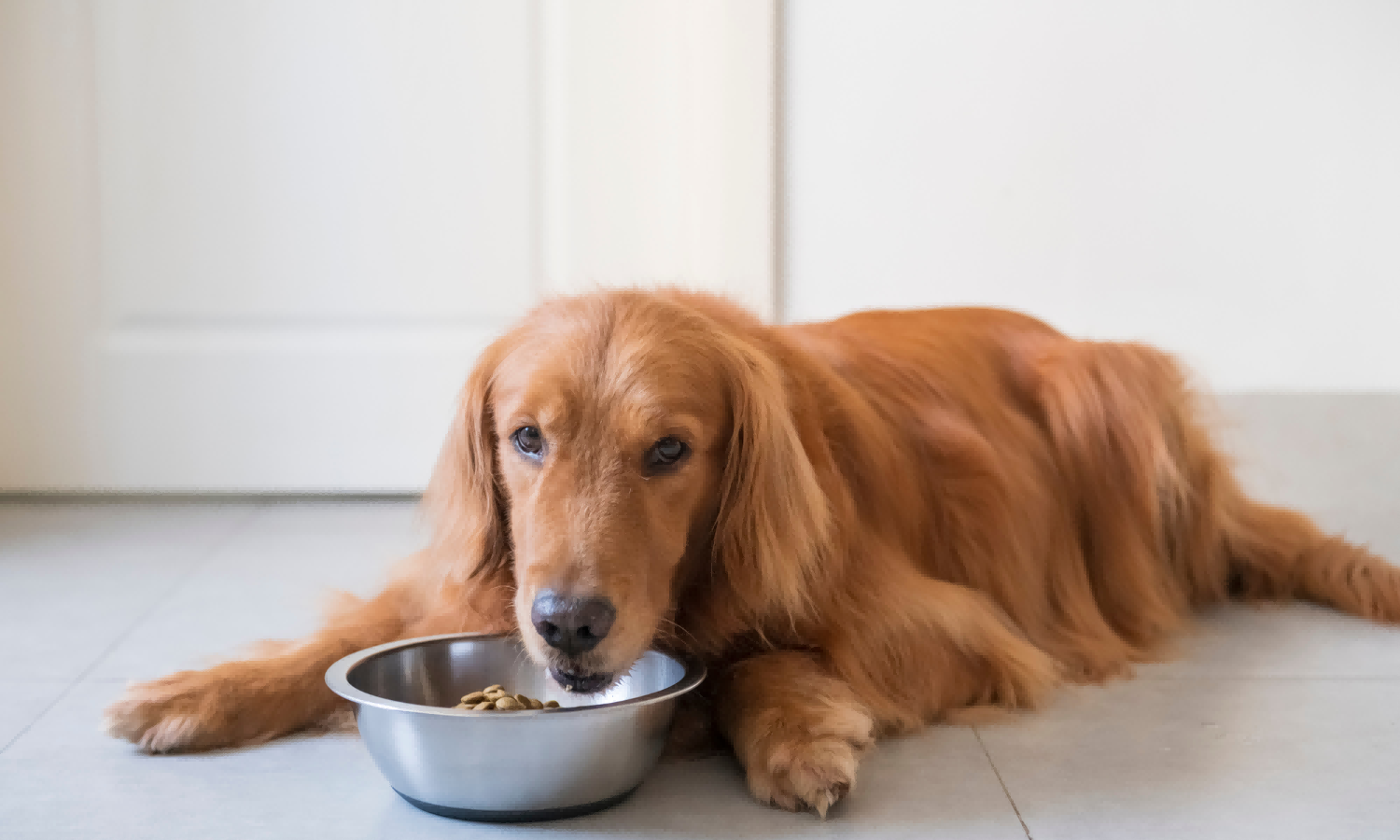
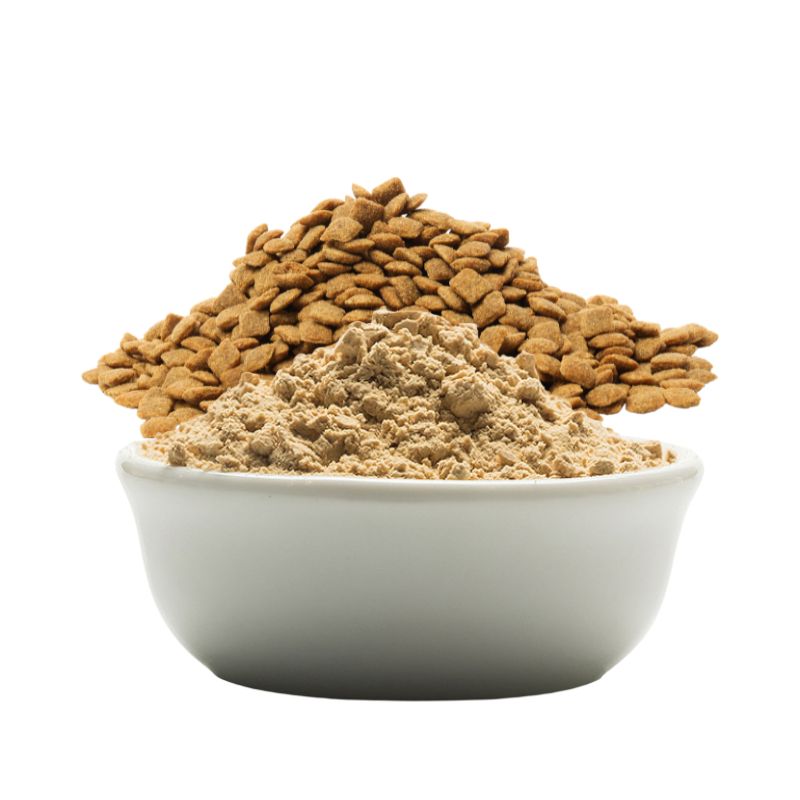
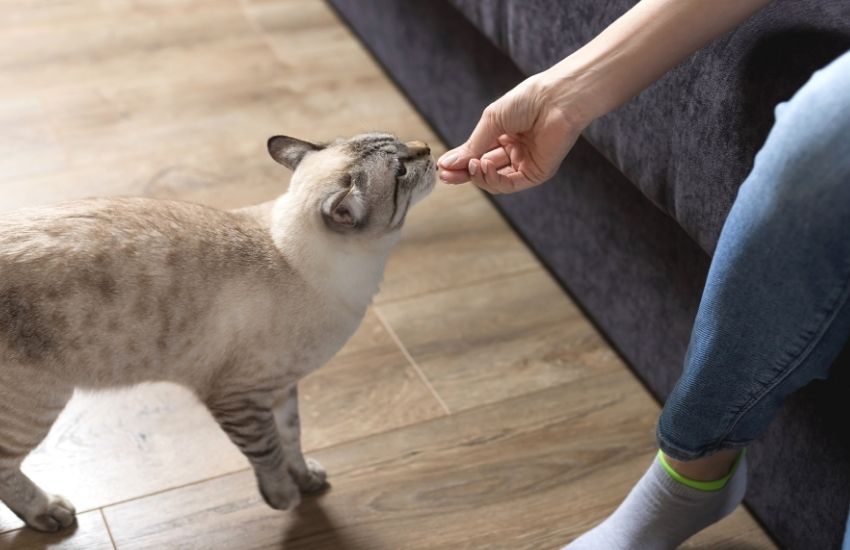
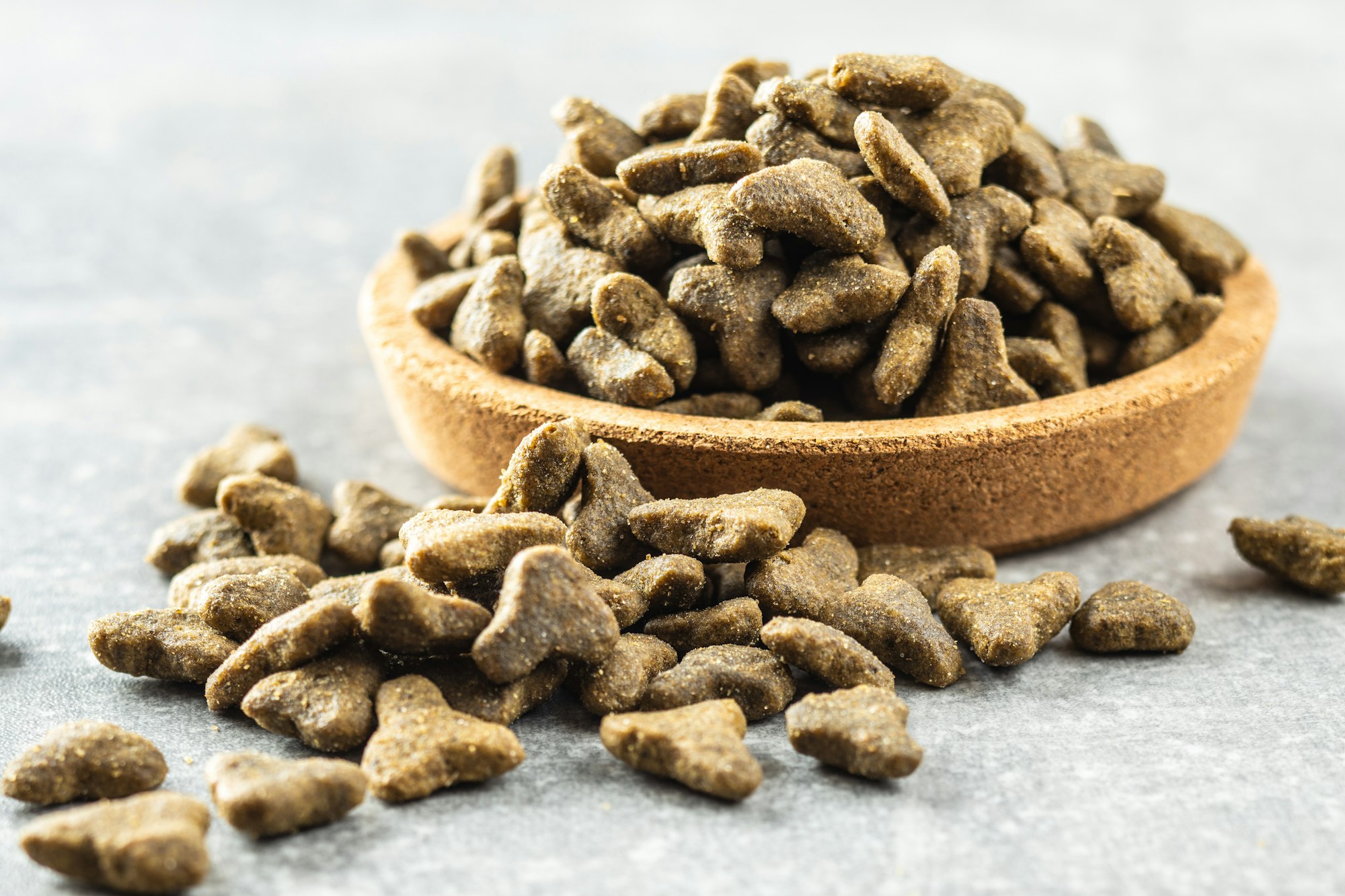
In the pet food industry, kibble crispiness is a key quality indicator that directly influences pet acceptance and product reputation. Recent trends such as “crispy extruded kibble,” “fresh-steamed kibble,” and “micro-steamed kibble” highlight the market’s demand for crunchy textures. Crisp kibble improves palatability and encourages pets to eat more eagerly. However, achieving ideal crunchiness requires a multi-faceted approach, including careful raw material selection, precise processing, targeted additives, and rigorous quality control.
1. Raw Material Selection: The Foundation of Crunch
Raw materials provide the structural basis for kibble texture. The balance of starch, protein, and fat is critical.

1.1 Starch-Protein Balance
Starch is essential for kibble expansion and crispiness. During thermal processing, starch gelatinizes—absorbing water and swelling—and then retrogrades during cooling, forming a stable, porous network. Proper starch levels produce even pores that enhance crispness.
Protein acts as the structural framework. When denatured by heat, proteins create a network that stabilizes starch, preventing over-expansion and breakage during extrusion or drying. An imbalanced starch-to-protein ratio can reduce kibble quality: excess starch causes fragile pellets, while excess protein produces dense, less crunchy kibble. Manufacturers typically adjust ratios according to cat or dog nutritional needs, balancing crispiness with structural strength.
1.2 Fat: Enhancing Mouthfeel and Crunch
Fat improves kibble texture by reducing friction during processing and forming a thin outer layer that enhances crunch. Proper inclusion (typically 5%-15%, depending on species) helps prevent starch over-gelatinization and preserves porous structure. Excess fat, however, can make kibble greasy, reduce palatability, and increase moisture absorption, which softens the product over time.

2. Processing: Transforming Ingredients into Crunchy Kibble
Processing is key to realizing the potential of raw materials.
2.1 Thermal Treatment
Baking or steaming controls starch gelatinization and protein denaturation. Optimal heat ensures starch expands fully without over-degradation, while proteins maintain structure. Overheating can scorch surfaces, create bitter flavors, and degrade nutrients. Process parameters should align with starch-protein ratios to achieve consistent crispness.
2.2 Extrusion
Extrusion combines mechanical pressure and heat to alter kibble’s physical properties. Correct balance is critical: too much mechanical force collapses pores, while excessive heat over-gelatinizes starch. Moisture control during extrusion (typically 15%-25%) ensures even expansion and prevents post-drying problems. Final product moisture should be ≤12% to maintain crunch.
2.3 Coating Techniques
Surface coatings of fat and flavor agents enhance both taste and texture. Traditional methods risk uneven distribution, softening parts of the kibble. Advanced methods such as vacuum coating and differential cooling help:
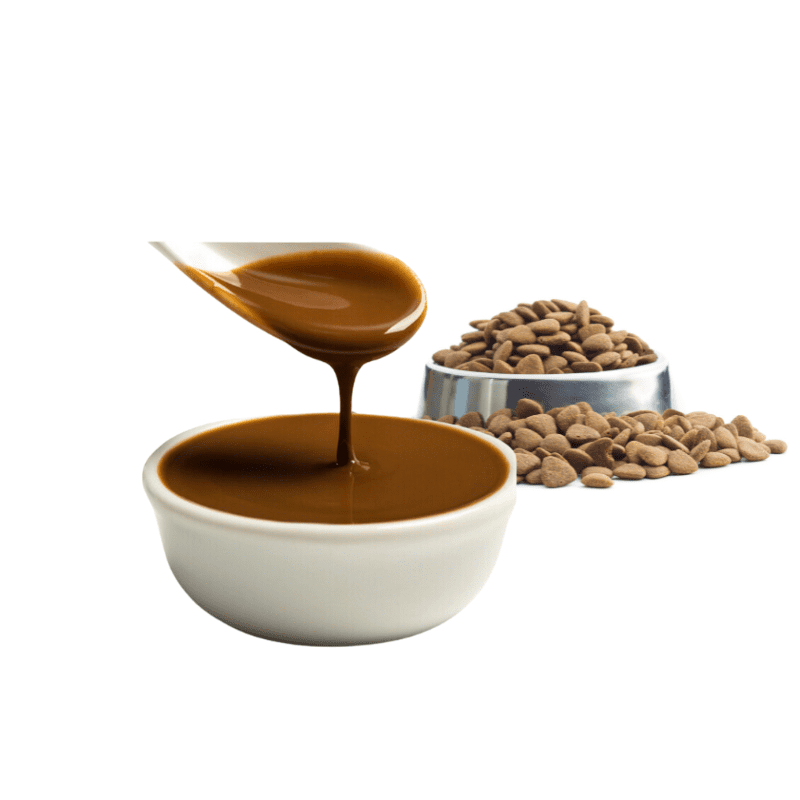
- Vacuum coating: Removes air from kibble pores, ensuring uniform fat and flavor penetration.
- Differential cooling: Rapidly solidifies fat on the surface, preserving crispness while preventing oil migration.
3. Additives: Supporting Texture Safely
Additives can enhance kibble crunch if used according to safety standards.
3.1 Leavening Agents
Leavening agents release gas during processing, creating micro-pores that increase puffiness and crunch. Overuse can lead to fragile pellets or excessive residual sodium, impacting pet health. Recommended inclusion is 0.1%-0.5%, adjusted based on formulation and process.
3.2 Dietary Fiber
Fiber contributes to nutrition and digestive health, but its impact on texture varies:
- Low-impact fibers (e.g., fine wheat fiber ≤100μm) minimally disrupt starch-protein structure.
- High-impact fibers (e.g., cellulose ≥200μm) reduce pore size and densify kibble, lowering crispness.
Select fibers that balance nutritional goals with textural quality. Low-impact fibers can typically be added at 3%-8%.
4. Quality Control: Protecting Crunch from Production to Storage
Even with optimized ingredients and processing, poor quality control can compromise kibble crispiness.
4.1 Moisture Monitoring
Moisture is the most direct factor affecting crunch. High water content softens kibble. Key control points include:
- Processing: Post-extrusion moisture at 20%-25%, post-drying 6%-10%.
- Storage: Check moisture before packaging; use sealed containers to prevent absorption.
4.2 Storage Conditions
Temperature and humidity significantly affect long-term crispiness:
- Temperature: Above 30℃ can melt fat, softening kibble.
- Humidity: Above 65% relative humidity increases moisture uptake, reducing crunch.
Optimal storage: 20-25℃, ≤60% humidity, in a cool, dry, and dark environment.
Conclusion: A Holistic Approach to Kibble Crispiness
Optimizing kibble crunch requires coordination across four dimensions: raw materials, processing, additives, and quality control. Even the best starch-protein formulation can fail if extrusion moisture is too high or heat treatment is excessive. Similarly, optimal processing can be undone by improper storage. Pet food developers must understand these factors and adjust them comprehensively to produce kibble that is crunchy, palatable, nutritious, and shelf-stable—meeting both pet needs and market expectations.