Introduction: Why Palatability Is the Real Gatekeeper
In the pet food industry, nutrition alone doesn’t guarantee success—acceptance does.
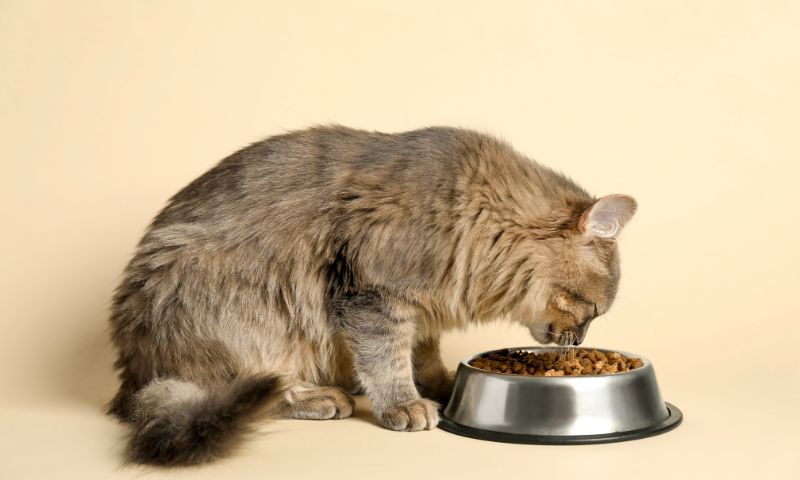
A formula can be perfectly balanced on paper, rich in protein, vitamins, and functional ingredients. But if a cat turns away after one sniff, the product fails instantly in the real world.
This is why hydrolyzed chicken liver palatant has become a critical tool for pet food manufacturers, especially those targeting premium markets, picky eaters, and functional diets.
Today’s consumers are not just buying pet food—they are buying performance:
- Better appetite
- Consistent feeding behavior
- Improved pet satisfaction
And behind many of these successful products, there is one key element: palatability engineering.
What Is Hydrolyzed Chicken Liver Palatant?
Hydrolyzed chicken liver palatant is produced through enzymatic hydrolysis, a process that breaks down chicken liver proteins into:
- Small peptides
- Free amino acids
- Flavor-active compounds
This transformation is what makes it so powerful.
Key Functional Benefits
- Strong umami taste (highly attractive to cats and dogs)
- Enhanced aroma release
- Improved digestibility
- High compatibility with dry kibble, wet food, and treats
Unlike raw liver powder, hydrolyzed forms are more bioavailable and more palatable, making them ideal for modern formulations.
Why Hydrolyzed Chicken Liver Works So Well
1. Amino Acids Trigger Natural Feeding Instincts
Pets, especially cats, are biologically wired to respond to amino acids like:
- Glutamic acid
- Glycine
- Alanine
These compounds activate umami receptors, which signal “meat” to the brain.
Hydrolysis increases the concentration of these compounds—making food instantly more attractive.
2. Peptides Improve Flavor Depth and Retention
Small peptides do more than enhance taste—they:
- Extend flavor perception
- Improve mouthfeel
- Reduce feeding fatigue
This is particularly important for:
- Long-term feeding programs
- Prescription diets
- Sensitive or aging pets
3. Aroma Drives First Bite Decisions
Before pets taste food, they smell it.
Hydrolyzed chicken liver generates volatile aroma compounds during processing, creating a scent profile similar to freshly cooked meat.
This leads to:
- Faster bowl approach
- Reduced hesitation
- Higher first-time acceptance
Real Market Trends: Why Demand Is Growing
The global pet food market continues to shift toward premium, functional, and natural formulations.
Key industry trends (2024–2026):
- Over 60% of pet owners report concern about their pet’s appetite and feeding behavior
- Premium pet food segments are growing at 6–8% annually
- “High palatability” claims are increasingly used in product positioning
At the same time:
- Cats are known for selective eating behavior
- Dogs in urban environments show reduced appetite due to stress and lifestyle changes
This creates a clear demand for pet food palatability enhancers that deliver measurable results.
Applications in Pet Food Manufacturing
Hydrolyzed chicken liver palatant is highly versatile and can be used across multiple product types.
Dry Kibble
- Applied via coating systems (spray-on)
- Improves aroma release immediately after packaging
- Enhances surface taste
Typical inclusion:
- 1–2% in coating
Wet Food
- Mixed directly into formulation
- Enhances both taste and aroma consistency
Benefits:
- Better acceptance in pâté and gravy formats
- Stronger meat perception
Pet Treats
- Used in:
- Freeze-dried treats
- Soft chews
- Functional snacks
Benefits:
- Increases reward value
- Encourages repeat consumption
Functional & Prescription Diets
Hydrolyzed palatants are especially valuable in:
- Veterinary diets
- Low-protein or restricted formulas
- Hypoallergenic products
They help solve a common problem:
“Healthy but not tasty.”
Hydrolyzed vs Non-Hydrolyzed Ingredients
| Feature | Hydrolyzed Chicken Liver | Regular Chicken Liver Powder |
|---|---|---|
| Palatability | Very High | Moderate |
| Digestibility | High | Medium |
| Aroma Strength | Strong | Mild |
| Stability | Consistent | Variable |
| Application Flexibility | High | Limited |
The key difference lies in bioavailability and sensory impact.
How to Choose the Right Hydrolyzed Chicken Liver Palatant
Not all palatants are equal. When sourcing, manufacturers should evaluate:
1. Degree of Hydrolysis (DH)
- Higher DH = more free amino acids
- But balance is needed to avoid bitterness
2. Raw Material Quality
- Fresh chicken liver vs by-products
- Traceability and safety standards
3. Processing Technology
- Enzymatic vs chemical hydrolysis
- Spray-drying vs liquid application
4. Application Compatibility
- Powder vs liquid
- Stability under heat and extrusion
Common Challenges and How to Solve Them
Challenge 1: Palatant Loss During Processing
High temperatures can reduce effectiveness.
Solution:
- Apply post-extrusion coating
- Use heat-stable formulations
Challenge 2: Cost Control
Hydrolyzed ingredients can increase formulation costs.
Solution:
- Optimize inclusion rates
- Combine with other flavor enhancers
Challenge 3: Over-Dependence on One Flavor
Pets may develop preference fatigue.
Solution:
- Rotate flavor profiles
- Blend with fish or other protein palatants
The Role of Palatants in Product Differentiation
In a crowded market, nutritional claims alone are no longer enough.
Palatability has become a hidden competitive advantage.
Products that succeed often deliver:
- Immediate acceptance
- Consistent intake
- Positive feeding behavior
This is especially critical for:
- Private label brands
- Export markets
- E-commerce sellers
Practical Formulation Tips
For manufacturers and R&D teams:
- Start with 1–2% inclusion rate for dry food coating
- Test multiple hydrolysis levels
- Conduct feeding trials with target species
- Combine aroma + taste strategies
And most importantly:
Always validate with real feeding behavior—not just lab data.
Why Manufacturers Are Investing in Palatability Solutions
The pet food industry is moving toward experience-driven products.
Pet owners today interpret appetite as:
- A sign of health
- A sign of happiness
- A sign of product quality
This makes palatants not just additives—but value drivers.
Explore Professional Palatability Solutions
If you’re developing or upgrading your product line, choosing the right partner matters.
At https://profypet.com/, we specialize in:
- Customized pet food palatants
- High-performance pet food palatability enhancers
- Solutions tailored for:
- Dry food
- Wet food
- Treats
- Functional diets
Our approach focuses on:
- Consistent quality
- Scalable production
- Application-specific optimization
Final Thoughts
Hydrolyzed chicken liver palatant is more than just a flavor ingredient—it’s a strategic solution to one of the biggest challenges in pet food manufacturing: getting pets to eat, enjoy, and keep coming back.
As the industry evolves, manufacturers who invest in palatability science will be the ones who win—not just on shelves, but in feeding bowls.
And in the end, that’s where success truly matters.