Palatability Enhancer Pet Additives
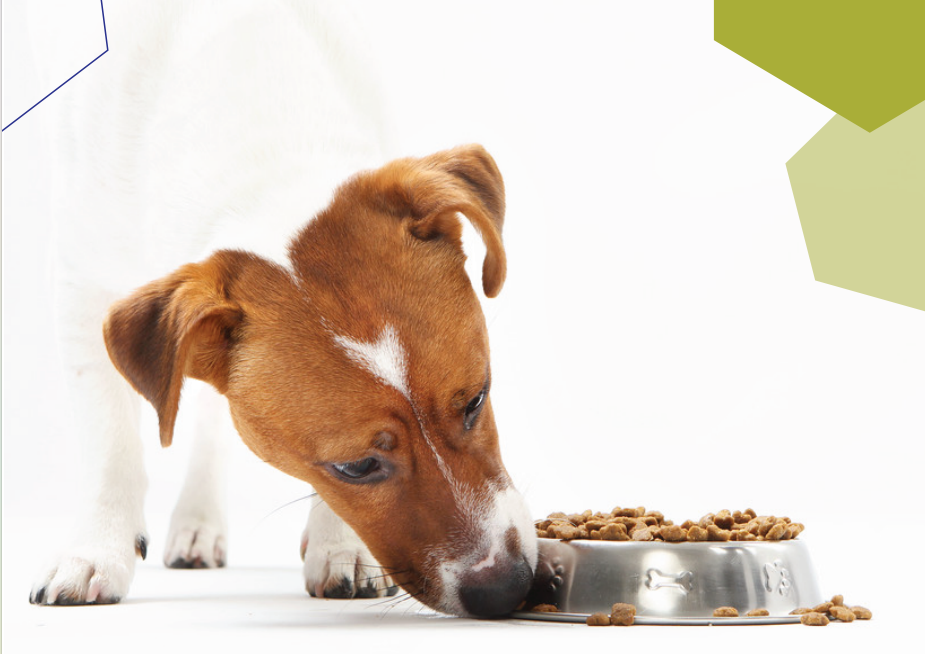
In today’s highly competitive pet food and pet treat market, palatability is no longer a “nice-to-have”—it’s a commercial necessity. Whether you are supplying Amazon storefronts, large retail chains, or developing private-label SKUs through OEM/ODM partners, palatability enhancer pet additives play a decisive role in repeat purchase, brand loyalty, and overall product success.
At Matchwell Pets, we work closely with global wholesalers and brand owners who face the same challenge: how to make pet treats that animals instinctively love, while staying compliant, scalable, and cost-efficient. This article breaks down what palatability enhancers are, how they work, and how professional buyers can use them strategically.
What Are Palatability Enhancer Pet Additives?
Palatability enhancers are functional feed additives designed to increase a pet’s willingness to eat a product by improving:
- Aroma release
- Flavor intensity
- Mouthfeel and texture perception

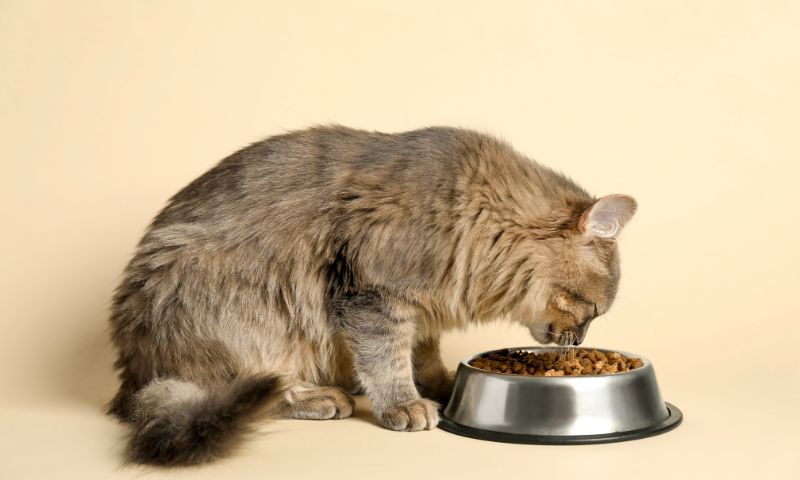
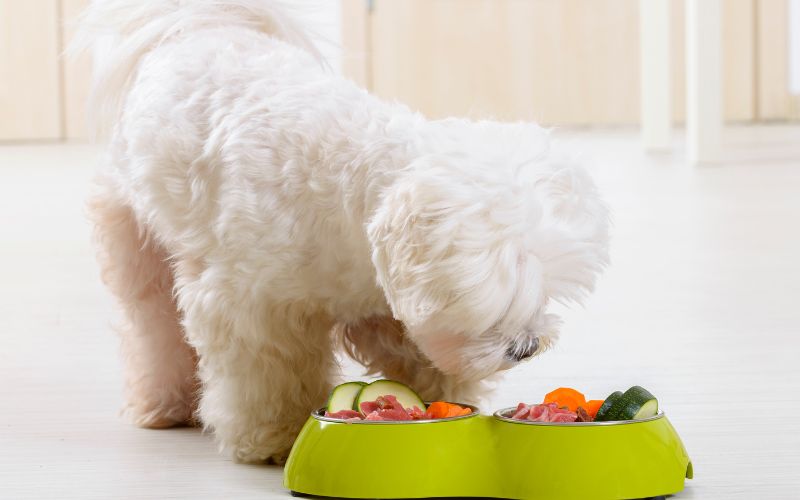
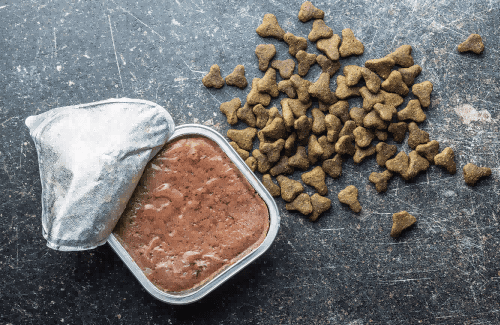
They are widely used in dog treats, cat treats, training snacks, wet food toppers, and coated dry snacks, especially in mass-market and premium retail channels.
From a B2B perspective, palatability enhancers help ensure consistent acceptance across batches, regions, and pet preferences—critical for wholesalers supplying multiple markets.
Why Palatability Matters for Wholesalers and OEM Buyers
For large-scale buyers and brand owners, palatability impacts far more than taste:
1. Retail Performance & Repeat Orders
Pets that reject a treat lead directly to returns, negative reviews, and lost shelf space—especially on platforms like Amazon and major supermarkets.
2. Formulation Flexibility
Palatability enhancers allow manufacturers to:
- Balance nutrition with taste
- Use alternative protein sources
- Maintain acceptance during cost optimization

3. Brand Differentiation
In crowded categories such as dog training treats or cat snacks, superior palatability becomes a silent brand advantage—pets choose for the owner.
Common Types of Palatability Enhancer Pet Additives
1. Animal-Based Flavor Enhancers
These remain the most effective and widely accepted options:
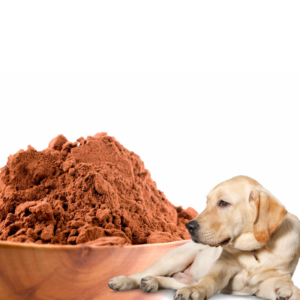
- Chicken liver powder
- Poultry digest
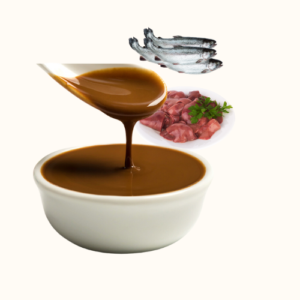
- Fish hydrolysates
- Meat broth concentrates
They deliver natural umami and aroma, particularly attractive to cats and dogs with selective appetites.
2. Yeast & Fermentation Derivatives
- Brewer’s yeast
- Yeast extracts
- Fermented protein bases
These additives enhance savory notes while supporting label transparency in many markets.
3. Liquid vs. Powder Forms
- Liquid palatants: Ideal for surface coating of treats and kibbles
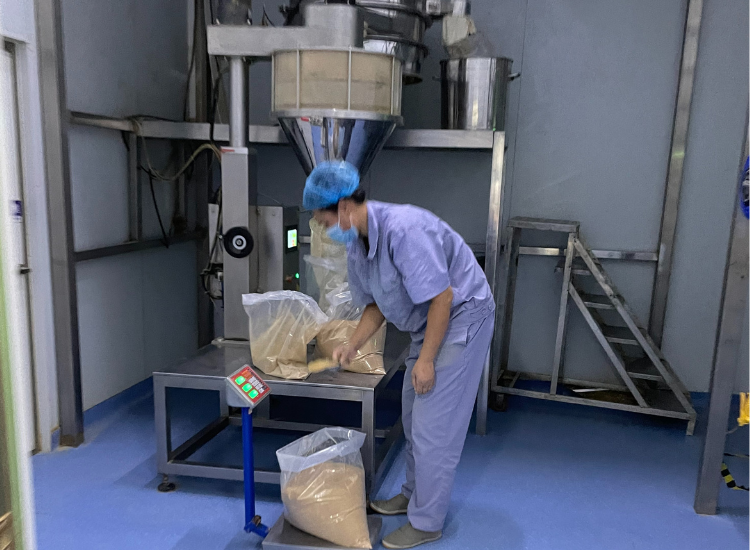
- Powder palatants: Better for baked snacks, soft chews, and extrusion blends
OEM buyers often select based on production line compatibility and target texture.
Application in Pet Treat Manufacturing
Palatability enhancers are commonly applied during:
- Post-bake coating
- Oil or fat spraying stages
- Wet mixing for soft treats
- Freeze-dried product flavor balancing
For OEM/ODM projects, dosage precision is critical. Typical inclusion rates range from 0.5% to 5%, depending on formulation and target species.
Compliance & Quality Considerations for Global Markets
Professional buyers prioritize additives that meet international regulatory expectations, including:
- Clear ingredient traceability
- Stability under transport and storage
- Compatibility with BRC, IFS, HACCP systems
- Support for export documentation
At Matchwell, palatability enhancer solutions are developed alongside raw material testing, production inspection, and third-party verification, ensuring suitability for markets such as Europe, Southeast Asia, the Middle East, and South America.
Customization: A Key Advantage for OEM/ODM Buyers
One of the biggest advantages of working with an experienced pet treat manufacturer is custom palatability design.
OEM clients often request:
- Species-specific flavor profiles (cat vs. dog)
- Region-preferred aromas (fish-forward vs. poultry-based)
- Cost-controlled formulations for mass retail
- Premium blends for high-end private labels
Palatability enhancers can be tailored to the final product, not added as an afterthought.
Strategic Takeaway for Wholesalers & Brand Owners
Palatability enhancer pet additives are not just technical ingredients—they are commercial tools.
Used correctly, they help you:
- Reduce product rejection rates
- Improve online and offline sell-through
- Support consistent OEM production at scale
- Build long-term brand loyalty among pet owners
For wholesalers and retailers competing in saturated pet treat categories, investing in the right palatability strategy often delivers a stronger ROI than packaging or pricing alone.
Final Thought
As consumer expectations rise and competition intensifies, palatability remains the invisible driver behind successful pet treats. Choosing the right enhancer—and the right manufacturing partner—can be the difference between a one-time order and a long-term global brand.
If you are developing or sourcing pet treats for wholesale or private label, understanding palatability enhancers is no longer optional—it’s essential.