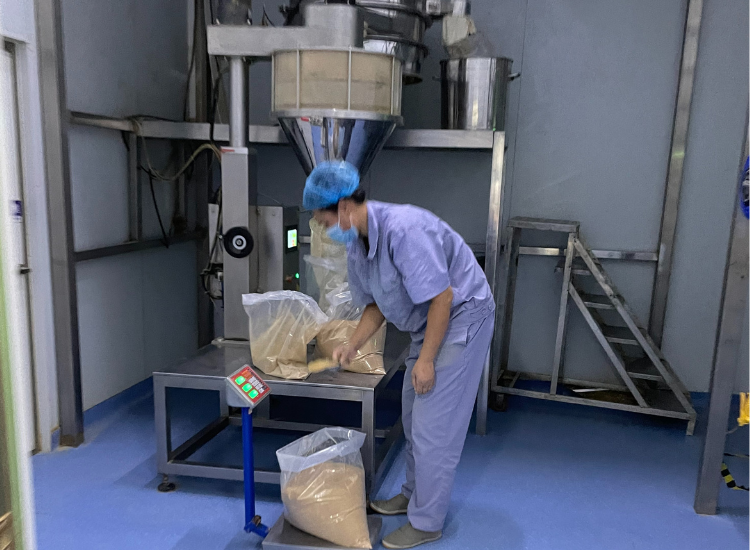
Palatant Application in Pet Food
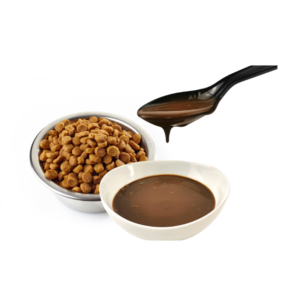
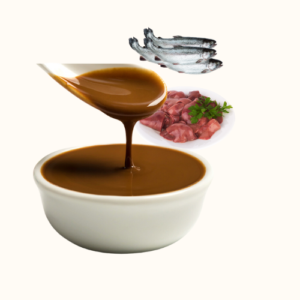
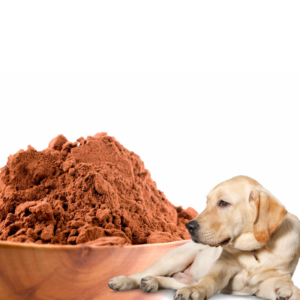
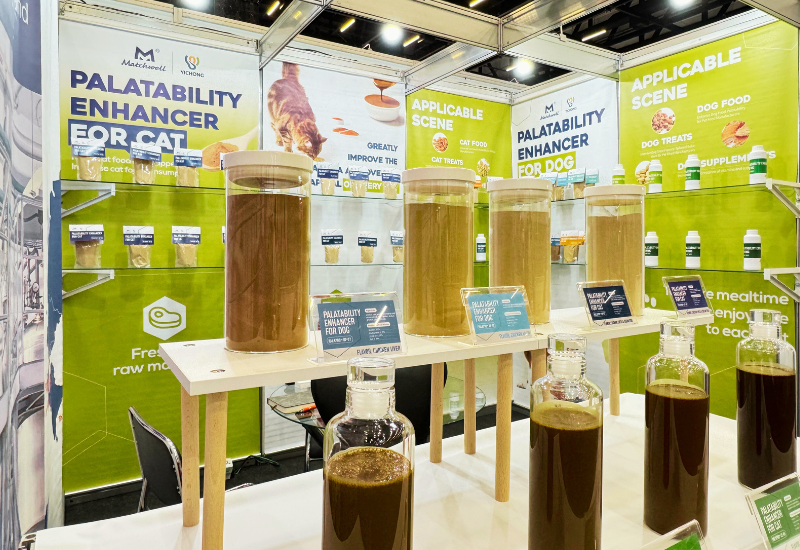
In pet food, a strong formula is only half the story. You can build a diet with the right protein level, balanced nutrition, functional ingredients, and a clean label, but if the finished product does not smell right, coat evenly, or survive processing with its appeal intact, pets may simply walk away from the bowl. That is why palatant application matters so much. Palatants are used to improve inherent palatability and acceptability, and in practice they are typically applied topically to dry kibble or incorporated into the chunk or gravy phase of wet food.
At a practical level, palatant application is where formulation science meets manufacturing discipline. It is not only about choosing a “good” liquid or powder. It is about when you add it, how evenly it covers the product, what temperature and moisture conditions exist during coating, and whether later processing steps damage or reshape the flavor profile you worked so hard to build. In other words, palatability is not just an ingredient decision; it is a process decision.
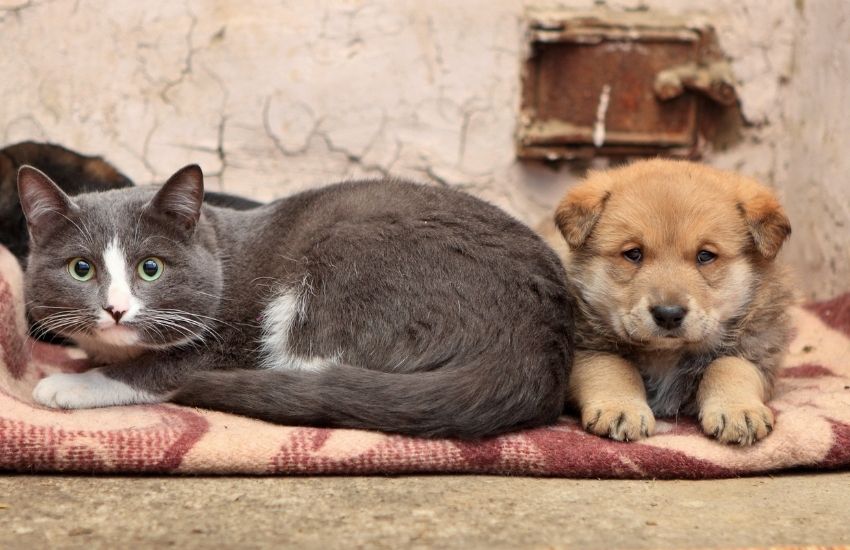
Why application matters more than many teams expect
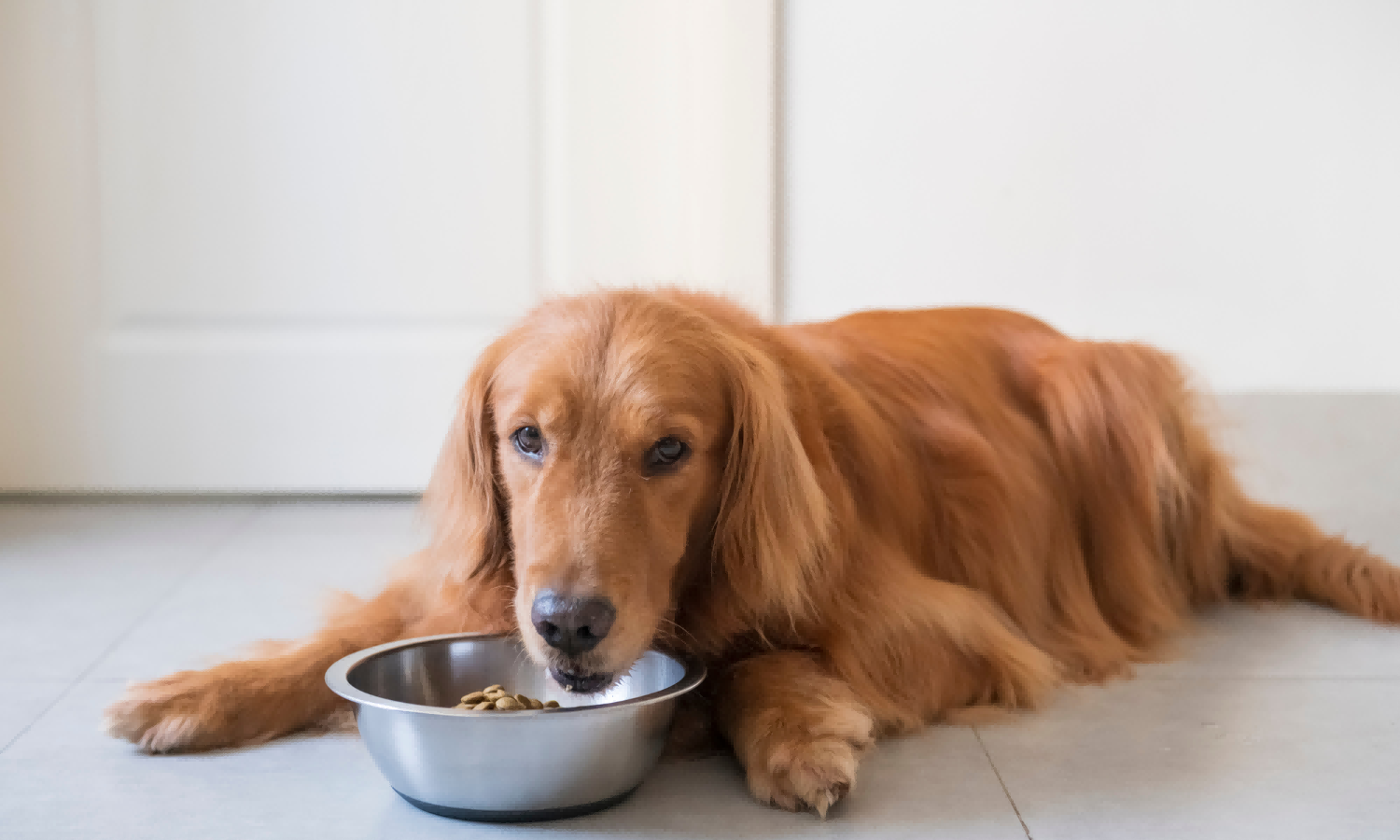
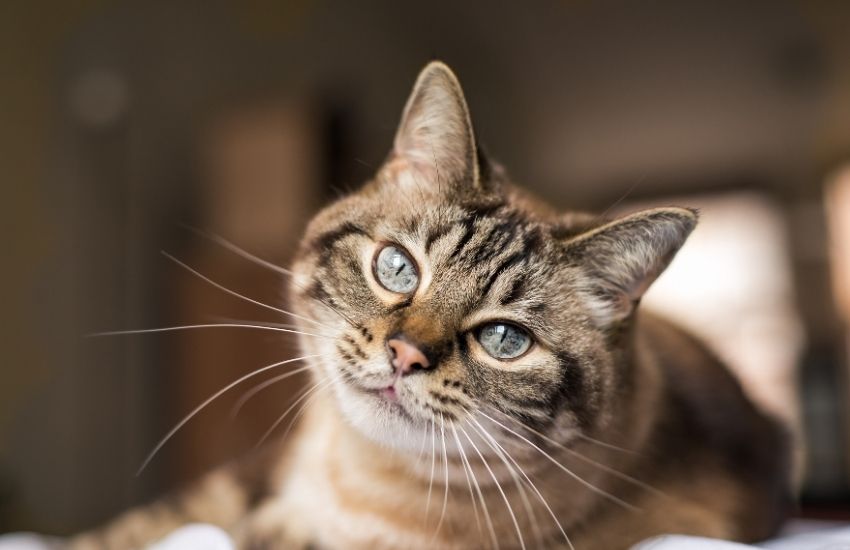
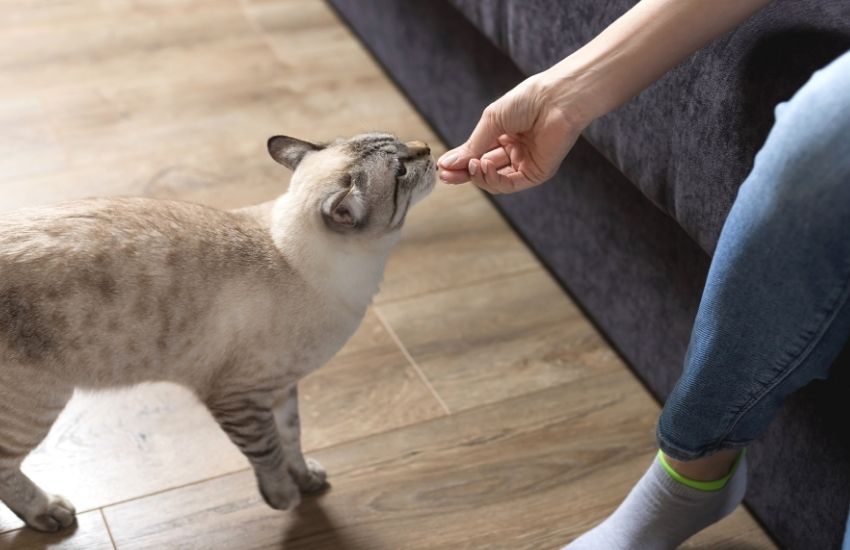
Dogs and cats do not respond to food in exactly the same way. The 2023 review Drivers of Palatability for Cats and Dogs notes that dogs generally accept a wider variety of foods, while cats are more selective and can detect smaller compositional changes. The same review also notes that cats use both smell and taste in food selection and can strongly prefer foods with more attractive odors. That makes consistency in aroma delivery, surface coating, and freshness especially important in cat food development.
Application also matters because many finished diets contain ingredients that are nutritionally useful but sensorially challenging. Industry experts interviewed by Pet Food Processing explained that palatants often need to overcome off-notes from vitamins, minerals, and functional ingredients while still preserving overall product appeal. In real manufacturing environments, that means a palatant is often doing more than “adding flavor.” It may be masking bitterness, softening oxidized notes, and helping maintain a more stable eating experience as raw materials change.
How palatants are commonly applied to dry kibble
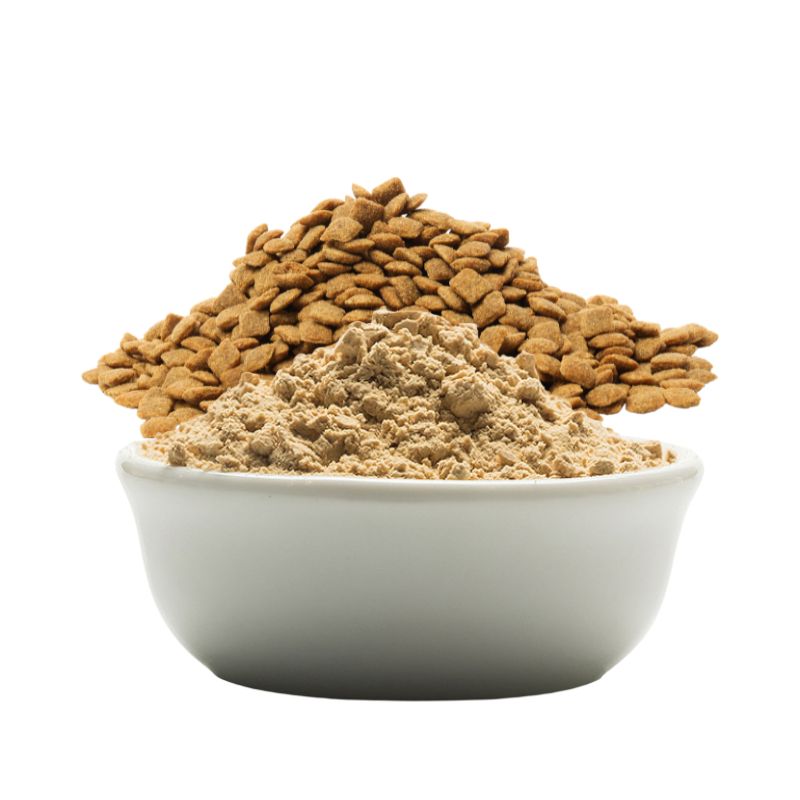
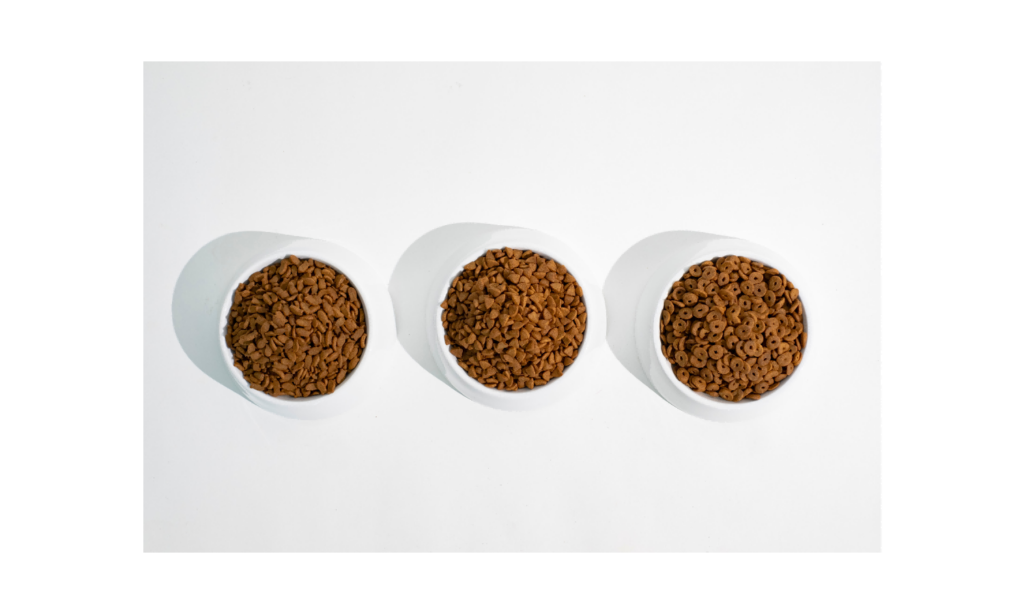
Dry food is where application technique becomes highly visible. The standard sequence described by AFB International in 2025 is straightforward: first fat spraying, then liquid palatant spraying, then dry palatant application. That sequence matters because the fat and liquid layers help create the surface conditions needed for adhesion, coverage, and sensory impact.
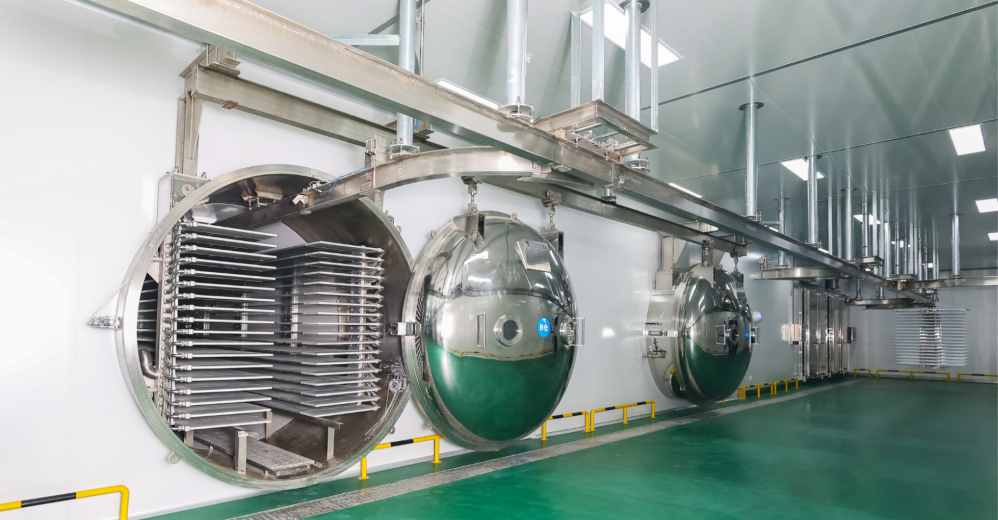
AFB’s application guidance adds several very useful operating details. Liquid palatants are commonly delivered in bulk and perform best when stored in agitated tanks and maintained between 70°F and 110°F. During application, fat is typically added first and the palatant second, then kibble is blended for about three minutes so the coating can absorb fully. The same guidance recommends keeping air out of the application process to reduce fat oxidation, synchronizing palatant rate with kibble feed rate to avoid over-application, preventing overspray, and carefully positioning spray nozzles so fat and palatant patterns stay controlled and consistent.
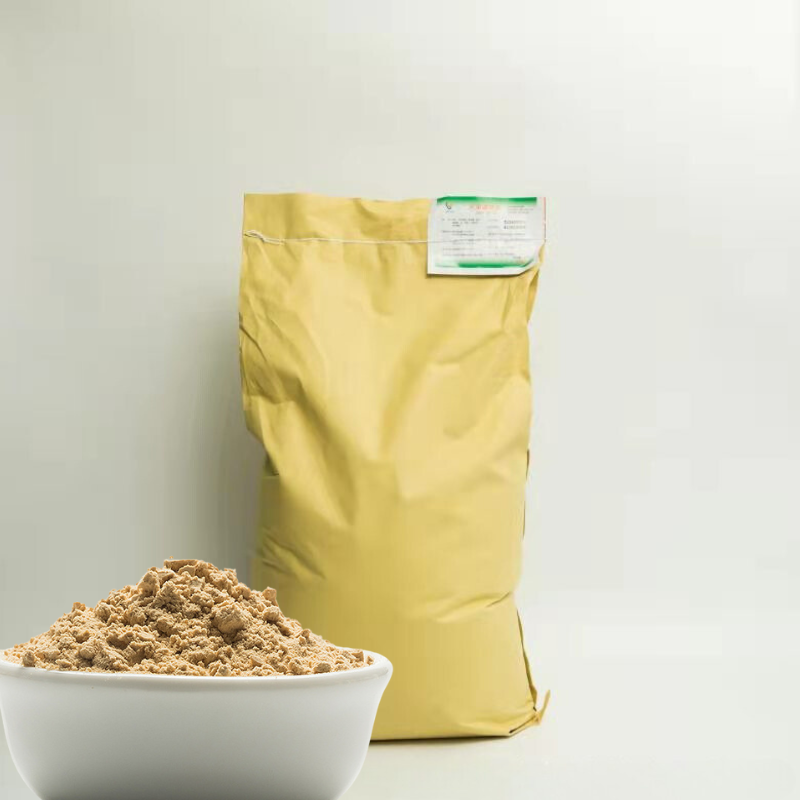
Dry palatants have their own rules. They are usually added after fat or liquid palatant because that wet layer acts as a tacking agent. AFB recommends feeding the dry palatant with a loss-in-weight feeder or a well-calibrated volumetric feeder, discharging kibble onto a vibrating disbursement plate or splitter to improve even distribution, and avoiding buildup in the system that could create cross-contamination or inconsistent coating. These are small process details, but they often separate a smooth commercial launch from a food that performs unpredictably in the bowl.
One especially interesting recent finding is that dry palatant application can be more flexible than many manufacturers assume. In AFB’s 2025 study on delayed dry palatant coating, applying dry palatant after days, weeks, or even months on fat-precoated kibble did not reduce adhesion efficiency and generally did not change palatability under the tested conditions. That does not mean every factory can ignore timing, but it does suggest some plants may have more room to separate liquid and dry coating steps without automatically sacrificing performance.
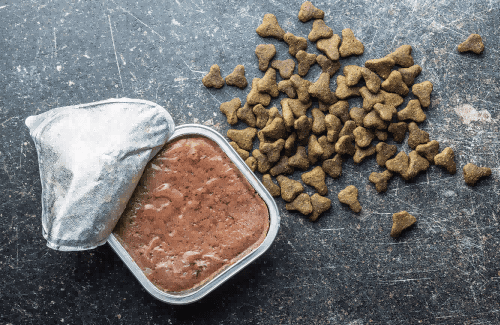
Wet food needs a different application mindset
Wet pet food is a different world. The same 2023 review notes that wet foods typically contain about 74% to 78% moisture, are usually heat-treated for shelf stability, and are often more palatable than dry food, especially for cats. But that advantage comes with a complication: thermal processing. Retorting can change texture, aroma chemistry, color, and ingredient interactions, all of which affect how a palatant performs in the finished product.
AFB’s 2024 wet food study makes that challenge very clear. The company reported that wet food palatants can be altered by thermal processing, with effects on color, composition, and performance. At the same time, heating can also generate volatile organic compounds that enhance aroma. In the study, different protein sources responded differently after retort simulation, and some chicken- and fish-based palatants outperformed others in palatability after processing. The message is simple: a palatant that works beautifully before heat treatment may not be the one that performs best after sterilization.
Texture matters here too. The 2023 review found that in wet food, harsher thermal conditions can damage binding properties and hurt palatability, while Maillard reaction products may improve palatability in cats. It also notes that lipid oxidation decreases palatability because cats detect off-notes easily. So in wet food, palatant application is never just about the palatant itself. It sits inside a wider system involving retort conditions, fat stability, antioxidant strategy, texture design, and the final aromatic profile released when the pouch or can is opened.
What manufacturers should watch in treats and newer formats
The core principles still apply in pet treats, even though the format may differ. Surface coverage, adhesion, aroma release, and stability still matter. But newer formats such as freeze-dried, air-dried, fresh, and frozen foods may need more tailored palatability work because they behave differently from classic extruded kibble or canned loaf. Pet Food Processing noted that the industry could benefit from additional research on these newer formats, especially because cats can be sensitive to moisture, mouthfeel, and texture.
That means treat developers should resist copying a kibble coating strategy without adjustment. A palatant that performs well on a warm, porous extruded surface may behave very differently on a low-moisture jerky, a fatty biscuit, or a delicate freeze-dried cube. The smartest approach is to treat application as format-specific rather than universal.
How to test whether your application is actually working
No palatant program is complete without proper testing. The 2023 review explains that one-bowl and two-bowl methods remain standard tools for assessing acceptance and preference. Two-bowl tests are especially useful when comparing a control diet with a reformulated version or a new flavor system. The review also notes that with dogs, additional observations such as first approach, first consumed, and first finished can be useful because dogs often eat both options.
Industry practice adds another important point: testing quality matters as much as testing method. Pet Food Processing reports that trials are often run in third-party facilities with trained animals, and that environment, animal number, age, breed, and health status can all influence the results. The same source also warns that some companies underinvest in sample size or fail to consider how much the coating system itself can change acceptability. That is a costly mistake, because a mediocre result may come from poor application rather than from the palatant chemistry alone.
The biggest mistake: treating palatants as an add-on
The most common error is thinking of palatants as a finishing touch applied at the very end of product development. In reality, they should be considered earlier, when the team is making decisions about fat systems, protein sources, thermal load, surface texture, oxidation control, and target species. A cat food with inconsistent odor release or a dog kibble with poor coating uniformity may never recover through marketing alone. Palatability is one of the clearest drivers of product success and repurchase, and the application system is a major part of that outcome.
Final thoughts
Palatant application in pet food is not mysterious, but it is unforgiving. On dry kibble, success usually comes down to correct sequence, controlled temperatures, even coverage, and the right relationship between fat, liquid, and powder layers. In wet food, success depends on choosing palatants that survive heat processing and still deliver the right aroma and flavor after retort. In every format, the winning mindset is the same: do not evaluate palatants only by what is in the drum, tank, or bag. Evaluate them by how they behave on the finished product, after real processing, under real feeding conditions, with real dogs or cats. That is where true palatability is decided.