Palatants, Taste Boosters and Flavor Enhancers
Why “Picky Eaters” Is a Manufacturing Issue
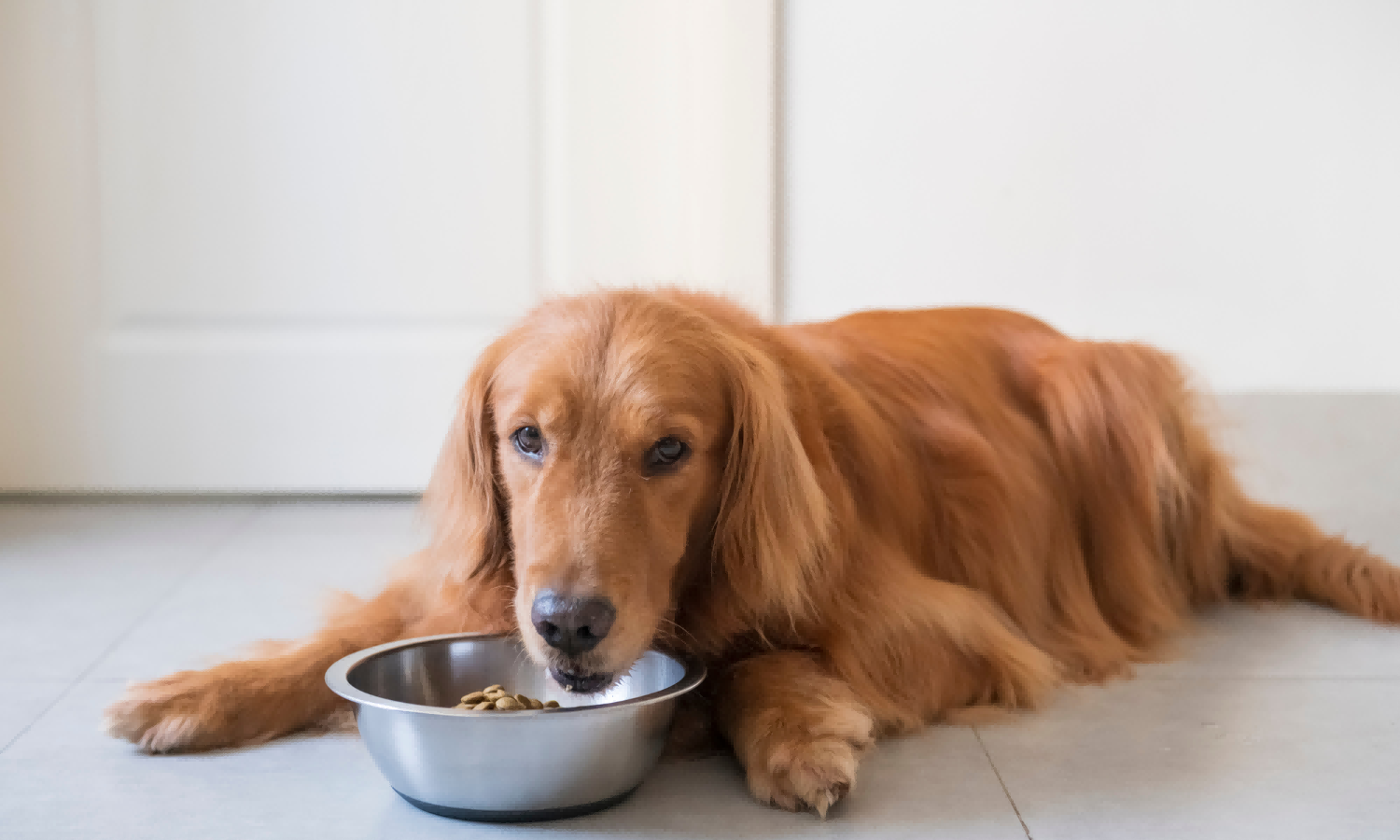
When pet owners search for “best dog food for picky eaters small breed,” they assume the formula is wrong.
But in commercial production, the real issue is often:
• Insufficient aroma intensity
• Weak coating adhesion
• Aroma loss during storage
• Grain-free or functional formulas reducing natural taste
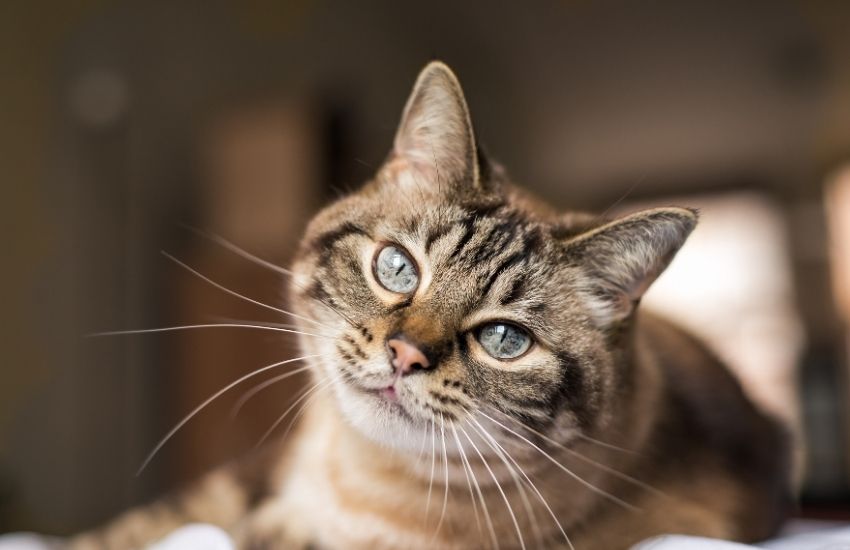
Small breed dogs and indoor cats are especially sensitive to surface aroma strength.
Without a structured palatant system, even high-protein diets can fail in feeding trials.
What Is a Palatant in Professional Pet Food Production?
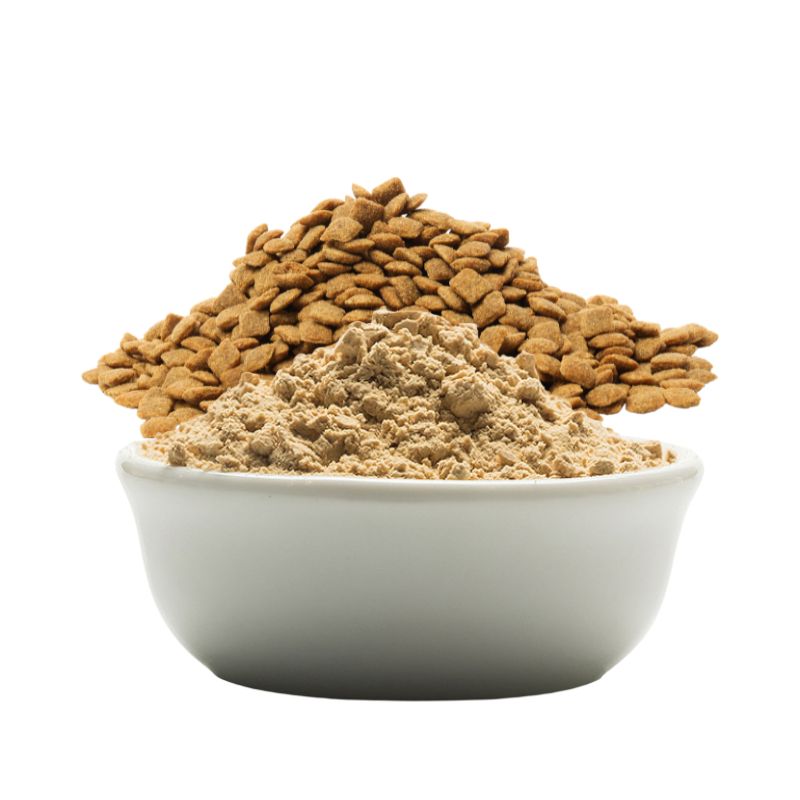
A palatant is not simply a flavor additive.

It is a performance-driven coating system designed to:
✔ Stimulate first approach
✔ Increase intake within feeding window
✔ Improve bowl-empty rate
✔ Maintain aroma stability in humid climates
Professional palatants often include:
• Hydrolyzed animal proteins
• Reaction flavor compounds
• Fat-compatible carriers
• Surface adhesion enhancers
This is fundamentally different from simple taste boosters mixed into raw materials.
Palatants vs Taste Boosters: Commercial Comparison
Basic taste boosters typically:
• Add a flavor note
• Are blended into the base formula
• Offer limited intake improvement
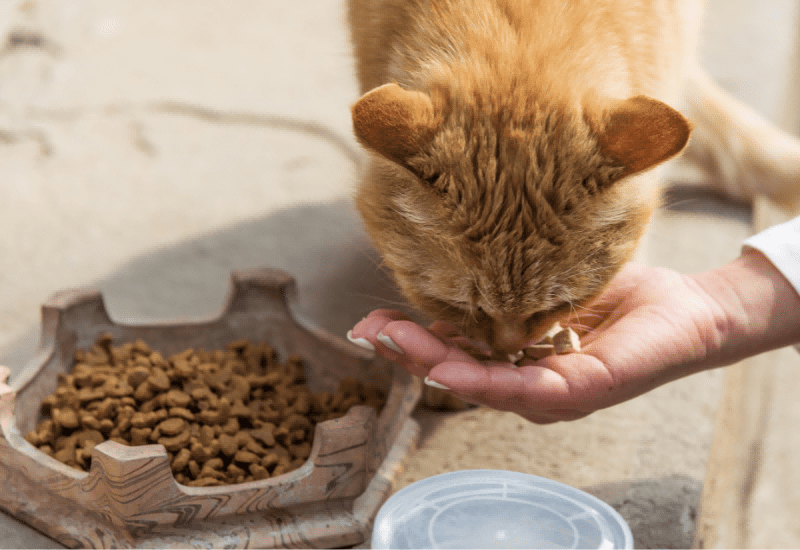
Professional palatant systems:
• Are applied post-extrusion
• Use layered coating technology
• Deliver measurable intake increase
• Improve storage stability
For export markets such as Southeast Asia and the Middle East, humidity resistance becomes critical.
Aroma degradation after 45–60 days can significantly reduce feeding enthusiasm.
Data Example: Intake Improvement in Small Breed Dog Food
In a commercial evaluation of dry small breed dog kibble:
Original 15-minute intake: 60%
After hydrolyzed liver palatant coating: 78%
Intake improvement: +30%
Additional observations:
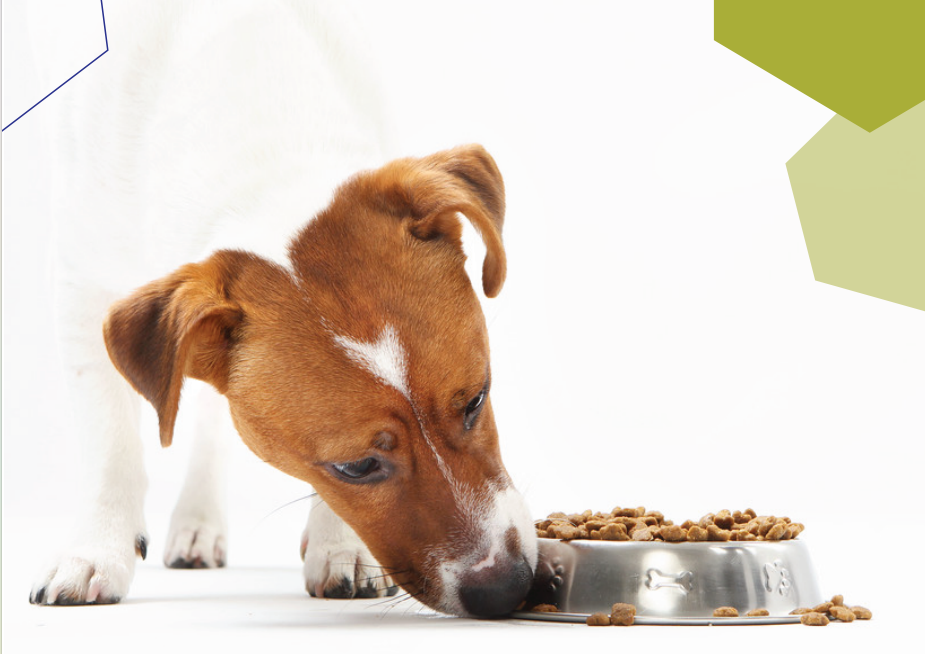
• Faster bowl approach time
• Reduced selective eating
• Stronger aroma persistence after 60-day storage test
This demonstrates why ranking for “dog food flavor enhancer” matters — manufacturers are actively seeking solutions.
Why “Palatant” and “Palatants” Have High Impressions
The keyword “palatant” already ranks around position 5–6.
This indicates strong topical authority.
However, CTR remains low because:
• Titles do not highlight performance data
• Meta descriptions lack commercial outcome language
• Pages focus on ingredients rather than results
Search intent is solution-driven, not definition-driven.
Buyers want to know:
Will this increase feed intake?
Will this improve repeat purchase rates?
Is it stable in export markets?

How to Improve Feeding Acceptance Strategically
For B2B manufacturers, a structured approach includes:
- Optimized fat pre-coating
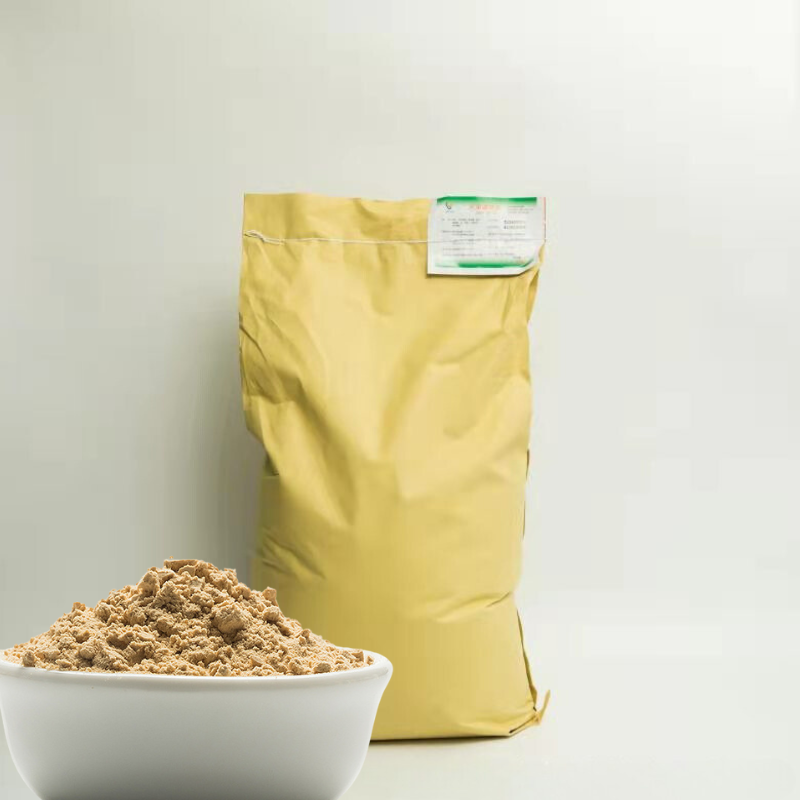
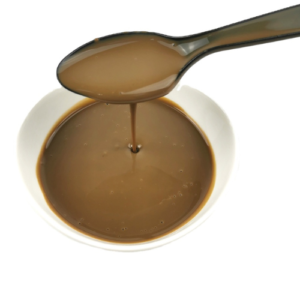
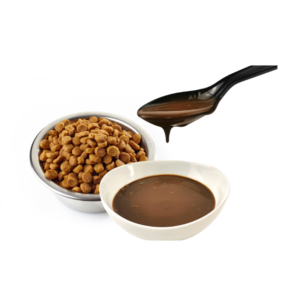
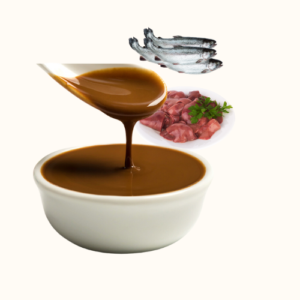
- Application of liquid hydrolyzed palatant
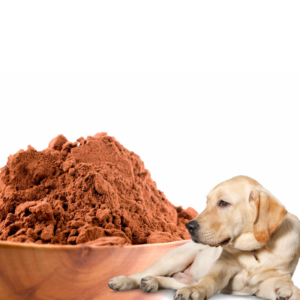
- Final powder aroma layer
- Stability validation under humidity simulation
This layered system maximizes aroma retention and feeding stimulation.
Palatability enhancement should be evaluated using:
• 15-minute intake measurement
• Bowl-empty rate
• Approach time
• 60-day storage stability
Strategic Industry Insight
The rise in searches for:
• taste boosters for cats
• dog food flavor enhancer
• palatants
signals a broader industry shift.
Pet food competition is intensifying.
Nutritional claims are no longer enough.
Feeding behavior performance is becoming a competitive differentiator.
Manufacturers who integrate structured palatant systems gain:
• Higher repeat purchase rates
• Reduced distributor complaints
• Improved market stability
• Faster inventory turnover
Conclusion
Search data confirms increasing industry focus on palatants and flavor enhancers.
However, the real opportunity lies not in explaining what a palatant is — but in demonstrating measurable intake improvement and commercial value.
In modern pet food manufacturing, palatability is not a cost.
It is a revenue driver.
Manufacturers who treat it as a strategic performance factor will outperform competitors in increasingly saturated markets.