Penambah Palatabilitas
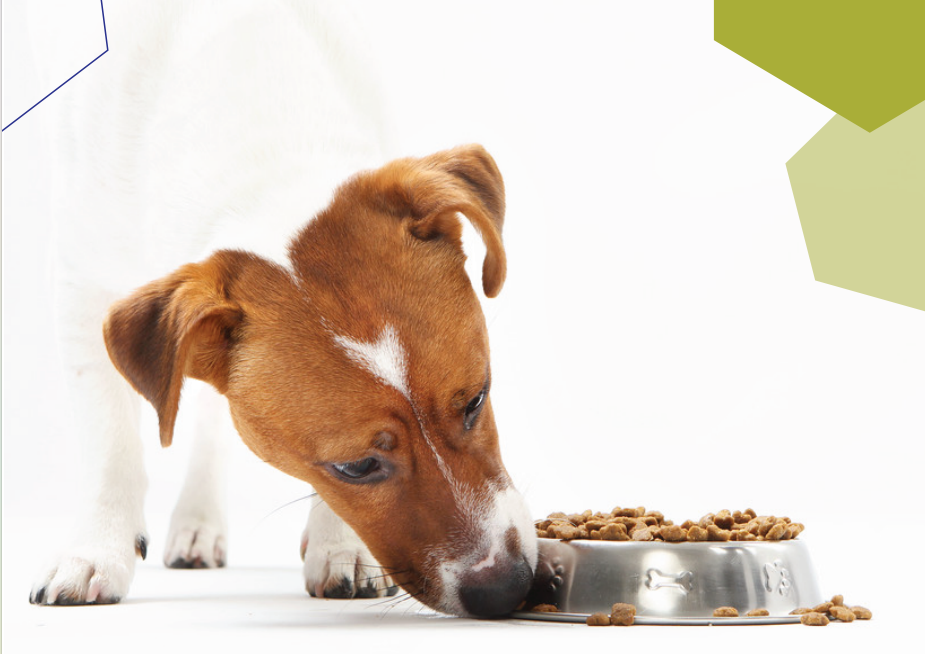
If nutrition is the science of what goes into food, palatability is the science of whether an animal actually wants to eat it. And that difference matters a lot.
You can formulate a pet food or feed product with excellent protein levels, functional additives, vitamins, minerals, and trendy ingredients. But if the smell is off, the taste is flat, or the aftertaste is bitter, the animal may hesitate, eat less, or reject the product altogether. That is exactly why penambah palatabilitas—palatability enhancers—have become such an important part of modern feed and pet food formulation. In practical terms, palatability is what makes food attractive enough for an animal to approach it, taste it, continue eating it, and enjoy the meal experience.
A palatability enhancer is not just a “flavor additive” in the simple human sense. In pet food, it is usually a carefully designed sensory tool that improves aroma, taste, mouthfeel, and overall acceptance. Some enhancers boost savory notes. Some mask bitterness, metallic notes, or off-odors. Some are developed specifically for cats, while others are better suited for dogs. In other words, this is not a decorative ingredient. It is a functional one.
What Is a Penambah Palatabilitas?
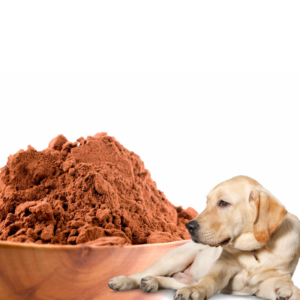
A penambah palatabilitas is any ingredient or formulation added to feed or pet food to make it more appealing and more acceptable to the target animal. In the pet food world, these ingredients are often called palatants or palatability enhancers. Their purpose is to improve voluntary intake, increase meal satisfaction, and help animals consume the nutrients they need more consistently.
That sounds simple, but it covers a lot of sensory territory. A successful palatability enhancer can influence first smell, first bite, repeat consumption, and even overall preference when animals are given more than one food option. This matters because acceptance is not driven by a single factor. Aroma, surface coating, ingredient quality, fat system, texture, and species-specific taste preference all play a role.
In livestock nutrition, similar principles apply. Ingredients like oils or selected additives may be used to improve feed acceptance and help animals consume rations more willingly. That is why the idea of a “penambah palatabilitas” is broader than pet food alone, even though the most sophisticated commercial development is often seen in dog and cat food.
Why Palatability Is So Important
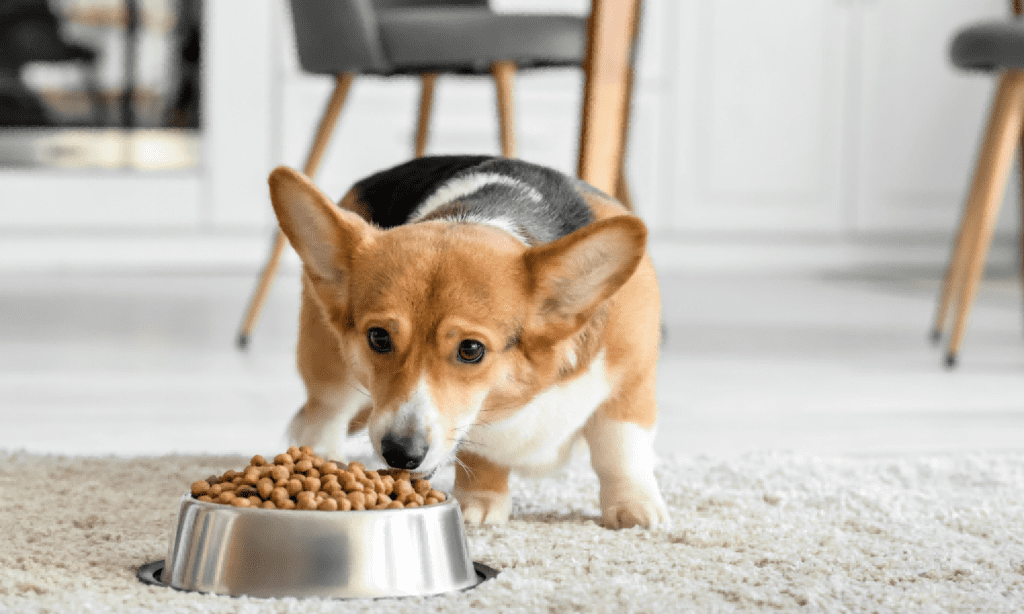
The most obvious reason is intake. If an animal does not want to eat the food, nutritional formulation on paper stops meaning very much in real life. This becomes especially important in premium diets, therapeutic formulas, functional foods, and products that contain challenging ingredients. Vitamins, minerals, amino acids, herbal extracts, and plant proteins can all introduce sensory issues that reduce acceptance if they are not properly balanced.
Palatability also matters because modern pet owners expect more than “basic feeding.” They want meals their pets enjoy. Many manufacturers now position palatability as part of the total product experience, not just a technical specification. Better acceptance can support feeding consistency, customer satisfaction, and repeat purchase behavior. That is one reason major pet food ingredient companies emphasize palatability as a strategic part of product design rather than a last-minute adjustment.
There is another reason, too: today’s formulations are getting more complicated. High-protein products, grain-free recipes, functional diets, alternative proteins, clean-label ambitions, and targeted health claims all create new sensory challenges. When formulators add ingredients for health, shelf life, functionality, or sustainability, the taste and aroma profile can become harder to manage. Palatability enhancers help bridge that gap between nutritional goals and eating behavior.
How a Palatability Enhancer Works
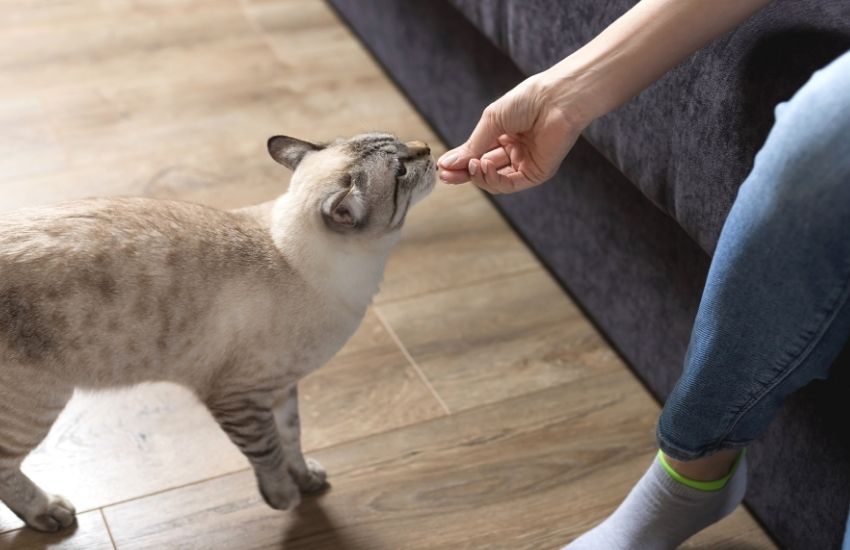
At a practical level, a good penambah palatabilitas does one or more of the following:
It makes the food smell more attractive before the first bite.
It boosts desirable taste notes, often savory or umami-like.
It masks unwanted bitterness, metallic notes, or raw-material off-odors.
It improves coating performance on kibble or compatibility in wet and semi-moist systems.
It encourages repeat consumption rather than just initial curiosity.
This is why palatability work is often highly technical. A formula that performs well in dry kibble may not work as well in wet food. A solution that appeals to dogs may fail with cats. Surface application, fat system, moisture level, and process conditions can change the final result significantly. That is also why patents and commercial solutions in this field often focus not only on the flavor source itself, but on preparation method, delivery system, and application strategy.
Common Types of Penambah Palatabilitas
Palatability enhancers come in many forms, but a few broad categories are especially common.
1. Animal-based digests and hydrolysates
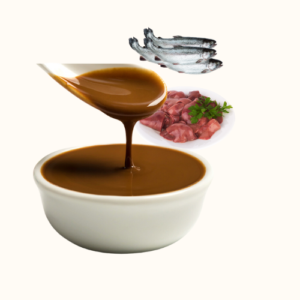
These are widely used because they deliver strong savory notes that many pets naturally respond to. Chicken liver, meat digests, fish-based materials, and hydrolyzed protein systems are common examples. They are especially valued in products that need a rich aroma profile or a strong taste boost.
2. Yeast-derived and umami-rich ingredients
Some palatants rely on yeast or fermentation-derived compounds to create a clean savory profile. These ingredients can also help mask unpleasant notes from functional additives. In certain formulations, they offer a useful alternative or complement to strongly animal-derived flavor systems.
3. Liquid coatings and pastes
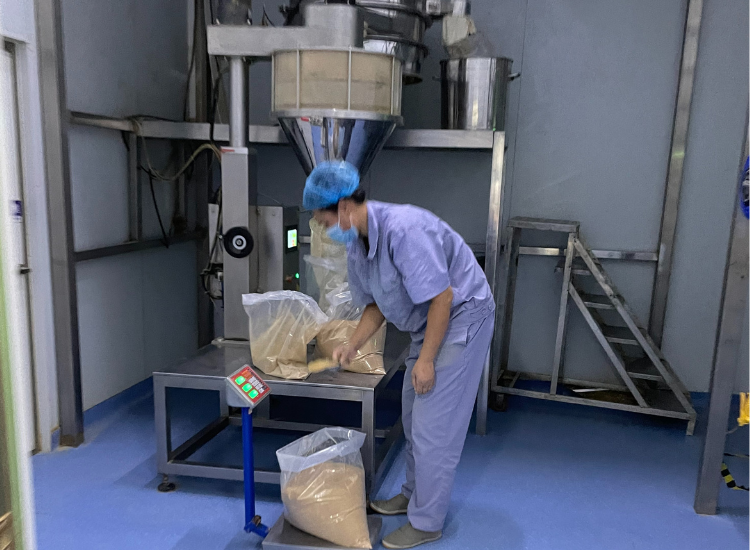
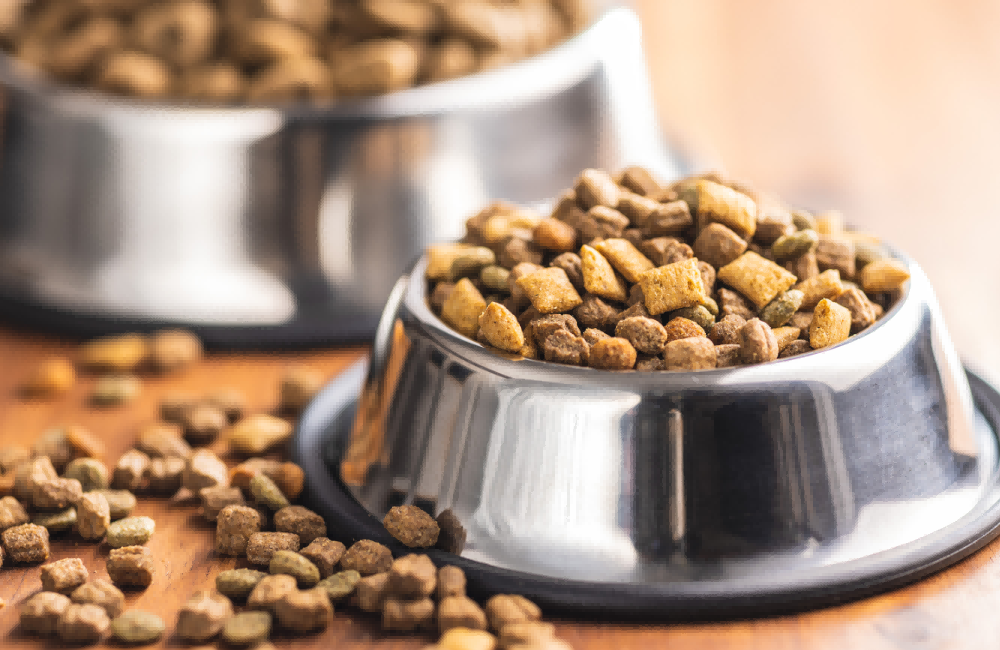
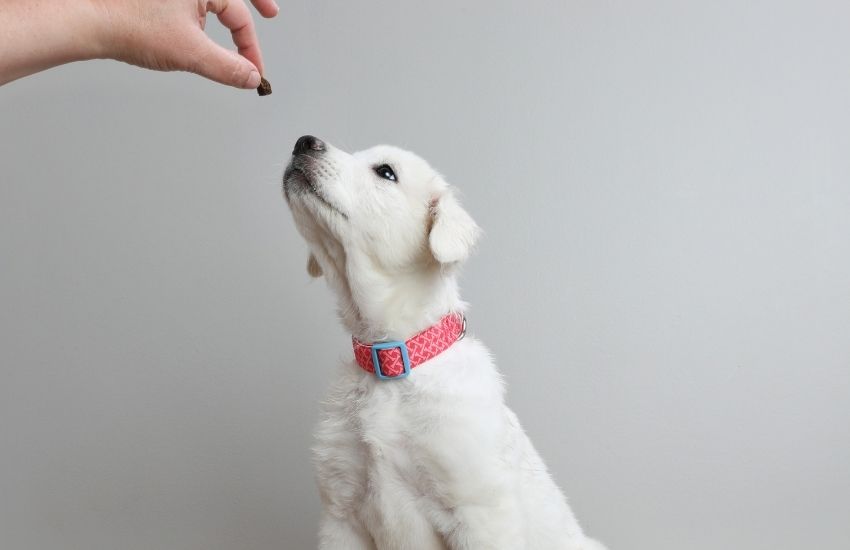
For many dry foods, especially kibble, palatability is strongly influenced by what sits on the surface. Liquid palatants and seasoning pastes are often used as top coatings because they deliver aroma quickly and can improve first-contact appeal. Commercial examples in the market highlight chicken liver liquid systems and similar savory profiles for this reason.
4. Natural oils and acceptance boosters
In broader feed contexts, oils may also contribute to palatability while serving nutritional functions. The same ingredient may help improve energy density and sensory acceptance at the same time, depending on the species and ration design.
Why Cats and Dogs Need Different Strategies
One of the biggest mistakes in product development is assuming that “good flavor is good flavor” across all species. It does not work that way.
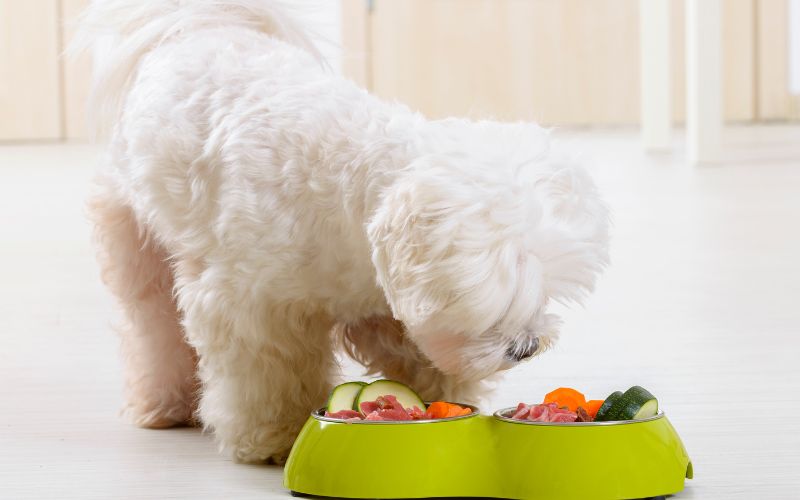
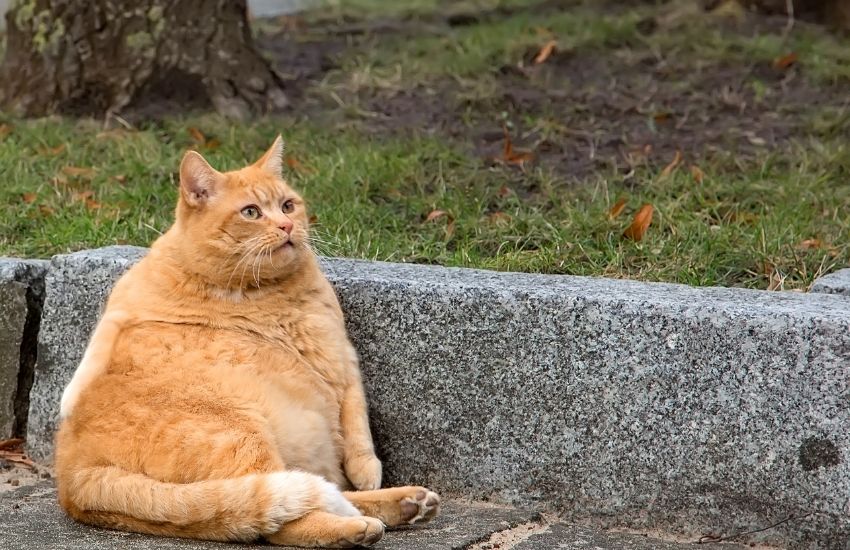
Cats are obligate carnivores and are often more selective. Their sensory preferences are different from dogs, and they can be particularly sensitive to off-notes in functional or plant-forward formulations. Dogs, on the other hand, may show stronger acceptance for certain aroma profiles or digest systems, but even then, preference depends on product format and ingredient balance. Source materials on pet food palatability repeatedly note that species-specific performance is essential: a palatability enhancer that works in cats may not work in dogs, and one that works in dry food may not work in wet food.
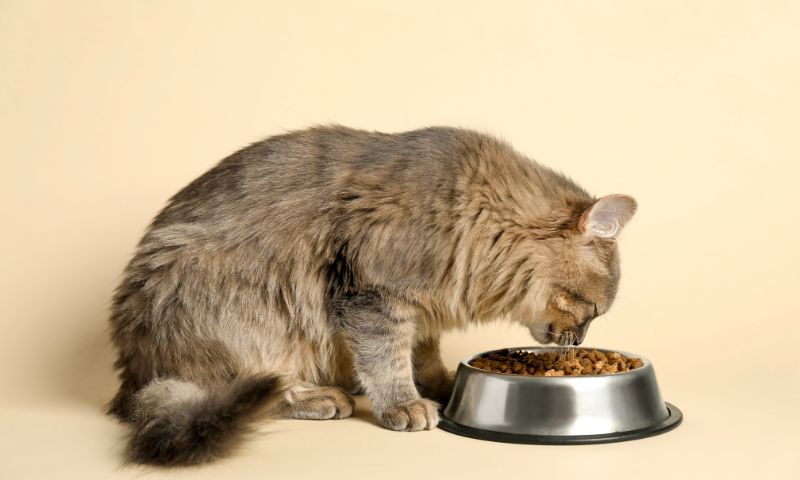
That is why serious manufacturers test palatants with target animals rather than relying on human judgment alone. A food that smells strong or pleasant to a person may not be the one that wins in an animal preference trial. In pet food, the animal is the real sensory panel.
Choosing the Right Penambah Palatabilitas
For formulators, the right question is not “Which palatability enhancer is strongest?” The better question is: Which enhancer fits this product, this species, this process, and this cost target?
A strong palatant is not always the best one. Sometimes the goal is maximum aroma impact. Sometimes it is bitterness masking. Sometimes it is cleaner labeling. Sometimes it is stable performance in extrusion and coating. And sometimes it is simply finding a balanced solution that raises acceptance without overwhelming the formula or pushing cost too high. Commercial suppliers frequently position their portfolios this way, offering different performance levels and application matches rather than claiming one universal answer.
In real product development, a formulator usually has to think about several checkpoints:
What species is the product for?
Is it dry, wet, semi-moist, or treat format?
What ingredients in the formula may cause sensory problems?
Will the palatant be added in the mix or as a surface coating?
What is the target price point?
How stable must the system be during processing and storage?
Common Mistakes to Avoid
One common mistake is adding a palatability enhancer too late in development, almost as a rescue tool. In reality, palatability should be considered from the beginning, especially when using challenging ingredients. Another mistake is copying a solution from one product category to another without testing. A dry kibble success does not automatically translate into wet food performance. And a dog-winning flavor profile may underperform badly in cat food.
A third mistake is focusing only on “strong flavor” instead of total sensory harmony. The best products are not necessarily the loudest. Often they are the most balanced—good aroma release, clean savory impact, limited off-notes, and reliable repeat intake. Palatability is not just intensity. It is compatibility.
The Future of Penambah Palatabilitas
The market direction is becoming clearer. There is growing interest in more natural and more specialized palatability systems, including solutions that support clean-label positioning, alternative proteins, and more technically demanding health-oriented formulations. Industry sources also point to rising interest in plant extracts, essential oils, encapsulation technologies, and smarter delivery systems in broader feed palatability markets.
In pet food specifically, the future is likely to be more targeted rather than more generic: species-specific, format-specific, and formula-specific. As pet nutrition becomes more personalized and functional, palatability enhancers will keep moving from the background into the center of product strategy. That makes sense. After all, even the most advanced formula still depends on one very basic outcome: the animal has to want to eat it.
Conclusion
A penambah palatabilitas is much more than a taste booster. It is a practical bridge between nutrition and real-world eating behavior. It helps animals accept food more readily, helps formulators solve sensory problems, and helps manufacturers build products that are not only nutritionally sound but genuinely consumable.
In a world where pet food and feed formulas are becoming more ambitious, palatability is no longer optional. It is part of performance. When done well, a palatability enhancer turns a technically correct formula into a product that animals actually enjoy—and that, in the end, is what makes the formulation succeed.