
Why Some Pet Foods Fly Off Shelves — and Others Don’t
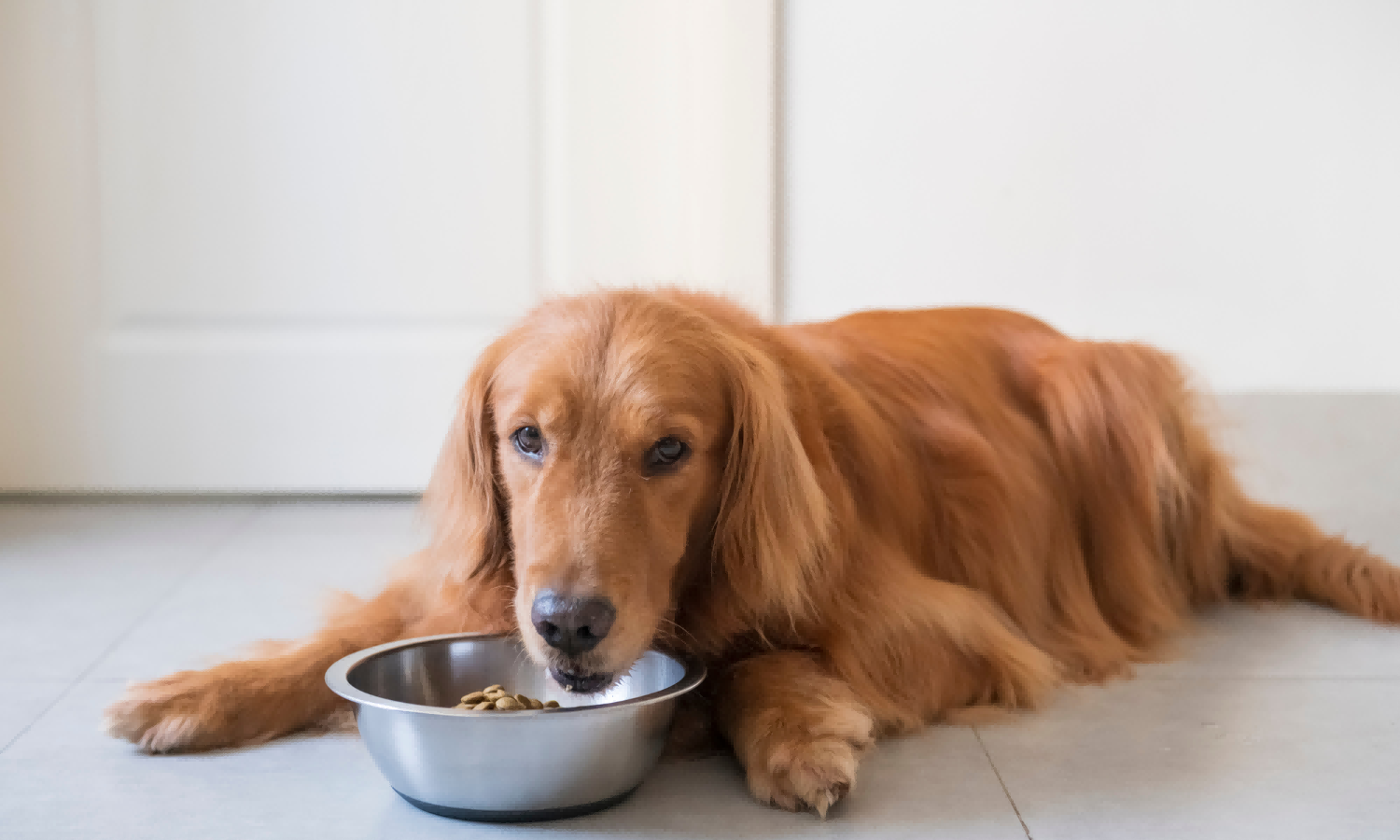
Imagine you’ve spent months perfecting a new dog food recipe. The protein is top-notch, the ingredients clean, the packaging sleek. But after launch? The feedback is lukewarm. Dogs sniff and walk away. Cats? Forget it. No second look.
This is where pet feed additives step in — the unsung heroes of the pet food world.
They don’t get flashy labels. But they do the heavy lifting when it comes to taste, digestibility, health benefits, and shelf stability. And in the ultra-competitive landscape of pet nutrition, these ingredients often mean the difference between a product that thrives and one that gathers dust.
What Are Pet Feed Additives, Really?
Think of them as the behind-the-scenes cast in a blockbuster film. Not the stars (like chicken or salmon), but the ones that make the stars shine.
At their core, pet feed additives for dogs and cats are supplemental ingredients added in small amounts to improve:
- Flavor and aroma (palatants)
- Nutrition (vitamins, amino acids, minerals)
- Digestive support (probiotics, enzymes)
- Preservation (antioxidants, mold inhibitors)
- Functional health (joint care, skin, immunity)
They’re precision tools — and when used right, they help tailor pet food to breed, age, lifestyle, and even local market expectations.
Meet the Key Categories of Pet Feed Additives
1. Palatability Enhancers: The Taste Makers
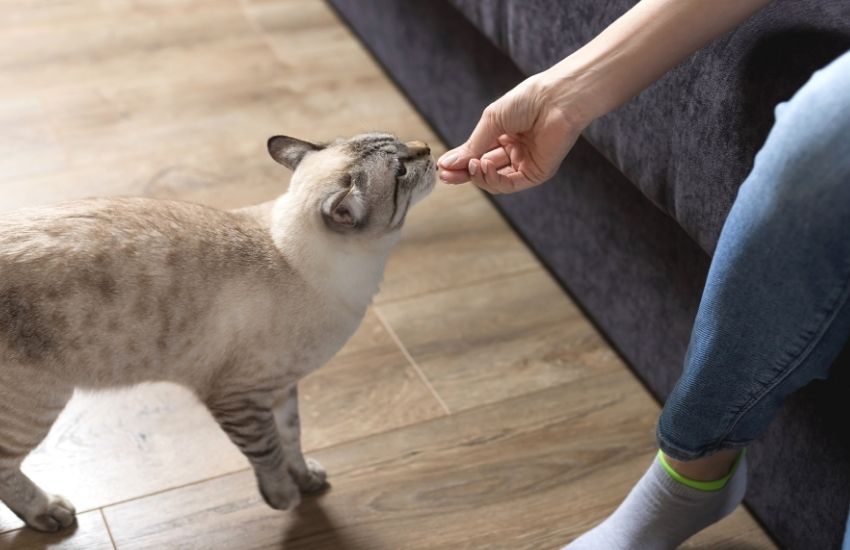
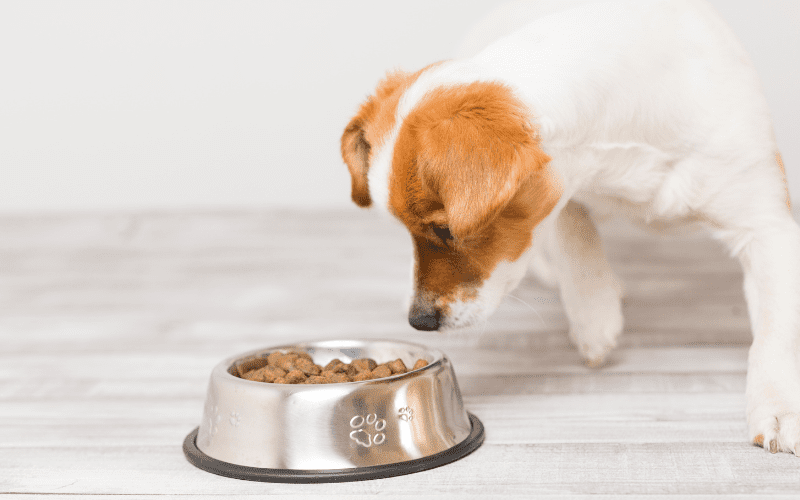
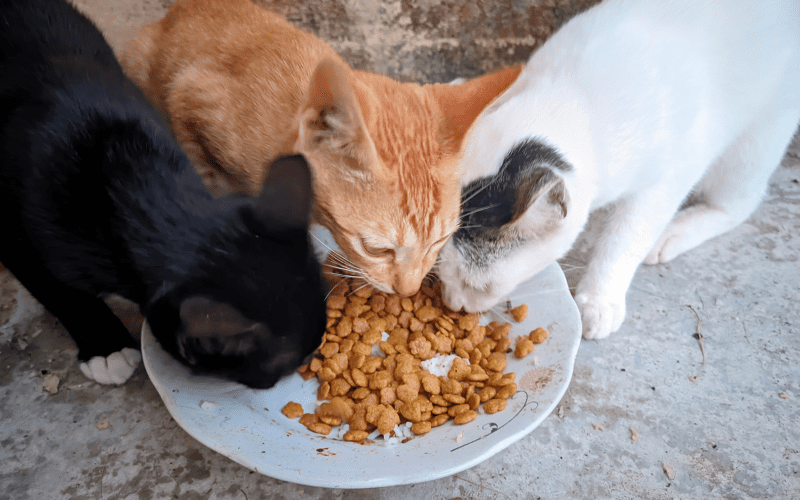
Let’s face it — dogs and cats eat with their noses first. If it doesn’t smell right, it won’t get a bite.
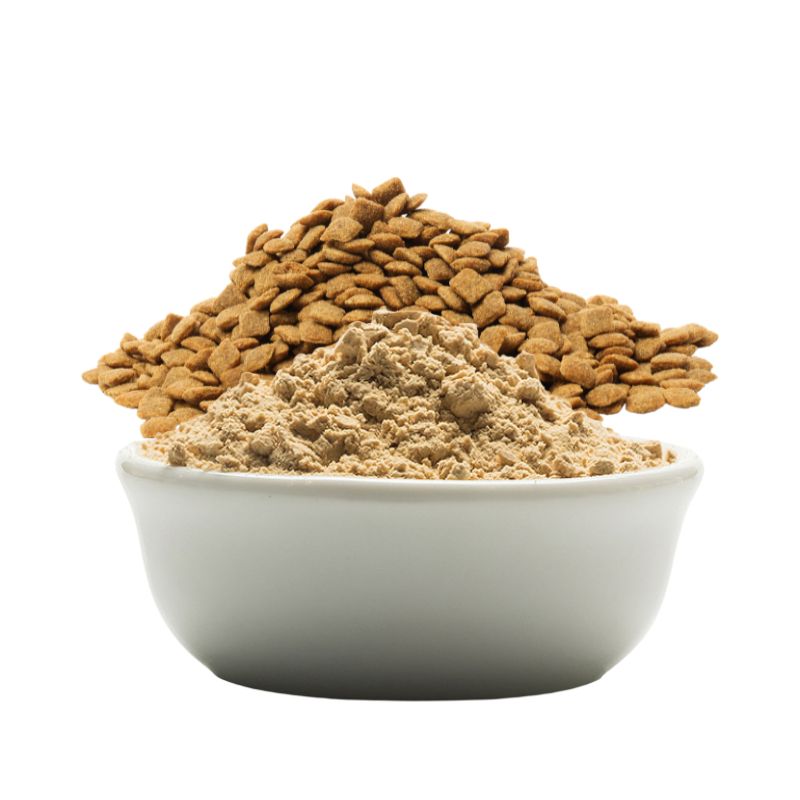
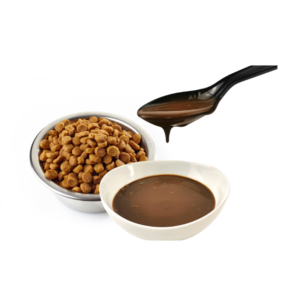
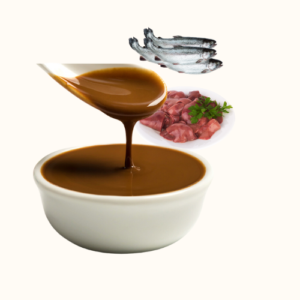
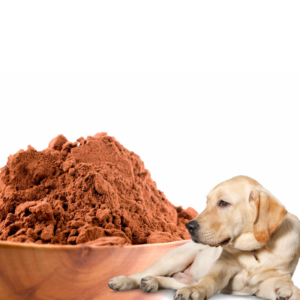
Palatants are carefully developed to mimic the savory aroma of meat or fat. They make even grain-free or plant-heavy formulas irresistible.
🧠 Insider tip: At ProfyPet, we’ve developed species-specific palatants based on years of animal feeding trials. The result? 20–30% higher acceptance in first-time feeding.
2. Digestive Additives: Gentle on the Gut
Digestive upsets can quickly turn customers off your brand. Enter:
- Prebiotics like FOS and MOS for beneficial bacteria
- Probiotics to balance intestinal flora
- Digestive enzymes to break down fats, carbs, proteins
These additives help ensure pets not only enjoy the food — but absorb every nutrient packed inside.
3. Nutritional Additives: The Quiet Support System
Sometimes raw materials don’t cut it. To meet global nutritional standards, pet food often needs:
- Essential vitamins like A, D, E, and B-complex
- Trace minerals such as zinc, iron, and selenium
- Taurine for cats — a non-negotiable
Good nutrition starts with the right macro balance, but it’s these micro details that often determine product efficacy and regulatory approval.
4. Functional Additives: Health on a Mission
Functional nutrition is booming — and additives are driving it. Pet parents now expect food to do more than feed; they want it to heal, protect, and enhance.
Examples include:
- Glucosamine & chondroitin for older dogs’ joints
- L-carnitine for managing weight in inactive pets
- Yucca schidigera to reduce stool odor
- Cranberry extract for urinary health in cats
Formulas with these additions aren’t just premium — they’re personalized wellness plans in a bowl.
5. Preservatives and Antioxidants: Keeping It Fresh
Pet food doesn’t sell itself in a week. It sits in warehouses, travels across continents, and still needs to smell good when the bag is opened.
- Natural preservatives like tocopherols (vitamin E) are trending
- Synthetic options like BHA/BHT remain in use under strict regulation
- Antioxidants protect fats from going rancid
At ProfyPet, we offer custom preservative systems that extend shelf life without compromising the “clean label” demands of modern buyers.
What Pet Food Professionals Should Ask When Choosing Additives
Before you add anything to your next formulation, ask:
- Who is the end user — puppy, senior cat, toy breed?
- What’s the format — dry, canned, freeze-dried, baked treat?
- Is this for domestic use or export (EU, USA, Japan regulations differ)?
- Is your brand “natural,” “functional,” “veterinary,” or “budget”?
Choosing the wrong additive (or wrong inclusion rate) can lead to costly reformulations or worse — returns.
That’s why we provide technical consulting alongside every additive solution we offer.
How Pet Feed Additives Power OEM and Private Label Success
In a world of lookalike packaging and endless SKUs, additives can differentiate your brand. Especially in OEM/ODM manufacturing, where buyers want something “unique but proven,” the additive blend becomes the secret sauce.
We help private label customers:
- Build signature palatant profiles
- Offer targeted functional SKUs (e.g. anti-hairball, immune boost)
- Ensure additive compatibility with co-extrusion, canning, baking, or air-drying
What’s Trending in 2025 for Pet Feed Additives?
🔍 Market insight:
- Clean label additives are outpacing synthetics by 21% year-over-year
- Functional food demand is growing fastest in the Asia-Pacific pet food sector
- Pet owners now recognize ingredients like L-carnitine or prebiotics by name — that’s a marketing edge
Expect to see innovations in:
- Postbiotics and fermented extracts
- Insect-based palatants
- Multi-functional additive blends (e.g., gut + immune + skin)
At the end of the day, dogs and cats can’t read labels. But they know what they like. Pet feed additives are your way of making sure they enjoy every bite — and come back for more.
At ProfyPet, we specialize in palatability enhancers and functional feed additives that make pet food perform better — on the shelf, in the bowl, and in the gut.
📞 Ready to reformulate or build a custom solution?
👉 Explore our ingredient catalog or get in touch at www.profypet.com. Let’s make something they’ll love.