Pet Food Flavor Coating Process
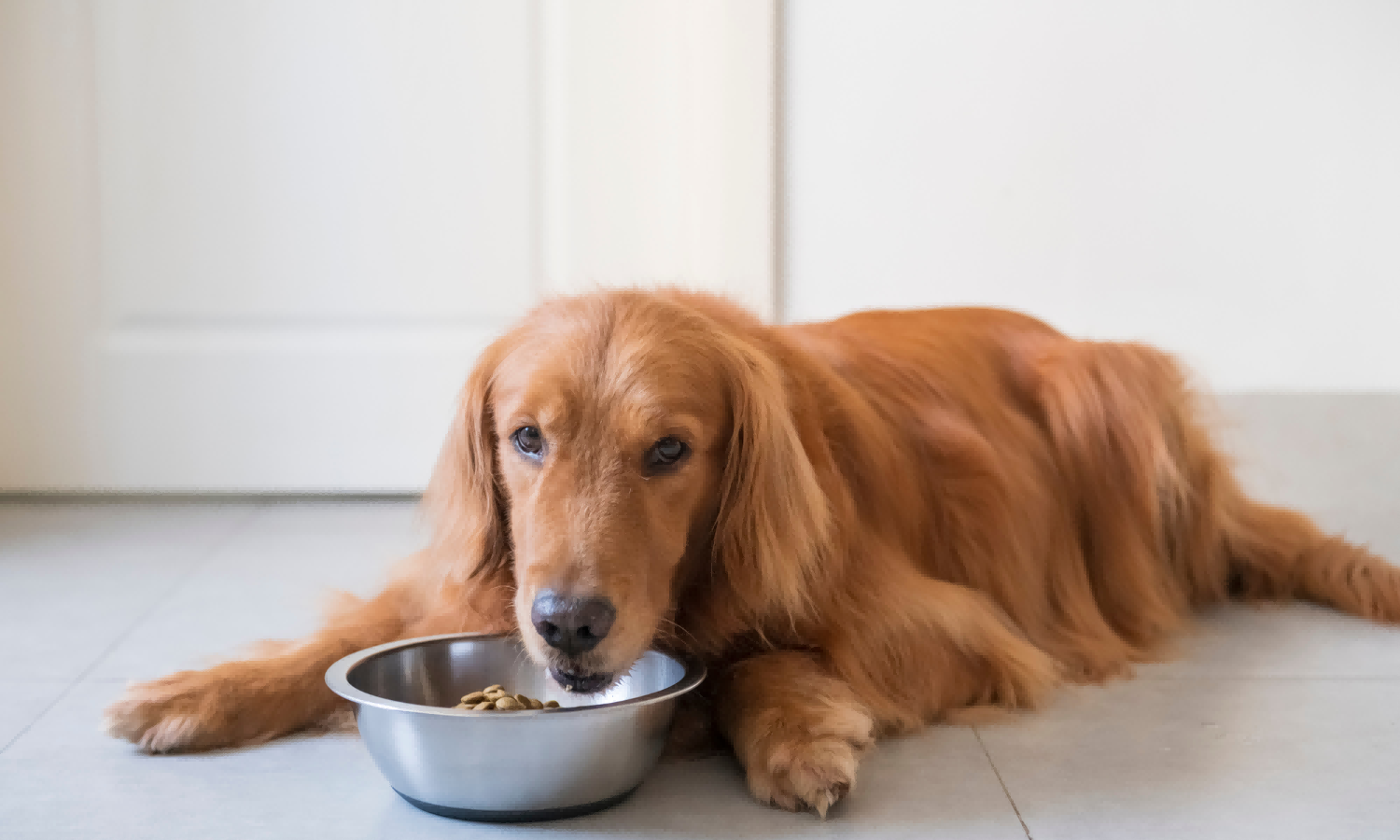
If nutrition gets a pet food product onto the shelf, flavor gets it into the bowl again.
That is the quiet truth behind repeat purchase in pet food. A formula can be rich in protein, beautifully balanced, and nutritionally complete—but if the pet sniffs it once and walks away, the formulation has already failed.
This is where the pet food flavor coating process becomes one of the most important steps in modern pet food manufacturing.
For pet food manufacturers, factories, and ingredient buyers, flavor coating is not just a finishing step. It is the stage where dry kibble becomes more aromatic, more palatable, and more likely to win repeat feeding acceptance. In practical terms, it is where processing meets preference.
And in today’s market, preference matters more than ever. The global pet food palatants market reached $1.8 billion in 2025 and is projected to grow to $3.2 billion by 2034, driven by premiumization, clean-label demand, and stronger focus on feeding performance.
What Is the Pet Food Flavor Coating Process?
Pet food flavor coating is the post-extrusion application of fats, oils, digests, and palatants onto the surface of kibble or dry treats to improve aroma, taste, and feeding acceptance.
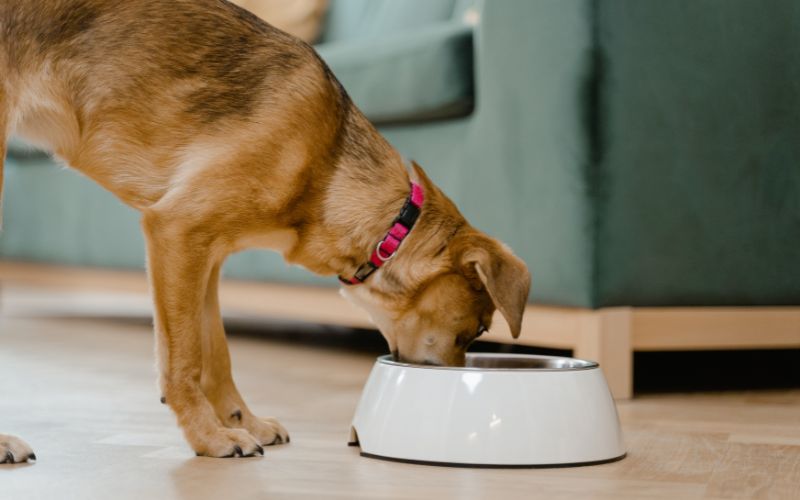
In simple terms, it is the step that makes dry pet food smell and taste better to dogs and cats.
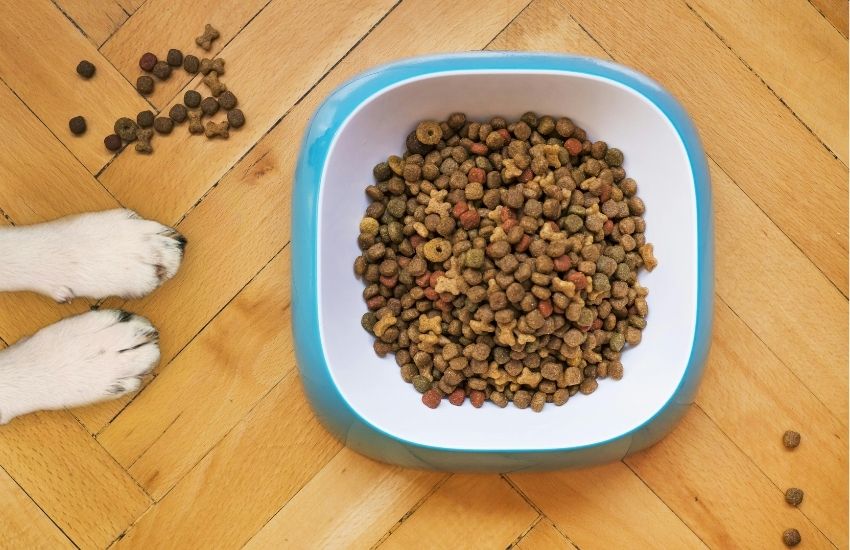
After kibble is extruded and dried, it is naturally porous and relatively bland. The coating process adds a functional outer layer—typically including fats, liquid digest, and dry palatants—that transforms plain kibble into a more attractive product.
This coating layer serves several purposes:
- Improves aroma release
- Enhances first-bite acceptance
- Increases feeding consistency
- Supports visual uniformity
- Delivers species-specific flavor cues
- Helps differentiate premium formulas
This is especially important in dry food, where extrusion improves shelf stability but often reduces natural aroma intensity. Research consistently shows that dry pet food is generally less palatable than wet food, making coating one of the most important tools in palatability management.
Why Flavor Coating Matters More Than Ever
Modern pet owners are not just buying nutrition. They are buying feeding confidence.
They want products that are healthy, functional, and easy to feed without hesitation. If a dog refuses a functional kibble or a cat rejects a premium formula, the consumer rarely blames palatability science—they simply switch brands.
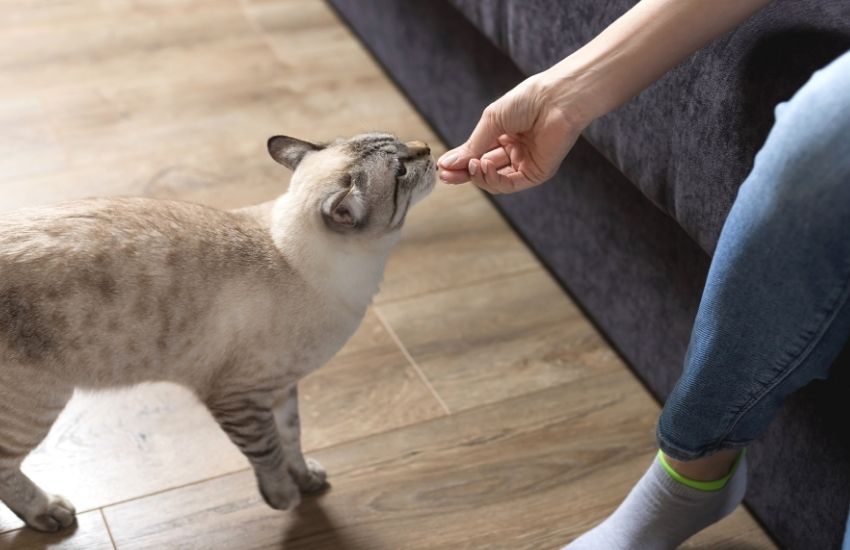
That is why flavor coating has become a strategic advantage, not just a processing detail.
A strong coating system helps manufacturers:
- Improve product acceptance without changing core formulation
- Increase repeat purchase through better feeding response
- Offset palatability loss from high-fiber or functional ingredients
- Improve performance in premium, grain-free, and therapeutic diets
- Build more consistent sensory performance across batches
This is particularly valuable in formulas using alternative proteins, plant-forward inclusions, fiber enrichment, or veterinary actives, where taste acceptance can become a challenge.
The 5 Core Stages of Pet Food Flavor Coating
1. Extrusion and Drying: Preparing the Kibble Surface
Flavor coating starts long before coating equipment is activated.
The extrusion and drying process determines kibble density, porosity, and surface structure—all of which directly affect coating performance.
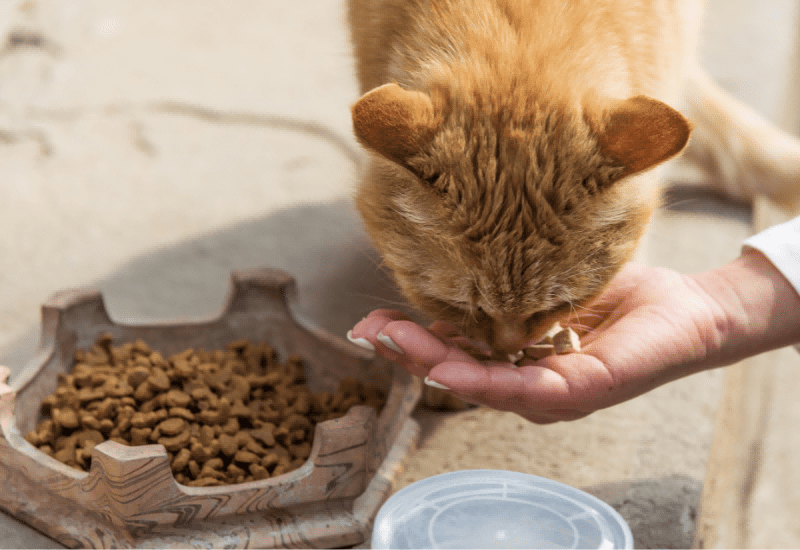
A well-expanded kibble with consistent porosity absorbs liquids more evenly and holds coatings better. Poorly formed kibble creates uneven oil uptake, inconsistent flavor distribution, and visual defects.
In other words: better coating starts with better kibble architecture.
2. Fat and Oil Application: Building the Flavor Carrier
The first coating layer is usually fat or oil.
This step provides more than energy density. It creates the carrier layer that helps distribute flavor compounds evenly across the kibble surface.
Common coating fats include:
- Chicken fat
- Pork fat
- Fish oil
- Canola oil
- Sunflower oil
- Coconut oil
These fats improve aroma release, mouthfeel, and surface adhesion. They also support visual consistency and oxidation control when properly stabilized.
Industry guidance shows oil inclusion in dog kibble typically ranges from 1% to 14%, while cat kibble often stays below 5%, depending on formulation goals.
This stage matters because uneven oil application often leads to uneven palatability.
3. Liquid Palatant Application: Delivering Immediate Aroma
Once the fat layer is in place, liquid palatants are often sprayed onto the kibble.
These usually include:
- Liquid digest
- Hydrolyzed liver
- Meat extracts
- Fermented protein liquids
- Umami-rich aroma systems
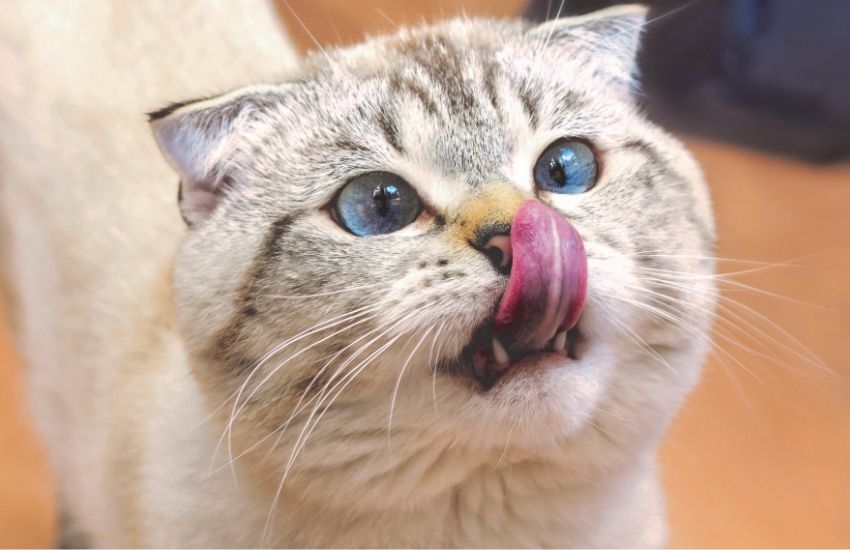
Liquid palatants create fast aroma impact. They are especially important for first sniff acceptance, which strongly influences feeding behavior in both dogs and cats.
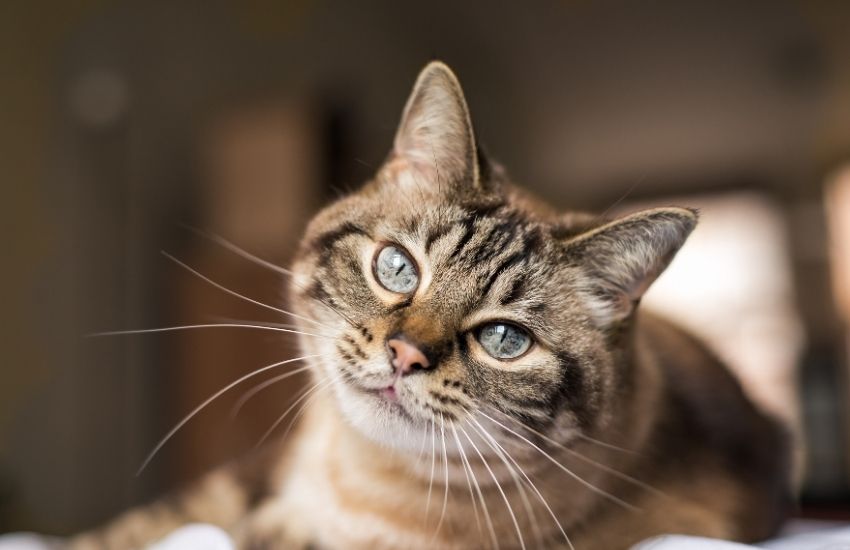
Cats in particular rely heavily on aroma cues, and feline formulas often require more targeted protein-derived volatile compounds than dog food.
This is why liquid palatants are often the first sensory “hook” in a successful coating system.
4. Dry Palatant Application: Building Surface Impact
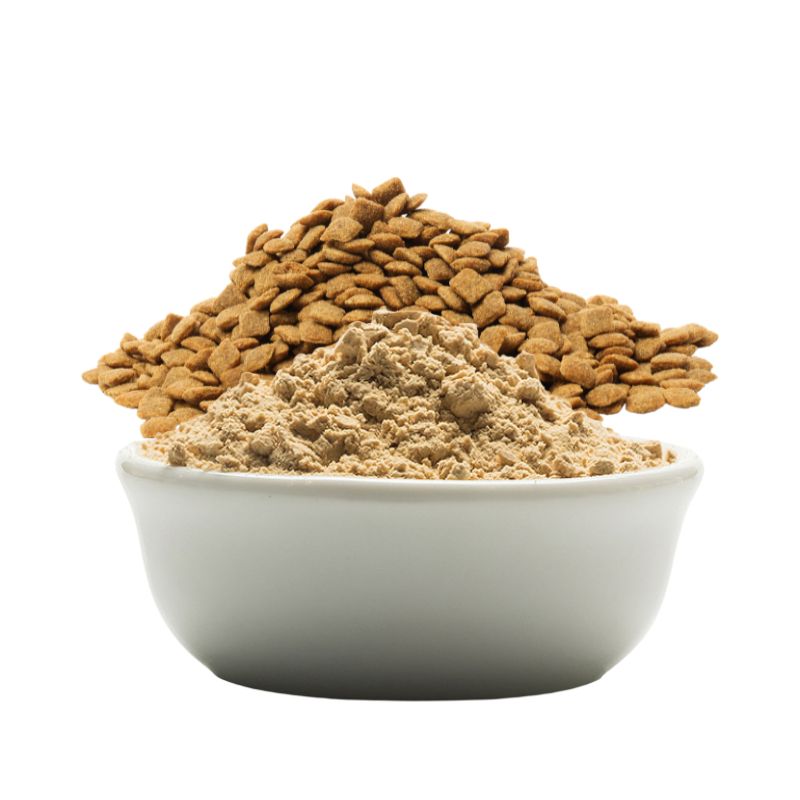
After liquid application, dry palatants are often added as the final sensory layer.
These may include:
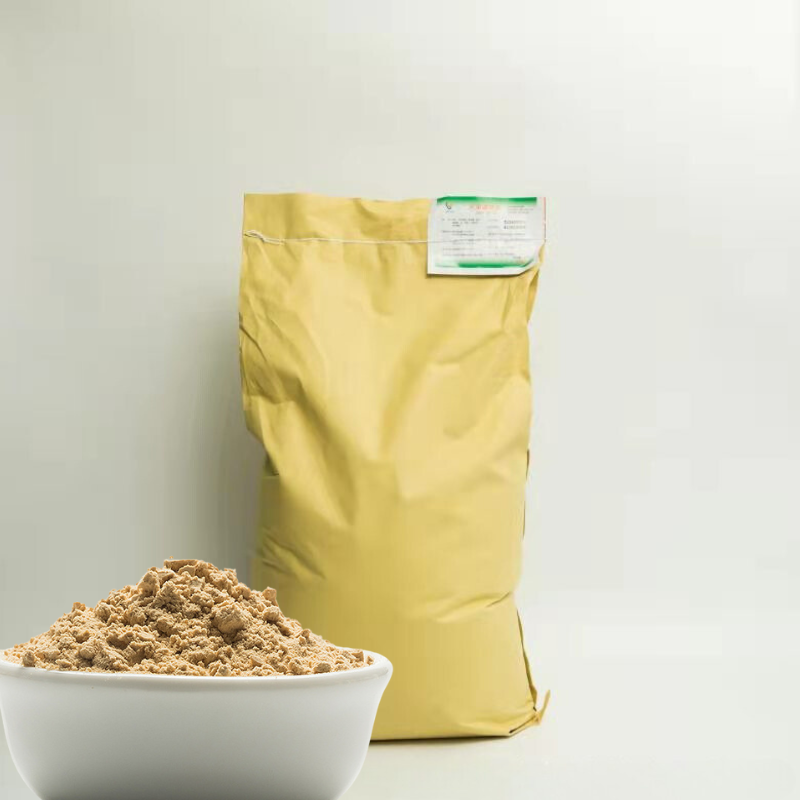
- Spray-dried liver powder
- Yeast extracts
- Meat digest powders
- Reaction flavors
- Functional flavor enhancers
Dry palatants improve surface intensity and help create stronger flavor perception during chewing.
This stage is especially useful when manufacturers want:
- Higher aroma persistence
- Cleaner handling
- Lower water activity
- Better shelf stability
- More visible flavor layering
In many systems, powder is applied directly after liquid coating to improve adhesion. Some manufacturers intentionally delay powder coating to allow fats to stabilize and keep dry palatants closer to the kibble surface, where flavor impact is stronger.
That small process decision can significantly change feeding response.
5. Cooling and Stabilization: Locking in Performance
The final stage is cooling and stabilization.
This step helps:
- Set the coating layer
- Reduce migration
- Improve bag stability
- Protect aroma integrity
- Minimize dusting and separation
Skipping stabilization often causes flavor inconsistency during storage and transport, especially in warm climates or export conditions.
For manufacturers shipping globally, this stage matters more than many realize.
Coating Technologies: Which System Works Best?
Different coating systems produce very different results.
The most common technologies include:
Batch Coating
Simple and economical, but often less uniform. Suitable for lower-output lines and basic formulations.
Vacuum Coating
Uses pressure differentials to pull fats and liquids into kibble pores. Especially effective for higher fat inclusion and improved penetration.
A recent Symrise study found vacuum coating improved palatability in cats, reinforcing its value in feline formulations.
Continuous Drum Coating
Common in cost-sensitive production but limited in retention time and coating precision.
Continuous Paddle Coating
Offers stronger uniformity, precise dosing, and better control in high-throughput systems. Often preferred for premium applications.
The right technology depends on throughput, oil load, product format, and desired coating precision—not just equipment cost.
Common Flavor Coating Mistakes
Even strong formulas underperform when coating execution is poor.
The most common issues include:
- Uneven oil distribution
- Poor powder adhesion
- Overloaded liquid application
- Weak aroma retention
- Oxidation during storage
- Inconsistent batch coverage
- Poor compatibility between fat and dry flavor systems
Most coating failures are not ingredient failures. They are process failures.
That distinction matters when troubleshooting palatability issues.
Why the Right Palatant System Changes Everything
A good coating system makes kibble smell better.
A great coating system improves feeding performance, repeat acceptance, and long-term product consistency.
That is the real role of modern pet food palatants.
For manufacturers building better kibble, better treats, and better feeding outcomes, flavor coating is no longer optional process decoration. It is one of the most commercially important technical steps in the line.
If you are developing more effective coating systems, species-specific flavor profiles, or better surface palatability for dry pet food, explore more technical insights at Profypet.