Pet Food Flavor Enhancer
When pet owners choose a product, they often focus on the label first: protein source, functional ingredients, grain-free positioning, clean-label claims, or life-stage nutrition. But for pet food manufacturers, wholesalers, and private-label brands, one truth always remains the same: if pets do not like the taste and aroma, the formula will struggle in the market.
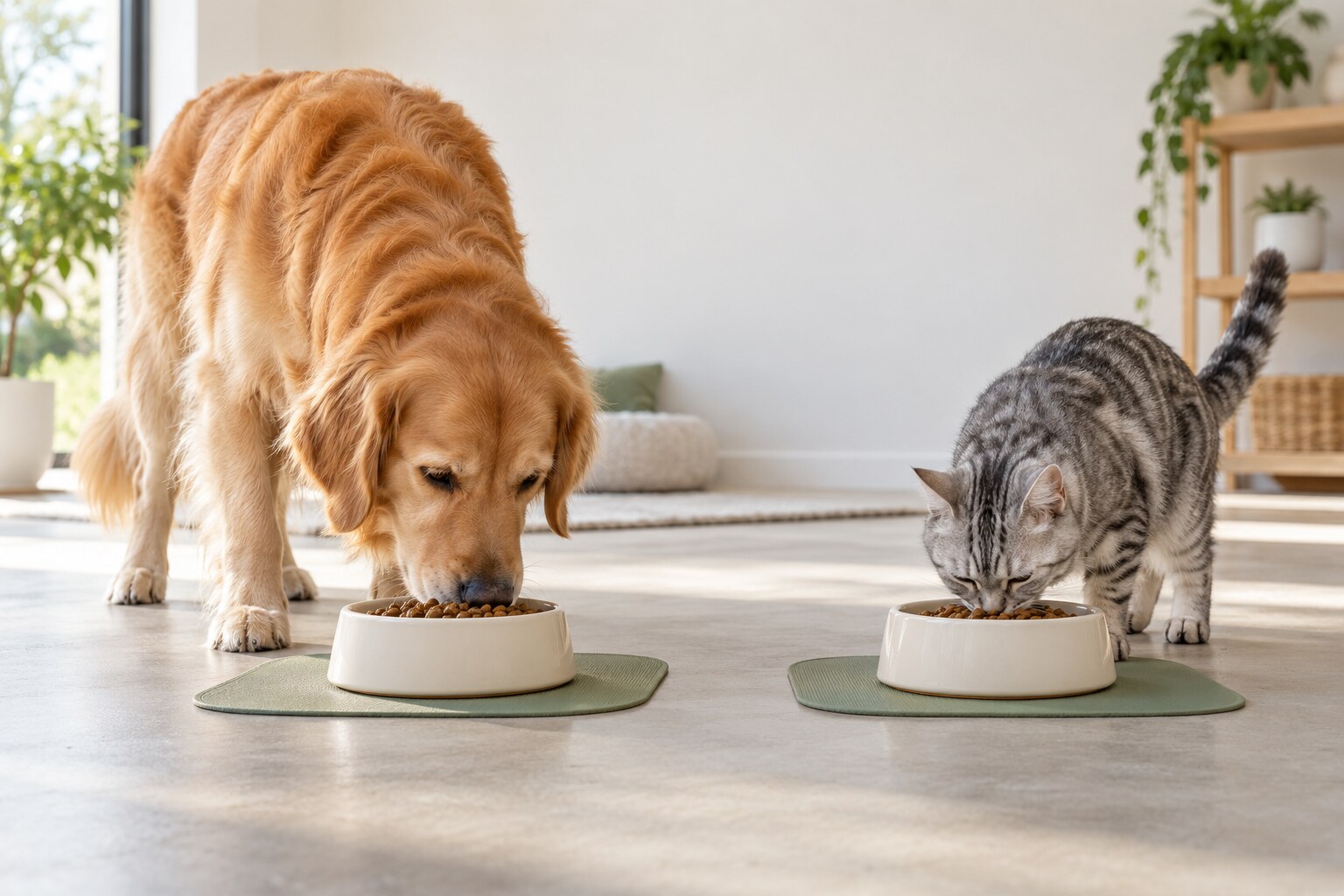
That is exactly why pet food flavor enhancer solutions have become an essential part of modern formulation strategy. Whether you are developing dry kibble, wet food, treats, toppers, or specialized diets, palatability has a direct impact on repeat purchase, customer satisfaction, and brand loyalty.
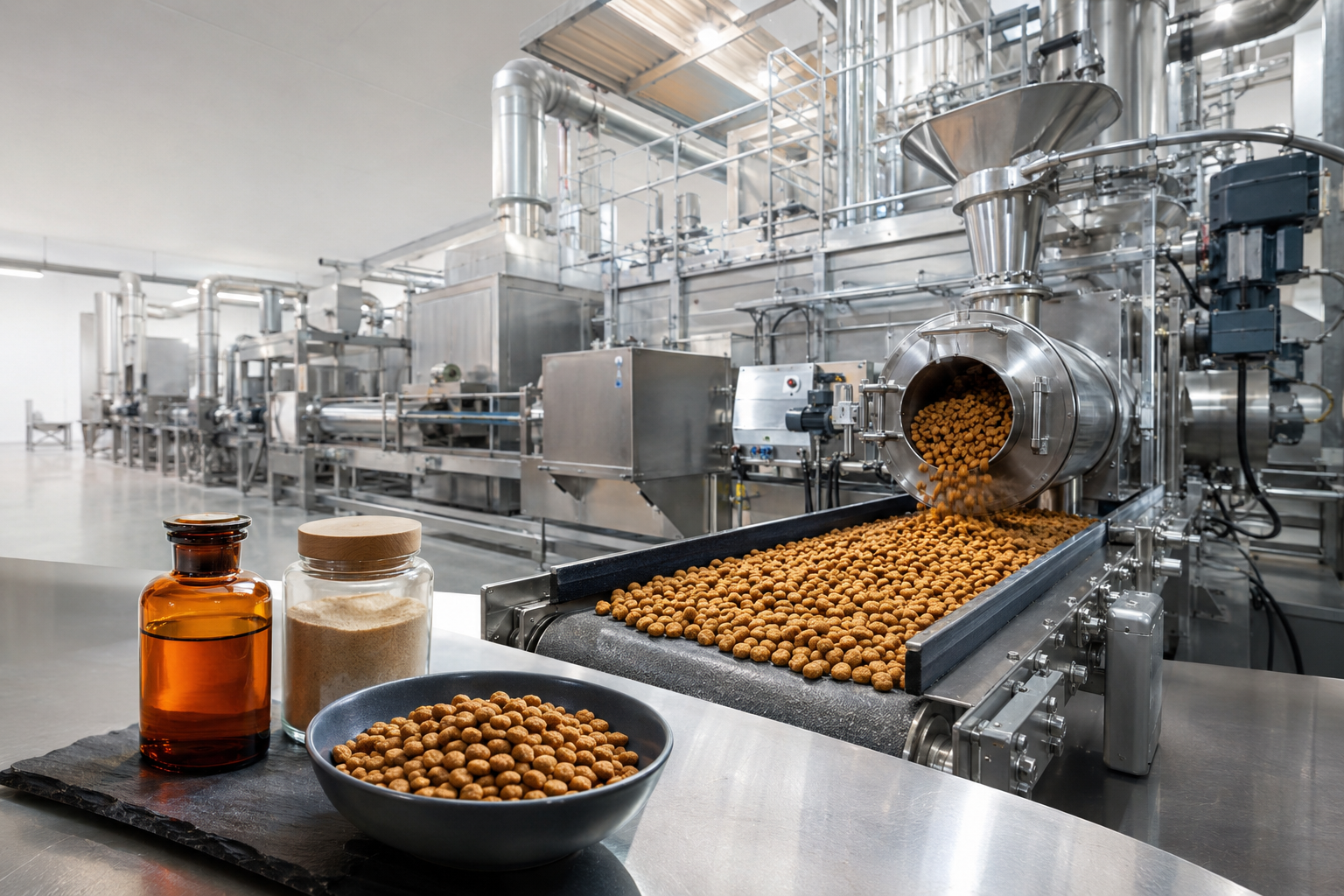
For companies looking for a reliable pet food palatant wholesaler, pet food manufacturer, or pet food factory partner, understanding how flavor systems work is no longer optional. It is part of building pet food products that succeed commercially.
What Is a Pet Food Flavor Enhancer?
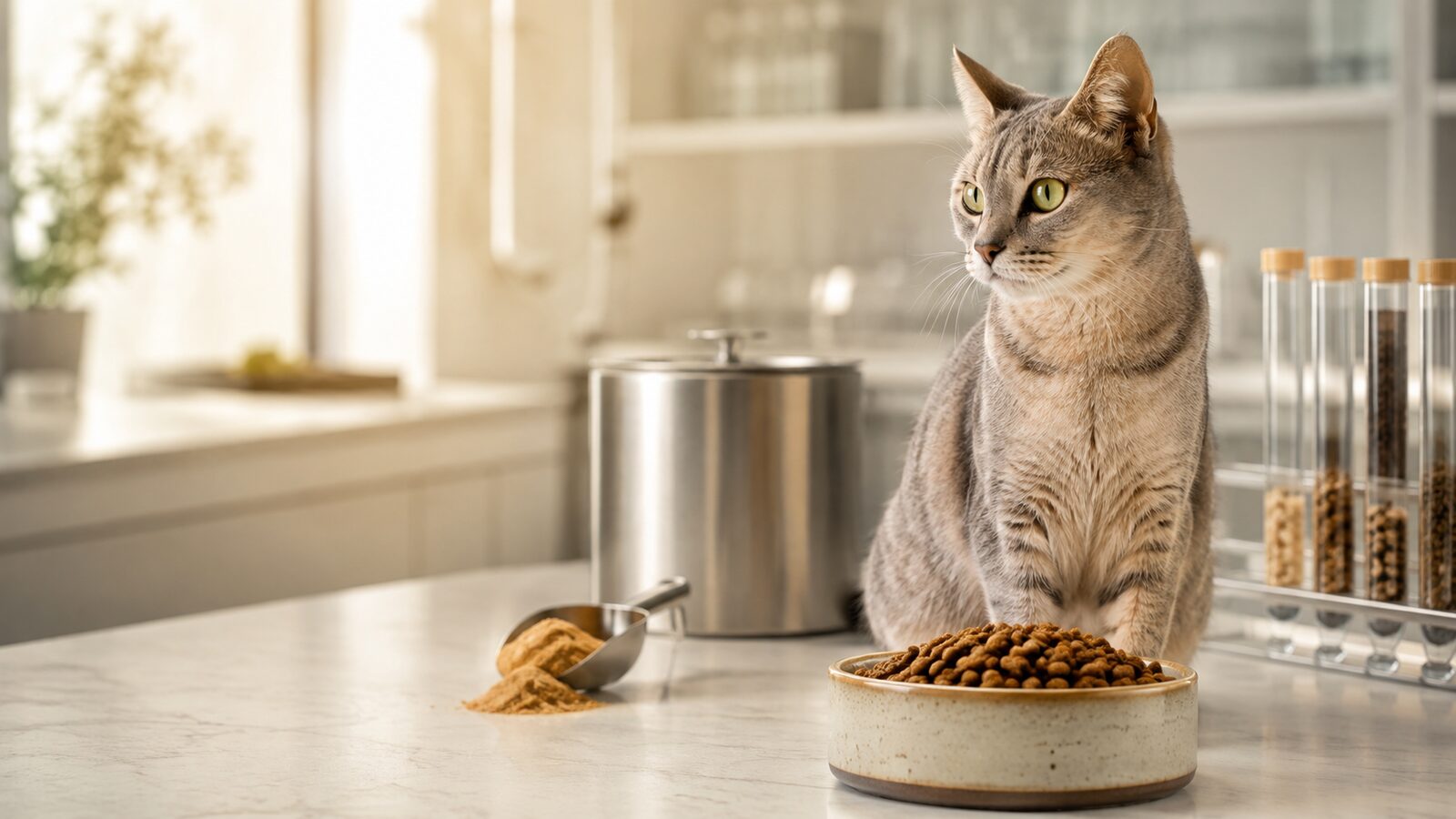
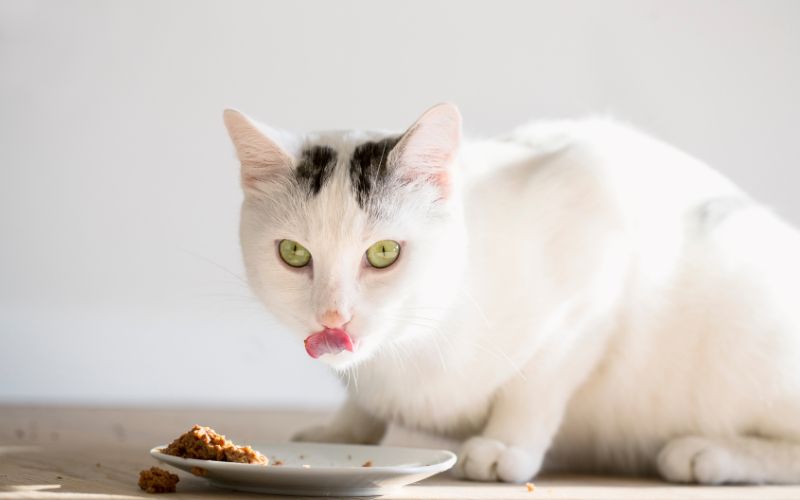
A pet food flavor enhancer is an ingredient or ingredient system designed to improve the smell, taste, and overall eating appeal of pet food. In practical terms, it helps make food more attractive to dogs and cats, encouraging stronger initial acceptance and more consistent feeding.
In the industry, these products are often referred to as:
- pet food palatants
- palatability enhancers for pet food
- cat food flavor enhancers
- feed additives for dogs
- pet food taste enhancers
- aroma coating systems
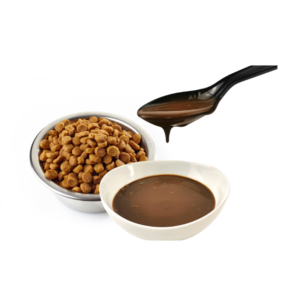
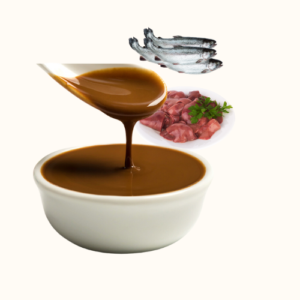
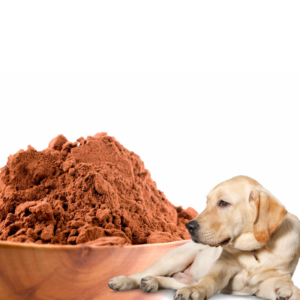
A flavor enhancer may come in powder, liquid, paste, or hydrolyzed form, depending on the application. It can be applied directly into the formula or coated onto the surface of kibble and treats.
For B2B buyers, the value is clear. A well-designed palatability system can help improve product acceptance without changing the core nutritional positioning of the recipe.
Why Palatability Matters in Pet Food
Palatability pet food performance is one of the most important but sometimes underestimated commercial factors in the industry. Nutrition may convince a buyer to try a product once, but acceptance by the pet is what determines whether the product is purchased again.
Palatability matters because it can influence:
- first-time product acceptance
- daily feeding compliance
- repeat purchase rates
- customer reviews
- product differentiation in crowded categories
- performance of premium or functional formulas
This is especially important in categories where nutritional complexity can reduce natural taste appeal. High-protein diets, grain-free recipes, functional foods, therapeutic diets, and low-fat formulas often need help from a cat food flavor enhancer or dog-specific palatant system to improve feeding response.
From a manufacturing perspective, flavor is not just a sensory feature. It is a business tool.
Cat Food Palatability: Why Cats Are More Demanding
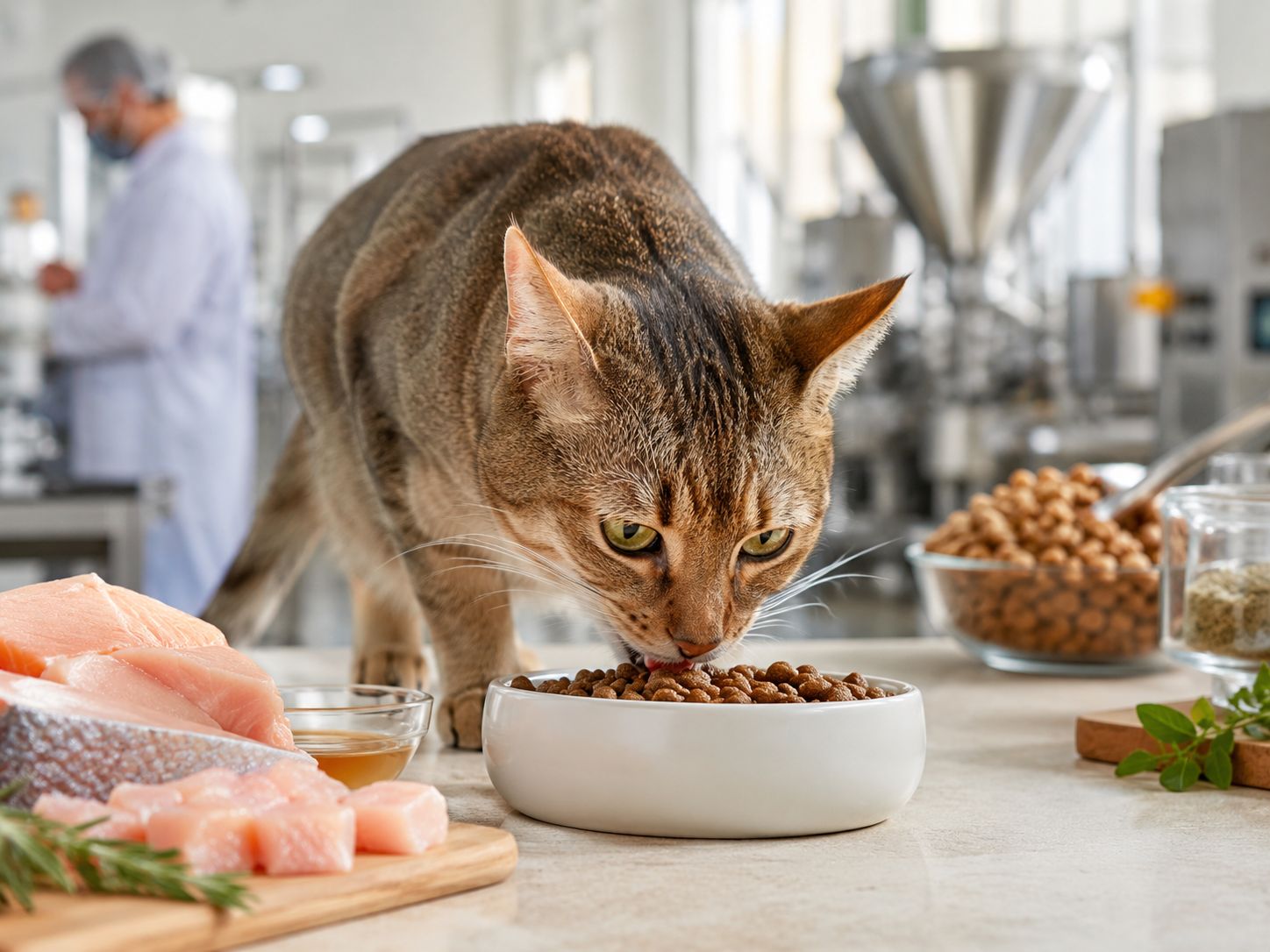
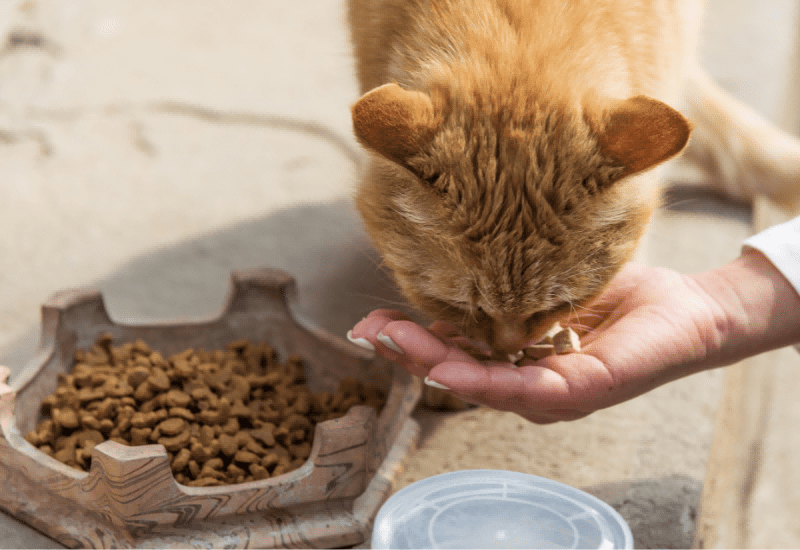
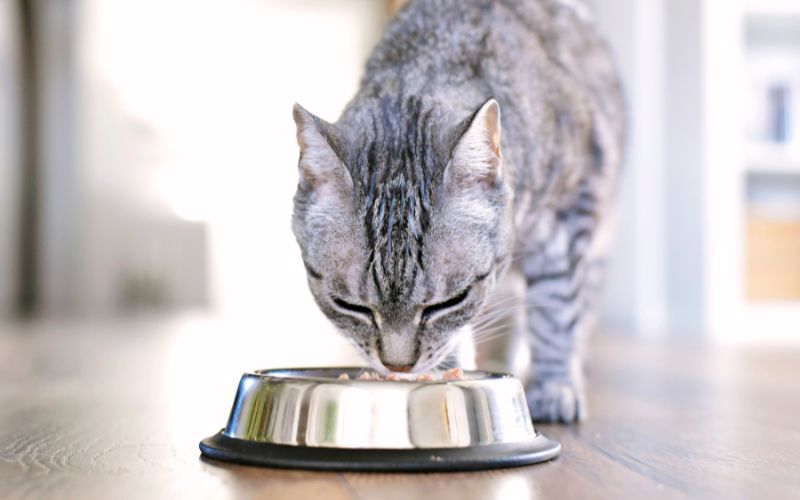
Among all companion animals, cats are often the most selective eaters. That is why cat food palatability is a major concern for formulators and product developers.
Cats rely heavily on aroma, mouthfeel, and animal-protein cues when deciding whether to eat. They are usually less forgiving than dogs when a formula has unfamiliar ingredients, strong functional additives, or reduced-fat profiles. Even a nutritionally excellent product can fail if it does not meet feline taste expectations.
A cat food flavor enhancer helps manufacturers address challenges such as:
- poor acceptance of new recipes
- reduced appetite during diet transition
- limited appeal of functional or specialty diets
- lower aroma intensity after processing
- inconsistent feeding in picky cats
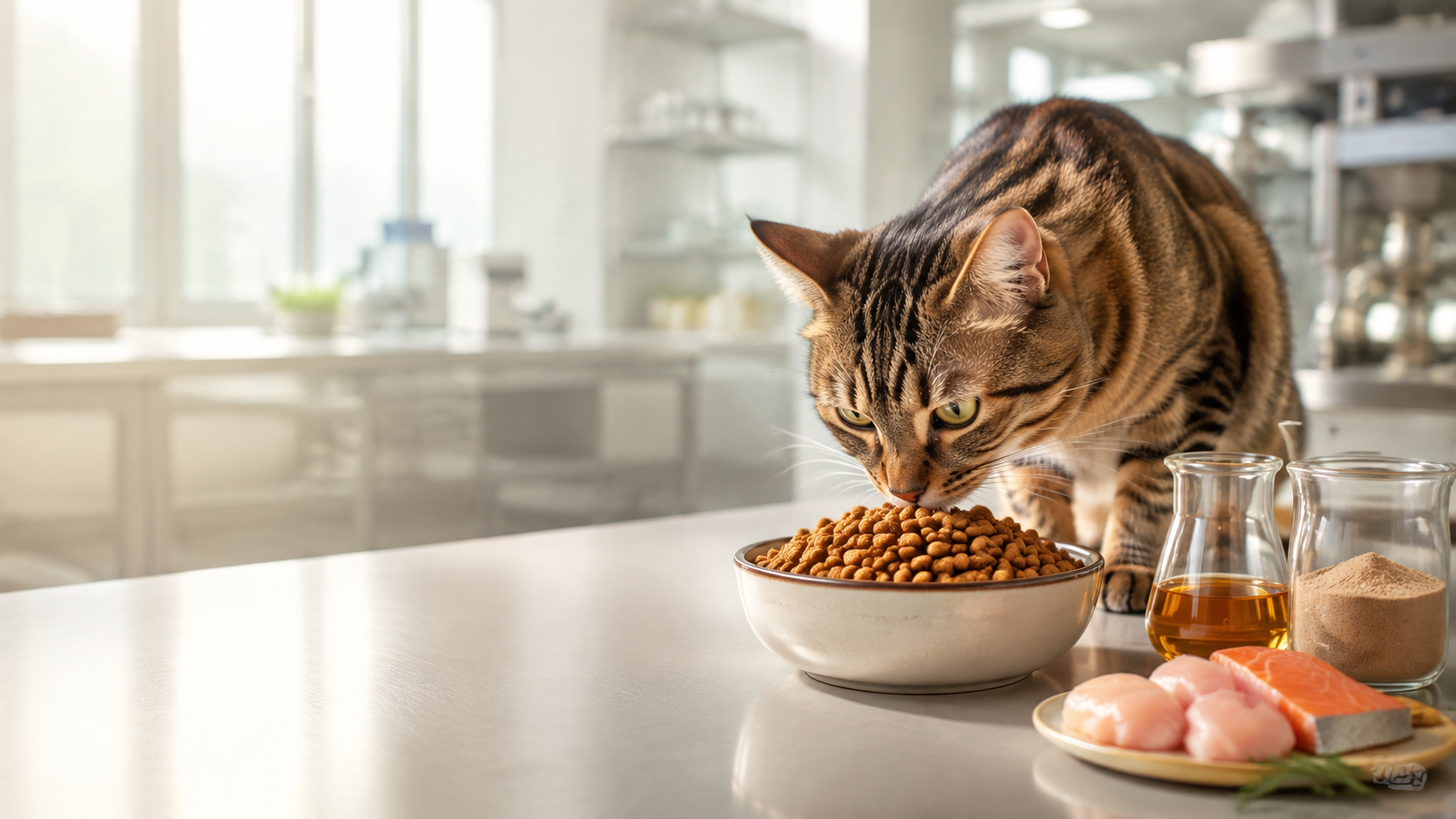
For cat food, common sensory preferences often include meaty, savory, liver-like, poultry-based, and umami-rich profiles. This is why hydrolyzed proteins, liver powders, yeast derivatives, and reaction flavors are widely used in feline formulations.
When developing cat food products, palatability should be considered from the beginning of formulation, not added only after acceptance problems appear.
How a Cat Food Flavor Enhancer Works
A cat food flavor enhancer works by strengthening the sensory signals that attract cats to food and encourage continued eating. These signals include aroma release, taste intensity, aftertaste, and mouthfeel.
Depending on the formulation, a cat food flavor enhancer may work through several mechanisms:
1. Aroma Attraction
Cats often respond first to smell before taking the first bite. Flavor systems with strong animal-protein notes can make the product more immediately attractive.
2. Taste Improvement
Some base formulas may be bland, overly dry, or affected by ingredients that reduce palatability. Flavor enhancers help create a more desirable taste profile.
3. Masking Unwanted Notes
Functional ingredients, vitamin premixes, minerals, plant proteins, and certain nutritional additives may create bitter or unusual notes. A palatability enhancer for pet food can help reduce these negative sensory signals.
4. Surface Appeal
In dry food and treats, coated palatants create a stronger first contact experience, which is especially important for cats and small dogs.
For manufacturers, the goal is not just to add flavor. The goal is to create a feeding experience that aligns with the pet’s natural preferences.
Pet Food Ingredients That Support Better Flavor
Many pet food ingredients contribute to palatability naturally, but they may not always be enough after extrusion, drying, sterilization, or long shelf-life processing. That is where specialized flavor systems become valuable.
Common ingredients used in pet food flavor enhancer systems include:
Hydrolyzed Animal Proteins
Hydrolyzed chicken, liver, fish, and other animal proteins are widely used because they provide strong savory notes and amino-acid-rich taste signals.
Liver Powders and Liver Extracts
Liver is one of the most recognized palatability drivers in pet food, especially in cat products. It supports rich meaty aroma and taste.

Yeast Extracts
Yeast ingredients can contribute umami character and help round out flavor profiles in both cat and dog foods.
Reaction Flavors
These are created through controlled processing of amino acids and sugars, often producing roasted, cooked-meat, or broth-like notes that are highly attractive.
Animal Fats and Coatings
In dry food applications, fats are often used together with flavor powders or liquids to improve adhesion and sensory impact.
Functional Carrier Systems
Certain carriers help deliver even coating, product stability, and consistent sensory performance during production.
For factories and brands, choosing the right combination depends on species, recipe type, processing conditions, and price target.
Feed Additives for Dogs: Different Needs, Different Approach
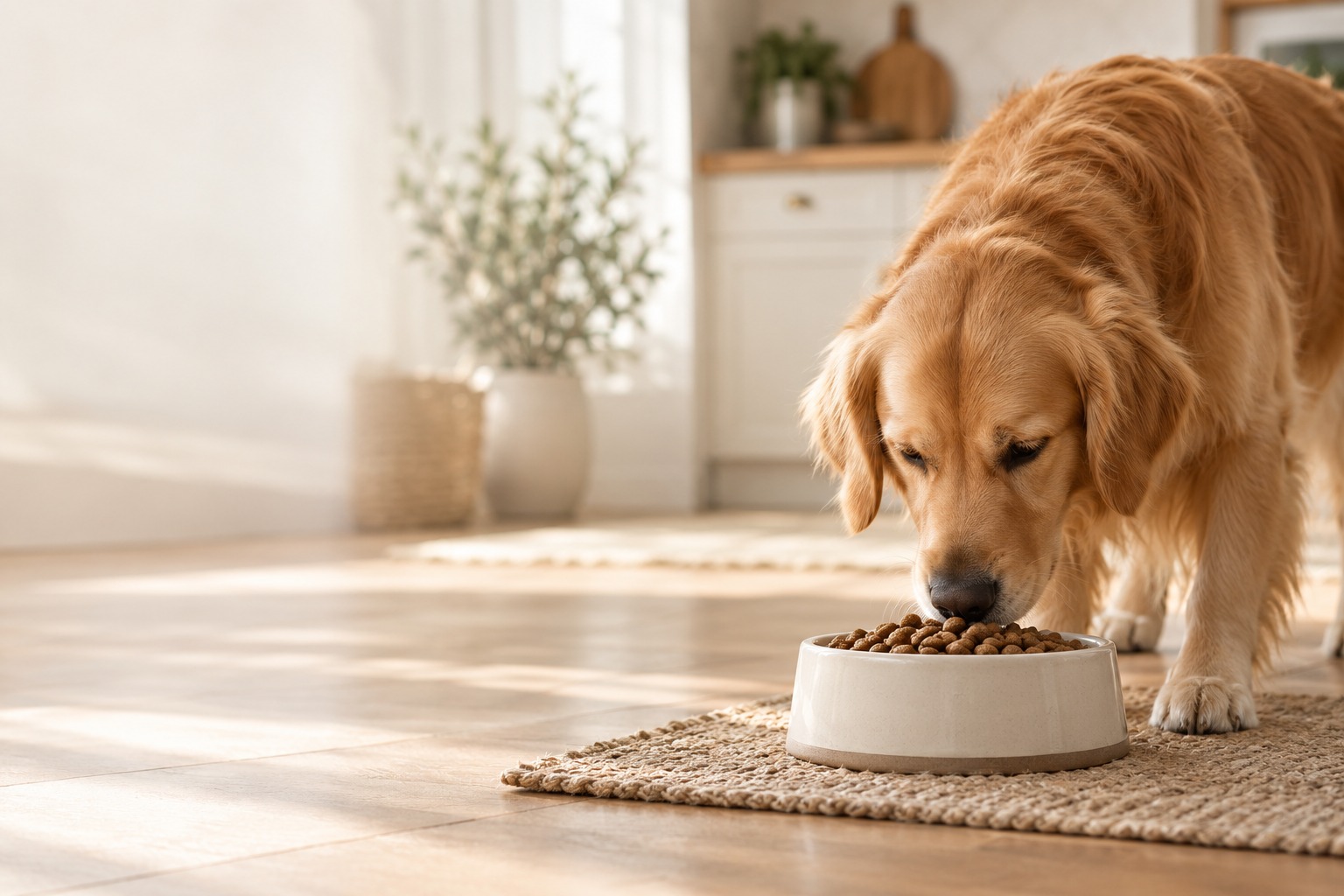
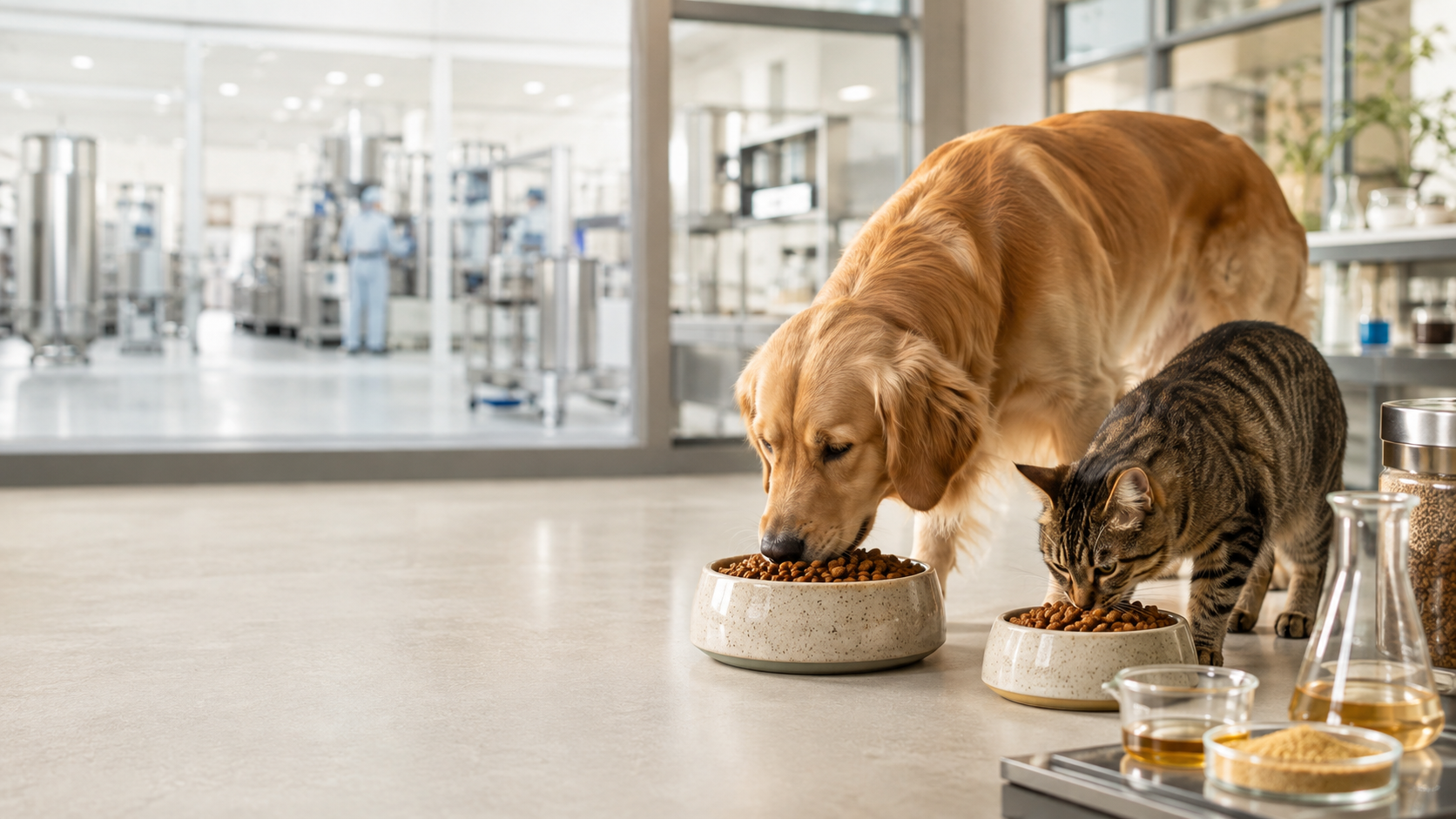
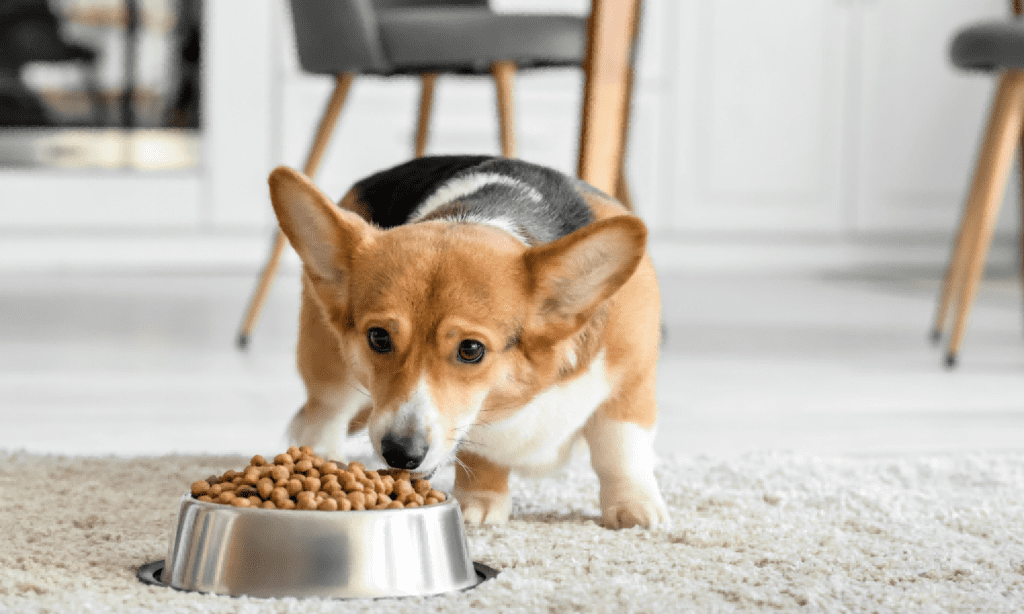
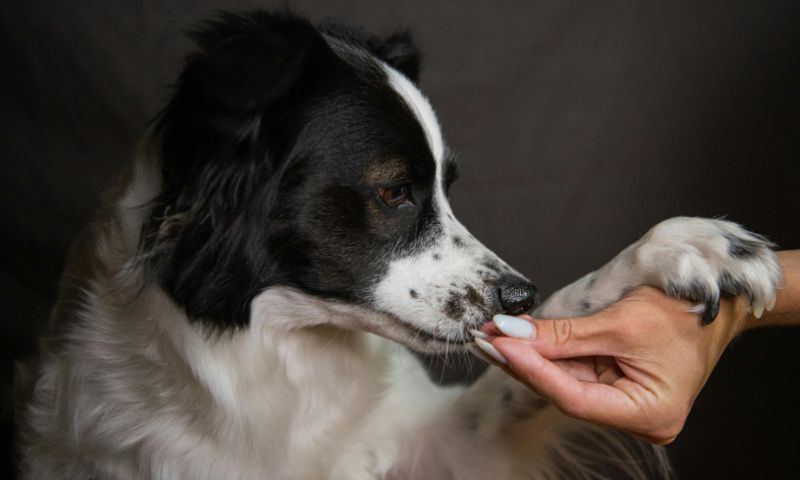
While dogs are generally less selective than cats, feed additives for dogs still play a critical role in commercial product success. Dogs respond strongly to meaty aroma, fat coating, and rewarding taste, especially in treats, training products, and dry food.
Dog-focused flavor enhancers are often used to:
- improve the appeal of dry kibble
- support premium treat positioning
- increase acceptance of functional formulas
- enhance the value perception of training treats
- maintain strong feeding response in large-scale production

A dog formula may need a different flavor direction than a cat formula. Beef, chicken, liver, bacon-style, and roasted meat notes are often popular in dog food applications, while cats may respond better to more intense savory and organ-based profiles.
For this reason, pet food manufacturers should not treat palatability as a single universal solution. Species-specific design is essential.
Palatability Enhancer for Pet Food in Different Applications
A palatability enhancer for pet food can be used across many product categories. Each format has its own technical and sensory requirements.
Dry Kibble
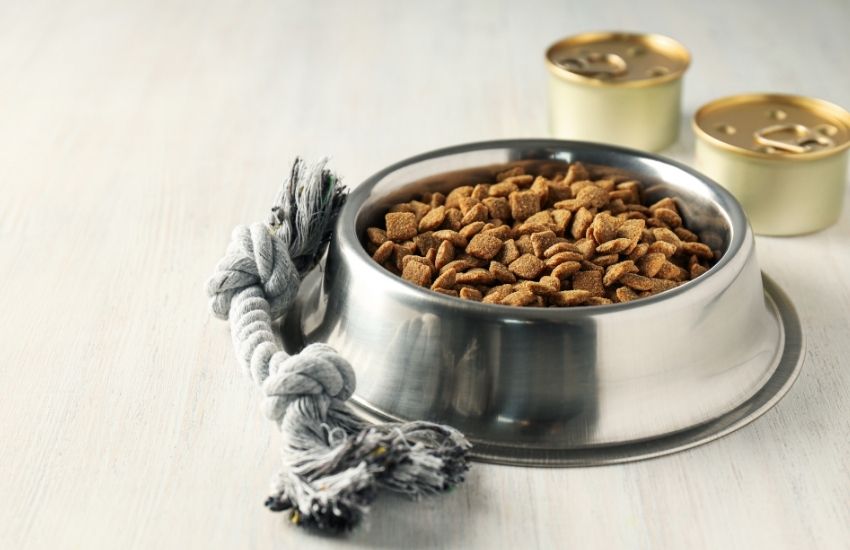
Dry food often requires surface coating after extrusion to restore aroma and improve taste appeal. Powder and liquid palatants are commonly used here.
Wet Food
Wet food already has strong moisture and aroma advantages, but flavor enhancers can still help improve consistency, especially in value-priced or therapeutic lines.
Treats
Treats need immediate acceptance because they are often used for reward-based feeding. Strong flavor systems can increase excitement and repeat purchase.
Functional Diets
Products for digestion, urinary health, weight control, or hairball support may contain ingredients that reduce taste appeal. Flavor systems help maintain acceptance.
Freeze-Dried or Air-Dried Products
These formats may need targeted flavor balance to preserve premium positioning while keeping strong feeding response.
Toppers and Powdered Additions
In these categories, flavor is often the main reason the product is purchased. A strong pet food flavor enhancer is central to success.
Why Pet Food Manufacturers Need a Reliable Palatability Enhancer Supplier
For commercial production, ingredient consistency is just as important as flavor performance. A reliable palatability enhancer supplier helps manufacturers reduce risk and improve product stability over time.
When evaluating a supplier, B2B buyers should look for:
Consistent Raw Material Quality
Stable sourcing and strict quality control are essential for reliable sensory performance.
Species-Specific Expertise
A supplier should understand the difference between dog and cat feeding behavior and recommend tailored solutions.
Application Support
The right supplier should help with dosage guidance, coating methods, processing compatibility, and formula optimization.
Product Range
A strong supplier should offer multiple forms such as powder, liquid, paste, and customized solutions for different product formats.
Compliance and Safety
For export and large-scale manufacturing, suppliers should support documentation, testing standards, and product traceability.
Customization Capability
OEM and private-label projects often require custom aroma profiles, cost control, and application adjustments. A flexible supplier adds real value.
For factories, importers, and brand owners, choosing the right palatability enhancer supplier is not just procurement. It is part of long-term product strategy.

Common Challenges in Pet Food Palatability
Even experienced manufacturers face palatability problems during product development or scale-up. Some of the most common challenges include:
- reduced aroma after high-heat processing
- bitterness from vitamins, minerals, or botanicals
- poor coating adhesion on kibble
- inconsistent batch performance
- low acceptance in cats
- formula changes caused by ingredient cost fluctuations
- balancing premium positioning with target cost
These issues cannot always be solved by increasing meat content alone. In many cases, a targeted cat food flavor enhancer or pet food palatant system provides a more efficient and controlled solution.
How to Choose the Right Pet Food Flavor Enhancer
Selecting the right pet food flavor enhancer starts with understanding the final product goal. B2B buyers should ask several practical questions:
What species is the product for?
Cats and dogs respond differently to aroma and taste profiles.
What format is the product?
Dry kibble, wet food, treats, and toppers all require different technical solutions.
What is the target price range?
Premium and mass-market products may require different ingredient strategies.
What processing conditions are involved?
Extrusion, drying, retorting, and coating all affect flavor stability.
What feeding problem are you solving?
Are you trying to increase first-bite acceptance, improve repeat eating, or mask unpleasant notes from functional additives?
Do you need a standard or customized solution?
Some projects can use a proven off-the-shelf palatant, while others need tailored development.
When these points are clear, manufacturers can choose a palatability enhancer for pet food that supports both product performance and commercial goals.
The Growing Importance of Flavor in Premium Pet Food
As the pet food market becomes more competitive, flavor systems are playing a bigger role in product differentiation. Buyers no longer compare products only on price. They also evaluate feeding performance, customer reviews, claim compatibility, and repeat purchase behavior.
Premiumization has increased pressure on manufacturers to create recipes that are both nutritionally advanced and highly acceptable to pets. That means flavor enhancement is no longer just a technical afterthought. It is part of product design, brand experience, and market positioning.
For companies selling to retailers, distributors, supermarkets, and private-label clients, stronger palatability can support:
- better customer retention
- fewer complaints about refusal to eat
- improved acceptance of premium formulas
- greater competitiveness in export markets
- stronger long-term brand trust
Why Work With Profypet
At Profypet, we understand that palatability is where formulation science meets commercial reality. A great recipe must perform in the bowl, not just on paper.
As a professional partner serving pet food manufacturers, pet food factories, and pet food palatant wholesalers, Profypet focuses on helping customers develop practical flavor enhancement solutions for real market needs. Whether the goal is to improve cat food palatability, optimize feed additives for dogs, or source a dependable palatability enhancer supplier, the right support can make product development faster and more effective.
If your team is working on dry food, wet food, treats, or functional pet nutrition products, choosing the right pet food flavor enhancer can make a measurable difference in acceptance and product value.
Explore more at profypet.com and discover how tailored palatability solutions can help your next pet food project stand out.
Final Thoughts
Pet food success depends on more than nutrition claims and packaging design. It depends on whether pets actually enjoy eating the product. That is why demand for pet food flavor enhancer systems continues to grow across global markets.
From cat food flavor enhancer solutions to feed additives for dogs, palatability is one of the most effective ways to strengthen product performance. For wholesalers, manufacturers, and factories, working with the right palatability enhancer supplier can help reduce development challenges, improve feeding response, and support long-term brand growth.
In today’s market, better palatability is not just a formulation upgrade. It is a competitive advantage.