Pet Food Flavour Coating System
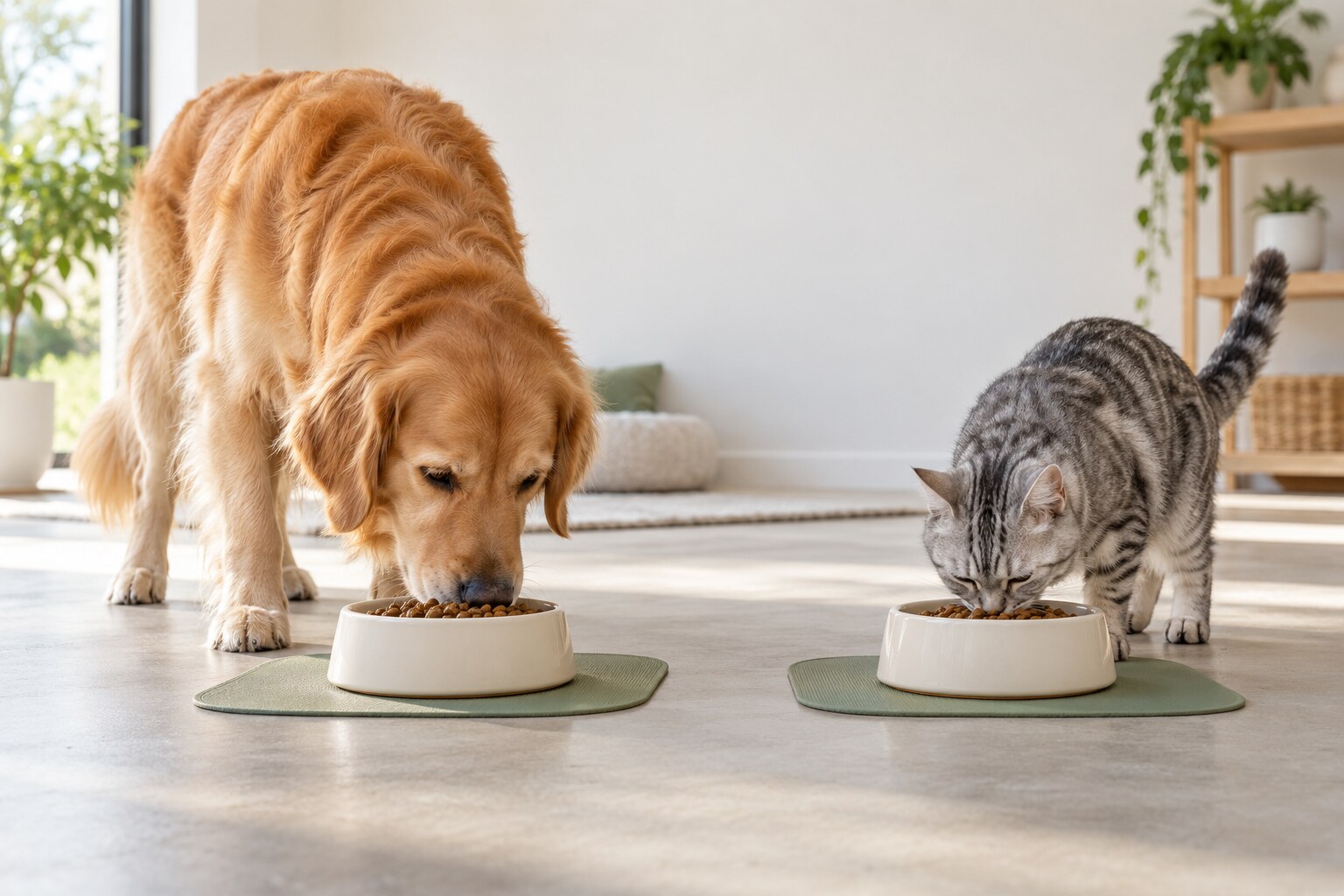
The global pet food industry is becoming more competitive every year. Pet owners are no longer choosing products based only on price. Today, factors like aroma, texture, ingredient quality, and feeding acceptance heavily influence purchasing decisions.
For pet food manufacturers, this creates a major challenge:
How do you make nutritionally balanced pet food that pets actually want to eat consistently?
The answer often lies in the pet food flavour coating system.
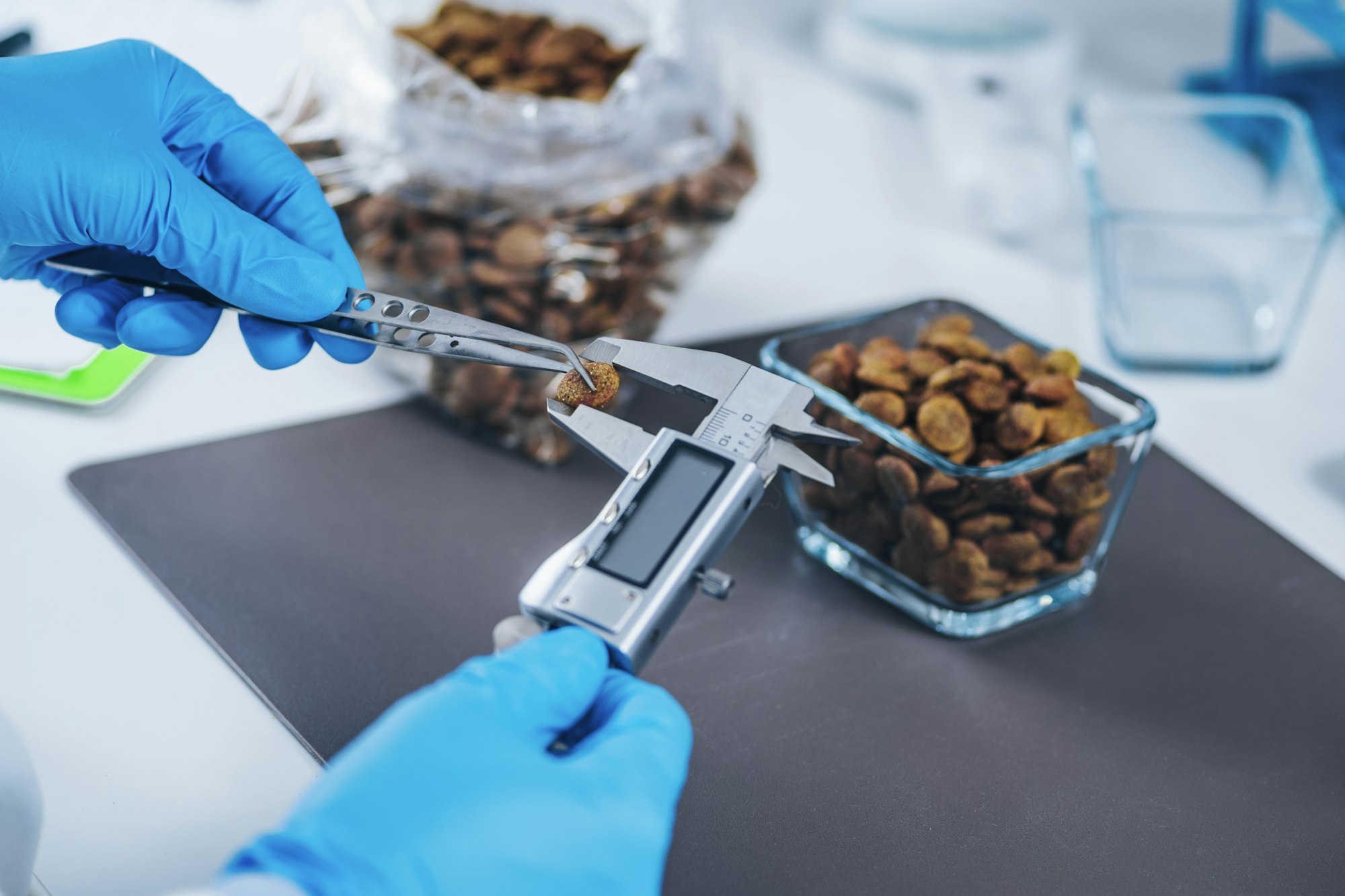
Modern coating technology has become one of the most important processes in dry pet food manufacturing. It directly affects aroma retention, fat distribution, flavour uniformity, and overall feeding performance. Whether producing premium cat food, dog kibble, freeze-dried diets, or functional veterinary formulas, the right coating system can dramatically improve palatability.
For companies involved in pet food palatants, flavour enhancers, and feed additives, understanding coating technology is no longer optional — it is essential.
You can learn more about professional palatability solutions at Profypet.
What Is a Pet Food Flavour Coating System?
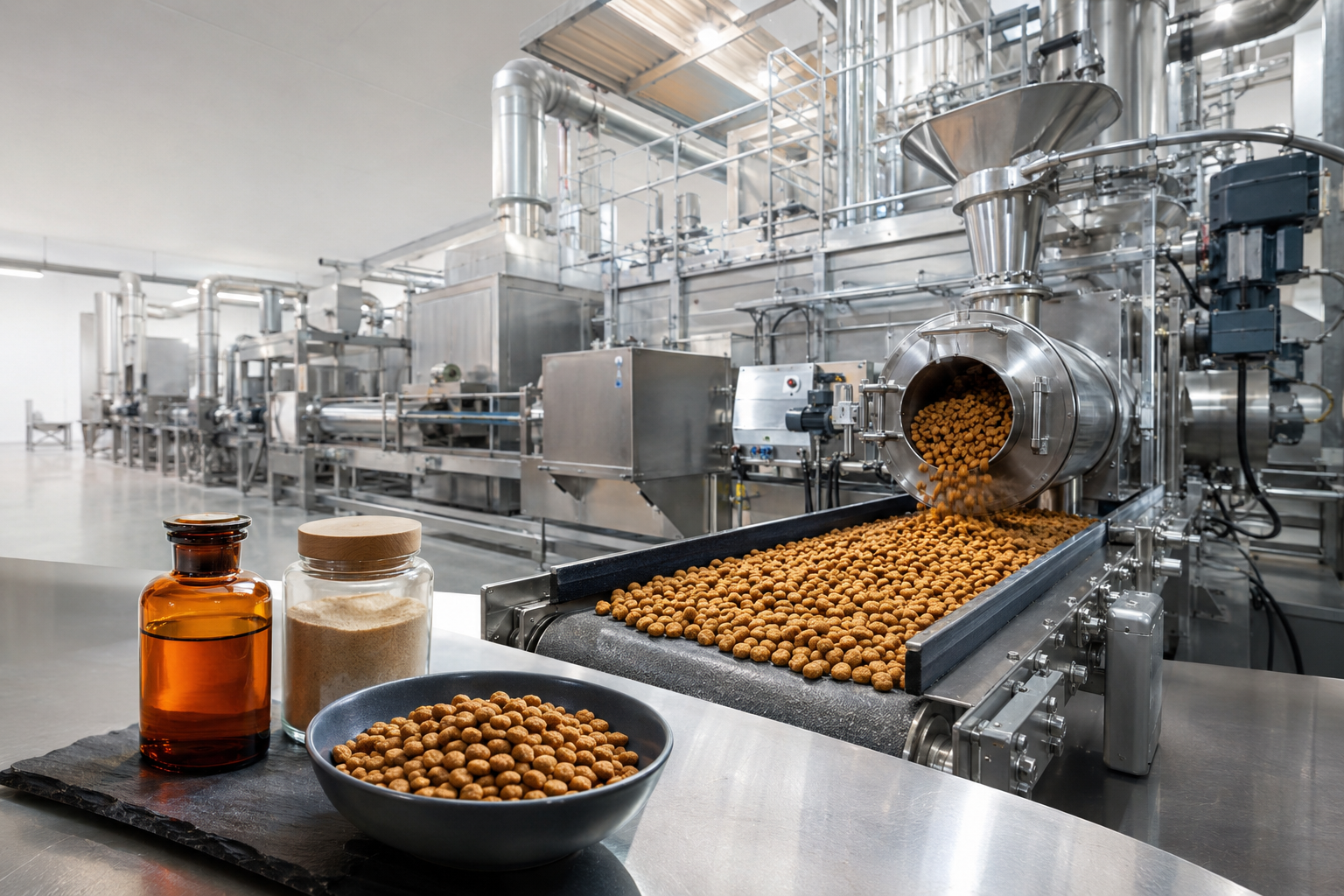
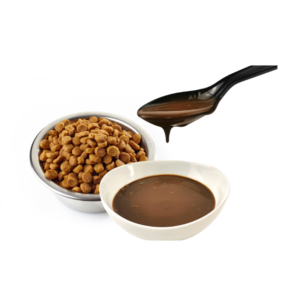
A pet food flavour coating system is a manufacturing process that applies fats, oils, digests, liquid palatants, powders, and functional ingredients onto pet food after extrusion and drying.
The system is designed to improve:
- Aroma intensity
- Taste attractiveness
- Surface coverage consistency
- Fat absorption
- Ingredient stability
- Feeding acceptance
In simple terms, the coating system transforms plain kibble into a highly attractive finished product that pets enjoy eating.
Without proper coating, even nutritionally balanced pet food may fail in feeding trials because pets primarily respond to smell and taste before nutrition.
Why Coating Technology Matters in Modern Pet Food
According to the American Pet Products Association, U.S. pet industry spending surpassed $150 billion in recent years, with premium pet food representing one of the fastest-growing categories.
At the same time, research published by organizations such as Petfood Industry and All About Feed shows that pet owners increasingly demand:
- Better ingredient transparency
- Higher meat inclusion
- Improved aroma
- Enhanced texture
- Functional nutrition
- Consistent feeding performance
This trend creates pressure for manufacturers to optimize palatability without compromising nutrition or production efficiency.
A modern pet food flavour coating system helps solve these issues by allowing manufacturers to:
Improve Feeding Acceptance
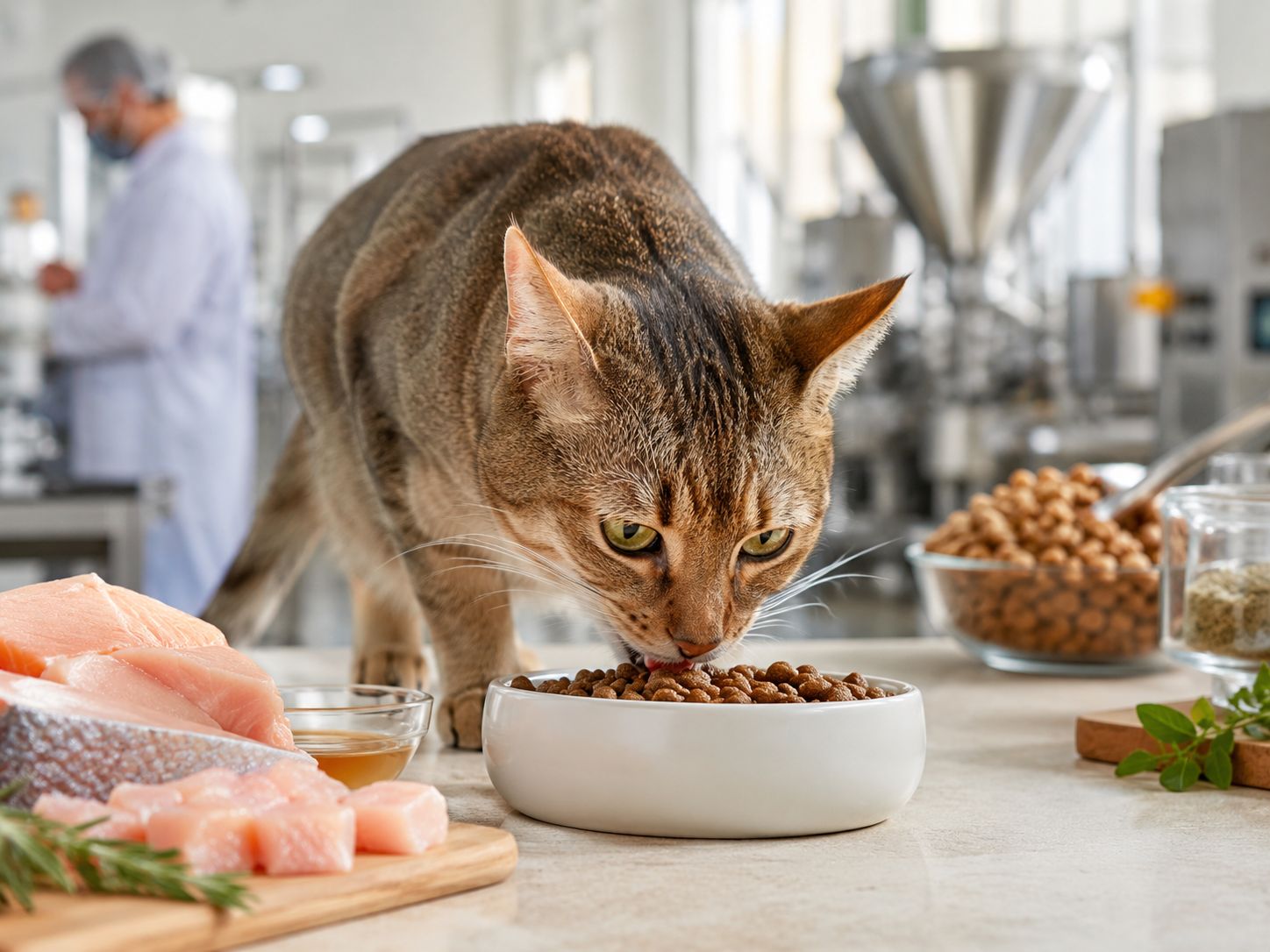
Pets, especially cats, are highly sensitive to aroma. Coating systems allow flavour compounds and hydrolyzed proteins to remain on the kibble surface where they are most detectable.
Increase Product Consistency
Automated coating systems ensure every kibble receives uniform fat and flavour distribution.
Support Premium Formulations
High-value ingredients like liver digest, poultry hydrolysates, fish oils, probiotics, and functional additives can be precisely applied.
Reduce Ingredient Waste
Advanced vacuum coating systems improve absorption efficiency, reducing excess oil and flavour loss.
Main Types of Pet Food Flavour Coating Systems
Different manufacturers use different systems depending on production scale, formula type, and product positioning.
1. Drum Coating System
This is one of the most common systems in dry kibble production.
Kibble rotates inside a drum while liquid fats and palatants are sprayed evenly across the surface.
Advantages include:
- Lower equipment cost
- Easy maintenance
- Suitable for standard dry food
- Continuous production capability
However, traditional drum systems may provide less penetration compared to vacuum coating.
2. Vacuum Coating System
Vacuum coating is widely used in premium pet food manufacturing.
The process works by:
- Removing air from kibble pores
- Injecting liquid fats and palatants
- Restoring pressure
- Pulling liquids deep into the kibble structure
Benefits include:
- Better flavour retention
- Higher fat inclusion capability
- Improved coating uniformity
- Reduced oil leakage
- Enhanced shelf stability
Vacuum coating is especially popular for:
- Premium cat food
- High-meat diets
- Freeze-dried coated kibble
- Functional veterinary diets
3. Powder Coating Systems
Powder coating systems apply dry palatants after liquid coating.
These systems commonly use:
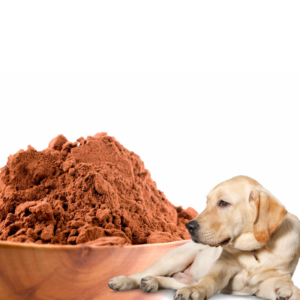
- Chicken liver powder
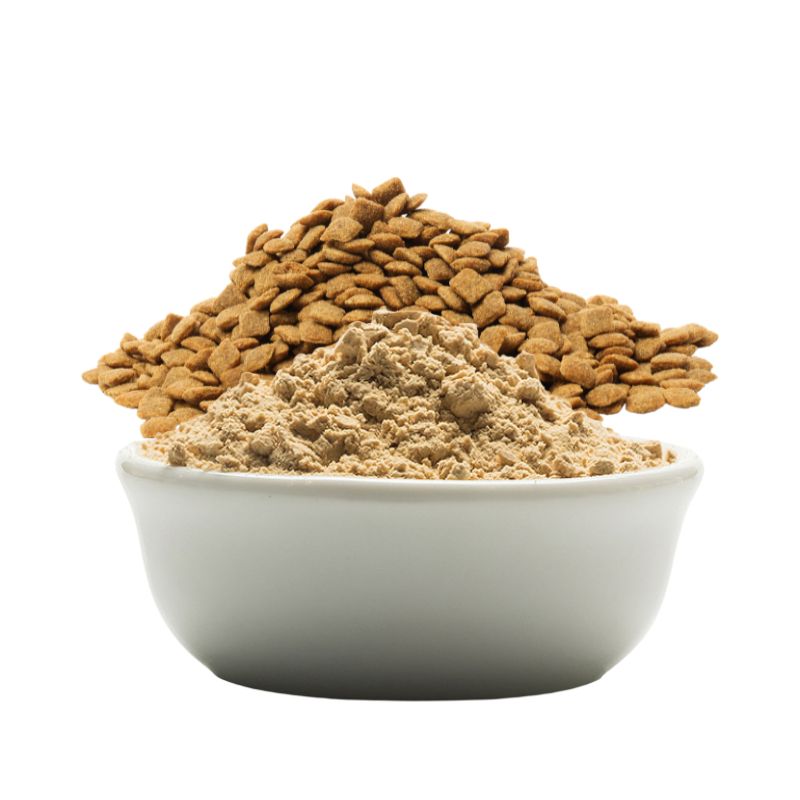
- Hydrolyzed protein powder
- Cheese powders
- Yeast extracts
- Functional additives
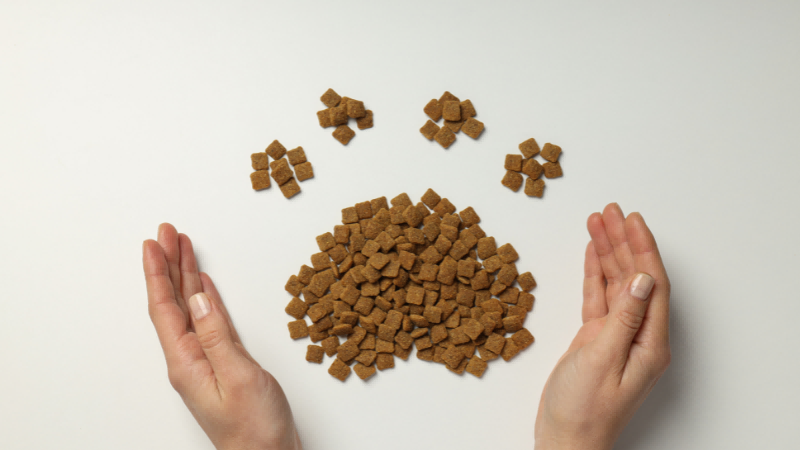
Powder coating improves aroma intensity and surface flavour impact.
This is particularly important in cat food because cats rely heavily on olfactory stimulation when selecting food.
Key Ingredients Used in Pet Food Coating Systems
The effectiveness of a coating system depends heavily on ingredient selection.
Animal Digests
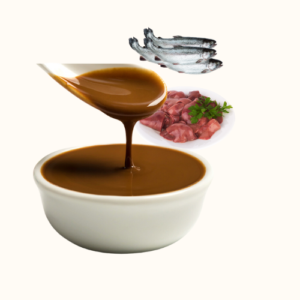
Animal digests are among the most widely used pet food palatants.
Common options include:
- Poultry digest
- Chicken liver digest
- Beef digest
- Fish digest
These ingredients contain peptides, amino acids, and aroma compounds that significantly improve palatability.
Hydrolyzed Proteins
Hydrolyzed proteins are widely used in both premium and veterinary diets.
Benefits include:
- Strong umami flavour
- Enhanced feeding stimulation
- Improved digestibility
- Better flavour stability
Hydrolyzed chicken liver is especially popular in cat food formulations because of its strong aroma profile.
Fats and Oils
Fat coating improves:
- Aroma release
- Mouthfeel
- Energy density
- Surface adhesion for powder palatants
Popular coating fats include:
- Chicken fat
- Salmon oil
- Tuna oil
- Duck fat
Functional Palatability Enhancers
Modern coating systems increasingly include functional ingredients such as:
- Probiotics
- Omega-3 oils
- Taurine
- Vitamins
- Digestive support additives
This allows manufacturers to combine nutrition and palatability in one process.
How Coating Systems Affect Pet Food Palatability
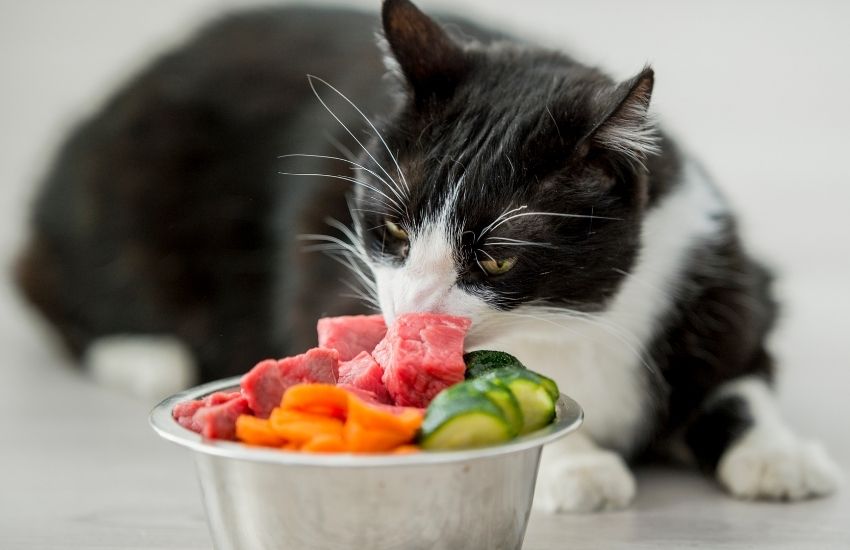
Palatability is more scientific than many people realize.
Studies from Kansas State University Pet Food Program indicate that coating distribution, aroma release, and flavour persistence significantly influence feeding behavior.
Several factors affect performance:
Surface Coverage
Uneven coating can create inconsistent feeding experiences.
Aroma Stability
Poor coating may lead to oxidation and flavour degradation during storage.
Fat Absorption
Improper oil application can cause greasy surfaces or bag oiling.
Particle Adhesion
Powder palatants must properly adhere to kibble to maintain flavour intensity.
A well-designed coating system optimizes all these variables simultaneously.
Common Challenges in Pet Food Coating
Even advanced manufacturers face coating challenges.
Oil Leakage
Excess surface oil may lead to packaging problems and reduced shelf appeal.
Flavour Loss During Storage
Heat, oxygen, and moisture can degrade flavour compounds.
Inconsistent Batch Quality
Manual or outdated systems may produce uneven coating results.
High Production Costs
Inefficient spraying systems waste expensive palatants and oils.
To solve these issues, many factories invest in automated dosing systems, vacuum coating equipment, and specialized pet food palatability enhancers.
Why Cats Require More Advanced Coating Systems
Cats are generally more selective eaters than dogs.
Research suggests cats have fewer sweet taste receptors but stronger responses to amino acids and meat-derived aroma compounds.
Because of this, cat food coating systems often require:
- Stronger aroma intensity
- Higher digest inclusion
- More precise fat application
- Better powder adhesion
- Enhanced freshness preservation
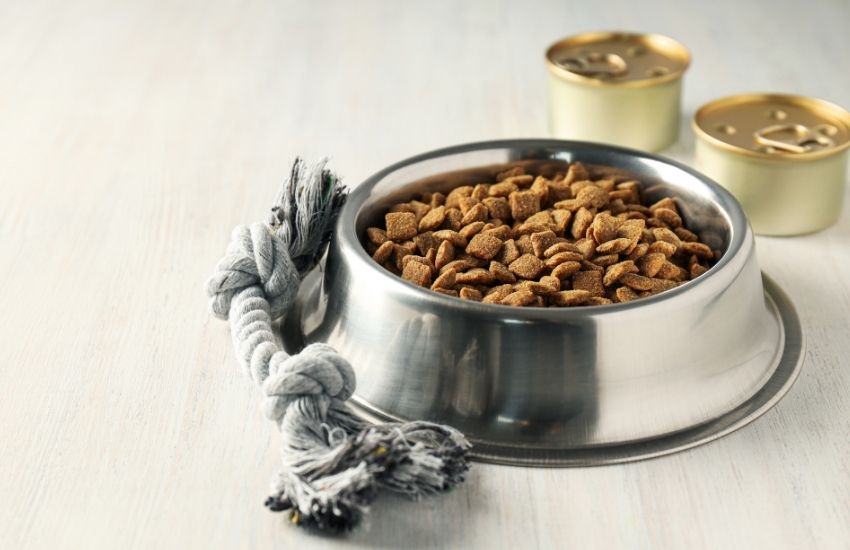
This explains why premium cat food manufacturers invest heavily in advanced flavour coating technology.
Future Trends in Pet Food Flavour Coating Systems
The pet food coating industry is evolving rapidly.
Emerging trends include:
Clean Label Palatants
Manufacturers increasingly seek natural flavour sources without artificial additives.
Sustainable Protein Sources
Alternative proteins and sustainable digest production are gaining attention.
Precision Coating Technology
AI-driven coating control systems improve efficiency and consistency.
Functional Nutrition Integration
Coating systems now deliver both flavour and health benefits simultaneously.
Humanization of Pet Food
As pets are increasingly treated like family members, manufacturers continue developing more premium sensory experiences.
Choosing the Right Pet Food Palatants Supplier
For pet food factories and wholesalers, selecting the right palatability partner is critical.
A reliable supplier should offer:
- Stable flavour consistency
- Strong R&D support
- Application testing
- Coating compatibility guidance
- Customized palatability solutions
- International food safety certifications
Companies specializing in pet food palatants can help manufacturers optimize both formulation and coating performance for different species and product categories.
For more information about pet food palatability enhancer solutions, coating applications, and customized flavour systems, visit Profypet Pet Food Palatants Solutions.
Final Thoughts
The pet food flavour coating system has become one of the most important technologies in modern pet food production.
Today’s consumers expect pet food to deliver:
- High nutrition
- Excellent aroma
- Consistent quality
- Better feeding acceptance
- Premium sensory experience
Behind all of these expectations lies advanced coating technology.
Whether using drum coating, vacuum coating, or powder application systems, manufacturers that invest in palatability science are better positioned to compete in the rapidly growing global pet food market.
For pet food manufacturers, wholesalers, and OEM/ODM brands, understanding flavour coating systems is no longer just a technical topic — it is a direct driver of product success, customer retention, and long-term brand growth.