
Pet Food Manufacturing
In today’s competitive pet nutrition market, manufacturing excellence is no longer just about protein levels and packaging design. It is about performance. And performance begins with palatability.
Whether you are a pet food factory scaling production, a private-label brand sourcing formulas, or a pet food palatant wholesaler building distribution networks, understanding how palatability systems integrate into modern pet food manufacturing is critical.
This article explores how cat food palatability, cat food flavor enhancers, and palatability enhancers for pet food shape product success — and why the right palatability enhancer supplier makes all the difference.
1. Pet Food Manufacturing: More Than Just Formulation
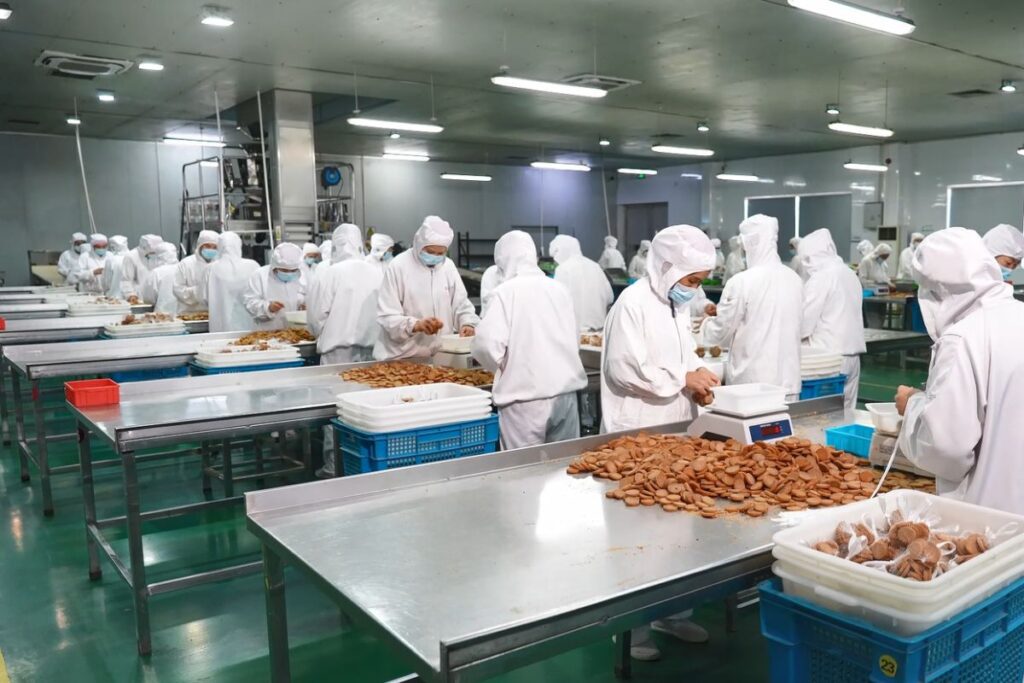
Modern pet food manufacturing combines:
- Nutritional science
- Ingredient sourcing
- Functional additives
- Processing technology
- Sensory optimization
Manufacturers today must balance:
- High-protein and grain-free formulations
- Cost control in raw materials
- Texture and kibble durability
- Aroma and flavor appeal
- Regulatory compliance across export markets
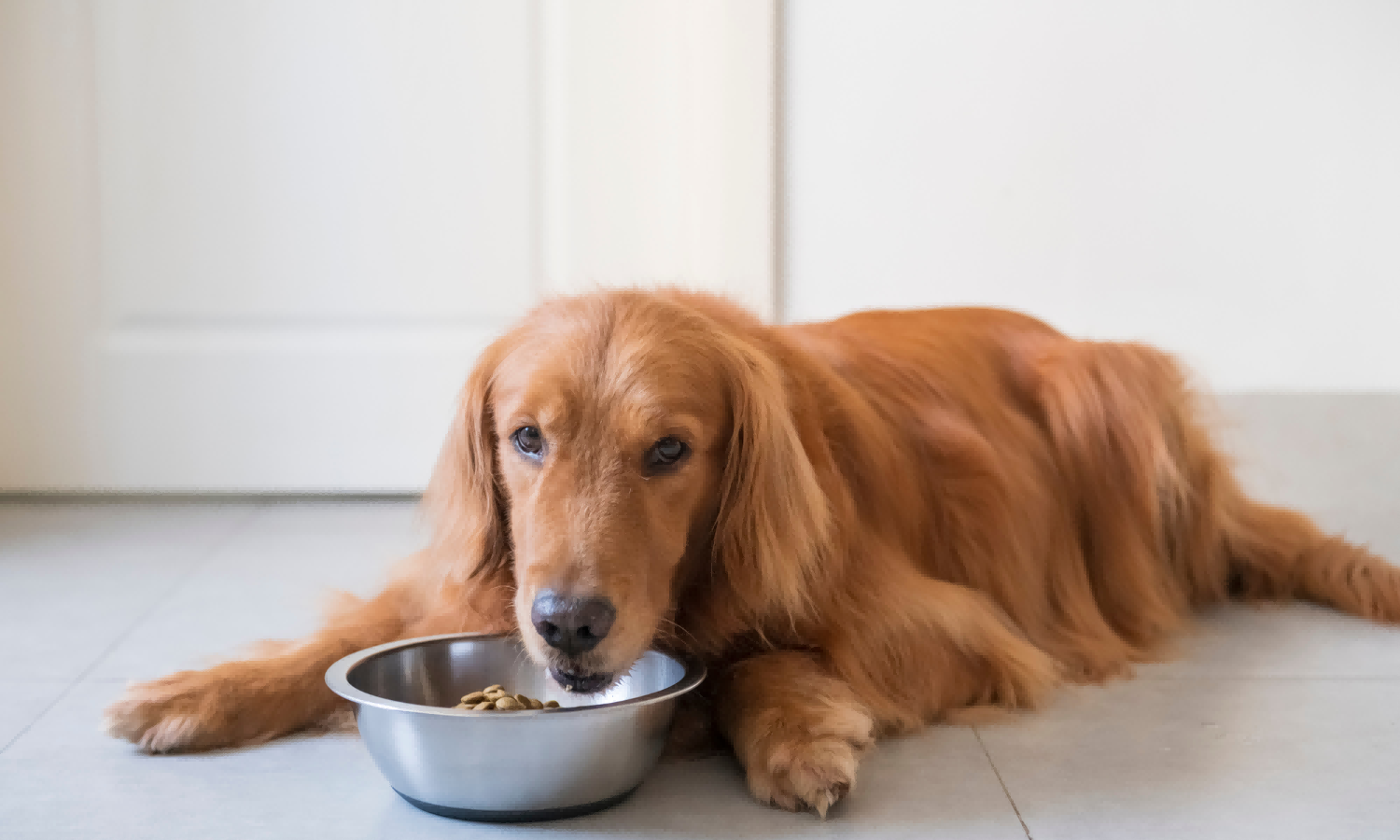
Even the most nutritionally balanced formula will fail commercially if pets reject it. This is why palatability pet food systems have become a core part of product development rather than an afterthought.
2. Why Cat Food Palatability Is More Complex Than You Think
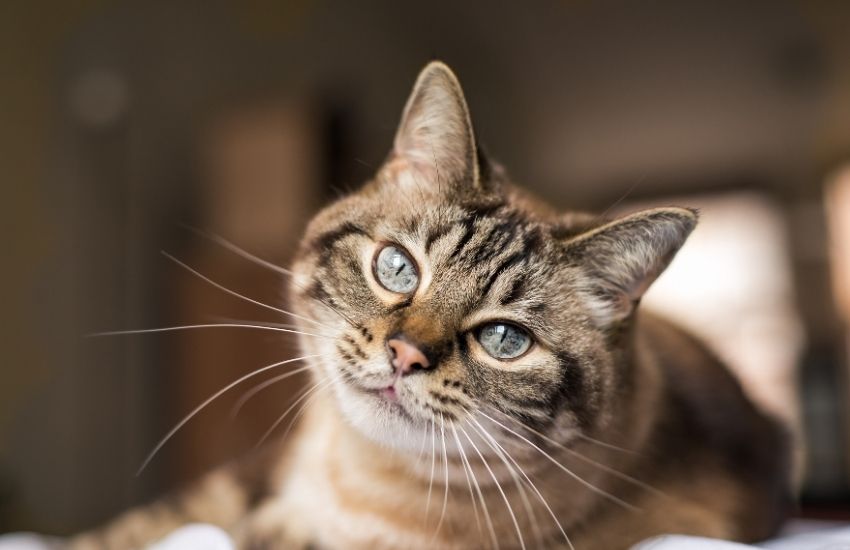
Cats are obligate carnivores. Their taste biology differs significantly from dogs.
Key Characteristics of Cat Food Palatability:
- Strong preference for animal-based proteins
- Sensitivity to bitterness
- Aroma-driven feeding behavior
- High response to amino acid-rich hydrolysates
Unlike dogs, cats lack functional sweet receptors. That means sweetness does not drive acceptance. Instead, umami-rich compounds, liver hydrolysates, and Maillard reaction flavors are central to success.
If your factory produces dry kibble, freeze-dried treats, or wet food, optimizing cat food palatability requires:
- Surface coating systems
- Fat application control
- Hydrolyzed protein spray technology
- Volatile aroma retention
Without a strong coating system, even premium ingredients underperform.
3. What Is a Cat Food Flavor Enhancer?
A cat food flavor enhancer is a concentrated ingredient system designed to:
- Increase feed intake
- Improve aroma release
- Mask off-notes
- Stabilize flavor consistency
- Enhance first-bite acceptance
Common types include:
1. Liver Hydrolysates
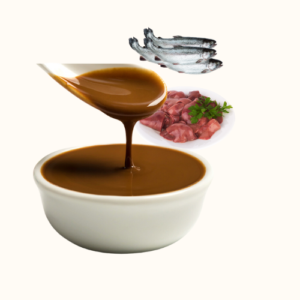
Rich in peptides and amino acids that stimulate feeding response.
2. Maillard Reaction Flavors
Generated by controlled heating of amino acids and reducing sugars, producing roasted, meaty notes.
3. Animal Fat Blends
Enhance aroma volatility and mouthfeel.
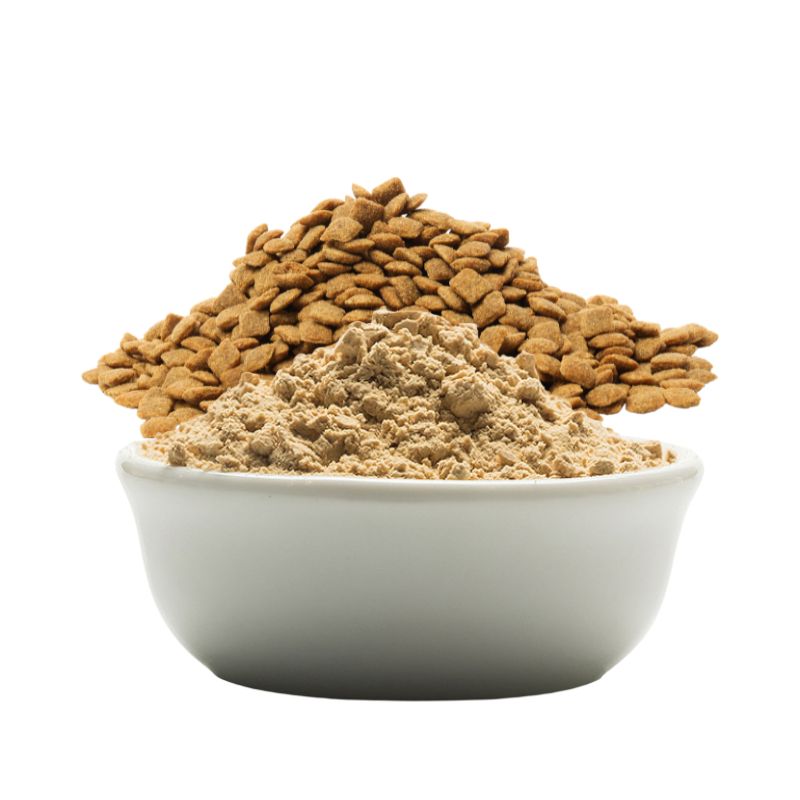
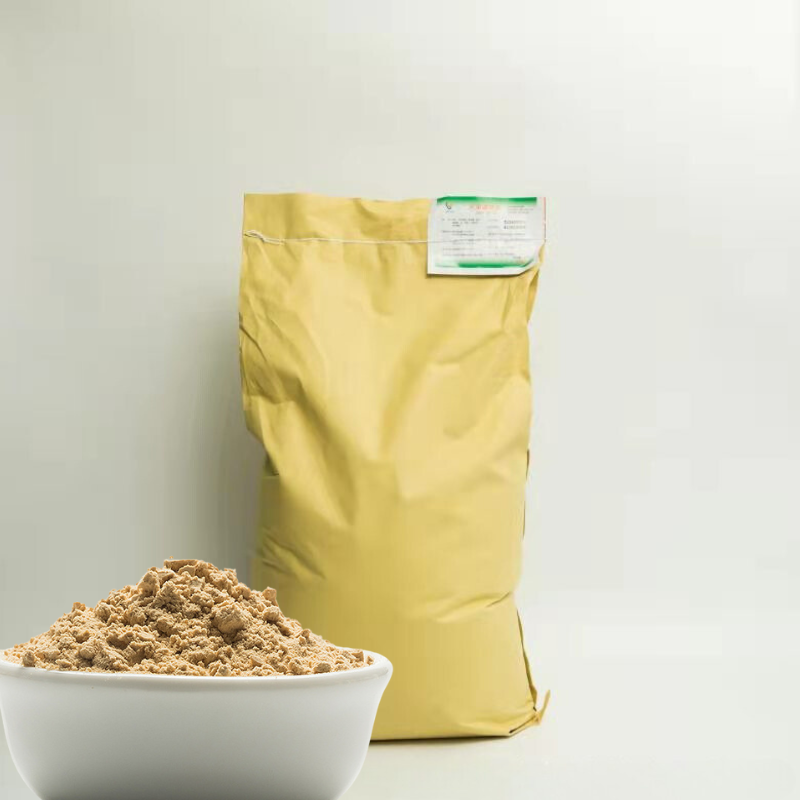
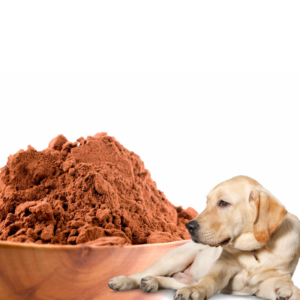
4. Spray-Dried Palatant Powders
Applied post-extrusion for surface flavor impact.
In high-protein or functional diets, bitterness from supplements like taurine, vitamins, or minerals may reduce acceptance. This is where a cat food flavor enhancer palatability system becomes essential.
4. Palatability Enhancer for Pet Food: How It Works in Manufacturing
A palatability enhancer for pet food functions within three stages of production:
Stage 1: Base Formula Design
The core recipe determines:
- Protein source
- Fat level
- Fiber composition
- Functional inclusions
High plant-protein inclusion often requires stronger palatant systems.
Stage 2: Processing Impact
Extrusion temperature and moisture affect:
- Protein denaturation
- Aroma compound stability
- Texture
Improper processing can destroy volatile flavor compounds.
Stage 3: Coating System
This is where palatability is finalized.
A typical dry pet food coating process includes:
- Pre-fat application
- Liquid palatant spray
- Powder palatant application
- Final fat top-coat
A professional palatability enhancer supplier provides technical guidance on:
- Spray rate optimization
- Adhesion performance
- Coating uniformity
- Stability testing
Without technical alignment, even premium palatants may perform inconsistently.
5. Pet Food Ingredients and Feed Additives for Dogs
While cats are more selective, dogs also rely heavily on aroma-driven feeding.
Key Pet Food Ingredients Impacting Palatability:
- Hydrolyzed chicken liver
- Fish soluble proteins
- Spray-dried plasma
- Animal fats
- Yeast extracts
Functional Feed Additives for Dogs:
- Digestive enzymes
- Probiotics
- Joint-support compounds
- Vitamin and mineral premixes
Functional diets often introduce bitterness. Therefore, palatability balancing becomes crucial for:
- Puppy formulas
- Senior dog food
- Weight-control diets
- Veterinary-support diets
Manufacturers producing therapeutic or high-performance feed must integrate feed additives for dogs alongside flavor enhancement systems to ensure compliance and intake.
6. Common Challenges in Pet Food Manufacturing
1. Raw Material Variability
Protein sources fluctuate in aroma and taste. Palatant systems must compensate for batch differences.
2. Export Compliance
Global markets require:
- Heavy metal control
- Microbial limits
- Additive regulations
Palatant ingredients must meet international standards.
3. Cost Optimization
Manufacturers face pressure to reduce cost per ton without sacrificing acceptance.
A strategic palatability approach often reduces:
- Returns
- Complaints
- Reformulation cycles
7. Selecting the Right Palatability Enhancer Supplier
For pet food factories and wholesalers, choosing a supplier is not just about price per kilogram.
Evaluate based on:
- Technical support capability
- Application expertise
- Stability data
- Coating system recommendations
- Customized solutions
- Regulatory documentation
A strong supplier works as a formulation partner, not just a raw material vendor.
For example, at ProfyPet, palatability systems are designed specifically for:
- Dry kibble manufacturers
- Wet food factories
- Freeze-dried treat producers
- Private-label brands
The focus is on functional performance — not generic flavor powders.
8. Trends Shaping Pet Food Palatability in 2026
Industry data shows strong growth in:
- High-protein diets
- Grain-free formulations
- Functional nutrition
- Premium and super-premium segments
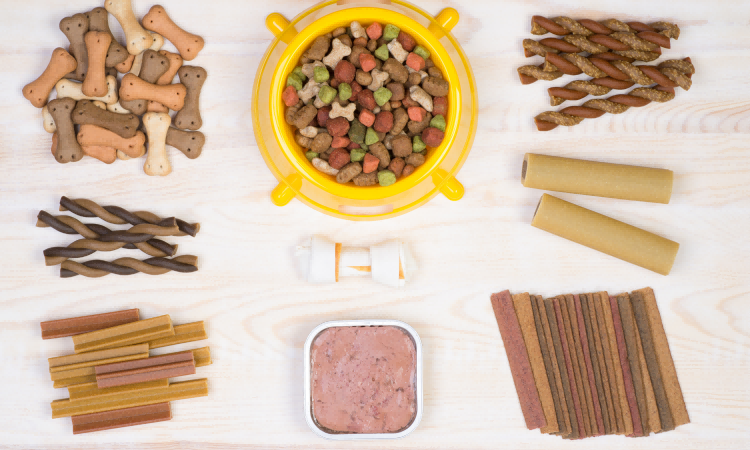
As protein inclusion rises, so does the need for advanced palatability pet food systems.
Emerging trends include:
- Clean-label palatants
- Hydrolyzed single-protein solutions
- Low-sodium coating systems
- Customized aroma layering
Manufacturers investing early in advanced palatability technology gain long-term brand advantage.
9. Practical Strategy for Pet Food Factories
If you operate a pet food manufacturing facility, consider this structured approach:
- Audit current intake performance
- Conduct controlled palatability trials
- Evaluate coating uniformity
- Test different hydrolysate concentrations
- Monitor cost-to-intake ratio
Small improvements in feed acceptance can translate into:
- Increased reorder rates
- Reduced marketing spend
- Stronger brand reputation
10. Final Thoughts: Manufacturing Success Is Driven by Palatability
Pet food manufacturing today is not simply about meeting nutritional standards. It is about creating products pets choose instinctively.
Whether you are developing cat food flavor enhancer systems, optimizing feed additives for dogs, or sourcing from a professional palatability enhancer supplier, the goal remains the same:
Consistent intake. Strong aroma impact. Stable coating performance. Scalable production.
If you are looking to strengthen your product line with advanced palatability solutions, explore customized systems designed specifically for modern pet food factories at:https://www.profypet.com
In a competitive global market, palatability is no longer optional. It is the engine behind growth.