
Savor Every Bite: Why Palatants Matter in Pet Food
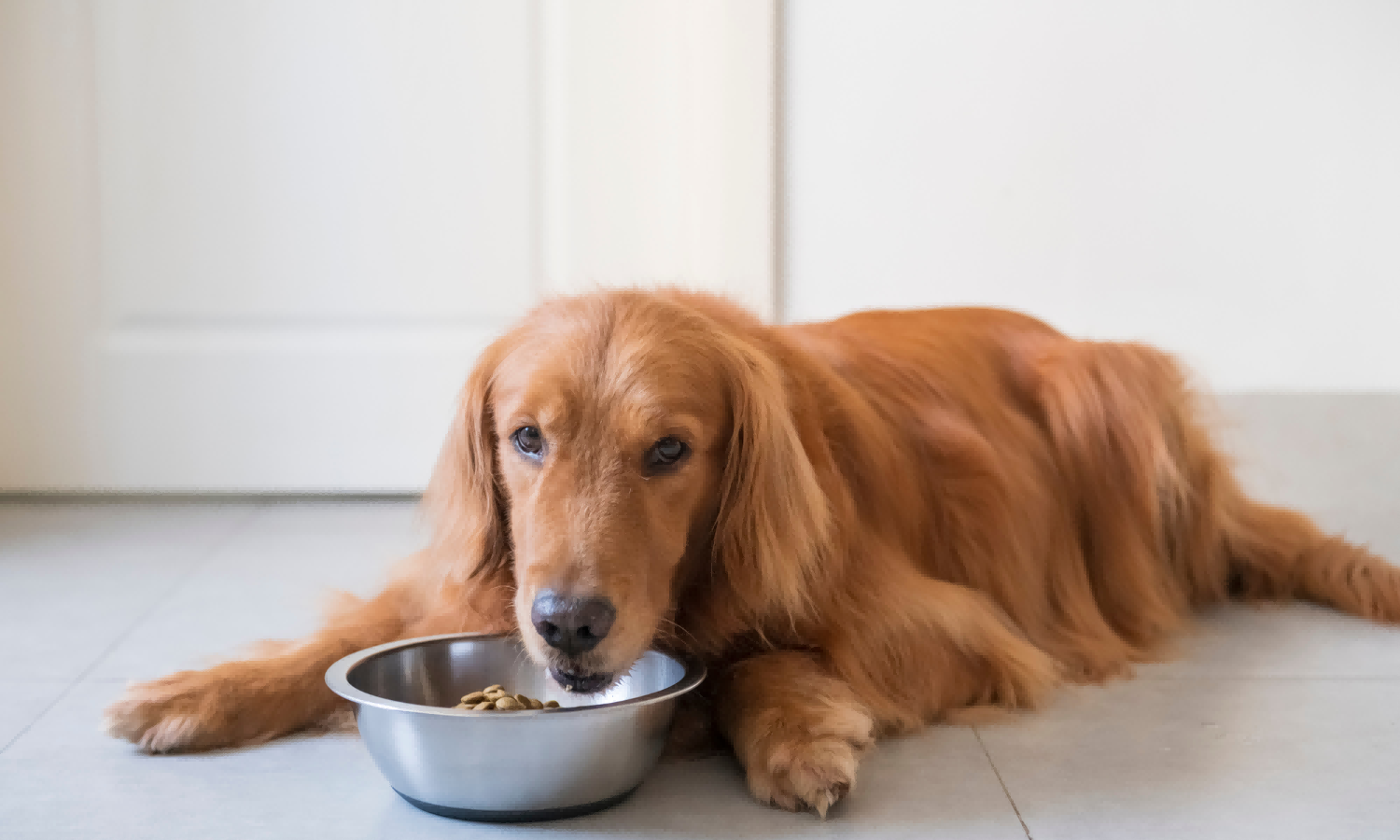
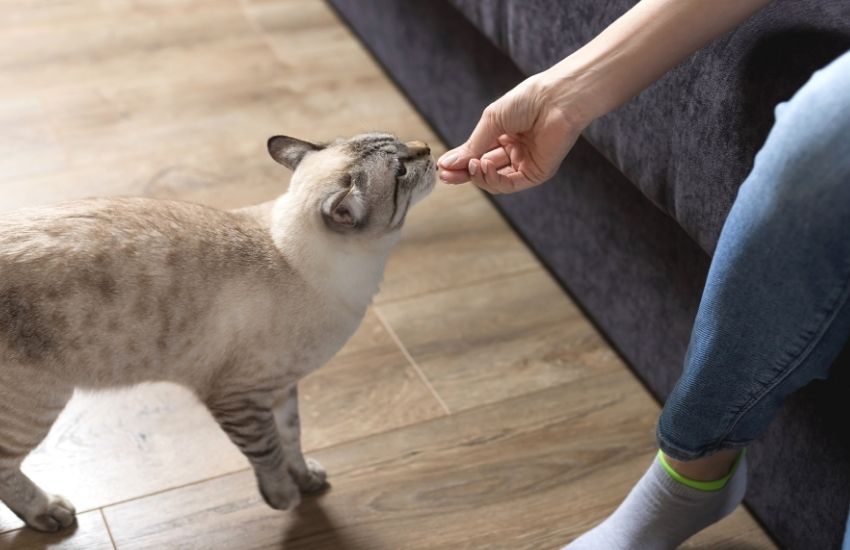
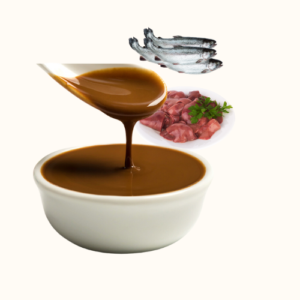
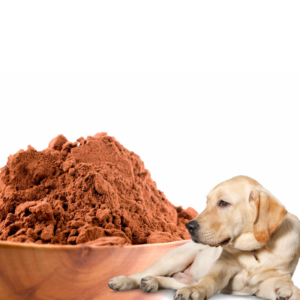
For pet food makers, wholesalers, and ingredient suppliers, palatants (aka palatability enhancers or flavor enhancers) are a critical piece of the puzzle. A palatant is an additive (or blend of additives) that improves the aroma, taste, or mouthfeel of pet food, making it more appealing to the animal. Without effective palatants, even a nutritionally balanced formula may be rejected by picky eaters.
According to market research, the global pet food palatants market is currently valued in the billions of dollars and projected to grow steadily. Future Market Insights+ Growth is driven by increasing pet ownership, premiumization of pet food, demand for more natural or clean-label solutions, and innovation in palatability science. TMR+2MDPI+2
As a supplier, manufacturer, or factory, understanding the dynamics of this market—and especially the specifics of cat food palatability—can help you tailor offering, differentiate your products, and align with buyer needs.
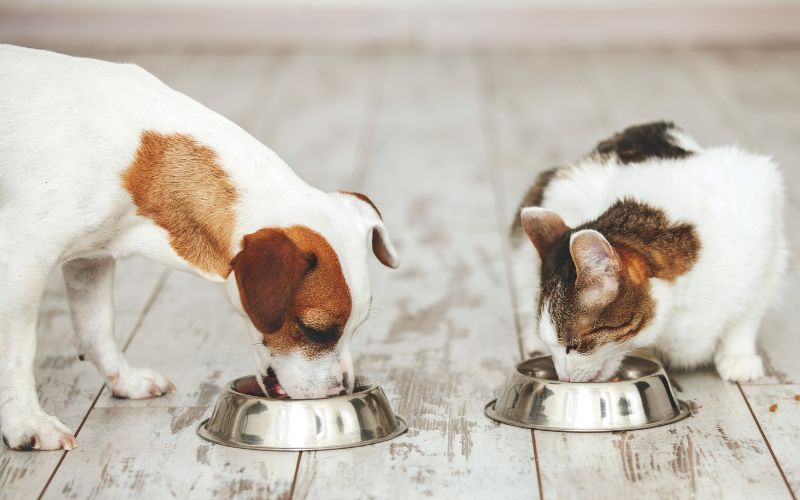
Below is an outline of key dimensions: market outlook, technical challenges & strategies, cat food specifics, and supply / procurement considerations.
Market Size, Share & Future Outlook (to 2026+)
Here are key market trends and estimates relevant to stakeholders:
- The pet food palatants market is forecast to grow at a compound annual growth rate (CAGR) in the ~5 % range over the next 5–10 years. MDPI+3TMR市场研究报告与咨询+3Future Market Insights+3
- As of 2025, some forecasts peg the market around USD 2.4 billion, with further growth toward USD 4 billion by 2035. Future Market Insights
- The animal-based palatants segment currently dominates, but plant-based or more “natural” palatants are gaining traction for their cleaner labels and fewer regulatory hurdles. TMR市场研究报告与咨询+2Kemin+2
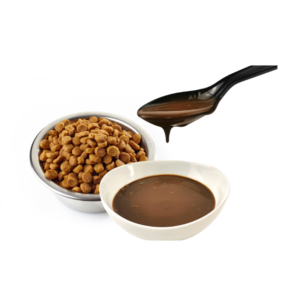
- For pet food (versus broader feed markets), dry food formulations in particular rely heavily on palatants to boost acceptance, since dry kibbles by themselves may lack strong aroma or flavor. Kemin+2MDPI+2
- Asia-Pacific, Latin America, and emerging markets are expected to show higher growth rates, driven by rising pet ownership, disposable incomes, and adoption of premium pet food. MarketsandMarkets+3Future Market Insights+3TMR市场研究报告与咨询+3
- One report suggests that from 2024 to 2028, the global palatants market may expand by roughly USD 585.9 million, highlighting continued upside. PR Newswire

Implication for wholesalers and manufacturers: The market is healthy and growing. But it is becoming more competitive and innovation-driven. Suppliers that can offer differentiated, high-performance palatants (e.g. natural, stable, highly effective at low dosage) will stand out.
Cat Food Palatability: Challenges & Techniques
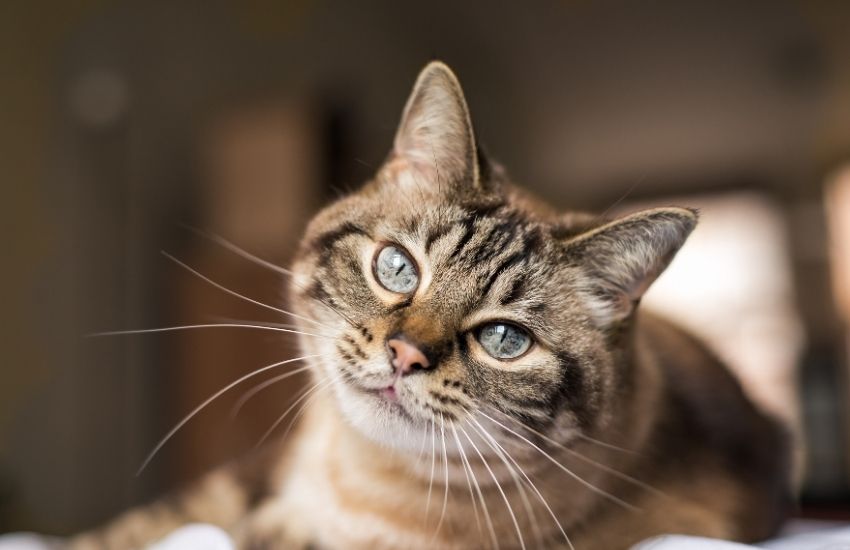
Cats are famously finicky eaters, and designing palatants for cat food presents particular challenges. Let’s explore what to watch out for and what strategies are emerging.
Why cats are harder to please
- Cats have a more acute sense of smell and different taste receptor sensitivities compared to dogs. A small variation in aroma can influence acceptance. MDPI
- They are obligate carnivores: they often prefer strong meat / fish scents and may reject “vegetal” or weak aromas.
- Texture, fat coating, and volatility of aroma compounds matter more in cat food.
- Cats may adapt (learn) preferences over time, so consistency of flavor and aroma is critical.
Palatability enhancement strategies for cat food
- Use of protein hydrolysates or enzymatic hydrolysis can generate small peptides, amino acids, and aroma compounds that attract cats. Kemin+3MDPI+3PMC+3
- Incorporation of yeast extracts / nucleotides can help add savory (umami) flavor, and mask off-notes from functional ingredients. Companies like Ohly emphasize yeast-based palatants (e.g. “Ohly-GO Meaty”) for cats. Ohly
- Volatile aroma compounds (aldehydes, ketones, sulfur compounds) are critical. The delivery mechanism (e.g. coating, encapsulation) to preserve aroma until consumption is a design challenge. MDPI+1
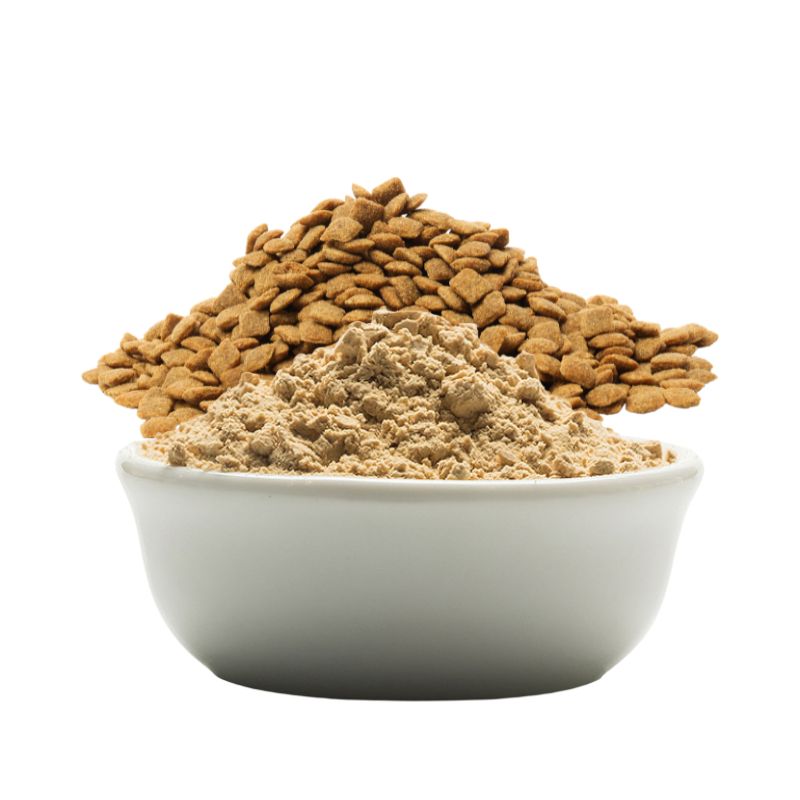
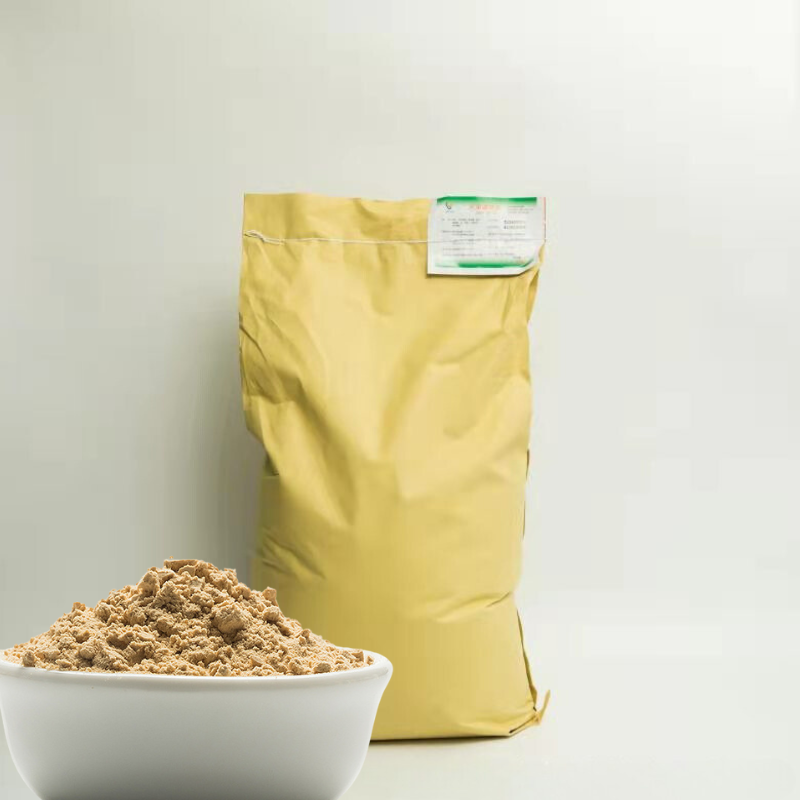
- Use of liquid vs. dry palatants: Liquid palatants can be sprayed post-extrusion to deliver intense flavor, while dry powders may be incorporated into the mix or coating layer.
- PMC+3Kemin+3MDPI+3
- Dose optimization: Too little palatant fails to make a difference; too much can create off-aromas or unnatural smell. Finding the “sweet spot” is essential. MDPI
- Clean-label / natural ingredient trends: Many pet owners now favor palatants from recognizable, “natural” sources. This encourages innovation in plant-based or minimally processed enhancers. TMR市场研究报告与咨询+2MDPI+2
- Consider synergy with other ingredients: fats, oils, antioxidants, and microencapsulation can affect palatant stability and release.
Because of these complexities, the cat food flavor enhancer market is often treated as a more premium and specialized segment. One market report suggests that by 2025, the global cat food flavor enhancer market might reach around USD 1.88 billion with a CAGR of ~5.8 %. Archive Market Research

Pet Food Flavor Enhancers & Palatability Enhancers – Definition & Role
To clarify terminology and how they interrelate:
- Flavor enhancer / flavoring / seasoning: typically substances (liquid or powdered) added to boost aroma, taste, or both. These can include natural flavors, hydrolysates, extracts, yeast derivatives, and aroma chemicals.
- Palatability enhancer / palatants: a broader term, encompassing flavor enhancers but also other compounds (e.g. aroma carriers, texture modulators, masking agents) that improve acceptability.
- In practice, many palatants are flavor enhancers, though not all flavor enhancers are full palatability systems (i.e. they might boost aroma but not fully mask bitterness of functional ingredients).
In pet food, palatants are used to:
- Improve voluntary feed intake (especially important for functional diets).
- Mask undesirable tastes or odors from vitamins, minerals, medicines, or byproducts.
- Enhance consistency across batches, maintaining sensory profile.
- Differentiate premium product lines.
Feed Additives & Crossovers: Dogs, Cats & Beyond
Though this article focuses primarily on cat food, many palatants and flavor enhancers are also used in dog food and even broader feed markets. The science is often shared, though species-specific preferences differ.

- The feed palatability enhancers market (for livestock, aquaculture, etc.) is well established, and many large ingredient firms operate in both animal feed and pet food. Mordor Intelligence
- In the pet domain, many palatants are formulated to serve both dogs and cats, with slight tuning in aroma or dosage. For example, Kemin’s PALASURANCE line offers forms for both dog and cat food. Kemin
- There is growing interest in cross-over innovations: for example, palatants that also carry functional benefits (e.g. prebiotics, antioxidants) or synergistic compounds (e.g. volatile botanical extracts) to make the palatant multi-functional.
- As pet diets diversify (grain-free, novel proteins, insect-based, alternative proteins), palatant design must keep pace to ensure acceptance of new ingredient bases. MDPI
For a pet food manufacturer operating both cat and dog formulas, having a flexible palatant supplier or internal palatant R&D capacity is a strategic advantage.
Supply & Sourcing: What Wholesalers, Factories & Ingredient Buyers Need to Know

If you are a palatant supplier, pet food factory, or wholesaler, here are some critical considerations:
Key criteria for selecting palatant suppliers
- Efficacy / sensory performance
- Demonstrated improvement in acceptance by cats/dogs (trial data).
- Stability under processing (heat, moisture, extrusion) and during storage.
- Ingredient profile & regulatory compliance
- Clean-label, non-GMO, traceability, allergen status, residue limits.
- Compliance with pet food regulatory standards in target markets (e.g. AAFCO, EU, China, etc.).
- Ability to provide documentation (COA, MSDS, purity).
- Form & application versatility
- Liquid, powder, encapsulated formats – suitable for post-coating, mixing, spray, etc.
- Good fluidity, low dust, consistent particle size when powder.
- Cost and dosage efficiency
- Cost per kg is one thing, but more important is performance at low dosage: a more potent palatant (used at ppm levels) can reduce cost per ton of pet food.
- Raw material price stability is key.
- Supply chain reliability & scalability
- Ability to scale and maintain supply across production cycles.
- Geographic proximity, logistics, and lead times.
- R&D support and co-development capacity
- Suppliers capable of customizing palatants for your specific formulations.
- Strong sensory panel, analytical capability (e.g. GC/MS aroma profiling) to fine-tune products.
- Quality assurance & testing
- Batch-to-batch consistency, QC protocols, stability testing.
Challenges & mitigation strategies
- Raw material volatility: Animal-based raw materials (e.g. meat derivatives) can fluctuate. Mitigate via diversified sourcing, alternative materials, or fixed contracts.
- Regulatory hurdles: Some markets restrict use of certain animal derivatives or synthetic aroma compounds. Having a “clean label” or plant-based alternative offering helps.
- Competition & margin pressure: As more companies enter the palatant space, differentiation (performance, branding, service) becomes essential.
- R&D investment cost: To remain competitive, palatant suppliers need to continually innovate (new flavor profiles, microencapsulation, natural sources). This can be capital-intensive.
Recommended strategy for pet food factories / manufacturers
- Partner with one or more palatant suppliers with complementary strengths (e.g. one focused on cat-specific aromatics, another good at masking functional ingredient odors).
- Conduct early-stage blending and sensory testing (e.g. feeding trials) to validate supplier claims.
- Factor palatant cost and performance into the total cost-of-goods (COG) model—not just the cost per kg, but how it impacts feed conversion, sales, and consumer repurchase.
- Maintain buffer inventory or multiple suppliers to avoid disruption.
- Monitor evolving trends (e.g. natural / botanical palatants, insect-derived flavor compounds, encapsulation technologies) to stay ahead of competition.
Outlook to 2026 and Beyond: What to Watch
As you plan through 2026, here are trends and dynamics likely to shape the pet food palatants landscape:
- Rising demand for natural / clean-label palatants: Suppliers who can provide “recognizable” or minimally processed flavor solutions (plant extracts, yeast derivatives, etc.) will gain favor among premium pet food brands.
- Customization & niche formulations: Breed, life-stage, or health-condition–oriented palatants (e.g. for senior cats) may gain traction.
- Encapsulation & controlled release technologies: To preserve aroma until consumption, advanced delivery systems will be a differentiator.
- Alternative protein matrices: As pet food formulas experiment with novel proteins (insect, algae, plant-based), palatants that complement or mask these new bases will be key.
- Emerging markets growth: Manufacturers and suppliers should watch growth in Asia, Latin America, and Eastern Europe, where demand for higher-quality pet food is rising.
- Data, AI & sensory modeling: Using analytics to predict which palatant blends will perform best for a given formula or market segment may reduce trial time and cost.
- Sustainability & supply chain traceability: Pet food brands increasingly demand transparency—from raw sourcing to carbon footprint—which extends to palatant ingredients.
Suggested Structure for profypet.com or Supplier Website Messaging
To address customers (wholesalers, pet food manufacturers, factories), your content or marketing could be structured roughly:
- “Why palatants matter”: explain the critical role of palatants in ensuring feed acceptance, repeat purchases, and consumer satisfaction
- Cat-specific expertise: highlight your specialty or capabilities in tailoring palatants for cat food (aroma complexity, dosage sensitivity, trials)
- Product lines / formats: list and compare your palatants (liquid, powder, encapsulated) and their use cases
- Technical support & R&D services: sensory testing, custom blending, trial support
- Quality & compliance: traceability, COA, regulatory compliance in major markets
- Case studies or trial results: show performance in real pet food applications
- Procurement & scale assurance: lead times, logistics, supply continuity, backup sourcing
Given profypet.com already offers a cat food flavoring / palatability enhancer product line profypet.com and a cat food palatability enhancer YCG-MT 915 product profypet.com, you can position those products as part of a broader, high-performance, custom palatant portfolio.